Building Better Habits: Reward-Based Cat Training
Discover how to shape feline behavior through positive rewards and encouragement.
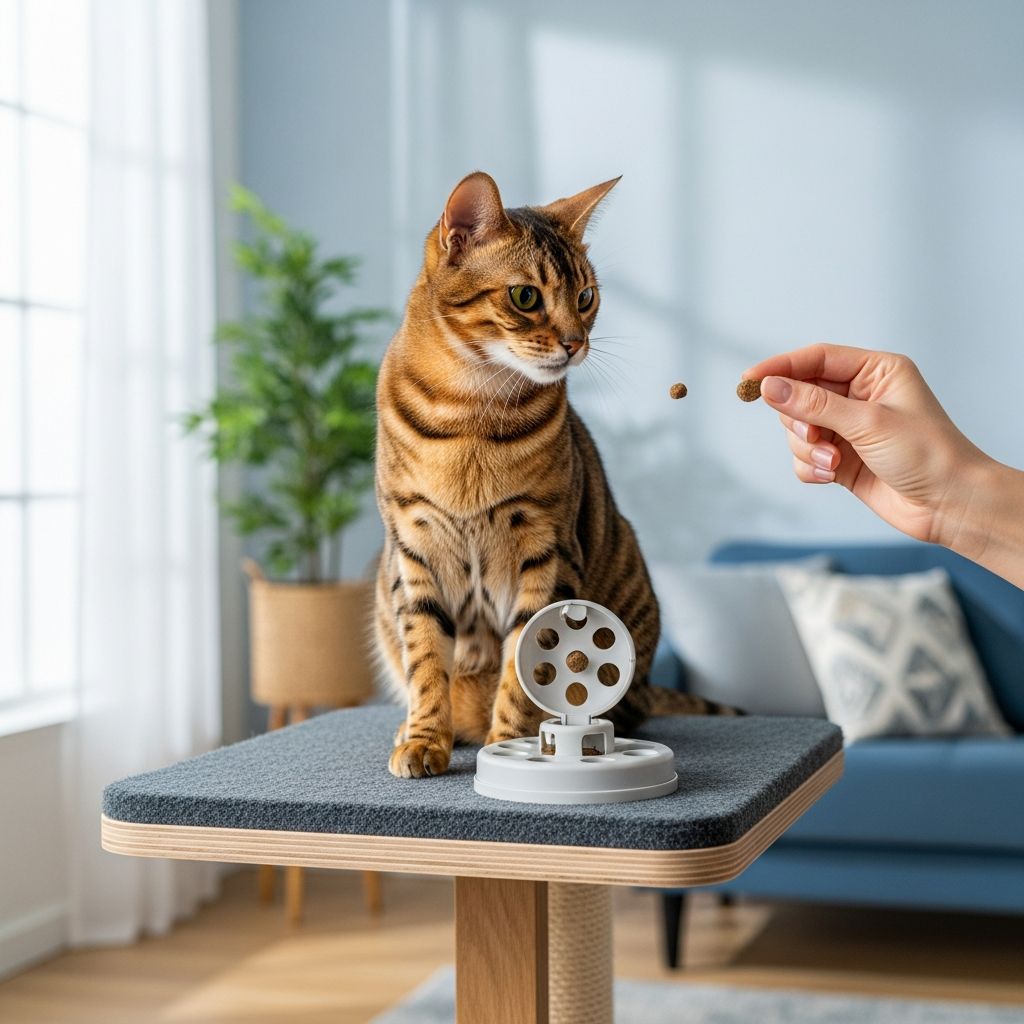
Training a cat requires understanding what motivates your individual pet and leveraging those motivators to encourage behaviors you want to see repeated. Unlike outdated approaches that rely on punishment, modern feline behavior modification focuses on making desirable actions rewarding enough that your cat chooses to perform them willingly. This approach not only works better but also strengthens the relationship between you and your pet while reducing stress and anxiety in your household.
Understanding the Foundation of Effective Cat Training
The core principle behind successful cat training is straightforward: when a behavior is followed by something pleasant, your cat becomes more likely to repeat that behavior in the future. This concept, known as positive reinforcement, is grounded in how cats naturally learn and respond to their environment. Cats are intelligent animals that make connections between actions and outcomes, and they’re more motivated to perform behaviors that lead to rewards they genuinely value.
The effectiveness of this approach has been demonstrated through numerous observations and studies in feline behavior. Research indicates that cats whose owners utilize reward-based methods experience fewer behavior problems and develop stronger bonds with their caregivers. In contrast, homes where punishment is used tend to see increased behavioral issues, including inappropriate elimination outside the litter box.
Identifying What Motivates Your Unique Cat
Every cat has distinct preferences, and identifying what genuinely motivates your pet is the crucial first step in any training program. While food rewards work wonderfully for many cats, not all felines respond equally to the same incentives.
Food-Based Motivation
Treats represent one of the most common and effective rewards for most cats. However, the specific type of treat matters less than finding one your cat genuinely loves. Some cats prefer small, quick treats they can consume in seconds, while others enjoy longer-lasting options. For cats on restricted diets or those with food sensitivities, lower-calorie treats or even small portions of their regular meals can serve as rewards.
Non-Food Motivation Options
- Affection and Physical Interaction: Many cats respond enthusiastically to petting, gentle scratching, or being held by their favorite person. If your cat is affectionate, verbal praise combined with physical touch can be just as powerful as food rewards.
- Playtime Rewards: Short play sessions with a favorite toy can motivate cats who are particularly playful or prey-driven. A few minutes of interactive play following a desired behavior reinforces that behavior effectively.
- Environmental Access: Some cats are motivated by access to preferred locations, such as sunny windowsills, outdoor spaces, or elevated perches where they can observe their territory.
- Auditory Markers: A clicker or distinctive sound becomes a “bridge” to the reward once your cat learns to associate the sound with something positive. This allows for precise timing of rewards and clear communication about which behavior earned the reward.
The Critical Role of Timing in Training
One of the most important factors in successful training is the timing of your reward. Cats have relatively short attention spans, and they need to receive the reward within seconds of performing the desired behavior. If too much time passes between the behavior and the reward, your cat may not make the connection between the two.
For example, if your cat uses the scratching post and you wait several minutes before offering a treat, your cat may not understand that the treat is related to the scratching behavior. However, if you immediately provide a treat while your cat is still at the post, the connection becomes crystal clear. This immediate positive consequence increases the likelihood that your cat will use the scratching post again in the future.
Developing Consistency in Your Training Approach
Consistency forms the backbone of effective training. This means several things in practice:
- Same Reward Types: Use the same type of reward each time your cat performs a specific behavior, at least during the initial training phase. This consistency helps your cat make clear associations between behavior and outcome.
- All Family Members Involved: Ensure that everyone in your household understands the training goals and applies the same rewards and techniques. Mixed messages confuse cats and slow learning progress.
- Regular Practice Sessions: Brief, frequent training sessions work better than occasional, lengthy ones. Multiple short sessions throughout the day allow your cat to practice and succeed more often.
- Predictable Patterns: While you’ll eventually want to move toward variable rewards (not rewarding every single time), initially consistency helps establish the behavior reliably.
Practical Applications for Common Behavioral Goals
Encouraging Social Interaction
Shy cats that spend excessive time hiding may benefit from gradual encouragement through rewards. Begin by placing treats near your cat’s hiding spot to reward brief ventures out. As your cat becomes more confident, place treats at progressively greater distances from the safe space, rewarding your cat for traveling further and spending longer periods in the open. This gradual approach prevents overwhelming your pet while building positive associations with social interaction.
Building Tolerance for Handling
If your cat dislikes being petted or brushed, you can gradually increase their tolerance through strategic rewards. Start by rewarding a single stroke of petting with a small treat. Gradually increase to two strokes before providing the reward, then three, and so on. By pairing handling with immediately following rewards, your cat learns that being touched results in positive outcomes. This technique proves particularly valuable for grooming, nail trims, and veterinary procedures that require your cat to remain calm.
Promoting Appropriate Scratching
Rather than discouraging natural scratching behaviors, direct them to appropriate surfaces by making those surfaces rewarding. Each time you observe your cat using a scratching post or pad, immediately provide a treat and enthusiastic praise. Your cat quickly learns that this particular location provides both the satisfaction of scratching and the bonus of treats.
Addressing Excessive Vocalization
If your cat frequently meows excessively, you can reinforce quiet behavior instead. During periods when your cat is quiet, offer treats and praise. If your cat has been meowing and then stops for several seconds, immediately reward that silence. Over time, your cat learns that quiet behavior brings rewards while excessive vocalization does not.
Managing Inter-Cat Aggression
When cats display aggression toward each other, reward peaceful coexistence rather than punishing the aggressive behavior. Treat your cat when she remains calm and relaxed in the presence of the other cat. Gradually increase the distance at which they can be together without triggering aggression, always rewarding calm behavior. This approach builds positive associations with proximity to the other cat.
Teaching Tricks and Advanced Behaviors
Cats are fully capable of learning tricks, from basic behaviors like sitting to more complex sequences. Common tricks that respond well to training include sit, high-five, sit-pretty, come when called, jump on or off furniture on command, lay down, and go to a specific mat. The principles remain the same: identify what motivates your cat, reward immediately after the behavior, and practice consistently.
Many people are surprised to discover that cats can learn as readily as dogs when properly motivated. Video resources and training books dedicated to cat training demonstrate the remarkable abilities cats possess when owners use appropriate techniques. The key difference between cats and dogs is that cats must perceive the benefit to themselves, whereas dogs have a stronger drive to please their owners regardless of personal benefit.
The Variable Reward Schedule Advantage
Once your cat reliably performs a behavior, you can shift to a variable reward schedule where you don’t reward every single instance of the behavior. Instead, you might reward the behavior approximately 50% of the time, or on an unpredictable schedule. Interestingly, this variable approach actually creates stronger, longer-lasting behavior than constant rewards.
This principle is why slot machines are so compelling to humans—the unpredictability of rewards makes the behavior more persistent. Similarly, your cat will continue performing a behavior more reliably if sometimes it leads to a reward and sometimes it doesn’t, compared to if she knows every instance will be rewarded. Once your cat has firmly established the behavior, gradually transition to variable rewards while continuing to reinforce with occasional treats and frequent verbal praise.
Why Punishment Approaches Fail with Cats
Many people default to punishment-based approaches when addressing unwanted cat behaviors, but this strategy fails for several important reasons. Punishment, whether yelling, hitting, spraying with water, or tossing objects, does not effectively teach cats what you want them to do. Instead, it teaches fear and avoidance of you, the person applying the punishment.
Cats don’t generalize punishments the way people often hope. They learn not to perform the behavior when you’re present and watching, but they may continue the behavior when you’re absent. Additionally, punishment creates anxiety and stress that can lead to new behavioral problems. Research has documented that cats in homes where punishment is used are significantly more likely to develop problems like inappropriate elimination, aggression, and excessive vocalization.
The most effective approach to redirecting unwanted behavior combines two elements: a mild interruption (such as a clap or shaking a jar of beans—never directed at your cat) followed immediately by redirection to an appropriate behavior that you then reward. For example, if your cat begins scratching furniture, create a noise to interrupt the behavior, then redirect your cat’s attention to a scratching post using a toy or treat, and reward your cat when she engages with the appropriate surface.
Gradually Transitioning Away from Food Rewards
While food rewards prove invaluable during initial training, the goal is to eventually maintain behaviors using other reinforcement methods to avoid overfeeding your cat. The transition happens gradually over weeks or months as your cat becomes more reliable in performing the behavior.
Begin by interspersing verbal praise, petting, and play rewards with food treats. As the behavior becomes more established, provide treats on a variable schedule while maintaining consistent non-food rewards. Eventually, most cats will perform trained behaviors reliably with only occasional treats combined with enthusiastic praise, petting, and other rewards they value. This gradual transition maintains the behavior while reducing excessive calorie intake.
Special Situations Requiring Positive Reinforcement
Beyond behavioral training, positive reinforcement helps tremendously with stressful situations your cat might otherwise dread. If your cat needs regular nail trims, brushing, carrier travel, or veterinary visits, you can condition your cat to associate these experiences with rewards. Start by rewarding your cat for simply being near the clippers or carrier, then gradually progress to rewarding cooperation with the actual procedure.
This approach dramatically reduces stress for both cat and owner, making necessary care much easier to accomplish. Many cats actually begin to anticipate these activities positively when they consistently result in rewards they value.
Frequently Asked Questions
Q: How long does it take to train a cat using positive reinforcement?
A: Timeline varies depending on the complexity of the behavior and your cat’s individual personality. Simple behaviors like sit may take just days to establish, while more complex behaviors might require weeks. Consistent daily practice accelerates learning.
Q: Can older cats learn new behaviors?
A: Absolutely. Age doesn’t prevent learning in cats. Older cats may learn slightly more slowly than younger cats, but they’re equally capable of acquiring new behaviors throughout their lives.
Q: What if my cat isn’t food-motivated?
A: Explore other motivators like toys, playtime, affection, or access to preferred locations. Every cat has something that motivates them; sometimes it takes experimentation to discover what works for your individual pet.
Q: Is clicker training really necessary?
A: Clicker training is helpful but not essential. The clicker simply marks the exact moment your cat performs the desired behavior, which helps cats understand what earned the reward. You can achieve similar results using a verbal marker like “yes” or “good,” though the clicker’s consistent sound works particularly well.
Q: Can I train multiple behaviors at once?
A: It’s better to focus on one behavior at a time until your cat performs it reliably, then move to the next behavior. This prevents confusion and speeds overall learning progress.
References
- How to Use Positive Reinforcement for Good Cat Behavior — Feline Behavior Solutions. https://felinebehaviorsolutions.com/use-positive-reinforcement-good-cat-behavior/
- How to Train a Cat — British Psychological Society. https://www.bps.org.uk/psychologist/how-train-cat
- Positive Reinforcement: Training Your Cat with Treats and Praise — Napa Humane. https://napahumane.org/wp-content/uploads/2017/07/Positive-Reinforcement-Training-Your-Cat-with-Treats-and-Praise.pdf
- Positive Reinforcement Training Educational Toolkit — American Association of Feline Practitioners. https://catvets.com/resource/positive-reinforcement-training-educational-toolkit/
- Cat Training Techniques for Caregivers — International Society of Feline Medicine. https://catfriendly.com/be-a-cat-friendly-caregiver/cat-training-techniques-for-caregivers/
Similar Articles







Read full bio of medha deb