

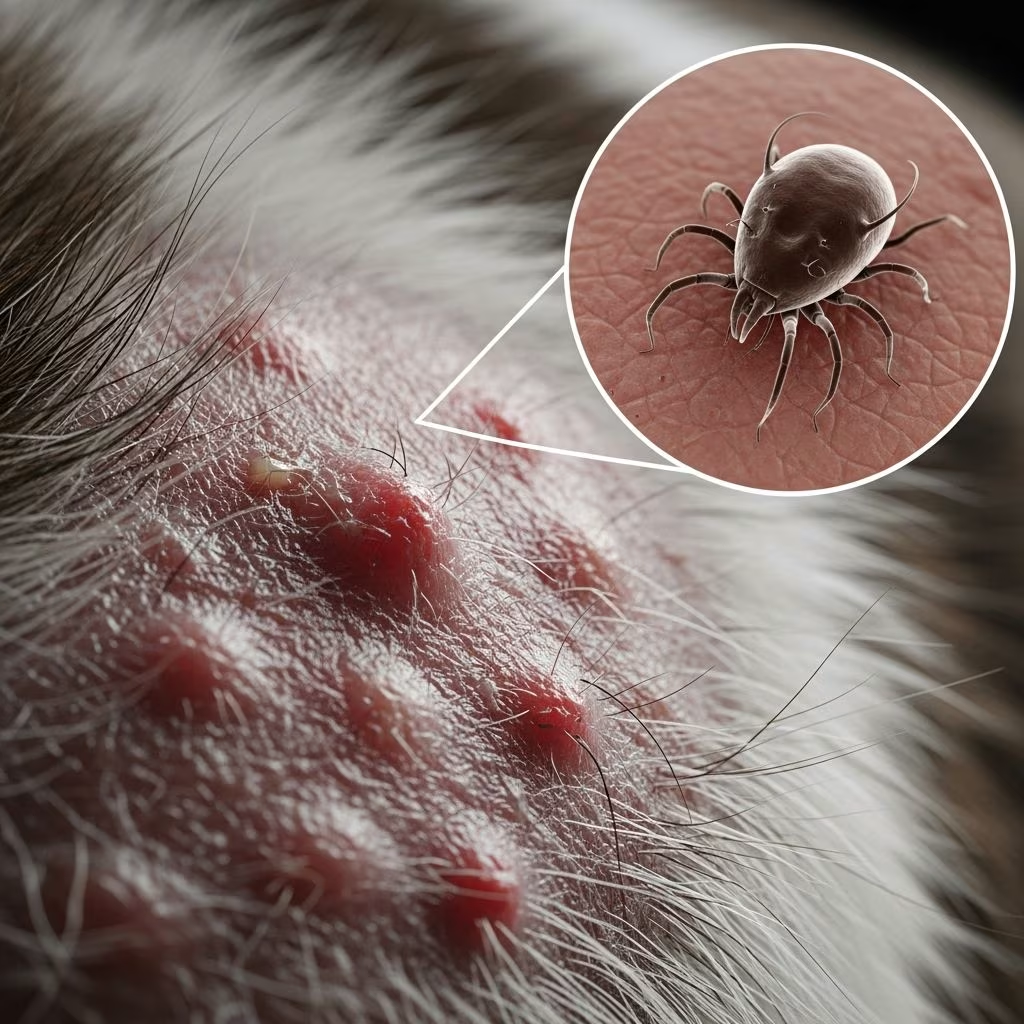
Sarcoptic mange, caused by the mite Sarcoptes scabiei var. canis, is a highly contagious skin condition in dogs that leads to severe itching, hair loss, and crusty lesions. Revolution, containing selamectin, stands out as an FDA-approved topical treatment that targets these mites effectively while being safe for monthly use.
Understanding Sarcoptic Mange: The Basics
This parasitic infestation burrows into a dog’s skin, triggering intense allergic reactions. Unlike other mange types, sarcoptic mange spreads rapidly through direct contact with infected animals or contaminated environments. Dogs exhibit relentless scratching, leading to secondary bacterial infections if untreated. Early intervention with products like Revolution prevents progression to generalized disease.
Symptoms typically start on the ears, elbows, and abdomen, advancing to widespread bald patches. Veterinary diagnosis often relies on clinical signs and skin scrapings, though mites may be hard to find due to their burrowing nature.
Why Revolution Excels in Treatment
Revolution (selamectin) is a topical solution applied between the shoulder blades monthly. It kills mites by disrupting their nervous system upon contact and absorption. Studies and veterinary guidelines confirm its efficacy against sarcoptic mange, often resolving symptoms within weeks.
- Label-Approved: Specifically indicated for sarcoptic mange treatment in dogs.
- Easy Application: Single spot-on dose requires no bathing or dipping.
- Multi-Parasite Protection: Also controls fleas, ticks, heartworms, and ear mites.
Veterinarians frequently prescribe it as a first-line option due to its safety profile across breeds, including those sensitive to oral alternatives.
Step-by-Step Treatment Protocol with Revolution
Treatment begins with a veterinary exam to rule out differentials like demodectic mange or allergies. Once confirmed, apply Revolution as directed: part the fur, squeeze the full dose onto dry skin, and avoid bathing for 24 hours.
- Initial Dose: Administer on day 1.
- Follow-Up: Repeat monthly for 2-3 applications or until scrapings are negative.
- Monitoring: Re-check skin at 2-4 weeks; combine with antibiotics for secondary infections.
Full recovery, including hair regrowth, may take 1-2 months. Combine with environmental cleaning to eliminate mites from bedding and yards.
Comparing Revolution to Other Treatments
While Revolution offers convenience, alternatives exist for resistant cases. The table below outlines key options based on veterinary consensus.
| Treatment | Type | Dosage/Frequency | Pros | Cons |
|---|---|---|---|---|
| Revolution (selamectin) | Topical | Monthly spot-on | Label-approved, easy, broad-spectrum | May need multiple doses |
| NexGard (afoxolaner) | Oral chew | Monthly for 2 doses | High efficacy in field studies, rapid itch relief | Off-label for mange |
| Advantage Multi (moxidectin/imidacloprid) | Topical | Monthly | Label-approved, heartworm prevention | Potential skin irritation |
| Bravecto (fluralaner) | Oral/topical | Every 3 months oral | Long-lasting | Off-label |
| Ivermectin | Oral injection | 200 mcg/kg, 2-4x biweekly | Historically effective | Toxicity risk in sensitive breeds |
Oral isoxazolines like NexGard showed 100% efficacy in a European field study with 106 dogs, reducing pruritus significantly by month one. However, CAPC recommends label-approved topicals like Revolution first.
Potential Side Effects and Safety Considerations
Revolution is well-tolerated, with rare mild reactions like temporary hair loss at the site. Avoid in puppies under 6 weeks or 2.8 lbs. Certain breeds (Collies, Aussies) risk macrocyclic lactone sensitivity, but selamectin has a wide safety margin.
Always test heartworm status before starting. Pregnant or lactating dogs can use it safely under vet guidance.
Environmental and Preventative Measures
Mites survive off-host for days, necessitating thorough disinfection. Wash bedding in hot water, vacuum carpets, and treat yard with approved insecticides. Isolate affected dogs and check contacts.
Prevention includes year-round flea/tick preventives like Revolution, avoiding high-risk areas like dog parks during outbreaks.
Real-World Recovery Stories and Expectations
Dogs treated promptly with Revolution often stop itching within days, with lesions healing over weeks. Hair regrows fully, restoring normal skin. In shelters, protocols combining topicals and orals manage outbreaks efficiently.
If no improvement after two doses, re-evaluate for resistance or misdiagnosis. Adjunctive medicated shampoos aid in removing crusts.
Frequently Asked Questions (FAQs)
Is sarcoptic mange contagious to humans?
Temporarily yes, causing itchy rashes, but human Sarcoptes strains don’t complete lifecycle on pets. Wash hands and avoid contact.
How long does Revolution take to work?
Itch relief in 24-48 hours; mites eliminated within one treatment cycle, full recovery 4-8 weeks.
Can I use Revolution without a prescription?
No, requires veterinary prescription after diagnosis.
What if my dog has both sarcoptic and demodectic mange?
Separate treatments; consult vet for combined protocol.
Is Revolution safe for all breeds?
Generally yes, but screen herding breeds for MDR1 mutation.
Long-Term Management and Prognosis
With Revolution, prognosis is excellent—over 95% cure rate. Recurrence is rare with prevention. Regular vet check-ups ensure ongoing skin health.
Expand on details: Sarcoptic mange disrupts epidermal barriers, leading to bacterial overgrowth. Revolution’s lipid-soluble nature penetrates skin effectively. Field data from Portugal/Germany showed papules, crusts, and alopecia improved significantly (p=0.0001). VCA notes combination therapies enhance outcomes.
Historical dips like lime sulfur are outdated due to messiness and smell; modern topicals prevail. CAPC deprecates high-dose ivermectin due to failures and toxicity. MSDVetManual affirms ivermectin’s role cautiously.
Shelter protocols integrate Credelio (lotilaner) similarly. PetMD stresses disinfection.
Word count integration: Detailed comparisons reveal Revolution’s balance of efficacy, safety, and convenience. For multi-dog homes, its broad protection prevents spread. Nutritional support with omega-3s aids skin repair during recovery.
References
- Sarcoptic Mange in Dogs — Small Door Veterinary. 2023. https://www.smalldoorvet.com/learning-center/medical/sarcoptic-mange-in-dogs
- Treatment of canine sarcoptic mange with afoxolaner (NexGard®) and afoxolaner plus milbemycin oxime (NexGard Spectra®) in a field study — PMC (PubMed Central). 2018-11-26. https://pmc.ncbi.nlm.nih.gov/articles/PMC6280674/
- Sarcoptic Mange (Scabies) in Dogs — VCA Animal Hospitals. 2023. https://vcahospitals.com/know-your-pet/mange-sarcoptic-in-dogs
- Sarcoptic Mite — Companion Animal Parasite Council (CAPC). 2024. https://capcvet.org/guidelines/sarcoptic-mite/
- Mange in Dogs and Cats — MSD Veterinary Manual. 2023. https://www.msdvetmanual.com/integumentary-system/mange/mange-in-dogs-and-cats
- Treatment and Management of Canine Mange in a Shelter — Shelter Medicine Program, University of Wisconsin. 2023. https://sheltermedicine.wisc.edu/library/resources/treatment-and-management-of-canine-mange-in-a-shelter
- Mange in Dogs: Symptoms, Causes and Treatment — PetMD. 2024. https://www.petmd.com/dog/conditions/skin/mange-dogs



