

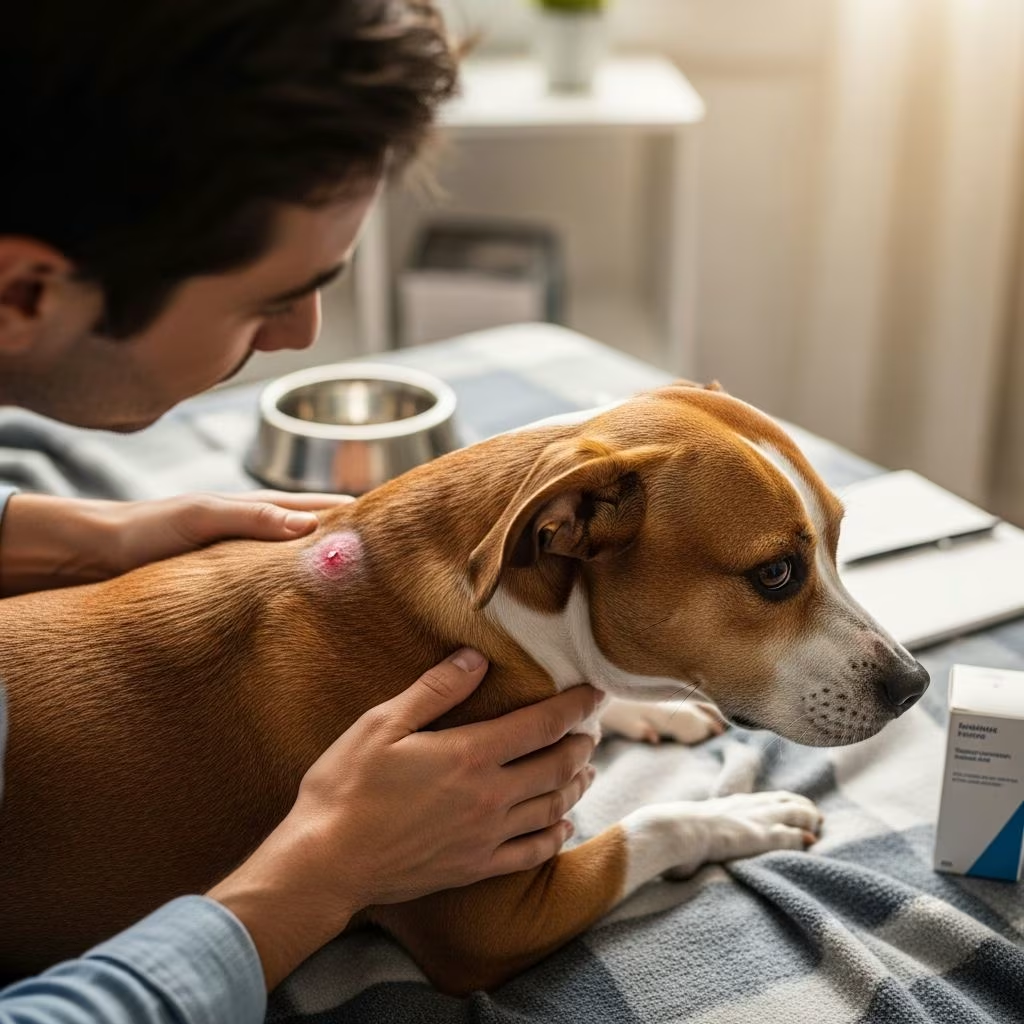
Revolution, containing the active ingredient selamectin, represents one of the most widely prescribed parasiticide treatments for dogs, offering broad-spectrum protection against fleas, ticks, heartworms, and mites. However, like all pharmaceutical interventions, this topical solution carries the potential for unwanted effects in some animals. Understanding the range of possible adverse reactions—from minor localized responses to more serious systemic complications—enables dog owners to make informed decisions about their pet’s parasite prevention strategy and recognize warning signs that warrant veterinary attention.
The Mechanism Behind Adverse Reactions
Revolution functions by employing selamectin, a neurotoxic compound that induces neuromuscular paralysis in parasites upon contact. While this mechanism effectively eliminates external and internal parasites, the chemical’s toxicity requires precise dosing to ensure safety. When applied according to veterinary specifications, the medication remains localized to the skin and is absorbed systemically in controlled amounts. Problems arise when dogs receive excessive doses, accidentally ingest the product, or possess underlying sensitivities to selamectin or other formulation components.
The application method itself plays a critical role in preventing certain adverse reactions. Revolution must be applied directly to the skin at the back of the neck where dogs cannot lick or groom the area, preventing accidental ingestion that could trigger gastrointestinal complications.
Localized Skin and Coat Complications
The most frequently reported adverse reaction involves manifestations at the application site itself. Dogs may experience temporary hair loss in the localized area where Revolution was administered, often accompanied by skin redness and irritation. This reaction typically affects only the immediate treatment zone and generally resolves without intervention within days to weeks.
In some cases, the skin irritation becomes more pronounced, with dogs developing moderate dermatitis that causes discomfort. Affected animals may resist touch around the application area or display signs of itching and inflammation. While most dogs tolerate Revolution application without significant skin complications, veterinary monitoring during the initial 24-48 hours post-application can identify problematic reactions early.
Pet owners applying Revolution should examine their dog’s skin thoroughly before administration to identify any pre-existing dermatological conditions that might increase sensitivity risk. Dogs with compromised skin barriers or previous adverse reactions to topical products warrant special consideration and potentially alternative parasite prevention strategies.
Gastrointestinal and Oral Manifestations
When dogs accidentally ingest Revolution—typically by licking the application site before the product fully dries—gastrointestinal upset frequently develops. The most common digestive signs include:
- Excessive drooling and hypersalivation
- Vomiting episodes
- Diarrhea, occasionally with bloody stools
- Loss of appetite and inappetance
- General stomach discomfort
Drooling often represents the earliest indicator of accidental ingestion or oral exposure to the medication. When accompanied by vomiting, this suggests the dog’s digestive system is attempting to eliminate the ingested substance. In most instances, these gastrointestinal effects remain mild and self-limiting, resolving once the body metabolizes and eliminates the medication.
However, bloody diarrhea or persistent vomiting warrants immediate veterinary evaluation, as these signs may indicate more severe gastrointestinal irritation or systemic complications. Owners should maintain contact with their veterinarian if digestive symptoms persist beyond a few hours or intensify over time.
Systemic and Neurological Effects
Beyond localized and gastrointestinal reactions, Revolution can trigger systemic complications affecting multiple body systems. These more serious adverse reactions occur less frequently but require prompt recognition and treatment:
| Symptom Category | Specific Signs | Severity Level | Timeline |
|---|---|---|---|
| Neurological | Muscle tremors, lack of coordination, muscle weakness, seizures | Moderate to Severe | Hours to days after application |
| Cardiovascular | Rapid breathing, elevated heart rate, weakness | Moderate | Hours after application |
| Behavioral | Lethargy, disorientation, abnormal vocalizations, personality changes | Moderate | Hours to weeks after application |
| Physical | Difficulty standing or walking, staggering, pushing against walls | Severe | Hours to days after application |
Muscle tremors and lack of coordination represent neurological manifestations that occur in approximately 1% of treated dogs during clinical trials. These signs suggest that selamectin has affected the central nervous system’s ability to coordinate muscular movements. Affected dogs may display stumbling, difficulty navigating familiar spaces, or an unsteady gait that resembles intoxication.
More concerning still, seizures and severe neurological disturbances have been documented in isolated cases, particularly when dogs received excessive doses or possessed undiagnosed sensitivity to selamectin. These reactions represent medical emergencies requiring immediate intensive veterinary care.
Serious Complications Associated with Heartworm-Positive Dogs
One of the most serious potential complications of Revolution therapy involves dogs with undetected heartworm infections. When selamectin is administered to heartworm-positive dogs, the medication rapidly kills larvae circulating in the bloodstream. This sudden massive die-off triggers a severe inflammatory cascade as the dog’s immune system responds to the sudden influx of parasite debris.
This phenomenon, known as the Jarisch-Herxheimer reaction, can produce life-threatening complications including:
- Severe weakness and collapse
- Respiratory distress and shortness of breath
- Cardiovascular shock
- Organ damage from inflammatory mediators
- Death in untreated cases
This is precisely why veterinarians mandate heartworm testing before initiating Revolution therapy. Dogs that test positive require a completely different treatment protocol involving gradual parasite elimination under close monitoring, rather than the standard monthly preventive application used for heartworm-negative animals.
Risk Factors and Predisposing Conditions
Not all dogs face equal risk of experiencing adverse reactions to Revolution. Several factors increase the likelihood of complications:
- Undetected heartworm infection: As discussed, heartworm-positive status represents the most serious contraindication
- Prior hypersensitivity: Dogs with documented allergies to selamectin or other formulation components require alternative treatments
- Overdosing: Exceeding the prescribed dose based on the dog’s weight dramatically increases adverse reaction risk
- Very small breeds: Toy and miniature breeds may be more sensitive to selamectin at standard doses
- Concurrent medications: Some drugs may interact with selamectin, increasing toxicity risk
- Compromised liver or kidney function: Dogs with organ dysfunction may struggle to metabolize and eliminate the medication
- Pre-existing seizure disorders: Dogs with epilepsy face increased seizure risk from neurologically active medications
Minimizing Risk and Supporting Safe Administration
Pet owners can implement several practical strategies to reduce the likelihood of adverse reactions when Revolution therapy becomes necessary:
Proper Application Technique: Always apply Revolution to the skin at the nape of the neck where the dog cannot reach by licking or grooming. Divide longer coats to ensure the product contacts skin rather than remaining on fur. Never apply to irritated, broken, or infected skin.
Timing Considerations: Administer Revolution in the morning, allowing daylight hours to observe your dog for any emerging adverse reactions. This timing enables same-day veterinary consultation if problems develop.
Monitoring Protocol: Observe your dog closely for 48 hours post-application, noting any changes in behavior, physical symptoms, or signs of distress. Keep a log of observations to share with your veterinarian if concerns arise.
Pre-treatment Screening: Ensure your veterinarian conducts appropriate pre-treatment evaluations including heartworm testing, physical examination, and review of medical history and current medications.
Hydration Support: Encourage adequate water intake following application to support the body’s natural elimination processes. Some owners find offering small amounts of water frequently throughout the day helpful for dogs experiencing mild gastrointestinal upset.
When to Seek Emergency Veterinary Care
Certain symptoms warrant immediate veterinary attention regardless of suspected severity. Contact an emergency veterinary clinic if your dog experiences:
- Difficulty breathing or respiratory distress
- Facial swelling or hives suggesting allergic reaction
- Severe lethargy or apparent collapse
- Inability to stand or walk normally
- Persistent or severe vomiting
- Seizure activity
- Loss of consciousness
- Severe drooling accompanied by other symptoms
For less acute concerns such as mild skin irritation, temporary hair loss, or minimal gastrointestinal upset, veterinary evaluation during regular business hours remains appropriate, though these generally resolve without treatment.
Frequently Asked Questions
How common are adverse reactions to Revolution in dogs?
Less than 1% of dogs receiving Revolution at prescribed doses experience adverse reactions, making serious complications quite rare. Localized skin effects at the application site prove more common but typically mild and transient.
Can Revolution cause permanent damage?
Most adverse reactions from Revolution are temporary and self-resolving. Permanent damage is extremely uncommon, though severe reactions left untreated could potentially result in lasting harm. Prompt veterinary care minimizes this risk substantially.
Is Revolution safe for all dog breeds?
Revolution is generally safe for most dogs, but certain breeds and individuals with specific medical conditions may face increased risk. Small breed dogs and those with seizure disorders require veterinary assessment before use.
What should I do if my dog licks the Revolution application site?
Contact your veterinarian promptly if you observe your dog licking the application area. Gastrointestinal signs may develop including drooling and vomiting. Monitor closely and seek veterinary advice if symptoms emerge or intensify.
Why is heartworm testing essential before Revolution therapy?
Revolution can trigger a dangerous inflammatory reaction in heartworm-positive dogs as the medication kills circulating larvae. Heartworm testing identifies these at-risk dogs, allowing for safer alternative treatment protocols.
Conclusion: Balancing Benefits and Risks
Revolution represents an effective, widely-used parasiticide offering valuable protection against multiple dangerous parasites. While serious adverse reactions remain uncommon, awareness of potential complications enables responsible pet ownership and appropriate medical decision-making. Through proper application technique, thorough pre-treatment screening, close monitoring, and recognition of warning signs, dog owners can safely utilize this medication as part of comprehensive parasite prevention strategies. Ongoing communication with veterinary professionals ensures that individual dogs receive treatments optimally suited to their specific health profiles and risk factors.
References
- Revolution for Dogs: Uses, Dosage, Side Effects — GoodRx. 2024. https://www.goodrx.com/pet-health/dog/revolution-for-dogs
- Revolution for Dogs Side Effects — EntirelyPets Pharmacy. 2024. https://entirelypetspharmacy.com/revolution-for-dogs-side-effects.html
- Revolution Heartworm Flea Topical for Cats & Dogs — PetCareRx. 2024. https://www.petcarerx.com/revolution/10774
- Possible Side Effects of Revolution® and Revolution® Plus in Cats and Dogs — PetMD. 2024. https://www.petmd.com/pet-medication/revolution
- Revolution for Pets – Benefits and Side Effects — CanadaPetCare. 2024. https://www.canadapetcare.com/blog/revolution-for-pets-benefits-and-side-effects/
- The Side Effects of Revolution Pet Treatment — PetBucket. 2024. https://www.petbucket.com/blog/59826/the-side-effects-of-revolution-pet-treatment.html
- Fact Sheet for Pet Owners and Veterinarians about Potential Adverse Events Associated with Flea Products — U.S. Food and Drug Administration. 2024. https://www.fda.gov/animal-veterinary/animal-health-literacy/fact-sheet-pet-owners-and-veterinarians-about-potential-adverse-events-associated-isoxazoline-flea



