

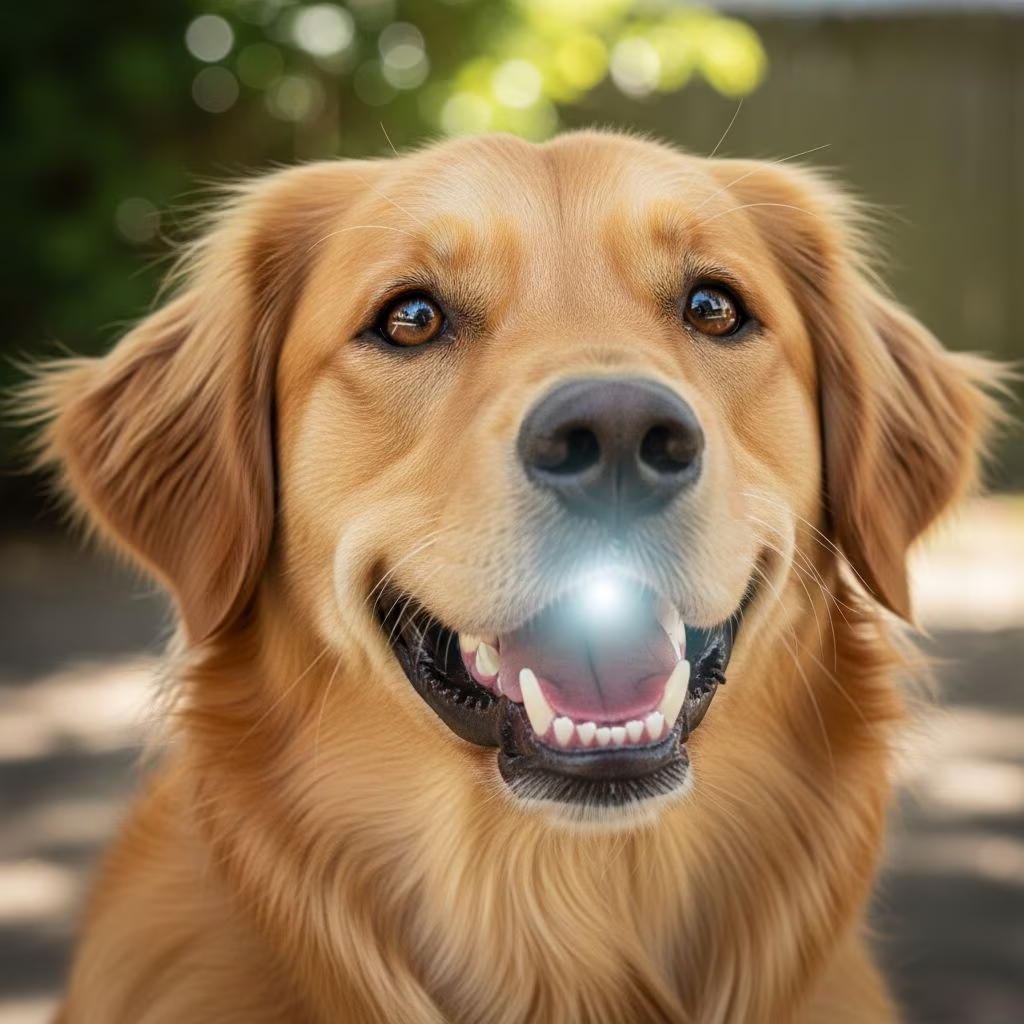
Bad breath in dogs, known medically as halitosis, affects millions of pets and often signals underlying issues beyond just diet. While occasional odors might stem from a recent meal, persistent foul smells usually point to dental problems or more serious conditions, requiring prompt attention to safeguard your dog’s overall wellness.
Decoding the Root Causes of Canine Halitosis
Understanding why your dog’s breath smells bad is the first step toward effective solutions. The primary culprit in most cases is poor oral hygiene, but other factors can contribute significantly.
Primary Dental Culprits
Dental disease tops the list as the leading cause of bad breath in dogs. Plaque—a sticky film of bacteria, food particles, and saliva—forms on teeth and hardens into tartar if not removed. This buildup fosters bacterial growth, leading to gingivitis and periodontal disease, which produce volatile sulfur compounds responsible for the stench. Dogs with crowded or misaligned teeth face higher risks, as these anomalies trap debris more easily.
Infections in the Mouth and Beyond
Oral infections, including those affecting teeth, gums, lips, or tongue, release foul odors as bacteria proliferate. Respiratory infections can also contribute, altering breath quality through post-nasal drip or sinus issues. In severe cases, abscesses or decaying teeth amplify the problem, demanding veterinary intervention.
Systemic Diseases Signaling Trouble
Not all bad breath originates in the mouth. Kidney disease causes uremia, where toxins like urea accumulate, lending an ammonia-like urine scent to the breath. Liver dysfunction may produce a sweet or musty odor due to metabolic byproducts. Diabetes often results in fruity breath from acetone buildup. These systemic issues highlight why ignoring halitosis can miss critical health red flags[10].
Dietary and Behavioral Contributors
Raw or home-cooked diets can disrupt oral and gut bacteria balance, promoting Salmonella overgrowth and odors. Eating feces, toxic substances, or foreign objects like cigarettes introduces specific smells—rotting for plants, nicotine for tobacco. Dietary deficiencies from unbalanced meals exacerbate plaque formation.
Spotting Warning Signs Early
Monitor for more than just smell: red or swollen gums, loose teeth, excessive drooling, pawing at the mouth, or difficulty eating indicate advancing problems. Sudden changes in older dogs warrant immediate vet visits, as early detection improves outcomes.
Proven Daily Care Routines for Fresher Breath
Consistent home maintenance prevents 80-90% of dental issues when paired with professional care. Start with these evidence-based practices.
- Tooth Brushing Protocol: Brush 2-3 times weekly using a soft dog-specific toothbrush and enzymatic toothpaste (never human varieties, which can be toxic). Target back molars and gumlines where plaque hides. Follow with diluted chlorhexidine rinse or peroxide to curb bacteria regrowth.
- Tongue Scraping: Gently scrape the tongue to dislodge odor-causing bacteria, enhancing brushing efficacy.
- Water Additives and Rinses: Add unflavored dental water additives daily to inhibit plaque without altering taste.
Selecting the Right Tools and Products
Opt for Veterinary Oral Health Council (VOHC)-approved items, ensuring proven efficacy. Finger brushes suit beginners, while dual-ended brushes handle larger breeds.
Nutritional Strategies to Combat Odors
Diet plays a pivotal role in oral health. Switch to VOHC-endorsed dental kibbles with coarse textures that mechanically scrape teeth during chewing, reducing tartar by up to 70%.
| Dental Diet Type | Key Benefits | Suitable Breeds |
|---|---|---|
| Large-Kibble Formulas | Scrapes plaque; fiber aids digestion | Medium-Large |
| Soft Dental Treats | Enzymatic action; low-calorie | All Sizes |
| Prescription Diets | Targets severe cases; vet-recommended | Seniors/At-Risk |
Avoid raw diets without veterinary nutritionist oversight to prevent bacterial imbalances.
Chews, Toys, and Supplements That Deliver Results
Dental chews mechanically remove plaque while enzymes break down bacteria. Choose VOHC-sealed products to avoid sugar-laden treats that worsen issues.
- Rawhide alternatives with nylon or rubber for durability.
- Freeze-dried meats infused with probiotics for gut-oral health links.
- Supplements like parsley or chlorophyll for natural deodorizing (consult vet first).
Interactive toys dispense treats, encouraging chewing while cleaning.
Professional Interventions for Stubborn Cases
Annual vet dental cleanings under anesthesia remove sub-gingival tartar unreachable at home. Treatments may include antibiotics for infections, extractions for damaged teeth, or sealants to protect enamel. For systemic causes, diagnostics like bloodwork pinpoint issues, followed by tailored therapies.
Age-Specific Approaches to Oral Wellness
Puppies and Young Dogs
Establish brushing early with flavored pastes. Provide soft chews to accommodate developing teeth.
Adult Dogs
Daily routines prevent progression. Monitor for breed predispositions like small dogs’ crowded teeth.
Senior Dogs
Gentler tools and softer diets accommodate arthritis. Frequent vet checks screen for organ decline.
Breed Considerations and Risk Factors
Brachycephalic breeds (e.g., Bulldogs) suffer higher halitosis rates due to malocclusions. Small breeds accumulate tartar faster from softer foods. Tailor care accordingly.
FAQs on Dog Breath Freshening
Is bad breath normal in dogs?
No, persistent halitosis indicates problems needing attention, unlike puppy breath which is naturally milder.
How often should I brush my dog’s teeth?
Aim for daily, minimum 2-3 times weekly for optimal results.
Can diet alone fix bad breath?
Dental diets help but pair with brushing for best outcomes; severe cases require vet care.
What if my dog resists brushing?
Use treats during sessions, start slow, or opt for chews/water additives as alternatives.
When is bad breath an emergency?
If accompanied by lethargy, vomiting, or urine-like smells, seek vet care immediately.
Long-Term Prevention Blueprint
Combine routines: brush regularly, feed dental diets, offer chews, schedule cleanings, and attend check-ups. Track progress with photos of teeth monthly. This holistic approach not only freshens breath but boosts longevity by preventing pain and disease[10]. Educate family on consistency for multi-pet homes.
By addressing halitosis proactively, you enhance your dog’s quality of life, avoiding costly treatments down the line. Consult your vet for personalized plans, especially with pre-existing conditions.
References
- Bad Breath in Dogs: Causes and Remedies — Newport Center Animal Hospital. 2023. https://newportcenterah.com/bad-breath-in-dogs-causes-and-remedies/
- Why Your Dog’s Breath Smells and What You Can Do About It — McCawley Animal Hospital. 2024. https://www.mccawley.com/why-your-dogs-breath-smells-and-what-you-can-do-about-it/
- Dog Bad Breath: Causes, Prevention, and Solutions — St. Paul Pet Hospital. 2023. https://stpaulpet.com/blog/dog-bad-breath/
- Bad Breath in Dogs: Causes and Treatment — PetMD. 2024. https://www.petmd.com/dog/symptoms/bad-breath-dogs-causes-treatment
- Bad Breath in Dogs: Causes & Remedies — Heart of Brooklyn Veterinary. 2023-10-31. https://www.heartofbrooklynveterinary.com/site/blog/2023/10/31/bad-breath-dogs–causes-remedies
- Bad Breath in Dogs: Causes & Remedies — Eastham Veterinary Hospital. 2023-10-15. https://www.easthamvet.com/site/blog/2023/10/15/bad-breath-dogs–causes-remedies
- Bad Breath in Dogs: Causes & Remedies — Choice Veterinary Hospital. 2024-03-15. https://www.choicevs.com/site/blog/2024/03/15/bad-breath-dogs



