

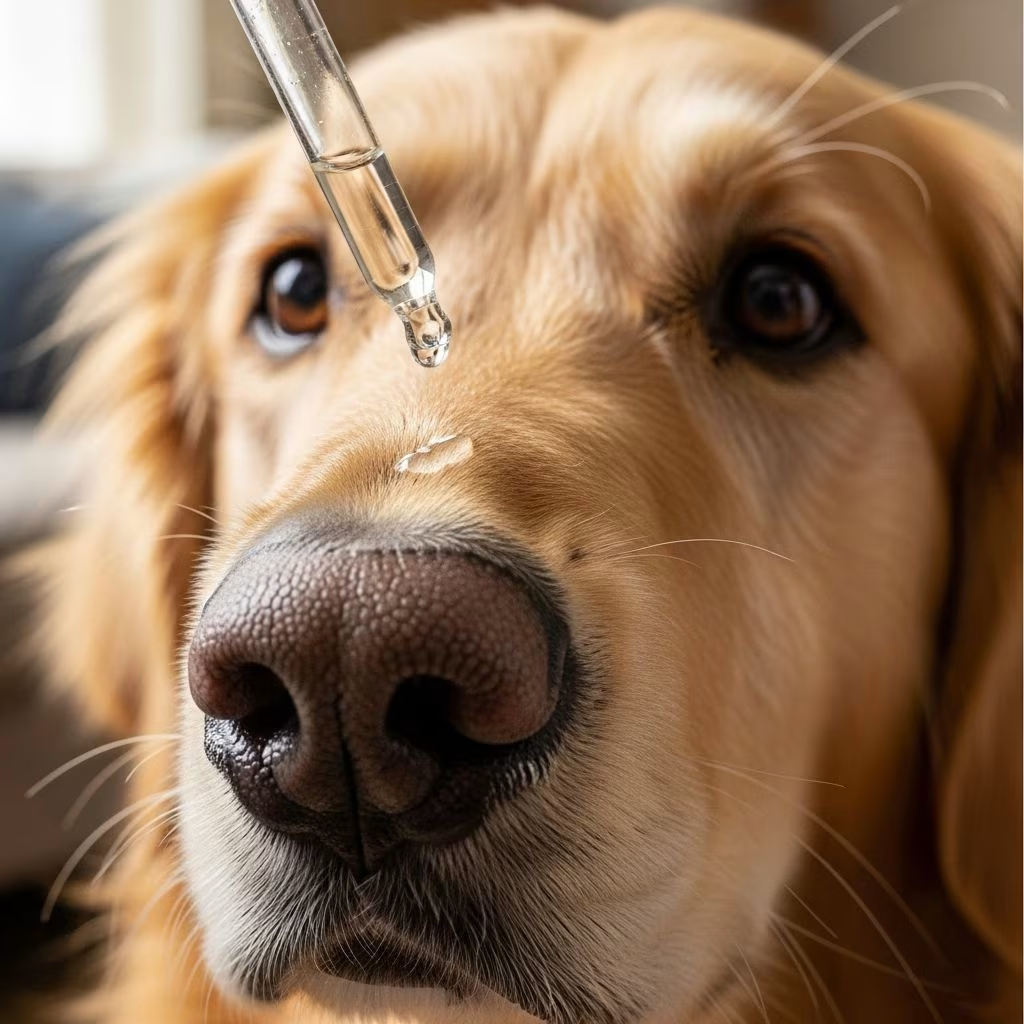
A dry nose on a dog is a frequent worry for pet owners, but it often signals nothing serious. While a moist nose is typical, dryness can arise from benign factors or point to health concerns requiring attention.
Understanding the Normal Dog Nose
Dogs possess a nose engineered for scent detection, featuring a moist surface from glands and frequent licking. This moisture aids in capturing odors, but fluctuations are common and not always problematic. Environmental shifts or rest periods can temporarily alter nose texture without harm.
Everyday Factors Leading to Dryness
Several non-medical issues contribute to a dry dog nose. Recognizing these helps distinguish routine occurrences from potential problems.
- Sleep and naps: During rest, dogs lick less, allowing the nose to dry out naturally. Older dogs, who nap more, often show this trait.
- Dehydration: Insufficient water intake from heat, exercise, or illness reduces overall moisture, affecting the nose first. Check for signs like sunken eyes, sticky gums, or poor skin elasticity.
- Environmental dryness: Low humidity, heated indoor air, or arid climates strip natural oils from the nose.
- Sun exposure: UV rays can dry and burn light-colored noses, especially in short-nosed breeds.
When Dryness Signals Health Issues
Persistent or extreme dryness, cracking, or crusting warrants closer inspection. Various conditions can manifest this way.
Allergies and Irritants
Environmental allergens like pollen or food sensitivities inflame nasal tissues, prompting excessive licking that dries the area. Discharge may crust over, worsening appearance.
Infections
Bacterial, fungal, or viral infections alter moisture levels. Respiratory illnesses might start with discharge that dries into crusts. Rare but severe cases like distemper in unvaccinated dogs harden the nose leather.
Autoimmune Conditions
Disorders such as discoid lupus erythematosus or pemphigus attack nasal skin, causing cracking, bleeding, and depigmentation. Diagnosis involves biopsies and blood tests, with treatments like immunosuppressants.
Hyperkeratosis
This genetic overgrowth of keratin thickens and cracks the nose, common in breeds like Bulldogs, Labradors, and Cocker Spaniels. It’s chronic but manageable.
Nutritional Deficiencies
Zinc shortages, especially in northern breeds like Huskies, lead to crusty noses. Imbalanced diets or absorption issues exacerbate this.
Other Concerns
Blocked tear ducts, dry eye (KCS), or systemic fever can indirectly dry the nose by disrupting moisture balance.
Safe Home Remedies for Mild Cases
For temporary dryness, gentle interventions restore comfort without vet visits.
- Boost hydration with constant fresh water access, wet food, or broth-infused meals.
- Employ a humidifier to combat indoor dryness, particularly in winter.
- Apply vet-approved balms with shea butter, coconut oil, or vitamin E twice daily.
- Shield from sun using pet-safe sunscreen on pale noses.
- Gently clean crusts with warm water and a soft cloth; avoid harsh scrubbing.
Avoid human products like Vaseline, which can irritate or be ingested harmfully.
Veterinary Interventions for Serious Cases
Consult a vet for cracking, bleeding, odor, or accompanying symptoms like lethargy.
| Condition | Common Treatments |
|---|---|
| Dehydration | Fluid therapy, monitoring |
| Infections | Antibiotics, antifungals |
| Allergies | Antihistamines, hypoallergenic diets |
| Hyperkeratosis | Moisturizers, keratolytic shampoos |
| Zinc Deficiency | Supplements, diet change |
| Autoimmune | Immunosuppressants like prednisone |
Biopsies confirm diagnoses for chronic issues, guiding tailored plans.
Breeds at Higher Risk
Certain dogs face elevated chances due to genetics or anatomy.
- Brachycephalic types (Pugs, French Bulldogs) with short snouts.
- Labrador and Golden Retrievers prone to hereditary hyperkeratosis.
- Northern breeds (Siberian Huskies, Samoyeds) for zinc issues.
- Senior dogs with thinner skin.
Daily Care Routines for Optimal Nose Health
Proactive habits prevent recurrence, especially for vulnerable pups.
- Inspect nose weekly for texture changes, cracks, or color shifts.
- Maintain 40-60% home humidity.
- Incorporate omega-3/6 fatty acids via fish oil for skin support.
- Limit peak sun outings; use protective gear.
- Feed AAFCO-approved diets balancing zinc and nutrients.
Recognizing When to Act Urgently
Seek immediate care if dryness accompanies:
- Bleeding, sores, or foul odor.
- Swelling, discharge, or sneezing.
- Lethargy, appetite loss, or vomiting.
- Sudden pigmentation loss.
These suggest infections, autoimmune flares, or dehydration needing prompt fluids.
FAQs
Is a dry nose always bad for dogs?
No, it’s often normal after sleep or in dry air, but monitor for persistence.
Can I use coconut oil on my dog’s nose?
Yes, sparingly as a natural moisturizer, but opt for formulated balms for best results.
How do I check dehydration in my dog?
Pinch skin on the neck; it should snap back quickly. Check gums for moisture and eyes for sunken appearance.
Does breed matter for nose problems?
Absolutely—short-nosed and certain hunting breeds are genetically predisposed.
What diet helps prevent dry noses?
One rich in essential fatty acids, zinc, and hydration-promoting foods.
Long-Term Strategies for Resilience
Chronic management involves routine moisturizing, dietary tweaks, and environmental tweaks. For hyperkeratosis, weekly gentle exfoliation under vet guidance prevents buildup. Track progress with photos to share at checkups.
Nutritional boosts like omega supplements reduce inflammation, while consistent vet monitoring catches escalations early. Hydration remains foundational—encourage drinking with fountains or flavored waters.
By blending home care with professional oversight, most dogs enjoy supple noses year-round, enhancing their sniffing adventures and comfort.
References
- Is Dry Nose a Sign of Illness in Dogs? — PetMD. 2023. https://www.petmd.com/dog/conditions/respiratory/dry-nose-sign-illness-dogs
- Crusty Nose on Dog: Causes and Treatments Explained — Superior Care Pet. 2024-01-15. https://www.superiorcare.pet/blogs/news/crusty-nose-on-dog-causes-and-treatments-explained
- Should You Worry if Your Dog’s Nose is Dry? — Brown Vet Hospital. 2023-05-10. https://brownvethospital.com/blog/should-you-worry-if-your-dogs-nose-is-dry/
- Dogs and Dry Noses | Causes & Easy Solutions — Lolahemp. 2024. https://lolahemp.com/blogs/dog-health/why-is-my-dogs-nose-dry
- Is this why your dog’s nose is dry and crusty? — Wisdom Panel. 2023-08-20. https://www.wisdompanel.com/en-us/blog/dry-nose-hyperkeratosis



