Reviving Your Cat: Dehydration Detection and Care
Learn essential steps to spot, treat, and prevent dehydration in cats for a healthier, happier feline companion.
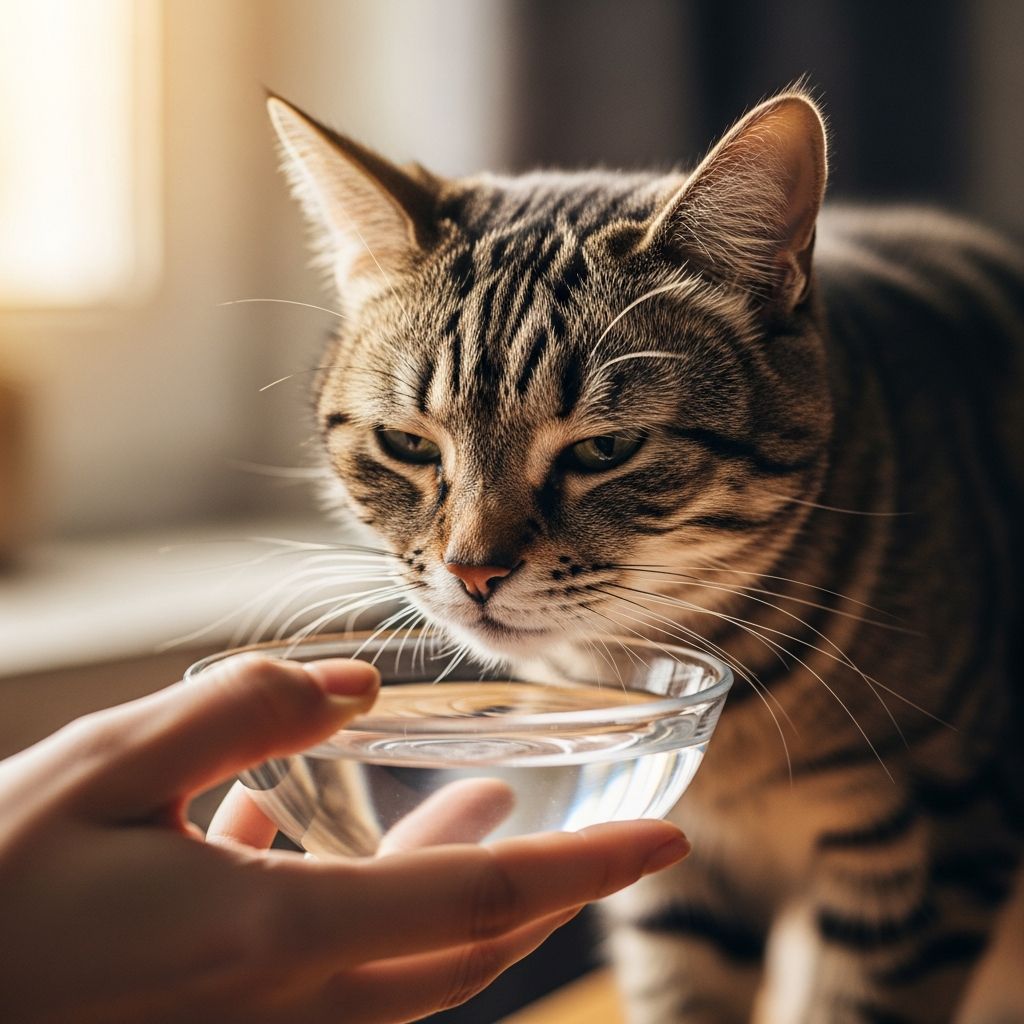
Dehydration in cats happens when fluid loss exceeds intake, disrupting vital bodily functions and potentially leading to serious health complications if not addressed promptly. Cats, with their naturally low thirst drive, are particularly vulnerable, especially those on dry food diets or suffering from underlying illnesses.
Why Hydration Matters for Feline Health
Water constitutes about 70-80% of a cat’s body weight and is crucial for temperature regulation, digestion, nutrient transport, and waste elimination. Without adequate hydration, organs like the kidneys strain, circulation slows, and toxins accumulate, escalating risks of organ failure. Chronic low-level dehydration often signals deeper issues such as kidney disease or diabetes, making early detection essential.
Common Triggers Behind Feline Dehydration
Several factors can tip a cat into dehydration. Understanding these helps in proactive management.
- Restricted Water Access: Dirty bowls, frozen water in cold weather, or confinement without refreshment prevent drinking.
- Illness-Related Losses: Vomiting, diarrhea, or excessive urination from conditions like diabetes, hyperthyroidism, or kidney disease rapidly deplete fluids.
- Dietary Shortfalls: Exclusive dry kibble provides minimal moisture, unlike wet food which boosts intake.
- Environmental Stressors: Heatstroke, fever, or high activity in warm conditions increase fluid needs.
- Behavioral Factors: Stress, dental pain, or weakness from illness reduces willingness to drink.
These triggers often overlap; for instance, a cat with kidney issues may urinate more while feeling too lethargic to drink.
Spotting the Warning Signs Early
Recognizing dehydration starts with observing subtle changes before they worsen.
| Symptom | Description | Severity Level |
|---|---|---|
| Lethargy and Weakness | Cat appears unusually tired, reluctant to move or play | Mild to Severe |
| Skin Tent Test Failure | Pinch skin on neck; it stays tented instead of snapping back | Moderate |
| Sunken Eyes | Eyes appear recessed in sockets | Severe |
| Dry, Tacky Gums | Gums lack moisture, feel sticky with thick saliva | Mild to Moderate |
| Reduced Appetite | Cat skips meals or eats less | Mild |
| Infrequent Urination | Small, dark urine output or straining | Moderate to Severe |
Perform the skin elasticity test gently: normal hydration allows immediate recoil. Severe signs like rapid heartbeat or cold extremities demand immediate vet care, as they signal potential shock or organ compromise.
Immediate At-Home Interventions
For mild cases without vomiting, encourage voluntary intake first.
- Place multiple clean bowls or a flowing fountain to entice drinking, as moving water appeals to cats’ instincts.
- Mix low-sodium chicken broth or tuna water into their regular water for flavor.
- Switch to or add wet food, which is 75-80% moisture, gradually increasing hydration.
- Offer ice cubes to lick, slowing intake and cooling the cat.
- Moisten dry kibble with warm water or vet-approved electrolyte solutions.
Monitor closely: small, frequent offerings prevent overwhelming the stomach. If no improvement in hours or symptoms worsen, escalate to professional help.
Professional Treatment Options Explained
Veterinarians tailor therapy based on severity after exams, bloodwork, and urinalysis confirm dehydration and pinpoint causes.
- Oral Rehydration: For mild cases, enhanced water or unflavored Pedialyte (vet-dosed).
- Subcutaneous Fluids: Injections under skin deliver 100-250ml slowly absorbed over hours; ideal for home administration in chronic cases like kidney disease.
- Intravenous (IV) Therapy: Hospitalization with direct vein fluids for rapid rehydration in severe scenarios, often with electrolytes.
- Addressing Root Causes: Medications for vomiting (antiemetics), insulin for diabetes, or dialysis support for kidneys.
Prognosis improves with swift intervention; mild cases recover in days, while severe ones tied to chronic illness may require ongoing management.
Long-Term Strategies to Prevent Recurrence
Prevention focuses on lifestyle adjustments.
- Ensure constant fresh water access in appealing locations, cleaned daily.
- Balance diet with at least 25% wet food to meet moisture needs.
- Schedule bi-annual vet checkups to catch issues like hyperthyroidism early.
- Use automatic feeders and fountains for multi-cat homes or busy owners.
- Monitor seniors or breeds prone to kidney issues (e.g., Persians) extra closely.
In hot climates, provide shaded cool spots and extra water stations.
Special Considerations for Vulnerable Cats
Kittens, seniors, and those with conditions like chronic kidney disease (affecting 30-50% of cats over 10) face heightened risks. These cats may need routine subcutaneous fluids weekly, taught by vets for home use. Outdoor cats risk toxin exposure or fights reducing intake, so indoor hydration routines are safer.
Frequently Asked Questions (FAQs)
How long can a cat go without water?
Cats survive 3-4 days without water, but dehydration sets in within 24 hours, risking permanent damage.
Is Pedialyte safe for cats?
Diluted, unflavored versions can help mildly, but consult a vet for dosage to avoid electrolyte imbalance.
Can dry food alone cause dehydration?
Yes, as it lacks moisture; supplement with wet food or water additives.
What if my cat won’t drink after fluids?
Underlying pain or illness may be at play—seek vet evaluation immediately.
How do I know if subcutaneous fluids are needed?
Vets recommend based on persistent symptoms or chronic disease; training ensures safe home use.
This guide empowers cat owners to safeguard hydration, blending vigilance with action for optimal feline wellness.
References
- Dehydration in Cats – Causes, Treatment and Associated Conditions — Vetster. 2023. https://vetster.com/en/conditions/cat/dehydration
- Dehydration in Dogs & Cats: Signs, Causes, Treatment & Prevention — UrgentVet. 2024. https://urgentvet.com/dehydration-in-dogs-cats-signs-causes-treatment-prevention/
- Cat Dehydration: Signs, Symptoms, and Treatments — Lane Veterinary. 2023. https://lanevet.com/blog/cat-dehydration-signs-symptoms-and-treatments/
- Hydration — Cornell University College of Veterinary Medicine. 2022-10-15. https://www.vet.cornell.edu/departments-centers-and-institutes/cornell-feline-health-center/health-information/feline-health-topics/hydration
- Cat Dehydration: Symptoms, Causes, and Treatments — WebMD. 2024. https://www.webmd.com/pets/cats/dehydration-cats
Similar Articles







Read full bio of medha deb