

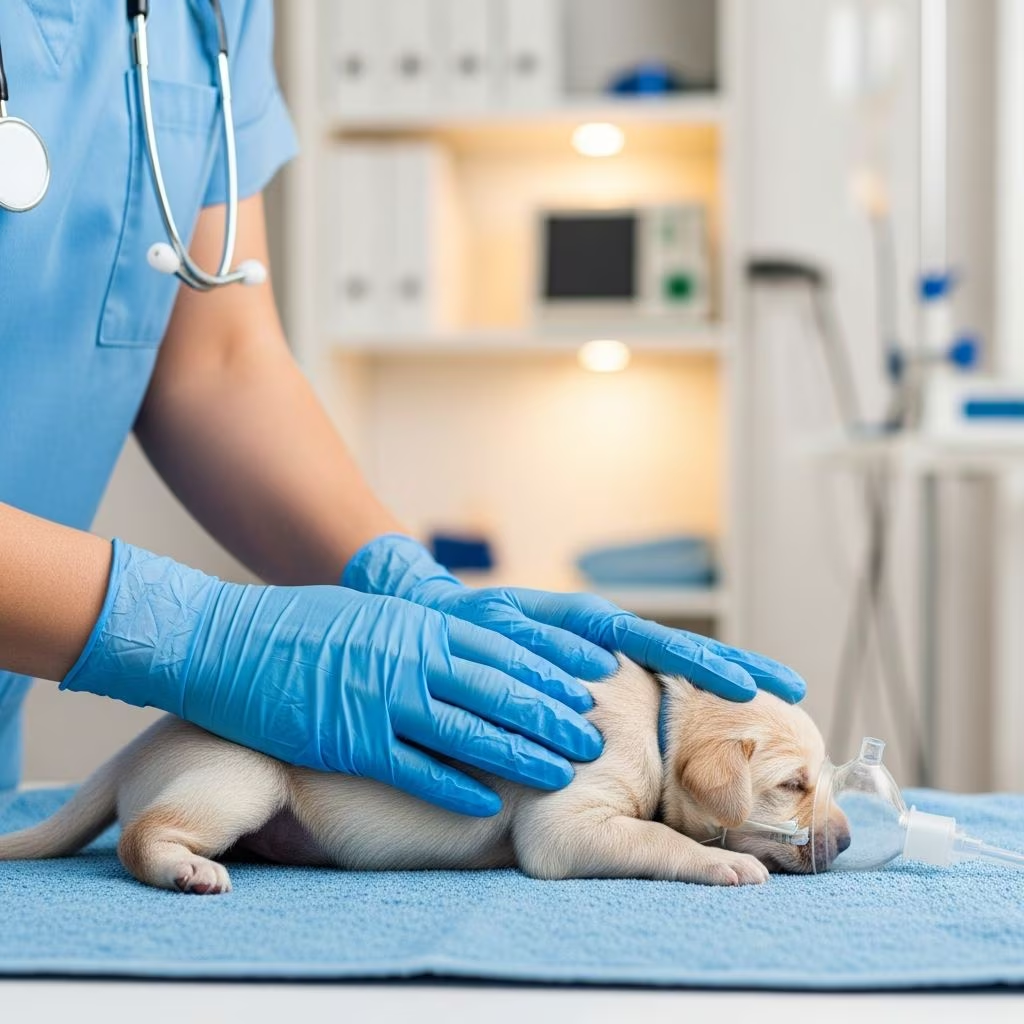
Newborn puppies face unique vulnerabilities in their first hours of life, where quick intervention can mean the difference between survival and loss. Understanding how to perform CPR tailored to these tiny creatures equips breeders, veterinarians, and caring owners with life-saving skills. This guide draws from veterinary best practices to outline safe, effective resuscitation steps.
Understanding Neonatal Vulnerabilities
Freshly born puppies often struggle with fluid in their airways, weak heartbeats, or insufficient breathing due to complications like dystocia or maternal neglect. Unlike adult dogs, their small size and underdeveloped systems demand gentle, precise techniques to avoid injury. Veterinary experts emphasize prioritizing airway clearance before any compressions, as most failures stem from blocked passages rather than cardiac arrest.
Statistics from veterinary studies show that up to 20-30% of litters may require some assistance at birth, highlighting the need for preparation. Recognizing signs like limpness, blue gums, or no chest movement is crucial for timely action.
Initial Assessment and Preparation
Before starting CPR, ensure a warm, stable environment—hypothermia exacerbates distress in neonates. Use a padded surface at heart level and gather tools: clean towels, bulb syringe, DeLee mucus trap, and a stethoscope if available. Assess the puppy’s condition by checking for movement, breathing, and heartbeat.
- Check responsiveness: Gently rub the puppy’s body with a warm towel to stimulate breathing and circulation.
- Monitor vital signs: Feel for a heartbeat behind the left elbow or listen with a stethoscope; normal neonatal rate is 200-300 beats per minute.
- Position correctly: Place on a firm, flat surface with head slightly elevated to aid drainage.
Step-by-Step Airway Clearance
The foundation of newborn puppy CPR is ensuring a clear airway, as fluids or membranes from birth often obstruct it. Start by wiping away any visible coverings with a soft, warm cloth.
- Gently remove membranes: Use gauze or a towel to dab the mouth and nose without rubbing harshly, preserving delicate tissues.
- Drain fluids: Hold the puppy head-down at a 45-degree angle or elevate hindquarters to let gravity assist. Swing gently if needed, but avoid excessive force.
- Suction carefully: Employ a bulb syringe for thick mucus or DeLee trap for thinner fluids. Pull the tongue forward and suction only as needed—over-suction risks trauma.
Veterinarian recommendations stress manual methods over mechanical suction to prevent damage. Rubbing the chest and back with a towel can also expel fluids and trigger spontaneous respiration.
Administering Rescue Breaths
If no breathing occurs post-clearance, provide mouth-to-snout ventilation. Newborn lungs are tiny, so use puffs rather than full breaths to prevent overinflation.
| Technique | Details | Frequency |
|---|---|---|
| Mouth-to-Snout | Seal lips over nostrils, tongue out; deliver gentle puffs watching chest rise. | 15-30 breaths/min or 1 every 3 seconds |
| Bulb Syringe Aid | Attach to mouth for controlled air if hands-free needed. | Every 5 seconds if heartbeat present |
Extend the neck slightly for alignment. If the chest rises visibly without excessive expansion, the volume is correct. Continue for 1 minute before reassessing heartbeat.
Performing Chest Compressions
Reserve compressions for absent heartbeat after airway and breaths. Use thumb-and-forefinger encirclement at the chest’s widest point, compressing one-third to half the thorax depth.
- Rate: 120 compressions per minute—sync to “Stayin’ Alive” rhythm for accuracy.
- Ratio: 4:1 (compressions to breaths) for synchronized efforts.
- Depth and support: One hand under the puppy for stability; alternate fingers if solo.
For optimal results, integrate breaths seamlessly: compress, release, breathe. Fatigue sets in quickly, so swap rescuers every 2 minutes if possible.
Adapting for Larger Puppies or Litters
While focused on newborns, techniques scale for slightly older pups under 5kg. Wrap hand around chest for squeezes or use palm stacks for bigger ones. Deep-chested breeds need heart-specific placement; flat-chested stay supine.
In litters, triage: prioritize vigorous rub-downs for multiple weaklings before intensive CPR on the most critical.
Post-Resuscitation Care
Success shows as pinking gums, regular breathing, and movement. Warm immediately (95-99°F rectal), stimulate nursing, and monitor for 24 hours. Weak pups may need tube-feeding or oxygen—seek vet care promptly.
Track vitals: weight hourly, heart rate, and respiration. Hypoglycemia is common; rub honey on gums if delayed feeding.
Common Pitfalls and Prevention
Avoid over-compression causing rib fractures or excessive breaths leading to gastric distension. Common errors include poor hand placement and ignoring warmth.
- Too shallow compressions—aim deeper confidently.
- Forgetting airway first—always ABCs.
- Cold environment—use incubators or heat pads.
Prevention via whelping kits, dam monitoring, and training boosts success. Courses from veterinary colleges offer hands-on practice.
Training and Resources for Owners
Pet owners benefit from pet CPR certification, adapting human infant protocols. Online videos demonstrate ratios, but hands-on trumps theory.
Join breeder forums cautiously, prioritizing vet-sourced info. Stock supplies: syringes, traps, towels.
Frequently Asked Questions
How long should I perform CPR on a newborn puppy?
Continue until heartbeat returns or vet arrives—up to 20-30 minutes possible, but reassess every 2 minutes.
Can I hurt the puppy with CPR?
Gentle technique minimizes risks; fractures rare if depth controlled. Stop if severe resistance.
What if the mother rejects the revived puppy?
Hand-rear with colostrum substitute, fostering if possible.
Is CPR effective for newborns?
Yes, with 40-60% survival in skilled hands per studies.
Tools needed for puppy CPR?
Bulb syringe, DeLee trap, warm towels, stethoscope, glucose.
Long-Term Monitoring After Revival
Revived puppies demand vigilant care. Weigh daily, ensure 8-12% body weight milk intake per feeding. Watch for fading puppy syndrome: lethargy, crying, diarrhea—intervene early with fluids.
Vet checkups within 24 hours confirm stability. Vaccinations and deworming follow at 6 weeks.
Breeds like brachycephalics (pugs) face higher risks; proactive C-sections reduce needs.
Success stories abound: videos show hour-long efforts reviving near-death pups via persistent rubs and breaths.
Empower yourself—practice on mannequins, prepare whelping areas. Your actions save lives.
References
- How To Give Your Puppy CPR – Infographic — Carrington College. 2023. https://carrington.edu/blog/how-to-give-a-puppy-cpr/
- CPR for Puppies and Kittens — Revival Animal Health. 2023. https://www.revivalanimal.com/learning-center/vet-minute-cpr-for-puppies-and-kittens
- Giving CPR to a Newborn Puppy For An Hour! | Full Episode — YouTube (Bondi Vet). 2020. https://www.youtube.com/watch?v=Qeo5JeMRDng
- CPR for Dogs and Puppies — PDSA. 2023-01-01. https://www.pdsa.org.uk/pet-help-and-advice/pet-health-hub/other-veterinary-advice/cpr-for-dogs-and-puppies
- Guy Revives Tiny Puppy With CPR — YouTube (The Dodo). 2023. https://www.youtube.com/watch?v=Aiy_XLhvOSQ
- RECOVER Guidelines: Newborn Resuscitation in Dogs and Cats — PMC/NCBI. 2024. https://pmc.ncbi.nlm.nih.gov/articles/PMC12374490/
- Management of the Neonate in Dogs and Cats — Merck Veterinary Manual. 2024. https://www.merckvetmanual.com/management-and-nutrition/management-of-the-neonate/management-of-the-neonate-in-dogs-and-cats



