

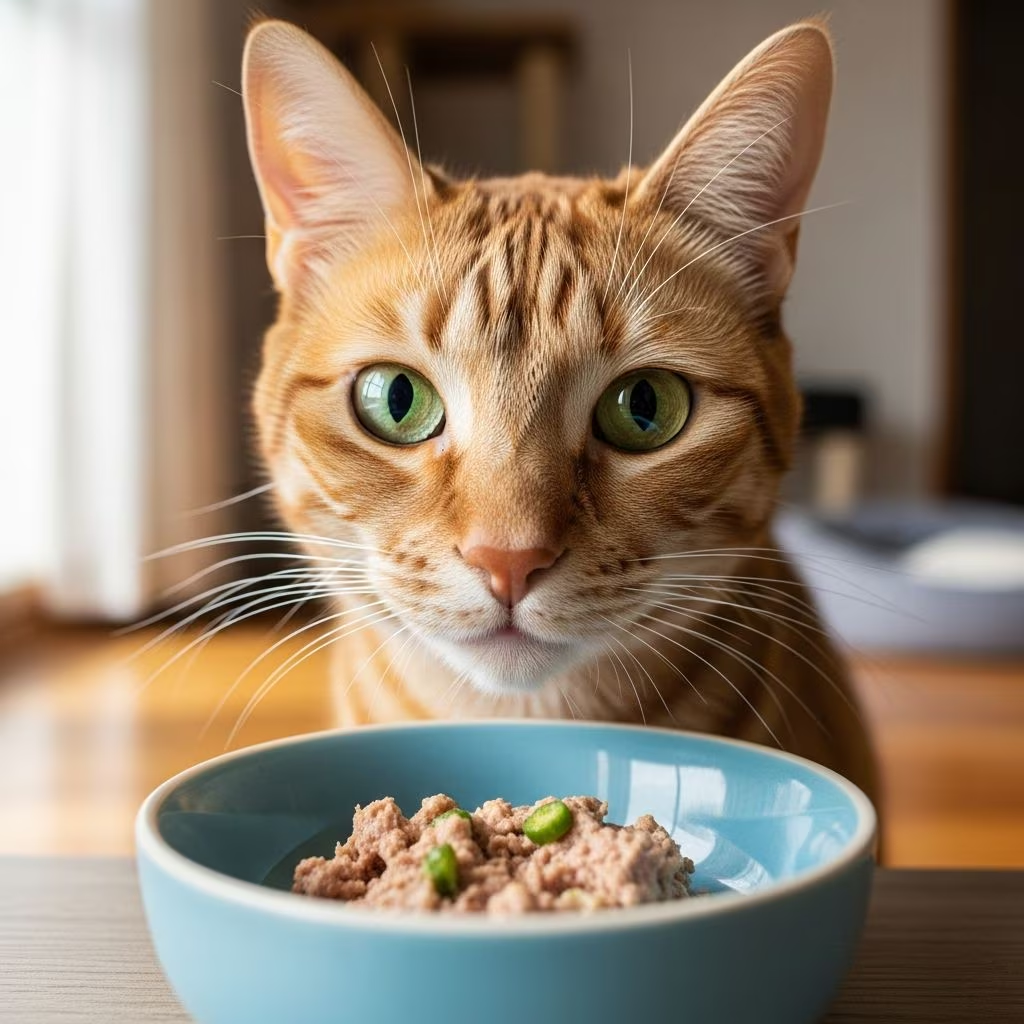
Cats are obligate carnivores with precise nutritional needs, making appetite loss a serious concern that can lead to hepatic lipidosis if prolonged beyond 24-48 hours. Understanding the triggers and applying targeted interventions can restore normal eating patterns swiftly.
Recognizing the Signs of Appetite Loss in Cats
Feline anorexia manifests as complete refusal of food or significantly reduced intake over multiple meals. Watch for subtle cues like ignoring the food bowl, selective picking, or rapid weight decline. Unlike dogs, cats rely heavily on smell to trigger hunger, so diminished interest often signals underlying issues rather than mere pickiness.
- Short-term refusal: Lasting 12-24 hours, often due to stress or minor upset.
- Chronic aversion: Persisting beyond 48 hours, risking fatty liver disease.
Monitor body condition using the body condition score (BCS) chart: ideal cats have visible waistlines and palpable ribs without excess fat.
Primary Causes Behind Your Cat’s Reluctance to Eat
Appetite suppression stems from medical, environmental, or dietary factors. Dental pain from gingivitis or broken teeth affects up to 70% of cats over age three, while gastrointestinal woes like hairballs or inflammatory bowel disease disrupt digestion. Stress from household changes, such as new pets or moves, elevates cortisol, curbing hunger. Concurrently, flavor fatigue from monotonous diets bores discerning palates.
| Cause Category | Examples | Prevalence |
|---|---|---|
| Medical | Dental disease, kidney issues, nausea | High in seniors |
| Environmental | Loud noises, litter box dirt, competition | Common in multi-cat homes |
| Dietary | Bowl aversion, stale food, texture dislike | Affects picky eaters |
Always consult a veterinarian to rule out pancreatitis, hyperthyroidism, or cancer, as self-diagnosis risks escalation.
Simple Dietary Adjustments to Spark Interest
Transform mealtimes by enhancing aroma and texture, key drivers for feline dining. Warming wet food to body temperature (about 100°F) volatilizes scents, mimicking fresh prey. Experiment with pâté versus chunks in gravy, as preferences vary widely.
- Introduce **novel proteins** like turkey or salmon varieties to combat sensory boredom.
- Add **low-sodium broths** or tuna water (rinsed to reduce salt) for hydration and allure.
- Incorporate **safe toppers**: meat-based baby food (chicken/turkey only, no onions/garlic), fish oil for omega-3s, or nutritional yeast for B-vitamin boosts and cheesy appeal.
Probiotic powders like Purina FortiFlora not only tantalize taste buds but support gut health, aiding nutrient absorption. Sprinkle lightly to avoid overwhelming the base meal.
Environmental Hacks to Encourage Natural Feeding Behaviors
Cats thrive on hunting instincts; static bowls bore them. Elevate feeding stations to 4-6 inches for ergonomic comfort, and position away from litter boxes per the “three-meter rule” to prevent contamination aversion.
- Use **puzzle feeders** filled with kibble to simulate foraging, boosting mental stimulation and activity.
- Hand-feed social cats by placing morsels on fingers or palms, fostering bonding without force.
- Rotate locations daily—kitchen counter one day, bedroom windowsill the next—to trigger curiosity.
Avoid deep bowls that whisker-fatigue sensitive faces; opt for wide, shallow ceramic or glass dishes. Quiet, dimly lit spots minimize stress for shy eaters.
Interactive Feeding Innovations for Picky Eaters
Engage your cat’s predatory drive with no-bowl systems resembling mice or burrowing hides. Load with a few kibbles, conceal around the home, and let instinct take over. This not only stimulates appetite but combats obesity by extending meal times.
For wet-dry combos, reserve puzzles for kibble while serving pâté in elevated bowls. Catnip sprinkles add euphoric allure for responsive felines, doubling as enrichment.
Veterinary-Prescribed Appetite Stimulants: When Home Remedies Fall Short
For persistent cases, pharmaceuticals target brain hunger signals safely under supervision. Mirtazapine, a serotonin modulator, acts within hours via oral tablet or Mirataz® transdermal ointment, proven effective in clinical settings. Capromorelin (Entyce®), a ghrelin mimetic, surges appetite FDA-approved for dogs and off-label for cats with promising feline trials.
| Stimulant | Mechanism | Administration | Notes |
|---|---|---|---|
| Mirtazapine (Mirataz®) | Serotonin/histamine effects | Oral or topical | Rapid onset, repeatable |
| Capromorelin (Entyce®) | Ghrelin receptor activation | Oral liquid | Minimal side effects |
| Maropitant (Cerenia®) | Anti-nausea | Injectable/oral | Indirect appetite boost |
| Cyproheptadine | Serotonin antagonist | Oral | Traditional option |
B12 injections offer ancillary support for deficiencies, while Cerenia combats nausea-induced refusal. Never administer without vet guidance to avoid interactions or overdoses.
Addressing Underlying Health Issues Promptly
Diagnostics like bloodwork, urinalysis, or ultrasounds pinpoint root causes. Therapeutic diets such as Hill’s a/d or Royal Canin Recovery provide calorie-dense, palatable nutrition during recovery, fortified with fats and proteins for hepatic protection.
Manage pain with dentals or antibiotics, and deworm as parasites suppress hunger. Stress reduction via pheromone diffusers (Feliway) or solo feeding zones aids multi-pet dynamics.
Monitoring Progress and Preventing Recurrence
Track intake daily: aim for 20-30 kcal/lb body weight. Weigh weekly and note stool quality. Gradually wean stimulants as appetite rebounds, transitioning to varied, high-quality maintenance foods.
- Prevent pickiness with rotation schedules: three flavors weekly.
- Maintain annual checkups for early disease detection.
- Enrich environments year-round to sustain engagement.
Frequently Asked Questions (FAQs)
Is it safe to force-feed my cat?
No—force-feeding risks aspiration pneumonia and aversions. Opt for gentle hand-placing on gums instead.
How long can a cat go without eating?
Seek vet care after 24 hours for adults, 12 for kittens/seniors to avert liver complications.
Can catnip really boost appetite?
Yes, for some; it excites without harm, enhancing food appeal.
What over-the-counter products work best?
FortiFlora, nutritional yeast, and VetriScience Perio Support are vet-favored starters.
Does warming food always help?
Often, as amplified odors trigger instincts, but test temperatures to avoid burns.
Long-Term Nutrition for Optimal Feline Health
Sustain vitality with AAFCO-balanced diets matching life stages. Seniors benefit from softer textures, while actives need calorie support. Hydration via fountains prevents urinary issues exacerbating anorexia.
Holistic approaches like scheduled play pre-meals mimic hunt-eat cycles, embedding hunger cues naturally. Collaborate with vets for tailored plans, ensuring your companion thrives.
References
- How To Stimulate Appetite In Cats: Tips And Tricks — Kingsdale Animal Hospital. 2023. https://www.kingsdale.com/how-to-stimulate-appetite-in-cats-tips-and-tricks
- Cat Won’t Eat? Reasons Why & Tips to Help — Preventive Vet. 2024. https://www.preventivevet.com/cats/cat-wont-eat-how-to-stimulate-your-cats-appetite
- Appetite Stimulants for Cats: What Are They? And How Do They Work? — PetMD. 2024. https://www.petmd.com/cat/nutrition/appetite-stimulants-cats
- Appetite Stimulant for Cats — Cat Specialist Services. 2023. https://www.catspecialists.com.au/appetite-stimulants/
- Appetite-stimulating effect of gabapentin vs mirtazapine in healthy cats — PMC (PubMed Central). 2024-01-15. https://pmc.ncbi.nlm.nih.gov/articles/PMC10814375/



