

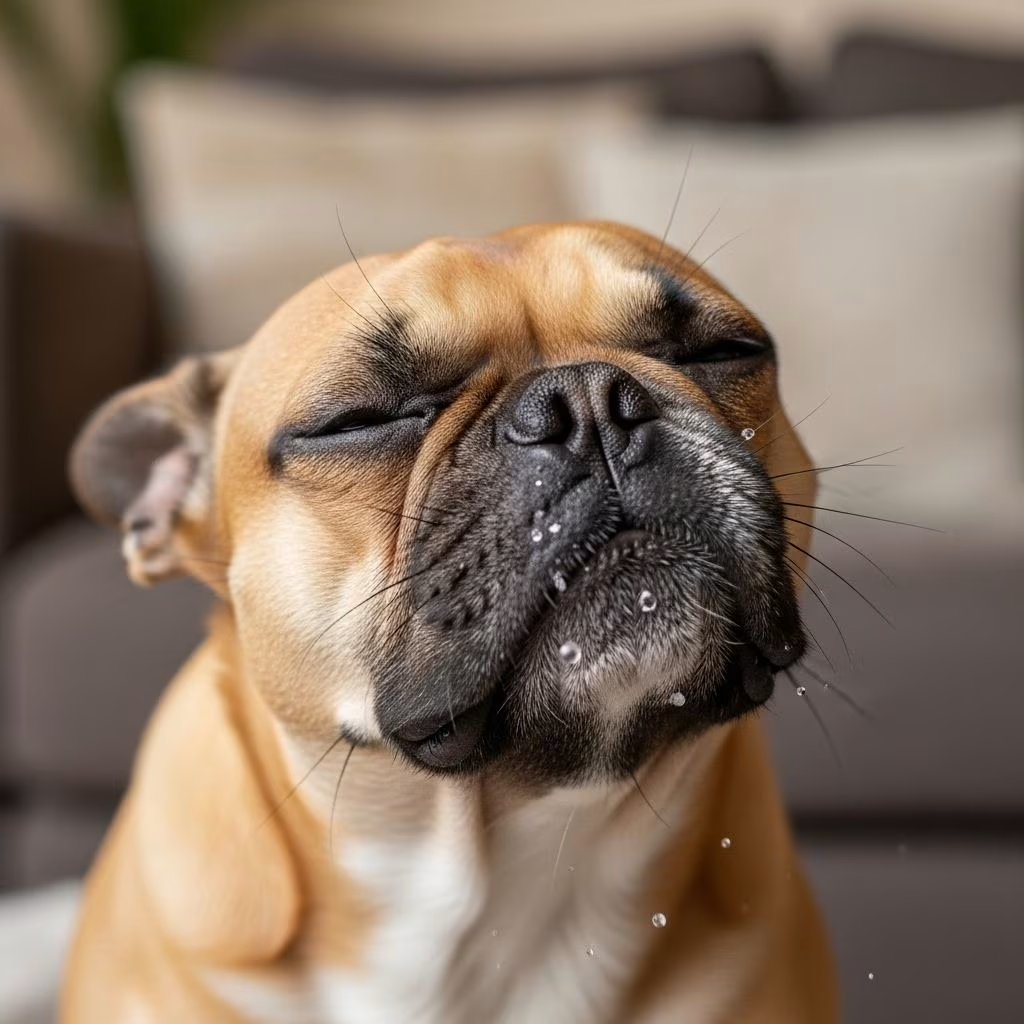
Reverse Sneezing in Dogs: Understanding This Common Respiratory Reflex
If you’ve ever witnessed your dog suddenly make loud honking or snorting sounds while appearing to struggle for breath, you may have observed what’s commonly known as reverse sneezing. This phenomenon can be alarming to pet owners, particularly those unfamiliar with the condition. However, understanding what reverse sneezing is, why it occurs, and how to respond can help you feel more confident in managing this common occurrence in your furry companion.
Reverse sneezing is a respiratory reflex characterized by rapid inhalation through the nose, which creates distinctive snorting or honking sounds. Unlike regular sneezing, where air is forcefully expelled, reverse sneezing involves the dog rapidly inhaling, often making the episode appear more concerning than it actually is. The good news is that in most cases, reverse sneezing is a benign condition that resolves on its own within seconds to a minute.
What Is Reverse Sneezing?
Reverse sneezing, medically known as paroxysmal respiration or pharyngeal gag reflex, occurs when irritation or inflammation affects the nasal passages, sinuses, or back of the throat. During an episode, the dog’s respiratory system responds by rapidly drawing in air through the nose in an attempt to expel the irritant. This involuntary reflex is the body’s natural defense mechanism, similar to how humans cough or sneeze to clear their airways.
The condition is thought to be caused by inflammation or irritation of the nasal, pharyngeal, or sinus passages. When these sensitive areas become irritated, the body triggers a rapid inhalation reflex to try to clear the obstruction or irritant. This is why reverse sneezing episodes are typically sudden and may seem startling to observe.
Common Causes of Reverse Sneezing in Dogs
Reverse sneezing in dogs can occur due to a variety of reasons. While it may not always indicate a severe health concern, identifying the root cause can help determine if veterinary attention is needed.
Environmental Irritants
One of the most common triggers for reverse sneezing is exposure to environmental irritants. Dust, pollen, perfume, smoke, and other airborne substances can irritate the nasal passages and throat, causing dogs to experience reverse sneezing episodes. Dogs with heightened sensitivity or allergies are particularly prone to this reaction. Additionally, household products such as cleaning supplies, air fresheners, and strong odors can trigger episodes in sensitive dogs.
Nasal Irritants and Foreign Objects
Small particles such as grass seeds, debris, or other foreign objects can become lodged in a dog’s nasal passages. This blockage causes irritation, prompting a reverse sneezing episode as the body attempts to expel the irritant. Nasal mites, while less common, can also trigger reverse sneezing episodes and may require veterinary treatment. If you suspect a foreign object is causing the problem, veterinary examination is recommended.
Allergies and Infections
Chronic nasal infections or allergies can lead to inflammation in the nasal passages and throat. Dogs suffering from these conditions may experience recurring reverse sneezing episodes, as the irritation persists over time. Allergic reactions cause the airways to become sensitive, making dogs more susceptible to reverse sneezing when exposed to their specific allergens.
Anatomical Factors
Certain breeds with brachycephalic (short-nosed) structures, such as Pugs, Bulldogs, and French Bulldogs, are more prone to reverse sneezing due to their compressed airways. These breeds have unique nasal structures that make them more susceptible to irritation. Similarly, dogs with elongated soft palates may experience this phenomenon more frequently. Additionally, dogs with long snouts may also be more commonly affected than other dogs.
Excitement, Overexertion, and Lifestyle Factors
Overexcitement or vigorous play can lead to reverse sneezing in dogs. Rapid breathing or panting during moments of high excitement can irritate the throat and trigger a reverse sneeze episode. Pulling on the leash while attached to a collar can also irritate the throat and trigger episodes. While these causes are typically harmless, it’s worth noting if the episodes become frequent. Temperature changes and inhaling cold air may also contribute to reverse sneezing.
Recognizing the Symptoms of Reverse Sneezing
Recognizing the symptoms of reverse sneezing can help you distinguish it from other respiratory conditions. During an episode, your dog will exhibit sudden, involuntary rapid inhalations accompanied by distinctive honking or snorting sounds. The episode typically lasts less than one minute, though it can appear longer due to its intensity. Your dog may extend their neck, appear stiff during the episode, and then return to normal once the episode concludes.
Most dogs remain alert and maintain normal behavior between episodes. If your dog seems distressed, continues to struggle to breathe after the episode ends, or shows other concerning symptoms, professional veterinary evaluation is warranted.
How to Help Your Dog During a Reverse Sneezing Episode
When your dog experiences a reverse sneezing episode, there are several techniques you can try to help alleviate the symptoms and shorten the duration:
- Stay calm: Dogs are sensitive to your emotions. Remaining calm can help reassure your pet that everything is okay and reduce anxiety that might prolong the episode.
- Gentle throat massage: Lightly rubbing your dog’s throat may help alleviate irritation and shorten the duration of the episode by promoting relaxation.
- Encourage swallowing: By gently covering your dog’s nostrils, you encourage them to swallow through their mouth, which can clear the irritation causing the reverse sneeze.
- Gently blow in the face: Some pet parents find success with gently blowing in their dog’s face for a few seconds, which can stimulate swallowing and help stop the sneezing reflex.
- Remove environmental irritants: If you suspect an irritant such as dust or smoke is the cause, relocate your dog to a cleaner environment immediately.
- Depress the tongue: In some cases, gently depressing your dog’s tongue can open up the mouth and aid in moving air through the nasal passages.
The reassuring news is that reverse sneezing episodes will resolve on their own in less than one minute, even if you do not feel comfortable intervening. Most episodes require no active intervention from pet parents.
When to Seek Veterinary Attention
While reverse sneezing is usually harmless, certain situations warrant professional veterinary evaluation. It’s important to know when to contact your veterinarian to ensure your dog receives appropriate care if needed.
Red Flags Requiring Immediate Attention
Contact your veterinarian if any of the following occur:
- Frequent episodes: If your dog experiences reverse sneezing multiple times a day or over several consecutive days, it could indicate an underlying health issue.
- Nasal discharge: Any accompanying nasal discharge, especially if it’s bloody or thick, should prompt an immediate vet visit.
- Breathing difficulties: If your dog struggles to breathe or appears to be in distress during or after a reverse sneezing episode, seek professional help immediately.
- Prolonged episodes: Episodes lasting longer than one minute may indicate a more serious condition.
- Coughing or gagging: Persistent coughing or gagging along with reverse sneezing may signal a more serious condition such as kennel cough or a throat infection.
- Changes in behavior: Lethargy, loss of appetite, or changes in behavior paired with reverse sneezing could indicate a systemic illness requiring attention.
- Recovery difficulties: If your dog struggles to recover after an episode or shows changes in breathing between episodes, professional evaluation is needed.
What Your Veterinarian Will Evaluate
During a veterinary visit for reverse sneezing concerns, your veterinarian will consider several factors:
- Health history, including the frequency and duration of episodes
- Physical examination of nasal passages, throat, and airway
- Possible diagnostic tests if symptoms suggest an underlying condition such as allergies, infection, or airway obstruction
Treatment Options for Reverse Sneezing
In most cases, no specific treatment is required for reverse sneezing. However, if your dog’s episodes are frequent or linked to an underlying issue, your veterinarian may recommend one of the following treatment approaches:
Allergy Management
For dogs with allergies, antihistamines or other medications may be prescribed to reduce inflammation and prevent future episodes. Common antihistamines prescribed by veterinarians include cetirizine or steroids such as prednisone. Identifying and minimizing exposure to allergens can also significantly help manage the condition. Your veterinarian can help identify specific allergens affecting your dog.
Removal of Foreign Objects
If a foreign object is causing the irritation, your veterinarian will safely remove it. This process may require sedation or specialized tools, depending on the location of the object.
Treatment for Infections and Parasites
For nasal or respiratory infections, antibiotics or anti-inflammatory medications may be prescribed. Prompt treatment can reduce symptoms and prevent the infection from worsening. If nasal mites are diagnosed, your veterinarian will treat your dog with an anti-parasitic medication, such as ivermectin or milbemycin oxime, to eliminate them.
Addressing Anatomical Issues
In severe cases where anatomical abnormalities contribute to chronic reverse sneezing, surgical intervention may be recommended. This is more common in brachycephalic breeds and is typically considered a last resort when other management strategies have been unsuccessful.
Prevention Strategies for Reverse Sneezing
While you cannot always prevent reverse sneezing episodes, you can take steps to reduce their frequency and severity:
- Minimize your dog’s exposure to known irritants and allergens
- Avoid using household chemicals and strong-scented products when your dog is present
- Use a properly fitting collar and leash to avoid throat irritation
- Maintain good air quality in your home
- Keep your dog at a healthy weight to support respiratory function
- Provide regular exercise appropriate for your dog’s age and breed
- Monitor for signs of allergies or infections and address them promptly
Frequently Asked Questions About Reverse Sneezing in Dogs
Q: Is reverse sneezing dangerous for my dog?
A: In most cases, reverse sneezing is not dangerous and is typically a benign condition. Episodes resolve on their own within seconds to a minute. However, if episodes are frequent, prolonged, or accompanied by other symptoms, veterinary evaluation is recommended.
Q: How long does a reverse sneezing episode last?
A: Most reverse sneezing episodes resolve within less than one minute. If an episode lasts longer than a minute or your dog appears distressed, contact your veterinarian.
Q: Can reverse sneezing be prevented?
A: While you cannot always prevent reverse sneezing, you can reduce the frequency by minimizing exposure to known irritants, maintaining good air quality, and promptly addressing allergies or infections.
Q: Which dog breeds are most prone to reverse sneezing?
A: Brachycephalic breeds with short snouts, such as Pugs, Bulldogs, and French Bulldogs, are more prone to reverse sneezing due to their compressed airways. However, any dog breed can experience reverse sneezing.
Q: Should I be concerned if my dog reverse sneezes occasionally?
A: Occasional reverse sneezing is typically not a cause for concern. However, if episodes become frequent or your dog shows other symptoms, consult your veterinarian to rule out underlying conditions.
Q: What is the difference between reverse sneezing and regular sneezing?
A: Regular sneezing involves forcefully expelling air through the nose, while reverse sneezing involves rapid inhalation through the nose. Reverse sneezing produces distinctive honking or snorting sounds and typically appears more dramatic than regular sneezing.
Q: Do I need to give my dog medication for reverse sneezing?
A: Most cases of reverse sneezing do not require medication. However, if episodes are frequent or caused by allergies or infections, your veterinarian may prescribe appropriate medications to address the underlying cause.
Conclusion
Reverse sneezing in dogs is a common respiratory reflex that, while alarming to witness, is typically harmless and requires no medical intervention. By understanding the causes, recognizing the symptoms, and knowing when to seek veterinary care, you can confidently manage this condition and help keep your dog comfortable. Most episodes resolve on their own quickly, but staying alert to changes in frequency or accompanying symptoms ensures you can provide appropriate care when needed. If you have concerns about your dog’s reverse sneezing episodes, don’t hesitate to consult with your veterinarian for professional guidance and peace of mind.
References
- Reverse Sneezing in Dogs: Causes, Treatment and When to Call a Veterinarian — Clarion Animal Hospital. 2024. https://clarionanimalhospital.com/blog/reverse-sneezing-in-dogs/
- Reverse Sneezing in Dogs: Causes and What to Do — PetMD. 2024. https://www.petmd.com/dog/general-health/reverse-sneezing-in-dogs
- Reverse Sneezing in Dogs: What it is and How to Help Your Pet — Broomfield Veterinary Hospital. 2024. https://broomfieldvet.com/blog/reverse-dog-sneezing/
- Reverse Sneeze in Dogs – Paroxysmal Respiration — Pet Doctors of America. 2022. https://www.petdoctorsofamerica.com/site/blog/2022/06/14/reverse-sneeze
- Reverse Sneeze in Dogs — VCA Animal Hospitals. 2024. https://vcahospitals.com/know-your-pet/reverse-sneeze-in-dogs
- Reverse Sneezing in Dogs: Causes and What to Do — Lake City Animal Hospital. 2024. https://lakecityanimalhospital.com/blog/reverse-sneezing-in-dogs-causes-and-what-to-do/
- Reverse Sneezing (Pharyngeal Gag Reflex) — Acadian Animal Hospital. 2024. https://www.acadiananimalhospital.com/storage/app/media/Reverse_Sneezing.pdf



