

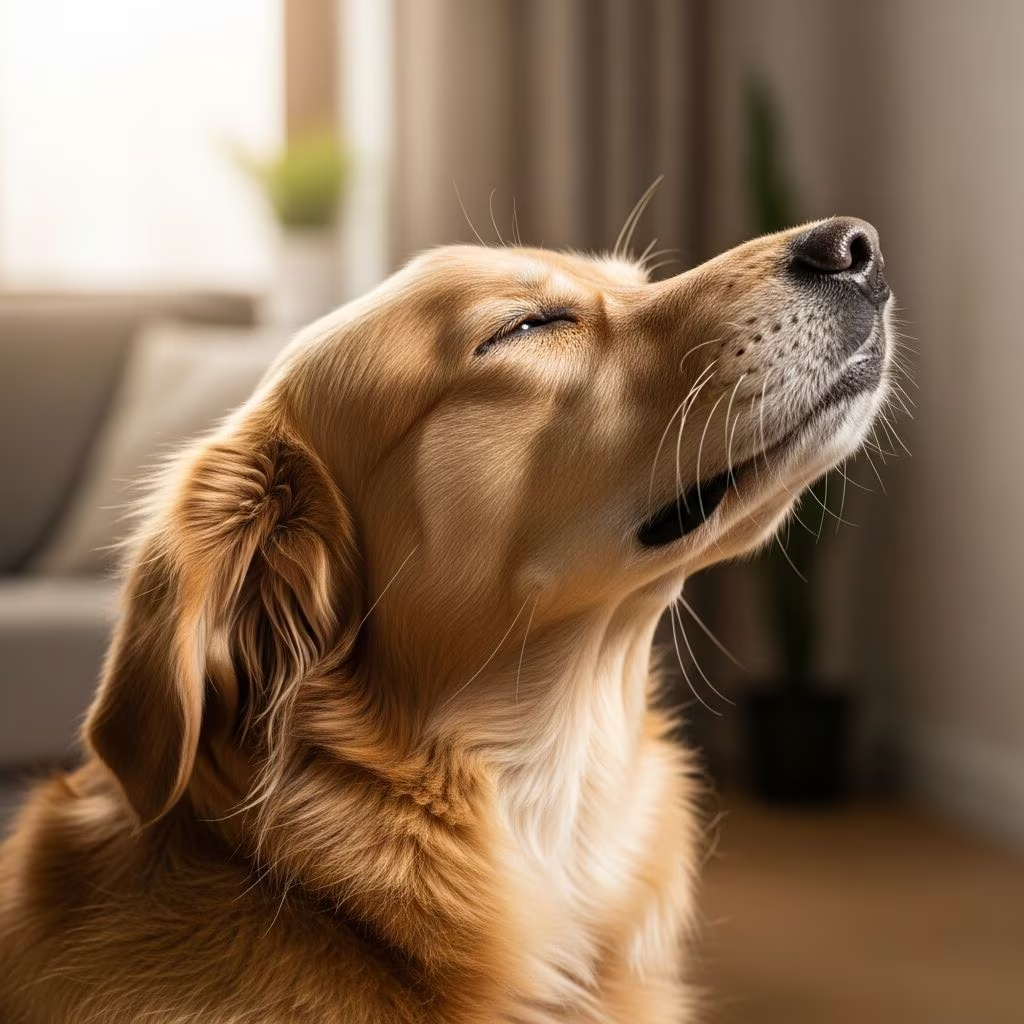
Reverse sneezing, also known as paroxysmal respiration, is a common yet startling behavior in dogs where they rapidly inhale air through their nose, producing loud snorting or honking sounds. This spasm-like episode typically lasts under a minute and resolves on its own, posing no immediate threat to most dogs.
Understanding the Physiology Behind Reverse Sneezing
The mechanism starts with irritation in the nasopharynx or soft palate area at the back of a dog’s throat. This triggers muscle spasms that temporarily narrow the trachea, prompting the dog to extend its neck and chest while struggling to inhale fully. The result is forceful backward snorts as the dog tries to clear the irritant.
Dogs often freeze in place with elbows extended, head tilted back, and eyes wide during an episode. Unlike forward sneezing, which expels particles outward, reverse sneezing pulls air inward to dislodge deeper irritants.
Primary Triggers and Risk Factors
Several environmental and physiological factors can provoke reverse sneezing. Identifying these helps pet owners minimize occurrences.
- Allergies: Pollen, dust mites, molds, and grasses sensitize nasal passages, leading to spasms.
- Irritants: Household cleaners, perfumes, air fresheners, smoke, and dust particles inflame the throat.
- Foreign Objects: Grass seeds, pollen grains, or debris lodged in nasal passages or sinuses.
- Excitement or Activity: Overstimulation, leash pulling, eating, drinking, or exercise can exacerbate irritation.
- Infections and Parasites: Nasal mites, bacterial, or viral respiratory issues cause persistent inflammation.
Brachycephalic breeds like Pugs, Bulldogs, Boxers, and Shih Tzus face higher risks due to elongated soft palates and narrow airways, which amplify spasms.
Recognizing Symptoms and Duration
Episodes feature rapid, repetitive snorts lasting 10-60 seconds. Dogs appear distressed but recover quickly without intervention.
| Symptom | Description |
|---|---|
| Posture | Wide stance, extended neck, head tilted upward |
| Sound | Loud snorting, honking, or gulping noises |
| Behavior | Standing still, eyes bulging, no coughing |
| Duration | Usually <1 minute, self-resolving |
Frequent episodes (multiple times daily) warrant monitoring for patterns tied to specific triggers.
How to Safely Interrupt an Episode
While episodes end naturally, gentle interventions can shorten them:
- Gently massage the throat to relax spasms.
- Blow softly on the dog’s face to prompt swallowing.
- Cover nostrils briefly to encourage mouth breathing and clearing.
- Lightly press down on the tongue to open airways.
Remain calm to avoid stressing your dog further. These methods work by redirecting airflow and halting the spasm cycle.
Differentiating from Serious Conditions
Reverse sneezing mimics tracheal collapse (goose-like honk with coughing) or respiratory infections. Key distinctions:
| Condition | Key Signs | Action Needed |
|---|---|---|
| Reverse Sneezing | Short snorts, no cough, quick recovery | Monitor if infrequent |
| Tracheal Collapse | Prolonged honking, coughing, blue gums | Vet immediately |
| Nasal Mites/Tumor | Persistent, nosebleeds, head shaking | Diagnostic tests |
| Allergic Rhinitis | Sneezing + discharge, itching | Allergy management |
Video episodes for vets, as they rarely occur in-clinic.
When to Consult a Veterinarian
Seek professional evaluation if:
- Episodes exceed 5-10 daily or last over 1 minute.
- Accompanied by lethargy, appetite loss, or breathing distress.
- Your dog is brachycephalic or has chronic issues.
- No clear trigger identified after environmental changes.
Vets conduct physical exams, history reviews, bloodwork, allergy tests, X-rays, or rhinoscopy to exclude tumors, infections, or mites.
Treatment and Management Strategies
Most cases need no treatment. Targeted approaches address root causes:
- Antihistamines/Steroids: For allergies (e.g., cetirizine, prednisone).
- Anti-Parasitics: Ivermectin or milbemycin for nasal mites.
- Surgery: Soft palate shortening for brachycephalics.
- Lifestyle Adjustments: Use harnesses, reduce irritants, hypoallergenic diets.
Chronic cases may require ongoing meds or monitoring.
Prevention Tips for Everyday Life
Proactive steps reduce frequency:
- Ventilate home to minimize dust/pollen buildup.
- Switch to harnesses over collars to avoid throat pressure.
- Avoid strong scents; use pet-safe cleaners.
- Maintain grooming to prevent mite infestations.
- Monitor during high-pollen seasons or post-exercise.
Regular vet check-ups catch anatomical issues early.
FAQs on Reverse Sneezing
Is reverse sneezing dangerous for my dog?
No, it’s typically harmless and self-limiting, though frequent bouts need vet review.
Why do small dogs reverse sneeze more?
Small and brachycephalic breeds have narrower passages prone to irritation.
Can reverse sneezing lead to other problems?
Rarely, if underlying like mites or tumors; otherwise, no long-term effects.
How do I know if it’s allergies?
Seasonal patterns, paw licking, or itching alongside snorts suggest allergies.
Should I record videos of episodes?
Yes, invaluable for accurate vet diagnosis since episodes are brief.
Long-Term Outlook and Breed Considerations
Dogs with occasional reverse sneezing live normal lives with minimal intervention. Brachyphalics may need surgical corrections for comfort. Owners report fewer episodes after trigger removal, improving quality of life.
Stay vigilant: track frequency in a journal, noting time, duration, and context. This data aids vets in pinpointing causes.
References
- Reverse Sneezing: Why Dogs Do It and How You Can Help — CareCredit Well-U. 2023. https://www.carecredit.com/well-u/pet-care/why-dogs-reverse-sneeze/
- Reverse Sneezing in Dogs: Causes and What to Do — PetMD. 2024. https://www.petmd.com/dog/general-health/reverse-sneezing-in-dogs
- Reverse Sneezing in Dogs — Central Pet Vet. 2024-03-20. https://centralpetvet.com/2024/03/20/reverse-sneezing-in-dogs/
- Reverse Sneezing in Dogs — PDSA. 2024. https://www.pdsa.org.uk/pet-help-and-advice/pet-health-hub/conditions/reverse-sneezing-in-dogs
- Reverse Sneeze in Dogs – Paroxysmal Respiration — Pets Doctors of America. 2022-06-14. https://www.petdoctorsofamerica.com/site/blog/2022/06/14/reverse-sneeze
- Reverse Sneeze in Dogs — VCA Animal Hospitals. 2024. https://vcahospitals.com/know-your-pet/reverse-sneeze-in-dogs
- Reverse Sneezing & Tracheal Collapse — Pet Medical Center. 2024. https://www.pet-medcenter.com/patient-resources/health-topics/reverse-sneezing-tracheal-collapse



