Reverse Sneezing in Dogs: Causes and What to Do
Understanding reverse sneezing: Learn what causes it, how to help your dog, and when to see a vet.
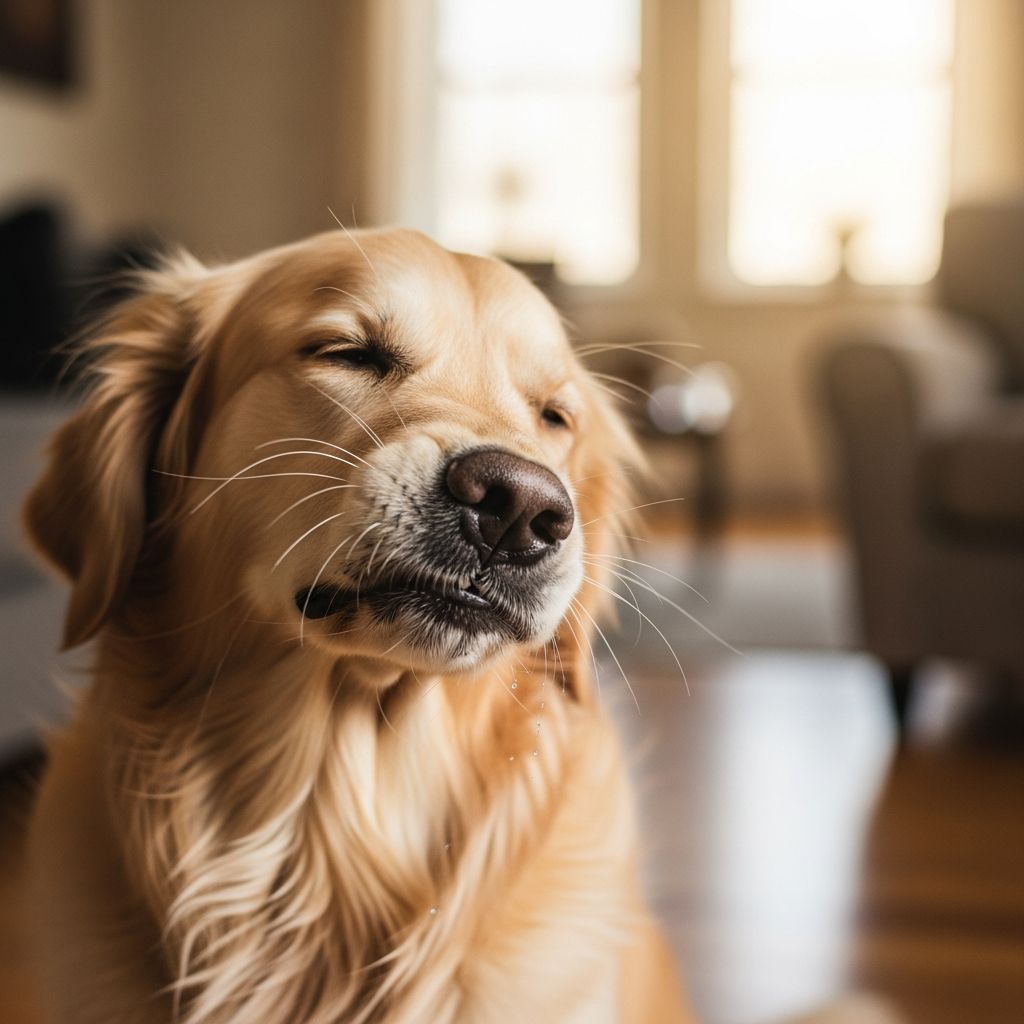
Reverse sneezing is a common occurrence in dogs that can alarm pet owners, but understanding this phenomenon helps distinguish between normal respiratory behavior and something requiring veterinary attention. When a dog engages in reverse sneezing, they rapidly inhale air through their nose, creating distinctive snorting, honking, or squeaking sounds that may seem unusual or concerning. During these episodes, dogs typically extend their neck while their body tenses as they attempt to clear an irritation from their nasal passages or throat. This reflexive action is the dog’s way of expelling whatever is causing discomfort in their airway.
The good news for pet owners is that reverse sneezing is generally harmless and resolves on its own within seconds to a minute. However, understanding the underlying causes and knowing when to seek professional help ensures your dog receives appropriate care when needed.
What Causes Reverse Sneezing?
Reverse sneezing occurs when irritation affects the soft palate—the muscular tissue at the back of the mouth—triggering the muscles to spasm. This spasm temporarily narrows the trachea (windpipe), making it difficult for your dog to inhale normally through the mouth. As a result, your dog repeatedly attempts to inhale forcefully through the nose, producing the characteristic snorting or honking sound. Several factors can trigger this protective reflex:
Environmental Irritants
One of the most common triggers for reverse sneezing involves environmental irritants that irritate your dog’s nasal passages or throat. Dust, pollen, perfume, air fresheners, smoke, and other airborne particles can initiate an episode. Dogs with heightened sensitivity or existing allergies are particularly prone to this reaction. Additionally, household cleaning products, strong chemical odors, and even sudden temperature changes can provoke reverse sneezing in susceptible dogs.
Nasal Mites and Foreign Objects
In some cases, nasal mites or small foreign bodies lodged in the nasal passages can cause irritation leading to reverse sneezing. Small particles such as grass, seeds, or food debris may become trapped, prompting your dog’s body to attempt expulsion through forceful nasal inhalation. While less common than environmental factors, these physical irritants warrant veterinary evaluation if episodes persist.
Excitement and Physical Activity
Overexcitement or vigorous play can trigger reverse sneezing episodes. Rapid breathing during these moments can irritate the throat, and pulling forcefully on a leash or collar can directly irritate the throat tissues, causing spasms of the soft palate. While these episodes are typically harmless and temporary, noting their frequency helps determine if an underlying condition exists.
Allergies and Infections
Chronic nasal infections or allergies cause inflammation in the nasal passages and throat. Dogs suffering from these conditions may experience recurring reverse sneezing episodes as persistent irritation continues. Allergic reactions to food, environmental factors, or contact allergens can all contribute to this issue.
Anatomical Factors
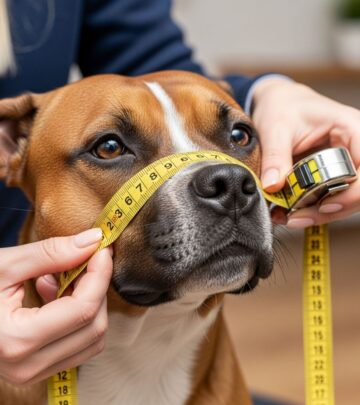
Certain dog breeds, particularly those with brachycephalic (short-nosed) structures such as Pugs, Bulldogs, and Boston Terriers, experience reverse sneezing more frequently. These breeds have compressed airways and elongated soft palates that predispose them to episodes. Additionally, dogs with long snouts and narrow nasal passages also seem more commonly affected by this condition. Conversely, some structural issues like an elongated soft palate specifically trigger episodes in susceptible breeds.
How to Stop Reverse Sneezing Episodes
While reverse sneezing episodes resolve on their own within less than one minute, several techniques can help ease your dog’s discomfort and potentially shorten the duration:
Calming Your Dog
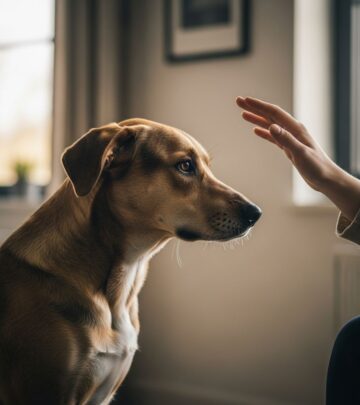
Dogs are sensitive to human emotions and can pick up on your anxiety during these episodes. Remaining calm and reassuring your pet that everything is okay helps reduce stress and may shorten the episode. Your composure directly influences your dog’s response to the situation.
Simple Physical Techniques
Several straightforward methods can interrupt the reverse sneezing reflex. Gently rubbing your dog’s throat may help alleviate irritation and reduce muscle spasms. Lightly covering your dog’s nostrils encourages them to swallow, which can clear the irritation causing the reverse sneeze. Some veterinarians suggest gently blowing in your dog’s face for a few seconds, as this also promotes swallowing and may terminate the episode. Additionally, gently depressing your dog’s tongue opens the mouth and aids in moving air through the nasal passages, potentially resolving the spasm.
Environmental Adjustments
If you suspect an irritant such as dust, smoke, or strong chemical odors is causing the episode, relocate your dog to a cleaner environment. Removing exposure to the triggering irritant often prevents additional episodes and provides relief. This is particularly important for dogs with known sensitivities or allergies.
When to Seek Veterinary Care
While most reverse sneezing episodes are benign and self-limiting, certain situations warrant professional veterinary evaluation. Understanding when to contact your veterinarian helps ensure your dog receives appropriate care for any underlying conditions:
Warning Signs Requiring Immediate Attention
Frequent Episodes: If your dog experiences reverse sneezing multiple times daily or over several consecutive days, this could indicate an underlying health issue requiring investigation. Normal reverse sneezing occurs sporadically and infrequently.
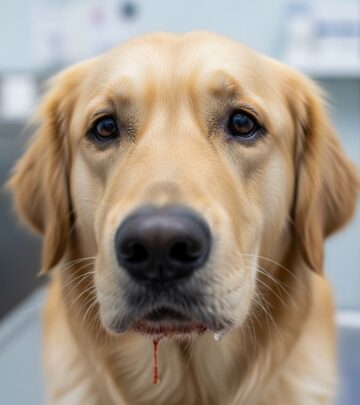
Nasal Discharge: Any accompanying nasal discharge, particularly if it appears bloody, thick, or discolored, should prompt an immediate veterinary visit. This may indicate infection, foreign bodies, or other serious conditions.
Breathing Difficulties: If your dog struggles to breathe or appears distressed during or after episodes, seek professional help immediately. Difficulty recovering after an episode or changes in breathing patterns between episodes suggest airway obstruction or other respiratory complications.
Associated Symptoms: Persistent coughing or gagging alongside reverse sneezing may signal serious conditions such as kennel cough, throat infections, or other respiratory diseases. Lethargy, loss of appetite, or behavioral changes paired with reverse sneezing could indicate systemic illness requiring prompt attention.
Dog Reverse Sneeze Treatment
Generally, reverse sneezing does not require medication or specific treatment and is typically a benign condition when infrequent. However, when episodes occur frequently or persistently, your veterinarian may recommend various treatment approaches:
Allergy Management
For dogs with allergies triggering reverse sneezing, your veterinarian may prescribe antihistamines such as cetirizine or steroids like prednisone to reduce inflammation and prevent future episodes. Identifying and minimizing exposure to known allergens significantly helps manage this condition. Dietary modifications or hypoallergenic food trials may also be recommended depending on the allergy type.
Foreign Object Removal
If a foreign object causes the irritation, your veterinarian will safely remove it. This process may require sedation or specialized instruments depending on the object’s location and size. Prompt removal prevents complications and resolves associated symptoms.
Infection Treatment
For nasal or respiratory infections, antibiotics or anti-inflammatory medications may be prescribed. Prompt treatment reduces symptoms and prevents the infection from progressing to more serious conditions. Your veterinarian will determine the appropriate antibiotic or medication based on diagnostic findings.
Nasal Mite Treatment
While rare, if nasal mites are diagnosed as the cause, your veterinarian will prescribe anti-parasitic medications such as ivermectin or milbemycin oxime to eliminate them. Your veterinarian can perform diagnostic tests to confirm nasal mite infection before initiating treatment.
Surgical Intervention
In severe cases where anatomical abnormalities contribute to chronic reverse sneezing, surgical intervention may be recommended. This is more common in brachycephalic breeds with significantly elongated soft palates or severely compressed airways. Surgery is typically considered a last resort when conservative management proves ineffective.
Prevention and Long-Term Management
Preventing reverse sneezing episodes involves identifying and minimizing triggers. If you know specific allergens or irritants cause episodes, reduce your dog’s exposure to them. Avoid using household chemicals and strong-smelling cleaners while your dog is present. Maintain appropriate humidity levels in your home, as very dry air can irritate nasal passages. If your dog experiences frequent episodes, work with your veterinarian to identify triggers and develop a comprehensive long-term management strategy tailored to your dog’s specific needs.
Frequently Asked Questions About Reverse Sneezing
Q: Is reverse sneezing dangerous for my dog?
A: No, reverse sneezing is generally not dangerous and is considered a benign condition when infrequent. Most episodes resolve on their own within one minute without intervention.
Q: How long does a reverse sneezing episode last?
A: Typical reverse sneezing episodes last less than one minute. If an episode lasts longer than a few minutes, contact your veterinarian to rule out other respiratory conditions.
Q: Can I catch reverse sneezing from my dog?
A: No, reverse sneezing is not contagious to humans. It is a protective reflex specific to dogs triggered by irritation in their nasal passages or throat.
Q: Are certain breeds more prone to reverse sneezing?
A: Yes, brachycephalic breeds with short snouts, such as Pugs, Bulldogs, and Boston Terriers, experience reverse sneezing more frequently due to their anatomical structure. However, any dog can experience this condition.
Q: When should I worry about my dog’s reverse sneezing?
A: Seek veterinary attention if episodes become very frequent, last longer than a few minutes, include nasal discharge or bleeding, or are accompanied by other symptoms like coughing, lethargy, or breathing difficulties.
Q: Can allergies cause reverse sneezing in dogs?
A: Yes, allergies are a common trigger for reverse sneezing. If your dog has environmental or food allergies, managing the allergies often reduces the frequency of reverse sneezing episodes.
Q: Is there medication to prevent reverse sneezing?
A: Medication typically addresses underlying causes rather than preventing reverse sneezing directly. If allergies trigger episodes, antihistamines may help. Your veterinarian can recommend appropriate preventive strategies based on your dog’s specific situation.
References
- Reverse Sneezing in Dogs: Causes and What to Do — PetMD. 2025. https://www.petmd.com/dog/general-health/reverse-sneezing-in-dogs
- Reverse Sneeze in Dogs — VCA Animal Hospitals. 2025. https://vcahospitals.com/know-your-pet/reverse-sneeze-in-dogs
- Reverse Sneezing in Dogs: Causes, Treatment and When to Call the Vet — Clarion Animal Hospital. 2025. https://clarionanimalhospital.com/blog/reverse-sneezing-in-dogs/
- Reverse Sneezing in Dogs — PDSA. 2025. https://www.pdsa.org.uk/pet-help-and-advice/pet-health-hub/conditions/reverse-sneezing-in-dogs
Similar Articles



Read full bio of medha deb