

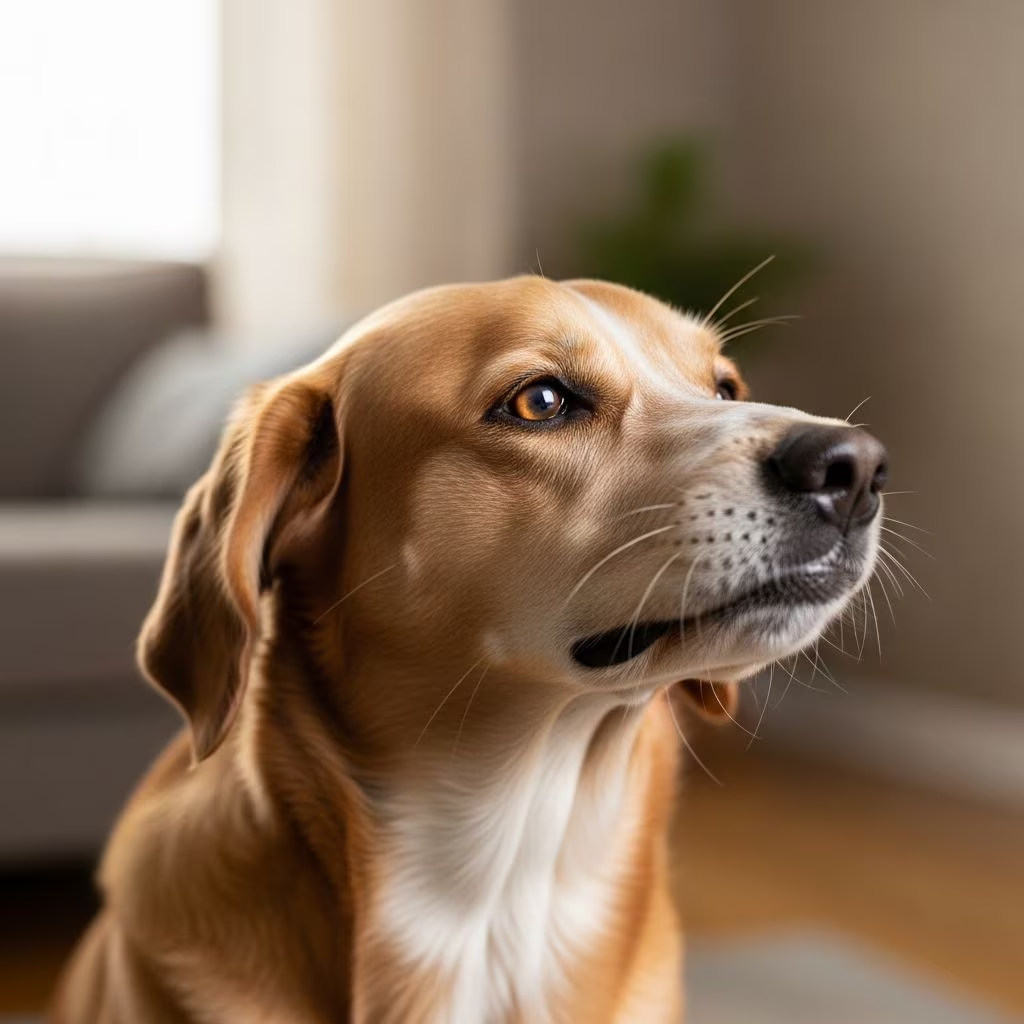
Reverse Sneeze in Dogs: Understanding This Common Reflex
Reverse sneezing is a common and often alarming phenomenon that pet owners encounter. While the sound and appearance can be concerning, reverse sneezing is generally a harmless and self-limiting event. This reflex occurs when a dog forcefully inhales, creating distinctive sounds that can startle both the dog and its owner. Understanding what causes this reflex and when it requires veterinary attention can help you respond appropriately to your pet’s needs.
What Is Reverse Sneezing?
Reverse sneezing, also known as paroxysmal respiration, is the act of forceful convulsant inhalation triggered by irritation in the nasal passages, sinuses, or throat. Unlike a normal sneeze where air is expelled forcefully through the nose and mouth, a reverse sneeze involves rapid and forceful inhalation through the nose. The episode typically produces a distinctive snorting or honking sound that can last anywhere from a few seconds to several minutes. During an episode, a dog will usually extend its head and neck while breathing in sharply and repeatedly. Most reverse sneezing episodes are brief and resolve on their own without any intervention.
What Causes the Reverse Sneeze?
The exact cause of reverse sneezing remains not completely understood by veterinarians, but any irritation to the nose, sinuses, or back of the throat can trigger an episode. Multiple irritants and conditions may contribute to this reflex, and identifying the specific cause can help determine the appropriate course of action.
Common Triggers and Irritants
Environmental Irritants: Dust, pollen, perfume, smoke, and other airborne irritants are frequent culprits. Dogs with heightened sensitivity or allergies are particularly prone to reverse sneezing in response to these environmental triggers. Additionally, household products such as cleaning supplies and air fresheners can irritate the nasal passages and throat.
Nasal Mites: Though uncommon, nasal mites can cause persistent irritation and trigger reverse sneezing episodes. These microscopic parasites inhabit the nasal passages and sinuses of infected dogs.
Secretions and Mucous: Secretions or mucous resulting from allergies, cold weather, infections, or other conditions can accumulate in the nasal passages and throat, prompting reverse sneezing as the body attempts to clear the airway.
Foreign Bodies: Small particles such as grass, seeds, foxtails, or other debris can become lodged in a dog’s nasal passages. This blockage causes irritation and discomfort, triggering reverse sneezing as the body’s mechanism to expel the irritant.
Fungal Infections: Fungal infections in the nasal passages can cause inflammation and trigger reverse sneezing episodes. These infections may require specific veterinary treatment.
Nasal Tumors and Masses: In rare cases, tumors or other abnormal growths in the nasal passages or back of the throat can cause irritation and lead to reverse sneezing.
Anatomical Factors: Dogs with elongated soft palates or narrow nasal passages are more prone to reverse sneezing. Breeds with long noses tend to be more commonly affected. Additionally, brachycephalic breeds with compressed airways and short snouts, such as Pugs and Bulldogs, may experience reverse sneezing more frequently due to their unique nasal structures.
Behavioral and Environmental Triggers
Beyond physical irritants, several behavioral and environmental factors can trigger reverse sneezing episodes. Excitement and overexertion can cause rapid breathing or panting that irritates the throat and triggers the reflex. Pulling on the leash while attached to a collar can irritate the throat area. Temperature changes or inhaling cold air may also provoke episodes. In some cases, eating or drinking can trigger reverse sneezing as well.
When Should You Worry About Reverse Sneezing?
While reverse sneezing is typically harmless, certain situations warrant veterinary attention. Understanding when to seek professional help can ensure your dog receives appropriate care if a serious underlying condition exists.
Signs That Require Veterinary Care
Frequent Episodes: If your dog experiences reverse sneezing multiple times daily or over several consecutive days, it could indicate an underlying health issue requiring investigation.
Nasal Discharge: Any accompanying nasal discharge, especially if it appears bloody, thick, or discolored, should prompt an immediate veterinary visit.
Breathing Difficulties: If your dog struggles to breathe or appears to be in distress during or after a reverse sneezing episode, seek professional help immediately.
Extended Episodes: Episodes that last longer than one minute or seem to worsen over time warrant veterinary attention.
Additional Symptoms: The presence of coughing, lethargy, or other concerning symptoms alongside reverse sneezing suggests a potential underlying condition. Changes in breathing patterns between episodes also merit professional evaluation.
Recovery Issues: If your dog struggles to recover after an episode or shows signs of distress that don’t resolve quickly, contact your veterinarian.
Dog Reverse Sneeze Treatment
Generally, reverse sneezing does not require medication or treatment and is typically a fairly benign condition, especially when episodes are infrequent and brief. However, in frequent or severe cases, veterinary intervention may be necessary to treat underlying causes or provide symptomatic relief.
Treatment Options
Antihistamines: If allergies or sensitivity to environmental irritants trigger reverse sneezing episodes, your veterinarian may prescribe antihistamines such as Benadryl or cetirizine. These medications can help reduce inflammation and decrease irritation in the throat from allergens or allergy-related mucus secretions.
Steroids: In more severe cases of reverse sneezing, veterinarians may recommend oral or inhaled steroids such as prednisone. While these medications have potential for more side effects than antihistamines, they are powerful tools for reducing inflammation in the nose and throat.
Nasal Flush: Occasionally, your veterinarian may suggest rinsing out the nasal passages with saline solution. This procedure can remove irritants or foreign bodies in some cases, though more stubborn foreign bodies may require rhinoscopy for removal.
Anti-Parasitic Medications: If nasal mites are suspected or confirmed, your veterinarian will typically prescribe an anti-parasitic agent such as ivermectin or milbemycin oxime to eliminate the parasites.
Foreign Body Removal: If a foreign object is causing the irritation, your veterinarian will safely remove it. This process may require sedation or specialized tools such as rhinoscopy, depending on the location and nature of the object.
Treatment for Infections: For nasal or respiratory infections, antibiotics or anti-inflammatory medications may be prescribed to reduce symptoms and prevent infection progression.
Surgical Intervention: In severe cases where anatomical abnormalities such as an elongated soft palate contribute to chronic reverse sneezing, surgical intervention may be recommended. Surgical shortening of the soft palate to a more normal length can help resolve persistent episodes in certain situations. Treatment for nasal tumors generally requires consultation with a veterinary oncologist.
Long-Term Management Strategies
If your dog experiences frequent reverse sneezing episodes, your veterinarian should identify the trigger and determine appropriate long-term management strategies. If you know of specific allergens or irritants that cause episodes, reduce your dog’s exposure to them. Avoid using household chemicals and common cleaners while your dog is present. Regular monitoring and preventive measures can help minimize the frequency and severity of episodes.
Frequently Asked Questions
Q: Is reverse sneezing dangerous for my dog?
A: Reverse sneezing is generally harmless and self-limiting, especially when it occurs infrequently. However, frequent or prolonged episodes may indicate an underlying condition requiring veterinary attention.
Q: Can I stop a reverse sneezing episode?
A: Most episodes resolve on their own within seconds to minutes. You can try gently massaging your dog’s throat or offering water, though these interventions are typically not necessary.
Q: Is reverse sneezing contagious between dogs?
A: No, reverse sneezing is not contagious. It is an individual reflex response to irritation in a specific dog’s nasal passages or throat.
Q: Which dog breeds are most prone to reverse sneezing?
A: Dogs with long noses seem more commonly affected, as do brachycephalic breeds with shorter snouts and compressed airways, such as Pugs, Bulldogs, and similar breeds with anatomical predispositions.
Q: Should I always take my dog to the vet for reverse sneezing?
A: Occasional reverse sneezing episodes typically do not require veterinary attention. However, frequent episodes, especially those accompanied by other symptoms, warrant professional evaluation to rule out underlying conditions.
Q: How can I prevent reverse sneezing in my dog?
A: Minimize exposure to known irritants, maintain good air quality, use air filters, avoid strong perfumes and cleaning products, and keep your dog’s nasal passages clear of foreign debris when possible.
References
- Reverse Sneeze in Dogs — VCA Animal Hospitals. https://vcahospitals.com/know-your-pet/reverse-sneeze-in-dogs
- Reverse Sneezing in Dogs: Observational Study in 30 Cases — National Center for Biotechnology Information (NCBI). 2022. https://pmc.ncbi.nlm.nih.gov/articles/PMC9782110/
- Reverse Sneezing in Dogs: Causes and What to Do — PetMD. https://www.petmd.com/dog/general-health/reverse-sneezing-in-dogs
- Reverse Sneezing in Dogs: Causes, Treatment and When to Call — Clarion Animal Hospital. https://clarionanimalhospital.com/blog/reverse-sneezing-in-dogs/



