

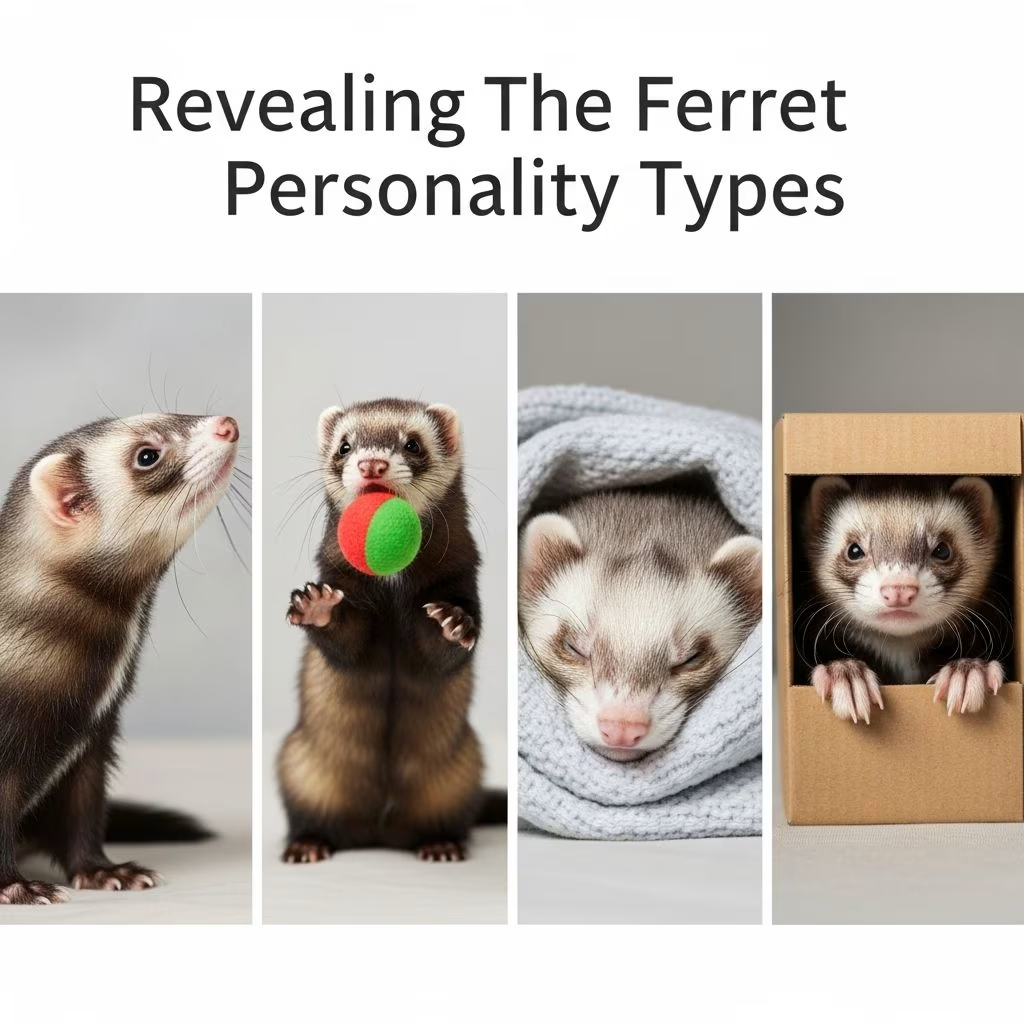
Revealing The Ferret Personality Types
Like all species, ferrets possess unique personalities that make each individual special. While some ferrets climb, jump, cuddle, and give kisses, others prefer a more independent lifestyle. This distinct personality is intrinsic to each ferret and continues to develop throughout their life as they gain experience and form bonds with their human caregivers. Understanding these personality variations is essential for anyone looking to provide the best possible care for their ferret companion. Love, kindness, and proper enrichment play crucial roles in fostering the development of a well-adjusted and happy ferret personality.
Ferrets are playful, curious, intelligent, sociable, and affectionate creatures that thrive on interaction and mental stimulation. Each ferret has its own unique temperament shaped by both genetic factors and environmental influences. By recognizing and celebrating your ferret’s individual personality type, you can create an enriching environment that allows their natural instincts to flourish while strengthening your bond with them.
Understanding Ferret Personality Development
Ferret personalities are shaped by a combination of inherited traits and learned behaviors. While genetics play a fundamental role in determining each ferret’s natural temperament, much of their personality is nurtured through love, patience, and meaningful enrichment. Ferrets need more than simply a cage and food; they require daily play, mental stimulation, and dedicated time to bond with their human companions.
Boredom and isolation can significantly diminish even the brightest ferret’s personality and spirit. Conversely, thoughtful care and engaging enrichment opportunities help their unique quirks shine and develop into their fullest expression. A ferret left in a cage without enrichment has no opportunity to develop its personality due to lack of stimulation. By providing challenging enrichments tailored to your ferret’s interests, you can greatly enhance their personality and overall well-being.
The Six Ferret Personality Types
1. The Smart Alpha Ferret Personality
The Smart Alpha ferret is characterized by intelligence, inquisitiveness, and persistent problem-solving abilities. These ferrets naturally demonstrate leadership qualities and their role as the leader is seldom challenged by other ferrets in their group. The Smart Alpha is quick to figure out complex tasks, such as determining safe jumping distances or engineering ways to reach elevated objects by pushing items over and climbing them.
Alpha ferrets tend to be independent and may not be as naturally affectionate as other personality types. They often have not bonded closely with other ferrets and may play only occasionally in one-on-one interactions. While they might not be kissy or cuddly, they do appreciate special, individualized attention from their caregivers. These ferrets often found themselves in trouble during their youth due to their investigative nature and clever problem-solving abilities, though they typically mature into well-adjusted adults.
2. The Tentative/Suspicious Ferret Personality
The Tentative ferret exhibits a cautious and somewhat suspicious approach to life and new experiences. These ferrets are very thoughtful and deliberate in their interactions with people and situations. They tend to be less outgoing than other personality types and may require more time to build trust with their human companions.
Tentative ferrets are not naturally kissy or cuddly but do benefit from and enjoy special one-on-one attention in quiet settings. They often make excellent mothers, though they may be somewhat protective of their offspring. These ferrets require a patient, understanding owner who can respect their more reserved nature and provide them with a safe, predictable environment where they can gradually build confidence.
3. The Clown Ferret Personality
The Clown ferret embodies the personality type that most new ferret owners ideally envision. These are affectionate, loving, and cuddly ferrets that view humans as their favorite toys for entertainment and bonding. Clown ferrets are outgoing and enthusiastic, never meeting a stranger and accepting nearly everyone as a friend to play and interact with.
Clown ferrets are typically larger and more robust in build and possess an infectious, playful energy that seems to say, “I meant to do that,” after their silly antics. They engage in frequent play and are known for their entertaining behaviors. These ferrets rarely develop strong preferences among people and treat each individual with the same friendly enthusiasm, making them excellent family pets and wonderful companions for households seeking an interactive, affectionate ferret.
4. The Dignified Survivor Ferret Personality
The Dignified Survivor ferret represents resilience and grace in the face of adversity. These ferrets continue to express their joy through characteristic behaviors such as dooking and the weasel war dance, even when facing health challenges. The Dignified Survivor maintains a positive outlook and adapts to life’s changes with composure and acceptance.
While these ferrets may not be particularly kissy or prone to excessive displays of affection, they deeply appreciate being held and cuddled by their caregivers. The Dignified Survivor often gives clear signs of happiness and appreciation through direct eye contact, which serves as a powerful communication tool. These ferrets benefit from consistent, gentle care and strong emotional support from their humans, and their presence reminds us of the importance of emotional connection and gratitude.
5. The Happy-Go-Lucky Ferret Personality
The Happy-Go-Lucky ferret embodies pure joy and optimism. These ferrets seem to have only one purpose in life: to love everyone around them and help in any way possible. You can recognize a Happy-Go-Lucky ferret by the twinkle in their eye and their enthusiastic energy as they bound around their environment.
These ferrets are the ultimate social butterflies, getting along well with other ferrets and humans alike. They serve protective roles for cagemates, acting as bodyguards, body warmers, and even guides for elderly or ill ferrets. Happy-Go-Lucky ferrets may be somewhat timid when encountering completely new ferrets, but they ultimately end up being loved by all their companions. These ferrets represent the best of ferret kind—spreading happiness and affection to everyone they encounter.
6. The Jealous/Possessive Ferret Personality
The Jealous/Possessive ferret develops deep, intense bonds with their chosen human caregiver or family member. These ferrets may develop such strong affection for a specific person that they become distressed when separated from that individual. Jealous ferrets often become lap ferrets, preferring to spend most of their waking time in their favored person’s lap.
These ferrets require consistent attention and may become spoiled in the best possible way. They thrive when given dedicated one-on-one time with their preferred person and can become excellent emotional support companions. However, owners should be mindful that these ferrets may need extra socialization to ensure they maintain positive relationships with other family members and caregivers who may need to provide care during times when their preferred person is unavailable.
How Personality Develops and Changes
Ferret personality traits often emerge at a young age and evolve over time through life experiences, interactions, and the amount of love and enrichment they receive. While inherited traits form the foundation of each ferret’s temperament and cannot be eliminated, learned behaviors such as biting or food aggression can be modified through patient training and positive reinforcement.
A inherently “bad” ferret personality cannot be entirely transformed, but it can be enhanced or diminished depending on environmental factors and care quality. The key to supporting your ferret’s personality development is recognizing their individual nature and providing opportunities for them to express their natural instincts in safe and appropriate ways.
Enhancing Your Ferret’s Personality Through Enrichment
Providing proper enrichment is one of the most effective ways to support and enhance your ferret’s personality. Ferrets are energetic animals that love to explore, play, and engage in activities that challenge their intelligence. Consider these enrichment strategies tailored to your ferret’s personality type:
- Dig Box Enrichment: If your ferret loves digging in flower pots, instead of discouraging this behavior, provide a dedicated dig box filled with dirt, paper, plastic eggs, or other safe materials. This allows them to express their natural instinct in an appropriate outlet.
- Tunnel and Climbing Opportunities: Smart Alpha ferrets especially enjoy challenges that test their problem-solving abilities. Provide tunnels, climbing structures, and elevated platforms for exploration.
- Puzzle Toys and Mental Stimulation: Rotate toys regularly and create puzzles or hiding spots to keep your ferret mentally engaged and entertained.
- Social Playtime: Dedicate daily time to interactive play with your ferret. This strengthens your bond and provides essential exercise and mental stimulation.
- Comfortable Rest Areas: Despite their bursts of energy, ferrets sleep an average of 14–18 hours per day. Provide cozy hammocks, blankets, and quiet spaces for rest.
Supporting Different Personality Types
Different personality types require different approaches to care and interaction. Here’s how to best support each type:
Smart Alpha Ferrets: These intelligent ferrets thrive when given opportunities to solve problems and explore. Provide complex enrichment and respect their need for independence while maintaining regular interaction.
Tentative Ferrets: Build trust gradually through gentle, consistent handling and one-on-one attention. Create a predictable, safe environment where they can feel secure.
Clown Ferrets: These social butterflies need frequent interaction and play. They enjoy meeting new people and participating in family activities.
Dignified Survivor Ferrets: Show consistent care and gentle support. These ferrets appreciate emotional connection and regular, predictable routines.
Happy-Go-Lucky Ferrets: These ferrets do well in social environments with multiple ferrets or family members. They thrive on positive interactions with everyone around them.
Jealous/Possessive Ferrets: While respecting their attachment to their preferred person, encourage gentle socialization with other family members to prevent excessive separation anxiety.
Important Health and Safety Considerations
Understanding your ferret’s personality also means being aware of their individual needs and potential health vulnerabilities. Monitor your ferret for any changes in appetite, energy levels, or weight, as ferrets can hide signs of illness. Ferret-proof your home by blocking off small spaces, removing choking hazards, and ensuring they cannot access harmful substances.
Regular veterinary check-ups are essential for maintaining your ferret’s health. Some common ferret health issues include insulinoma, adrenal disease, and respiratory infections. Being familiar with your individual ferret’s personality and normal behavior patterns will help you notice when something might be wrong.
Creating the Ideal Living Environment
Regardless of personality type, all ferrets benefit from an enriched living environment. They need more than a cage and food; they require space to play, explore, and express their natural instincts. Consider the following when setting up your ferret’s home:
- Multiple levels and climbing opportunities
- Tunnels and enclosed spaces for burrowing
- Dig boxes filled with appropriate materials
- Toys that engage their problem-solving abilities
- Comfortable sleeping areas with soft bedding
- Safe spaces where they can hide and feel secure
The Social Nature of Ferrets
While ferrets can live alone if given ample attention, they are highly social animals and often do better with a companion ferret to play and interact with. If you choose to have multiple ferrets, observe their personalities carefully to ensure compatible pairings. Some ferrets have distinct preferences for certain companions, while others are more flexible in their social interactions.
Ferrets communicate with each other through play-fighting, the weasel war dance, and gentle nips. They also make a soft “dooking” sound when very happy or excited. Understanding these communication methods helps you recognize when your ferrets are content and developing positive relationships.
Love Them For Who They Are
The most important aspect of ferret care is accepting and celebrating your ferret’s unique personality. Whether your ferret loves digging, climbing, cuddling, or exploring, the best thing you can do is support their individuality in a safe and engaging way. Encourage their natural instincts with creative outlets, and you will have a companion who remains forever young at heart and impossible not to love.
Remember that ferrets are not mean or vicious creatures. Just as puppies and kittens nip during play, many young ferrets do the same. They quickly learn that human skin is more delicate than their own and respond well to gentle but firm training. This bonding process strengthens the relationship between you and your ferret while helping them develop into well-adjusted adults.
Frequently Asked Questions (FAQs)
Q: Can a ferret’s personality change over time?
A: Yes, ferret personalities continue to develop and evolve throughout their lives. While inherited traits form the foundation, experiences, socialization, and the quality of care they receive significantly influence personality development. Love, enrichment, and positive interactions can help enhance and bring out the best in your ferret’s personality.
Q: What is the best ferret personality type for first-time owners?
A: The Clown and Happy-Go-Lucky ferret personalities are typically best suited for first-time owners. These ferrets are naturally affectionate, playful, and accepting of people. They are not easily overwhelmed and adapt well to new situations, making them easier to manage for inexperienced ferret parents.
Q: Can ferrets with different personality types live together?
A: Ferrets with different personality types can often live together successfully, though compatibility depends on individual temperament. Happy-Go-Lucky ferrets typically get along well with most other ferrets. However, careful introductions and monitoring are essential, especially with more reserved or possessive personality types.
Q: How can I encourage my shy or tentative ferret to be more social?
A: Build trust gradually through gentle, consistent handling and dedicated one-on-one attention. Create a safe, predictable environment where your tentative ferret can feel secure. Avoid forcing interaction and allow them to approach you at their own pace. Over time, with patience and love, many tentative ferrets become more confident and social.
Q: What role does enrichment play in personality development?
A: Enrichment is crucial for personality development. Ferrets in bare cages without stimulation have limited opportunity to express and develop their personalities. Providing challenging enrichments—such as dig boxes, tunnels, puzzle toys, and interactive play—allows ferrets to express natural instincts and helps their unique personality traits flourish.
Q: Do all ferrets make good pets?
A: All ferrets can make good pets with proper care, training, and understanding of their individual personalities. However, some personality types, like the Clown and Happy-Go-Lucky types, may be easier for novice owners. Understanding your specific ferret’s personality type helps you provide appropriate care and set realistic expectations.
Q: How much daily attention do ferrets need?
A: Ferrets need daily attention and lots of exercise, although this frequently occurs in brief, energetic bursts of activity followed by snacks and long naps. Most ferrets sleep 14–18 hours per day but require dedicated playtime and interaction with their caregivers. The amount needed may vary based on personality type, with more social ferrets requiring more interactive time.
References
- Revealing The Ferret Personality Types — Chewy. 2025. https://www.chewy.com/education/small-pet/ferret/revealing-the-ferret-personality-types
- Revealing The Ferret Personality Types — Whiskers Paws Love. 2025. https://whiskerspawslove.org/article/revealing-the-ferret-personality-types/
- The Different Types of Domesticated Pet Ferrets — Dial A Vet. 2025. https://www.dialavet.com/blog/the-different-types-of-domesticated-pet-ferrets
- About Ferrets — Washington Ferret Rescue & Shelter (WFRS). 2025. https://www.washingtonferret.org/aboutferrets.php



