
Reuniting with Your Missing Dog: A Comprehensive Recovery Strategy
Master proven techniques to locate and safely recover your lost dog
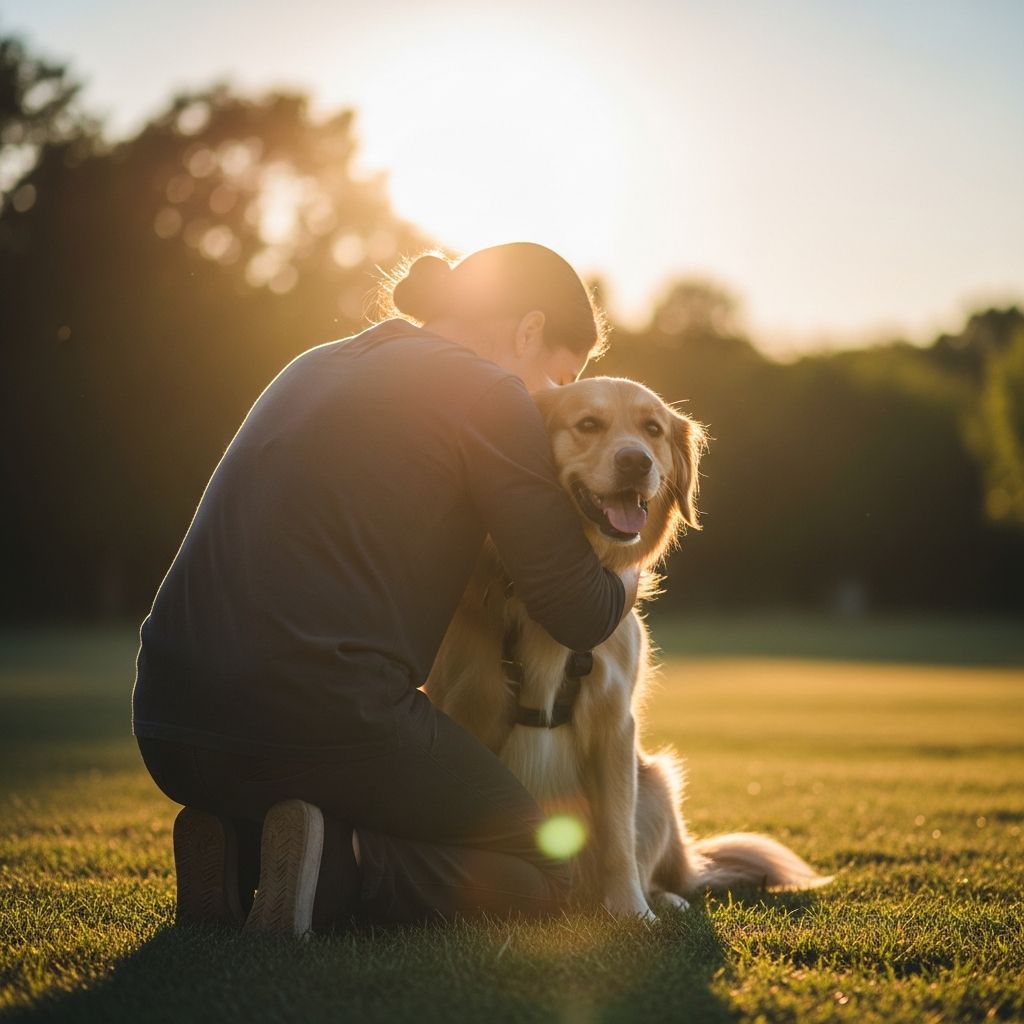
The disappearance of a beloved canine companion represents one of the most distressing experiences any pet owner can face. However, the first few hours following your dog’s disappearance are critical, and a systematic approach can substantially increase the likelihood of a successful reunion. Understanding the most effective recovery methods, combined with immediate action, transforms panic into purposeful search efforts.
Immediate Actions During the First Hour
When you first realize your dog has gone missing, time becomes your most valuable asset. The initial response phase requires both emotional composure and decisive action. Begin by thoroughly examining your immediate surroundings, as many dogs remain close to their last known location, particularly during the first hour of disappearance.
Start your search by walking your property systematically and checking all potential hiding spots. Dogs experiencing fear or disorientation often seek shelter in accessible areas such as under decks, inside open garages, behind dense vegetation, or within storage structures. Bring items that trigger recognition and positive associations—favorite treats, toys that produce familiar sounds, or a squeaky object. Call your dog’s name in calm, measured tones rather than frantic shouts, as excessive noise can frighten a frightened animal further away from you.
Recruit immediate assistance from family members and nearby neighbors. Enlist one person to begin canvassing the immediate neighborhood while you continue searching your property and nearby areas. Alert neighbors verbally, as they may have already noticed your dog or can assist with expanded search efforts. If you have a GPS tracking device attached to your dog’s collar, activate the corresponding mobile application immediately to pinpoint your dog’s location and share this information with your search team.
Expanding Your Physical Search Zone
Once you’ve exhausted your immediate surroundings, expand your search to encompass a broader geographic area. The nature of your dog’s disappearance influences where you should focus your efforts. If your dog escaped through an open door, search the streets and sidewalks in increasing concentric circles from your home. For dogs that bolted during outdoor activities, begin at the location where they disappeared and search methodically in multiple directions.
Different terrain requires specialized search approaches. Dogs that escape in neighborhoods with parks or open fields often head toward these areas. Conversely, urban dogs may navigate streets and alleyways. Consider your dog’s breed characteristics and personality when prioritizing search locations. A dog bred for water activities might head toward streams or ponds, while a breed with strong prey drives might chase wildlife into wooded areas or across fields.
When searching on foot, move slowly enough to observe your surroundings carefully. Speak your dog’s name periodically, but balance this with listening for responsive sounds. If driving through neighborhoods, reduce your speed substantially and keep windows down to listen for barking or movement. Stop periodically to scan yards and street areas carefully. Evening or early morning searches can be particularly effective, as reduced human activity and cooler temperatures may encourage your dog to emerge from hiding spots.
Leveraging Digital Platforms and Online Communities
The digital landscape now offers powerful tools for mobilizing your community and reaching potential finders. Social media platforms and specialized pet recovery networks dramatically expand your search reach beyond your immediate neighborhood.
Begin by posting comprehensive information across multiple channels. Search for local lost pet groups on Facebook specific to your city or neighborhood, and post detailed information including recent photographs from multiple angles, exact location where your dog disappeared, time of disappearance, distinctive physical characteristics or markings, and your contact information. Make posts public rather than restricting visibility to friends, as this maximizes exposure to people who might have encountered your dog.
Beyond Facebook, utilize neighborhood-specific platforms such as Nextdoor and community forums where residents actively monitor local events and items. Register your dog on specialized lost pet databases including Petco Love Lost, PawBoost, Finding Rover, and 24Petconnect. These platforms enable photo-matching technology and create searchable databases that connect lost dogs with found dogs reported in your area. Many of these services also allow you to set geographic search parameters and receive alerts when similar dogs are reported found.
If you maintain a personal website or blog, include current information about your search efforts and sighting reports. Create QR codes linking to this page and include them on physical flyers, as this allows potential finders to access constantly updated information rather than relying on potentially outdated printed materials.
Creating and Distributing Effective Physical Flyers
Despite living in a digital age, physical flyers remain remarkably effective tools for alerting your community. Strategically placed flyers positioned at high-traffic intersections near your dog’s last known location capture the attention of residents and commuters.
Design your flyer for maximum visual impact and readability. Use bold, high-contrast colors that stand out from a distance. Include a clear, recent photograph of your dog showing distinctive markings or characteristics. Provide essential information in concise, readable text: your dog’s name, breed or description, size, date of disappearance, location last seen, your contact phone number, and any reward information. Keep the design simple and uncluttered so viewers can absorb key information instantly.
Prioritize intersection placement at high-visibility locations where vehicles must stop or slow down. Traffic lights and stop signs provide opportunities to capture the attention of drivers and passengers who have time to read your message. Select intersections that represent natural traffic patterns people use to enter and exit your neighborhood.
Distribute printed flyers to key community locations including veterinary clinics, pet stores, coffee shops, community centers, parks, and mailbox areas. Digital copies should be sent to all local rescue organizations and animal shelters in your area. Check your flyers regularly to ensure they remain intact and legible, replacing damaged or faded versions promptly.
Establishing Feeding and Scent Stations
Strategic placement of food and scent markers can encourage your dog to return to familiar territory or reveal their location. The food station strategy involves setting up a feeding area at your dog’s last known location using strongly aromatic foods that appeal to canines, such as wet dog food, rotisserie chicken, or other pungent options.
Check your feeding station twice daily and replenish food as needed. Installing a motion-activated trail camera at this location provides documentation of any animal activity, helping you determine if your dog has visited the area or if other animals are consuming the food. This method generates concrete evidence that either confirms or eliminates specific search locations.
The scent trail method involves leaving your unwashed clothing or bedding at your last known location, creating a scent trail that leads back toward your home. Your dog’s powerful sense of smell may recognize your scent and follow it to your residence. However, limit scent markers to one or two strategic locations rather than spreading items throughout the neighborhood, as excessive scent trails can confuse your dog or lead them further away.
Working with Professional Resources and Institutions
Established institutions and professional services possess resources and databases that can dramatically accelerate your search efforts. Contact your local veterinary clinics and emergency animal hospitals immediately, as finders frequently bring lost dogs to veterinary facilities for microchip scanning and identification.
Call all animal shelters and rescue organizations within a 60-mile radius of your location, providing detailed descriptions and sending digital copies of your missing dog poster. These facilities maintain databases of found animals and can alert you if a dog matching your description arrives. Many rescue organizations monitor adoption listings on websites such as PetFinder, which aggregates available animals from multiple rescue groups.
If your dog carries identification tags, ensure that your veterinary clinic is aware of your dog’s disappearance. Rabies tags, even if primary ID tags become detached, can enable finders to contact your regular veterinary practice and facilitate identification. Update your dog’s microchip registration with current contact information, ensuring that the microchip company can reach you if your dog is scanned at a shelter or veterinary facility.
Pet recovery services offer paid assistance for owners with resources to invest in professional help. These services contact local shelters and veterinarians on your behalf, allowing you to concentrate on direct neighborhood search efforts.
Understanding Microchip Technology and Registration
Microchip implants represent one of the most effective permanent identification methods available to pet owners. These rice-grain-sized devices contain unique identification numbers that can be read by universal scanners available at virtually all veterinary clinics and animal shelters.
Microchip effectiveness depends entirely on accurate registration and current contact information. Verify that your dog’s microchip registration contains your current phone number, email address, and physical address. Update this information whenever you move or change contact numbers. When your dog is missing, search the Microchip Registration Center database to determine if someone has already found your dog and had them scanned.
If you don’t have current microchip information, contact the veterinary clinic where your dog received the implant to obtain the identification number and microchip company details. Register or update your information with the microchip company immediately.
Specialized Search Techniques for Different Scenarios
Your search approach should adapt to the circumstances surrounding your dog’s disappearance. Dogs frightened by loud noises or unfamiliar situations may hide rather than wander, requiring searches of enclosed spaces and shelter areas. Dogs that bolted during walks or outdoor activities often continue moving, necessitating expanded area searches and interviews with residents along potential travel routes.
Terrain characteristics influence search strategy. In hilly or mountainous regions, start at the lowest point and search creeks and water sources first, as disoriented dogs often head downhill toward water. In urban environments, systematically work through neighborhoods block by block, interviewing residents about sightings and checking enclosed areas such as garages and yards where frightened dogs might seek refuge.
Documentation and Record Keeping
Maintain detailed records of all search activities, sightings reported, and resources contacted. Document the date, time, location, and description of each reported sighting. Record which shelters you’ve contacted, which rescue organizations have received your information, and the specific names of staff members you’ve spoken with.
This documentation prevents duplication of effort and helps you identify emerging patterns in sighting locations. If multiple sightings cluster in a particular neighborhood area, concentrate your search efforts and install additional flyers in those locations.
Communication Strategies with Potential Finders
When communicating with potential finders through social media, lost pet websites, or direct contact, provide specific information that helps verify they have found your dog. Ask detailed questions about distinctive markings, behavior patterns, or unique characteristics that only you would know. This prevents false alarms and protects your dog from being released to individuals with improper intentions.
FAQ Section
Frequently Asked Questions
Q: How can I find my lost dog quickly in the first hours?
A: Search your immediate property thoroughly, check hiding spots, recruit immediate help from neighbors, and expand your search in concentric circles from your home. Most lost dogs remain within a mile of their disappearance location, often much closer.
Q: What online platforms are most effective for lost dog recovery?
A: Utilize Petco Love Lost, PawBoost, Finding Rover, local Facebook lost pet groups, Nextdoor, and your county’s animal shelter database. Register on multiple platforms to maximize visibility.
Q: How effective are microchips for finding lost dogs?
A: Microchips significantly increase reunion chances by providing permanent identification. Ensure your microchip is registered with current contact information, as shelters and veterinary clinics can quickly access your details upon scanning.
Q: Where should I post flyers to reach the most people?
A: Place flyers at high-visibility intersections with traffic lights or stop signs near your dog’s last known location, veterinary clinics, pet stores, community centers, parks, and mailbox areas.
Q: Should I search during specific times of day?
A: Evening and early morning searches can be particularly effective as reduced human activity and cooler temperatures may encourage your dog to emerge from hiding.
Q: How many shelters and rescue organizations should I contact?
A: Contact all animal shelters and rescue organizations within a 60-mile radius of your location, as larger cities can have dozens of rescue groups.
Creating a Comprehensive Search Timeline
Establish a structured search plan with specific timeframes and objectives. The first hour focuses on immediate vicinity searches. Hours two through four expand the search radius and initiate communication with professional institutions. Days two through seven intensify digital marketing through social media and specialized pet recovery platforms. Ongoing efforts continue contacting new shelters, posting updated information, and checking databases regularly.
Consistent effort over days and weeks significantly increases recovery success. Many lost dogs are reunited with owners weeks or even months after disappearance, making sustained commitment essential.
References
- The Complete Lost Pet Guide: What to do when your pet goes missing — PetLink. Accessed April 2026. https://www.petlink.net/blog/complete-lost-pet-guide/
- Proven Ways to Quickly Find Your Lost Dog or Cat — Oldetown Animal Hospital. Accessed April 2026. https://www.oldetowneanimalhosp.com/find-lost-dog-cat-proven-effective-search-tips/
- Missing Dog: A Guide to Finding Lost Dogs — Taste of the Wild Pet Food. Accessed April 2026. https://www.tasteofthewildpetfood.com/articles/lifestyle/missing-dog-guide-to-finding-lost-dogs/
- Guide to Finding Lost Dogs — Three Retrievers Lost Pet Rescue. Accessed April 2026. https://www.3retrievers.com/guide-to-finding-lost-dogs.html
- What to Do When You Lose (Or Find) a Dog: Step By Step Guide to Lost Pets — The Animal Pad. Accessed April 2026. https://theanimalpad.org/what-to-do-when-you-lose-or-find-a-dog-step-by-step-guide-to-lost-pets/
- What To Do if You Find a Lost Dog — American Kennel Club. Accessed April 2026. https://www.akc.org/expert-advice/advice/what-to-do-if-you-find-a-lost-dog/
- Resources on How to Find Lost Dogs & Cats — Petco Love. Accessed April 2026. https://petcolove.org/lost/lost-tips/
- How to Increase Your Chances of Finding a Missing Dog — Furever Friends NC. Accessed April 2026. https://fureverfriendsnc.org/how-to-find-a-lost-dog/
Similar Articles








Read full bio of medha deb




