

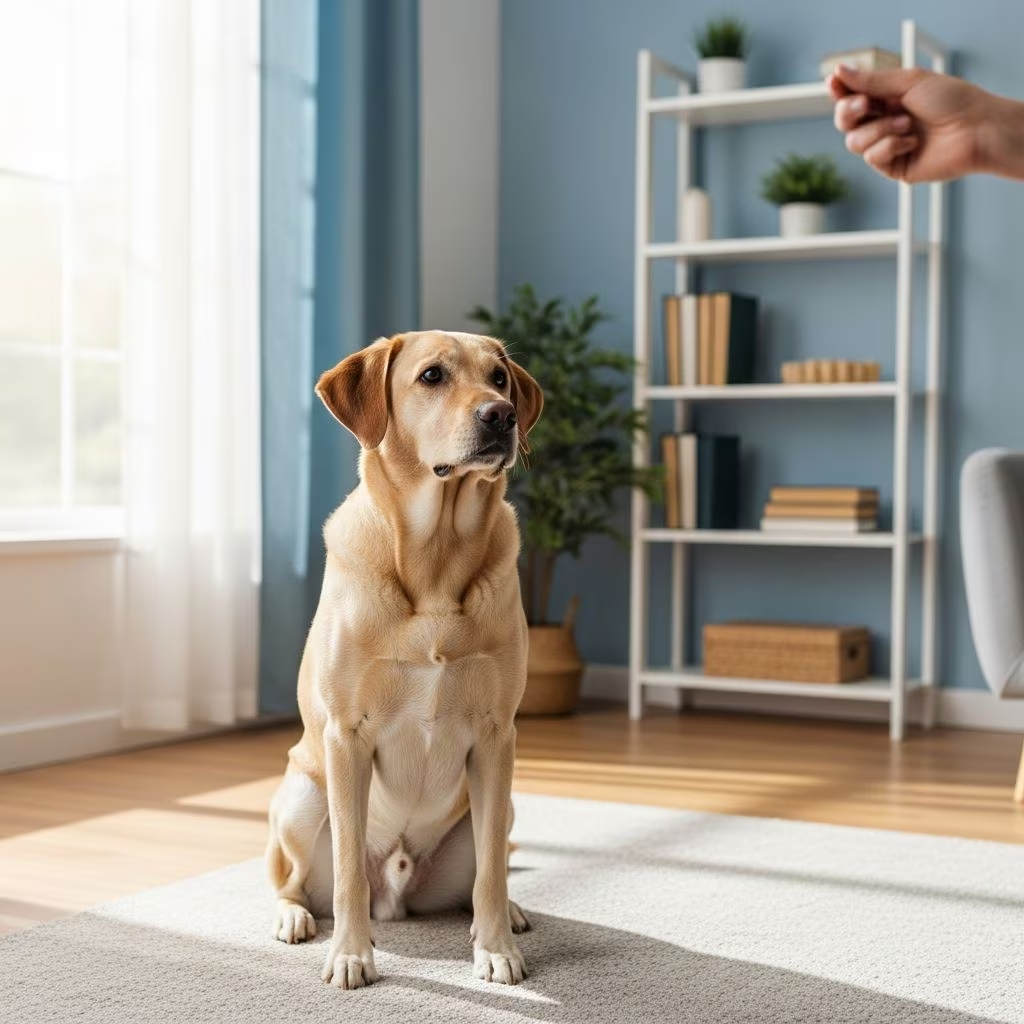
Many adult dogs entering new homes or facing life changes may revert to indoor elimination habits, requiring a structured retraining approach. Success hinges on consistency, positive reinforcement, and prevention of mistakes, treating the dog like a novice learner despite their age.
Why Adult Dogs Need House Retraining
Adult dogs often arrive with prior training, but stress from relocation, schedule shifts, or health issues can undo progress. Unlike puppies, adults can hold their bladder longer, yet they demand frequent opportunities to succeed outdoors. Establishing predictability prevents confusion and builds confidence.
Factors like inconsistent previous routines or medical conditions contribute to accidents. Always consult a veterinarian first to rule out urinary infections or other health problems before starting behavioral training.
Building a Solid Daily Schedule
A predictable routine regulates elimination patterns, making successes more frequent. Feed at fixed times daily, removing bowls after 10-15 minutes to avoid free-feeding, which disrupts timing. Key potty windows include upon waking, post-meals, after naps, long drinks, and play sessions.
- First thing in the morning
- 10-20 minutes after eating
- After waking from naps
- Post-water intake
- During or after indoor play
- Before bedtime
Initially, escort the dog outside every 1-2 hours, even if they seem capable of waiting longer. Use a leash to guide to the preferred spot, waiting patiently until elimination occurs.
The Power of Immediate Rewards
High-value treats like meat chunks or cheese, delivered within seconds of completion, cement the outdoor association. Pair with enthusiastic praise to amplify excitement. Avoid delaying rewards until indoors, as this confuses the signal—pottying must precede play or entry.
Generosity pays off; adjust regular meals if needed to accommodate treats nutritionally. Only unleash or start walks post-success to link relief with freedom.
Supervision and Confinement Essentials
Constant vigilance prevents errors. When unsupervised, confine to a crate, pen, or dog-proofed zone small enough to discourage soiling. Dogs instinctively avoid dirtying their resting area.
| Confinement Option | Best For | Tips |
|---|---|---|
| Crate | Short absences, nights | Size fits comfortably; add toys like stuffed Kongs |
| Leash tether | Constant monitoring | Attach to your belt for 24/7 proximity |
| Baby-gated room | Medium supervision gaps | Easy-clean floors; rotate toys |
| Exercise pen | Play with supervision | Limit space initially |
Watch for pre-potty signals: sniffing, circling, pacing, or restlessness. Interrupt gently if caught mid-act, rushing outside without scolding.
Tracking Progress with a Journal
Log every outing, success, accident, and signal to spot patterns—like evening incidents during showers. This data refines timing, reveals improvements, and sustains motivation amid setbacks.
Example log entry: “7 PM: Post-dinner outing, success with treat. No accidents today.” Review weekly to adjust frequencies.
Handling Setbacks and Interruptions
Never punish accidents; it fosters fear and hiding. Instead, clean thoroughly with enzymatic cleaners to erase scents. If the dog eliminates inside post-outing, shorten freedom intervals and increase outings.
For stubborn cases, pair with a reliably trained dog as a model, but prioritize your guidance. Stressors like guests or weather warrant extra caution, as dogs generalize poorly across contexts.
Cues and Advanced Techniques
Introduce a potty command like “Get busy” once patterns emerge—say it once as they start, rewarding completion. Practice leashed and unleashed routines separately for yard and walks.
Potty pads suit apartments: position indoors initially, gradually shift outdoors or to patios with artificial turf. Focus: potty first, fun second.
Special Considerations for Adult Dogs
Older dogs hold longer but tire faster—short, frequent trips beat marathon waits. Small breeds may need re-reinforcement per move. Recent adoptees benefit from confinement aiding home adjustment.
Health checks are crucial; incontinence signals possible issues. For multi-dog homes, maintain individual routines.
Gradual Freedom Expansion
Post-success, grant 10-15 minutes supervised indoors, extending as reliability grows over weeks. Full house access returns only after 2-4 accident-free weeks.
Frequently Asked Questions
Can I delegate potty training?
Possible with family consistency, but personal involvement yields best results due to reward timing.
How long until fully trained?
Typically 2-6 weeks with diligence; varies by dog history and adherence.
What if my dog refuses outdoors?
High-reward lures and patience; reward return indoors if needed initially.
Are puppy pads cheating?
No, they’re transitional tools, especially for urban dwellers.
Punishment ever okay?
No—focus on prevention and positives for trust-based learning.
Long-Term Maintenance
Once reliable, reduce to morning, evening, and return-home breaks. Monitor changes triggering regressions, like illness or routine shifts. Lifelong consistency ensures enduring habits.
References
- Housetraining an Adult Dog (Potty Training for the “Stubborn” Dog) — Dog Spring Training. Accessed 2026. https://www.dogspringtraining.com/tips/housetraining-adult-dog/
- House-Training Adult Dog — San Francisco SPCA. Accessed 2026. https://www.sfspca.org/resource/house-training-adult-dog/
- How to Potty Train an Older Dog: Housetraining Adult Dogs — American Kennel Club. Accessed 2026. https://www.akc.org/expert-advice/training/how-to-housetrain-an-adult-dog/
- Housetraining for Adult Dogs — Wisconsin Humane Society. Accessed 2026. https://www.wihumane.org/housetraining-adult-dogs
- Housetraining survival guide — Animal Humane Society. Accessed 2026. https://www.animalhumanesociety.org/resource/housetraining-survival-guide



