

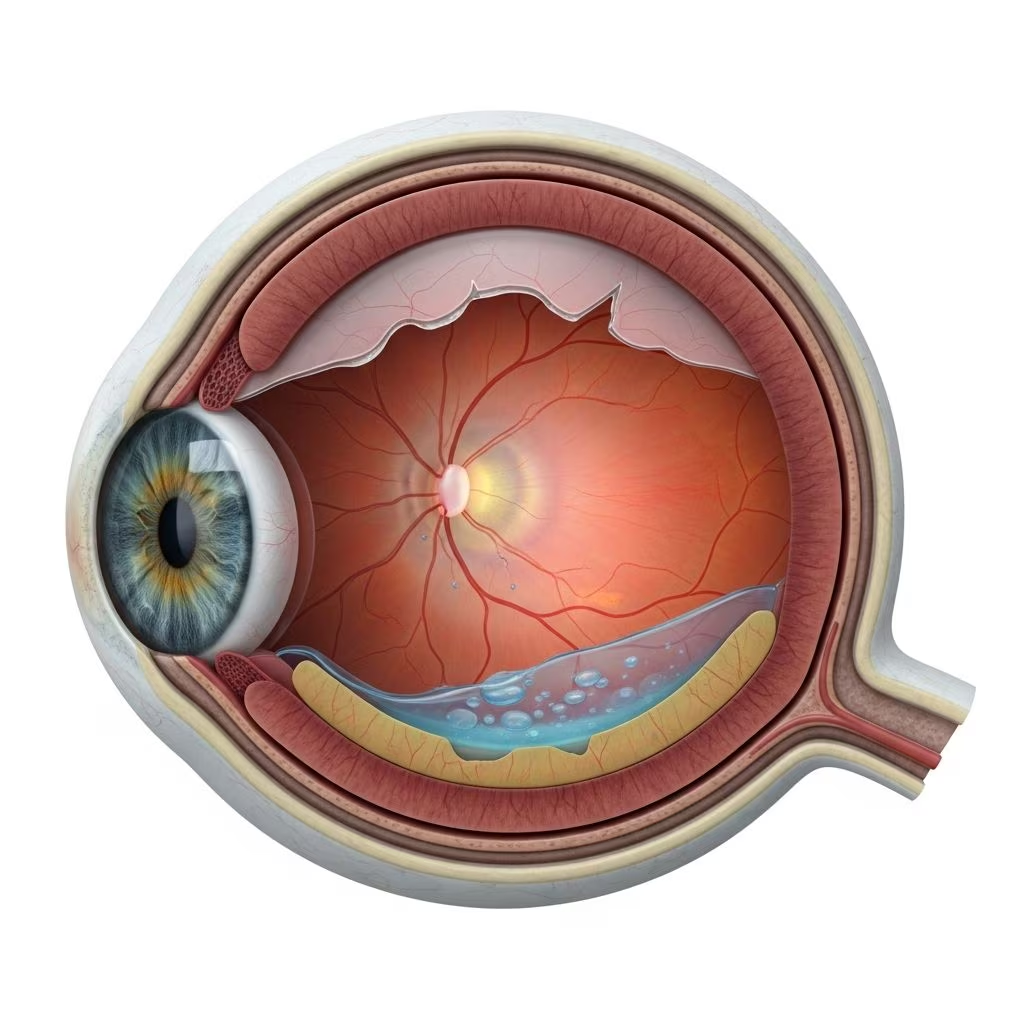
Understanding Retinal Detachment in Cats
Retinal detachment is a serious eye condition that occurs when the retina separates from the underlying tissue in the eye. The retina is essential for vision because it captures light and transmits visual information to the brain. When the retina detaches, it can no longer perform this critical function, resulting in vision loss or complete blindness in the affected eye. Unlike humans who might immediately notice visual disturbances, cats cannot communicate their vision problems to us. Instead, cat owners must remain vigilant about subtle behavioral changes that might indicate their feline companion is experiencing vision difficulties.
The good news is that with early detection and appropriate treatment, some cats can maintain or even regain visual function in the affected eye. However, the prognosis depends heavily on three key factors: the underlying cause of the detachment, the severity of the separation, and how quickly treatment is initiated. Understanding this condition is crucial for any cat owner, as prompt action can make the difference between permanent vision loss and successful recovery.
Signs of Retinal Detachment in Cats
Recognizing the signs of retinal detachment is essential for early intervention. Cat owners should be aware of both obvious and subtle behavioral changes that might indicate vision problems. The most noticeable sign is sudden blindness or significant vision impairment, but cats may not immediately display dramatic symptoms. Instead, look for these warning signs:
- Bumping into furniture or other objects, especially in dim lighting
- Reluctance to jump or navigate stairs
- Reduced movement around the home or reluctance to explore
- Abnormally dilated pupils that fail to respond normally to light
- Unequal pupil sizes (different sized pupils between the two eyes)
- Visible cloudiness or unusual reflectivity in the eye
- Visible redness or blood in the eye (hyphema)
- Head tilting or apparent disorientation
- Decreased interest in visually stimulating activities like hunting toys or watching birds
Behavioral changes are often subtle and may develop gradually, making them easy to miss. If your cat has detachment in only one eye, you might notice that their pupils appear different sizes. Pay close attention to any changes in your cat’s navigation or activity levels, as these are often the first indicators of a vision problem.
Common Causes of Retinal Detachment
Retinal detachment in cats can result from various underlying conditions. Understanding the potential causes helps veterinarians determine the most appropriate treatment approach and may improve the chances of vision restoration. The most common causes include:
- High Blood Pressure (Hypertension): This is the most frequent cause of retinal detachment in cats. Chronic hypertension damages blood vessels in the eye, leading to bleeding and detachment.
- Trauma: Direct injury to the eye or head can cause immediate retinal detachment.
- Inflammation (Uveitis): Inflammation inside the eye can contribute to retinal separation.
- Infectious Diseases: Conditions like feline leukemia (FeLV), feline immunodeficiency virus (FIV), and toxoplasmosis can cause retinal detachment.
- Bleeding Disorders: Conditions that affect blood clotting may lead to bleeding within the eye.
- Tumors: Cancerous growths can cause detachment by pushing on or infiltrating the retina.
- Genetic Factors: Some cats may have congenital predispositions to retinal problems.
- Previous Eye Surgery: Complications from prior ophthalmic procedures can occasionally result in detachment.
Identifying the underlying cause is crucial because treating the primary condition may halt the progression of detachment and improve recovery prospects.
Diagnosis of Retinal Detachment
When you bring your cat to the veterinarian with suspected vision problems, a comprehensive diagnostic approach is essential. Your veterinarian will begin with a thorough eye examination using specialized equipment to visualize the retina and confirm detachment. The diagnostic process typically includes:
- Complete Eye Exam: The veterinarian uses an ophthalmoscope or indirect lens to examine the retina directly and assess the extent of detachment.
- Blood Pressure Measurement: Since hypertension is a leading cause, blood pressure will be checked to evaluate for systemic hypertension.
- Complete Blood Work: Laboratory tests help identify underlying medical conditions such as infectious diseases, thyroid problems, or kidney disease that might be contributing to the detachment.
- Ultrasound: In cases where the retina cannot be clearly visualized, ocular ultrasound may be recommended to assess the extent of detachment.
- Additional Testing: Depending on initial findings, your veterinarian may recommend additional tests to identify infectious diseases or other systemic conditions.
Rapid diagnosis is critical because the longer the retina remains detached, the less oxygen and nutrients it receives. This can lead to irreversible damage to photoreceptor cells, making prompt evaluation essential for preserving vision.
Treatment Options for Retinal Detachment
Treatment for retinal detachment depends on the severity of the condition, the underlying cause, and your cat’s overall health status. Your veterinarian will develop a personalized treatment plan addressing the specific circumstances of your cat’s case.
Medical Management
Blood Pressure Control: If hypertension is identified as the cause, controlling blood pressure is often the first line of treatment. Your veterinarian may prescribe medications such as amlodipine, a calcium channel blocker that effectively reduces blood pressure in cats. Consistent medication adherence and regular blood pressure monitoring are crucial for success. Many cats respond well to blood pressure management, and controlling hypertension may halt progression or even allow the retina to reattach naturally.
Anti-inflammatory Medications: Controlling inflammation is critical in many cases of retinal detachment, particularly those resulting from trauma or inflammatory eye conditions like uveitis. Your veterinarian may prescribe topical steroid eye drops to reduce intraocular inflammation, systemic anti-inflammatory medications for more widespread inflammation, or nonsteroidal anti-inflammatory drugs (NSAIDs) in certain cases. These medications help reduce swelling, pain, and further damage to the retina and surrounding tissues.
Treatment of Underlying Infections: If retinal detachment stems from an infectious cause, treating the underlying infection is paramount. This might involve antibiotics for bacterial infections, antifungal medications for fungal causes, or antiviral drugs for conditions like feline herpesvirus. The specific medication, dosage, and duration depend on the identified pathogen and your cat’s response to treatment.
Surgical Intervention
In some cases, your veterinarian may recommend referral to a veterinary ophthalmologist for surgical evaluation. Several surgical techniques are available to repair retinal detachment:
- Pneumatic Retinopexy: This procedure involves injecting a gas bubble into the eye to push the detached retina back into its proper position against the eye wall.
- Scleral Buckling: A silicone band is placed around the eye to gently push the wall of the eye against the detached retina, helping to reattach it.
- Vitrectomy: The vitreous gel inside the eye is removed and replaced with a substance that helps support retinal reattachment.
These surgical procedures require referral to a veterinary ophthalmologist and carry both risks and benefits that should be thoroughly discussed with your veterinarian before proceeding.
Laser Therapy
For small detachments or tears that haven’t yet progressed to complete detachment, laser therapy may be recommended. This minimally invasive procedure creates small scars that effectively “weld” the retina back to the underlying tissue and prevent further detachment. Laser treatment is generally most successful when performed early in the disease process, before extensive retinal damage has occurred.
Supportive Care and Environmental Modifications
While treating the detachment itself, supportive care helps your cat adjust to vision changes and maintain quality of life. Important environmental modifications include:
- Maintaining a consistent environment layout to help visually impaired cats navigate safely
- Using night lights to aid cats with partial vision loss
- Providing elevated food and water dishes for easier access
- Padding sharp furniture corners to prevent injuries from bumping
- Using sound-based toys to encourage play and mental enrichment
- Creating safe spaces where your cat can move without fear of injury
These accommodations can significantly improve your cat’s quality of life during and after treatment.
Prognosis: Will My Cat’s Vision Return?
The prognosis for retinal detachment in cats depends largely on how quickly treatment is initiated. If retinal detachment is caught and treated early, many cats can typically regain their normal vision, especially if the underlying cause is high blood pressure. When blood pressure is controlled early in the disease process, the retina may naturally reattach and vision can be restored.
However, if retinal detachment goes untreated for even a few days, a cat’s vision may be permanently affected in the detached eye. The longer the retina remains separated from the underlying tissue, the more damage occurs to the photoreceptor cells. Once these cells die from lack of oxygen and nutrients, they cannot be regenerated, resulting in permanent vision loss. In many cases where treatment is delayed, the affected eye remains blind for life, though cats can typically adapt well to monocular vision.
Even when vision is not fully restored, early treatment may halt progression of the detachment and prevent it from affecting the other eye. Some cats experience partial vision recovery, maintaining the ability to detect light and movement even if detailed vision is not restored.
Prevention and Monitoring
While not all causes of retinal detachment can be prevented, several steps can reduce your cat’s risk:
- Regular Veterinary Check-ups: Annual or bi-annual veterinary examinations can identify hypertension and other underlying conditions before they cause retinal damage.
- Blood Pressure Screening: Especially important for senior cats and those with kidney disease, hyperthyroidism, or other conditions predisposing to hypertension.
- Manage Underlying Health Conditions: Proper management of chronic diseases like chronic kidney disease can reduce hypertension risk.
- Trauma Prevention: Keeping indoor cats safe and preventing access to situations that might cause head or eye injuries.
- Infectious Disease Prevention: Maintaining current vaccinations and testing for FIV and FeLV.
Frequently Asked Questions
Q: How quickly does retinal detachment progress?
A: Retinal detachment can progress rapidly, sometimes causing complete blindness within hours to days if untreated. This is why prompt veterinary attention is essential when you notice vision problems or behavioral changes suggesting vision loss.
Q: Can retinal detachment occur in both eyes?
A: Yes, retinal detachment can be unilateral (affecting one eye) or bilateral (affecting both eyes). Bilateral detachment is more common when the underlying cause is systemic, such as hypertension or infectious disease.
Q: What is the cost of treating retinal detachment?
A: Treatment costs vary depending on the approach chosen. Medical management with medications is generally less expensive than surgical intervention. Referral to a veterinary ophthalmologist for surgery can be costly but may be the best option for preserving vision in some cases.
Q: Can cats live normally with vision loss in one eye?
A: Yes, cats adapt remarkably well to monocular vision (vision in one eye only). They can navigate, hunt, and engage in normal activities, though they may be more cautious in dim lighting or on their blind side.
Q: Is retinal detachment painful for cats?
A: Retinal detachment itself is not typically painful, but the underlying cause (such as inflammation or hemorrhage in the eye) may cause discomfort. Your veterinarian will prescribe appropriate pain management if needed.
Q: How often should I have my cat’s eyes checked?
A: Healthy adult cats should have their eyes examined during annual veterinary check-ups. Senior cats (over 10 years old) and those with risk factors for hypertension should be examined twice yearly or more frequently as recommended by your veterinarian.
Q: What should I do if I suspect my cat has retinal detachment?
A: Contact your veterinarian immediately or seek emergency veterinary care if you notice sudden vision loss, dilated pupils, or signs of blindness. The sooner treatment is started, the better the chances of preserving or restoring vision.
References
- Retinal Detachment in Cats — VCA Animal Hospitals. 2024. https://vcahospitals.com/know-your-pet/retinal-detachment-in-cats
- Separation of the Inner Lining of the Eye in Cats — PetMD. 2024. https://www.petmd.com/cat/conditions/eyes/c_ct_retinal_detachment
- Disorders of the Retina, Choroid, and Optic Disk (Ocular Fundus) in Cats — Merck Veterinary Manual. 2024. https://www.merckvetmanual.com/cat-owners/eye-disorders-of-cats/disorders-of-the-retina-choroid-and-optic-disk-ocular-fundus-in-cats
- Retinal Detachment in Small Animals — Merck Veterinary Manual Emergency Medicine and Critical Care. 2024. https://www.merckvetmanual.com/emergency-medicine-and-critical-care/ophthalmic-emergencies-in-small-animals/retinal-detachment-in-small-animals
- Retinal Detachment in Cats: Causes, Treatment and Prognosis — Vetster. 2024. https://vetster.com/en/conditions/cat/retinal-detachment
- Retinal Detachment — Clinician’s Brief. 2024. https://www.cliniciansbrief.com/article/retinal-detachment



