
Retained Placenta In Sheep And Goats: Diagnosis, Management
Essential guide to understanding, preventing, and managing retained fetal membranes in does and ewes for optimal flock health.
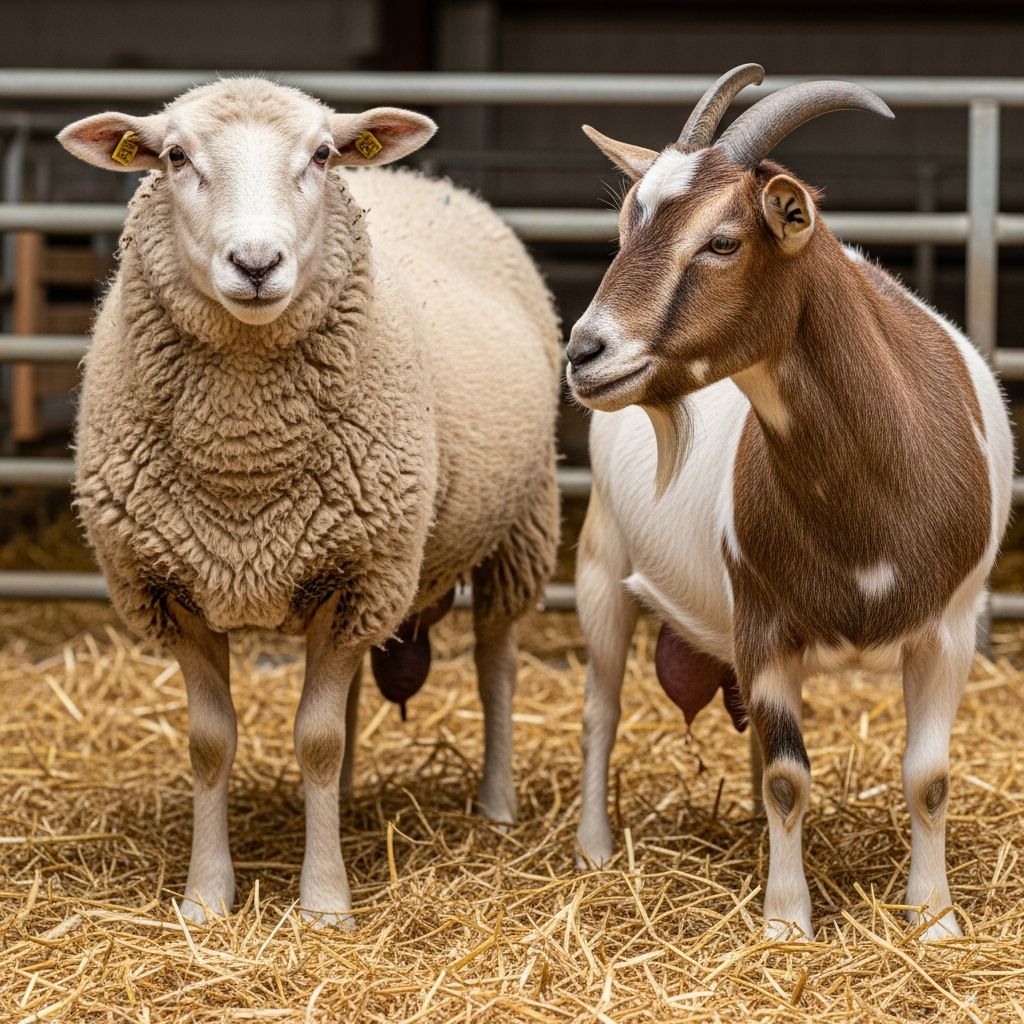
Retained fetal membranes, commonly known as retained placenta, occur when the placental tissues fail to expel naturally within the expected timeframe after birth in sheep and goats. In these species, membranes are typically considered retained if not passed within 24 hours postpartum, distinguishing this condition from cattle where shorter intervals apply. This complication, though less frequent in small ruminants than in bovines, can lead to serious secondary issues like uterine infections if unmanaged.
Normal Parturition Process in Small Ruminants
Understanding the standard expulsion timeline is crucial for identifying abnormalities. In ewes, fetal membranes usually detach and are expelled within 6 hours after lambing, often sooner if no complications arise. For does, the process mirrors this, with full expulsion expected by 24 hours post-kidding. The placenta in sheep and goats features a cotyledonary structure, where fetal cotyledons attach firmly to maternal caruncles in the uterine wall. Natural separation relies on enzymatic degradation, uterine contractions, and bacterial activity at the attachment sites.
During uncomplicated births, hormonal signals like oxytocin and prostaglandin release drive myometrial activity, facilitating membrane shedding. Disruptions in this cascade—such as weakened contractions or impaired immune responses—can prolong retention, setting the stage for bacterial overgrowth and inflammation.
Prevalence and Risk Factors
Retained placenta affects approximately 6.4% of does, with lower incidence in ewes, making it an occasional but noteworthy concern in flock management. Several predisposing elements heighten vulnerability:
- Dystocia: Difficult births strain uterine function, delaying expulsion.
- Nutritional Deficiencies: Low selenium levels or poor gestational diet and exercise correlate with higher rates in goats.
- Multiple Births or Induced Parturition: Twins or early induction overwhelm separation mechanisms.
- Hormonal Imbalances: Insufficient oxytocin or prostaglandin activity impairs contractions.
- Immunosuppression: Weakened postpartum immunity allows persistent attachments.
In sheep, retention is uncommon unless linked to dystocia, emphasizing the role of smooth deliveries in prevention. Draft breeds or heavy animals may face elevated risks analogous to larger species, though data specific to small ruminants is limited.
Recognizing Clinical Signs
Early detection hinges on vigilant postpartum monitoring. Visible placental tissue dangling from the vulva beyond 24 hours signals retention in does and ewes. Accompanying signs include:
- Fetid vaginal discharge indicating bacterial proliferation.
- Lethargy, fever, or anorexia if metritis develops.
- Swollen udder potentially progressing to mastitis.
Ewes with retained membranes often remain appetitive initially, but prolonged cases (>24 hours) invite metritis. Unlike dogs or mares, small ruminants rarely show dramatic toxemia early on, but systemic illness can emerge rapidly. Balloting the abdomen rules out retained fetuses, a key differential step.
Diagnostic Approaches
Diagnosis primarily involves visual inspection and physical exams. Rectal palpation confirms uterine contents, while vaginal exams assess discharge quality and membrane presence. Ultrasonography aids in visualizing retained tissues or fluid accumulations, though it’s less routine in field settings for sheep and goats.
| Method | Purpose | Advantages |
|---|---|---|
| Visual Observation | Detect hanging membranes | Simple, immediate |
| Vaginal Exam | Evaluate discharge, attachments | Direct assessment |
| Abdominal Ballottement | Rule out retained fetus | Non-invasive |
| Ultrasonography | Image uterine contents | Precise, detects complications |
These steps ensure accurate identification, preventing overtreatment in self-resolving cases.
Management Strategies
Conservative approaches prevail, as aggressive interventions risk uterine trauma. Manual removal is contraindicated in sheep and goats due to the cotyledon-caruncle bonds, which cannot be safely separated without damage. Recommended protocols include:
- Gentle Traction: Apply light daily pulls on exposed membranes to encourage natural release, avoiding force.
- Oxytocin Therapy: Administer 10-20 IU intramuscularly every 12 hours to boost contractions until expulsion.
- Systemic Antibiotics: Broad-spectrum options like oxytetracycline for metritis prevention if retention exceeds 24 hours.
- Anti-inflammatories: NSAIDs to mitigate fever and discomfort.
Prostaglandins like fenprostalene show mixed efficacy and are not standard for small ruminants. Unlike mares, where manual extraction was historically practiced (now discouraged due to fibrosis risks), small ruminant management prioritizes expectancy with supportive care.
Potential Complications and Their Handling
Untreated retention fosters metritis, with bacteria ascending to cause endometritis or systemic toxemia. Laminitis, though rarer than in equines, may follow severe infections. Mastitis risks rise with udder engorgement.
Treatment escalates for ill animals: intravenous fluids, intensive antibiotics, and monitoring for septicemia. Prognosis remains favorable with prompt intervention, preserving future fertility.
Prevention Tactics for Flock Owners
Proactive measures reduce incidence:
- Balanced nutrition with selenium supplementation during gestation.
- Assisted normal deliveries to avert dystocia.
- Postpartum monitoring for 48 hours.
- Vaccination against reproductive pathogens.
Flock-level selenium testing and exercise programs for does prove effective.
Insights from Comparative Species
Contrasting with cows (retention >12 hours) or mares (manual removal risks), sheep/goat cases self-resolve more often if uncomplicated. Dogs require ecbolics for toxemia prevention, underscoring species-specific protocols.
Frequently Asked Questions (FAQs)
How long before placenta is retained in goats?
Over 24 hours postpartum.
Is manual removal safe for ewes?
No, it risks uterine damage; use traction and hormones instead.
Does retained placenta affect future fertility?
Rarely, if treated promptly to avoid metritis.
What antibiotics work best?
Broad-spectrum like penicillin or tetracyclines for secondary infections.
Can nutrition prevent it?
Yes, adequate selenium and diet lower risks in does.
This guide equips producers with evidence-based strategies. Consult veterinarians for tailored advice.
References
- Treatment of Retained Fetal Membranes in Farm Animals: A Review — SciTechnol. 2018. https://www.scitechnol.com/peer-review/treatment-of-retained-fetal-membranes-in-farm-animals-a-review-RylF.php?article_id=22787
- Retention of fetal membranes and fetus in Dogs (Canis) — Vetlexicon. 2023. https://www.vetlexicon.com/canis/reproduction/articles/retention-of-fetal-membranes-and-fetus/
- The Visual Guide to Ovine Reproduction: Retained Placenta — University of Florida College of Veterinary Medicine. 2023. https://visgar.vetmed.ufl.edu/en_ovirep/retained-placenta/retained-placenta.html
- Retained Fetal Membranes — Veterian Key. 2016. https://veteriankey.com/retained-fetal-membranes-3/
- Retained Foetal Membranes — Veterinary Handbook. 2024. https://www.veterinaryhandbook.com.au/Diseases.aspx?diseasenameid=234
Similar Articles








Read full bio of medha deb


