

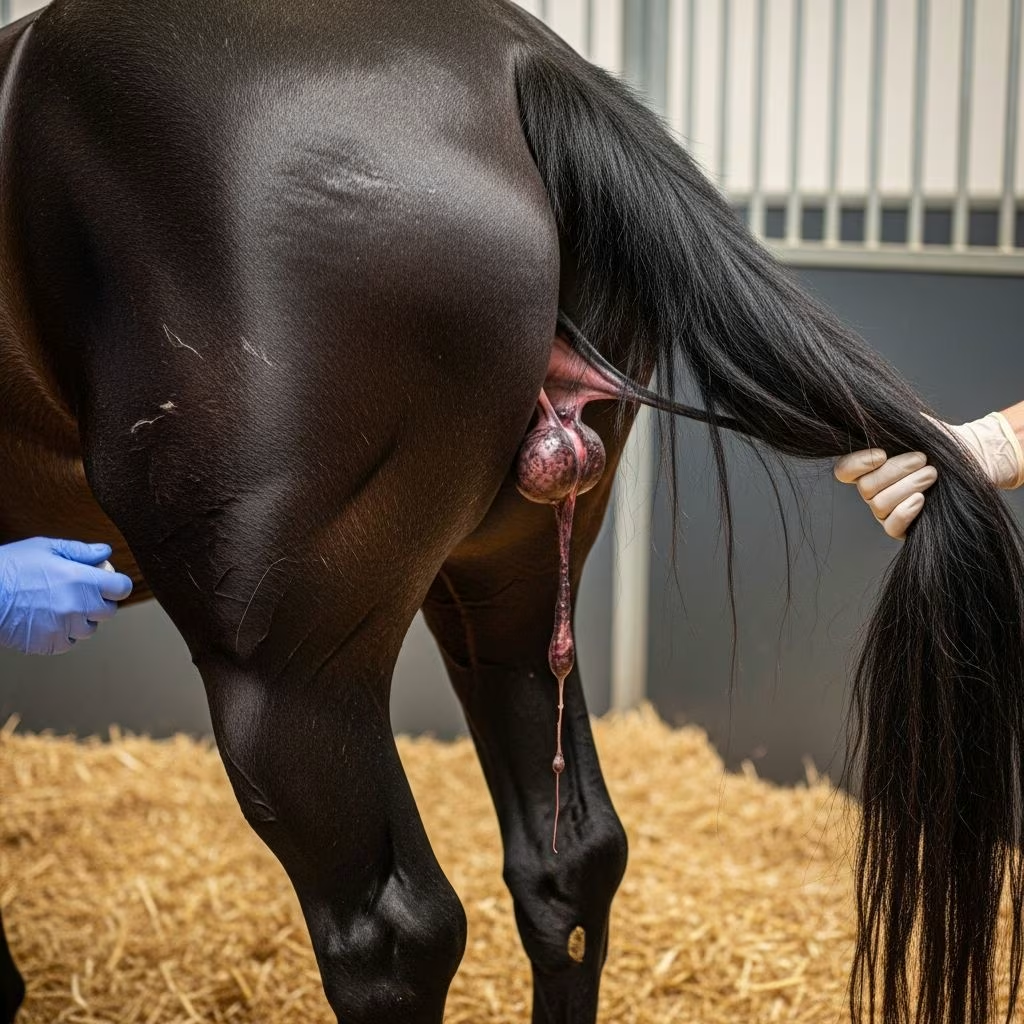
Retained placenta, also known as retained fetal membranes, occurs when a mare fails to expel the placenta within three hours after foaling. This condition demands immediate attention to avert potentially fatal issues such as infections and laminitis. Horse owners must recognize early signs and seek veterinary help promptly to ensure the mare’s recovery and future fertility.
Understanding the Placenta’s Role in Equine Pregnancy
The placenta serves as the lifeline between the mare and her foal during gestation, delivering oxygen, nutrients, and removing waste. In mares, it consists of fetal and maternal components that separate naturally post-delivery through uterine contractions. Normal expulsion happens within 1-3 hours, but delays beyond this timeframe signal trouble.
This separation relies on microvilli detachment from endometrial crypts, a process aided by oxytocin-induced contractions. When this fails, the placenta remains attached, creating a breeding ground for bacteria.12
Primary Causes and Predisposing Factors
Although the precise etiology remains unclear, several factors heighten the risk. Dystocia, or difficult foaling, disrupts normal placental separation due to trauma or exhaustion. Placentitis, an inflammation of placental tissues, compromises attachment integrity.1
- Draft breeds: Breeds like Friesians face higher incidence due to genetic or conformational traits.
- Gestational abnormalities: Short or prolonged pregnancies alter hormonal balances essential for expulsion.
- Maternal factors: Advanced age, uterine atony (weak contractions), abortions, or infections contribute significantly.
- Other risks: Twin pregnancies or nutritional deficiencies may play roles, though less commonly documented.
Research indicates draft mares are particularly vulnerable, with rates up to 10-15% in some populations compared to under 5% in light breeds.3
Recognizing the Signs of Retention
The hallmark symptom is visible placental tissue dangling from the vulva or complete absence of expulsion by three hours post-foaling. Mares may appear normal initially but soon show restlessness, colic-like pain, fever, or foul-smelling discharge as degeneration sets in.
| Symptom | Timeline | Severity Indicator |
|---|---|---|
| Visible membranes | 0-3 hours | Mild – monitor closely |
| Fever, lethargy | 4-8 hours | Moderate – vet needed |
| Colic, laminitis signs | >8 hours | Severe – emergency |
Partial retention can be subtle; always inspect expelled tissue for completeness by matching body zones (e.g., pregnant vs. non-pregnant horns).2
Potential Complications and Their Impact
Untreated retention leads to rapid tissue degeneration, fostering bacterial overgrowth and endotoxin release. This triggers systemic inflammation, manifesting as:
- Metritis: Uterine infection causing pus and delayed involution.
- Endotoxemia: Bloodstream toxins leading to shock or organ failure.
- Laminitis: Hoof inflammation, potentially career-ending for performance horses.
- Septicaemia: Widespread infection with high mortality risk.
Complications escalate after 8-12 hours, with laminitis prevention critical via icing hooves.14 Fertility may suffer if endometritis persists, though most mares rebound with proper care.
Diagnostic Approaches for Confirmation
Diagnosis starts with visual inspection. Veterinarians perform transrectal ultrasonography to detect retained fragments, assessing uterine fluid and wall thickness. Complete placental exams involve spreading the allantochorion on a clean surface to check for tears or missing sections.1
Advanced cases may require bloodwork for leukocytosis or elevated fibrinogen, indicating infection.5
Comprehensive Treatment Protocols
Treatment varies by retention duration. Within 3-8 hours, conservative measures suffice; beyond that, aggressive intervention is essential.
Early-Stage Management (0-8 Hours)
- Tie visible placenta above hocks to prevent contamination and traction.
- Administer oxytocin (20-40 IU IV or IM) to stimulate contractions every 1-2 hours.
- Monitor for expulsion; colic pain may require flunixin meglumine.
Prolonged Retention (>8 Hours)
Escalate to uterine lavage with warm saline (10-20L) via Foley catheter, flushing debris. Broad-spectrum antibiotics (e.g., gentamicin, penicillin) prevent bacterial proliferation. NSAIDs control inflammation.6
Avoid manual pulling to prevent tears, hemorrhage, or prolapse. Specialized techniques like the Dutch method—inflating the placenta with saline—aid detachment in intact cases under 12 hours.4
Laminitis Prevention Strategies
- Deep bedding and frog support.
- Hoof icing for 48-72 hours.
- Restricted movement and NSAIDs.
Advanced Techniques and Innovations
Oxytocin infusions (drip) provide sustained contractions without spasms. Post-removal, siphon uterine exudate. For stubborn cases, combine lavage with intrauterine antibiotics.37 Emerging protocols emphasize early broad-spectrum coverage.
Prognosis and Long-Term Outlook
With prompt treatment, 90%+ mares recover fully, breeding successfully next cycle. Complications like laminitis worsen prognosis; mortality nears 10-20% in severe endotoxemia.12 Fertility remains unaffected long-term in uncomplicated cases.
Prevention Strategies for Horse Owners
While not fully preventable, mitigate risks:
- Monitor high-risk mares (drafts, dystocia history) closely post-foaling.
- Ensure optimal nutrition and placentitis screening during pregnancy.
- Have oxytocin and vet contacts ready at foaling sites.
- Examine all placentas routinely for education.
Vaccination against placentitis pathogens and twin reduction improve odds.5
Frequently Asked Questions (FAQs)
How long is too long for placenta retention in mares?
Anything over 3 hours warrants veterinary contact; treatment intensifies after 8 hours.2
Can I pull the placenta out myself?
No—manual traction risks severe damage. Always consult a vet.1
Will retained placenta affect future pregnancies?
Rarely, if treated promptly; most mares cycle normally within 30 days.4
Is this more common in certain horse breeds?
Yes, draft breeds like Friesians have higher rates.1
What are the first signs of complications?
Fever, depression, bounding digital pulses indicating laminitis.7
Owner Responsibilities Post-Foaling
Check the foal’s bond, dip navel, and inspect placenta immediately. Clean the area to minimize infection. Record events for breeding records. Early vigilance saves lives and preserves equine partnerships.
References
- Retained Placenta in Horses – Causes, Treatment and … – Vetster — Vetster. 2023. https://vetster.com/en/conditions/horse/retained-placenta
- Retained Placenta in Horses – MSD Veterinary Manual — MSD Veterinary Manual. 2025-02-01. https://www.msdvetmanual.com/horse-owners/reproductive-disorders-of-horses/retained-placenta-in-horses
- Retained Fetal Membranes in the Mare – Equine-Reproduction.com — Equine-Reproduction.com. 2022. https://equine-reproduction.com/articles/mares/retained-fetal-membranes
- The “Dutch Technique” for Resolving a Retained Placenta — Fenway Foundation. 2023. https://www.fenwayfoundation.com/post/the-dutch-technique-for-resolving-a-retained-placenta
- Retained Fetal Membranes in Mares – Reproductive System — Merck Veterinary Manual. 2025. https://www.merckvetmanual.com/reproductive-system/retained-fetal-membranes-in-large-animals-retained-placenta/retained-fetal-membranes-in-mares
- Treatment of Retained Fetal Membranes in the Mare—A Practitioner … — PMC (PubMed Central). 2018-06-15. https://pmc.ncbi.nlm.nih.gov/articles/PMC6018472/
- A Practitioner’s Guide to Removing Retained Placentas — EquiManagement. 2024. https://equimanagement.com/research-medical/reproduction/a-practitioners-guide-to-removing-retained-placentas/



