

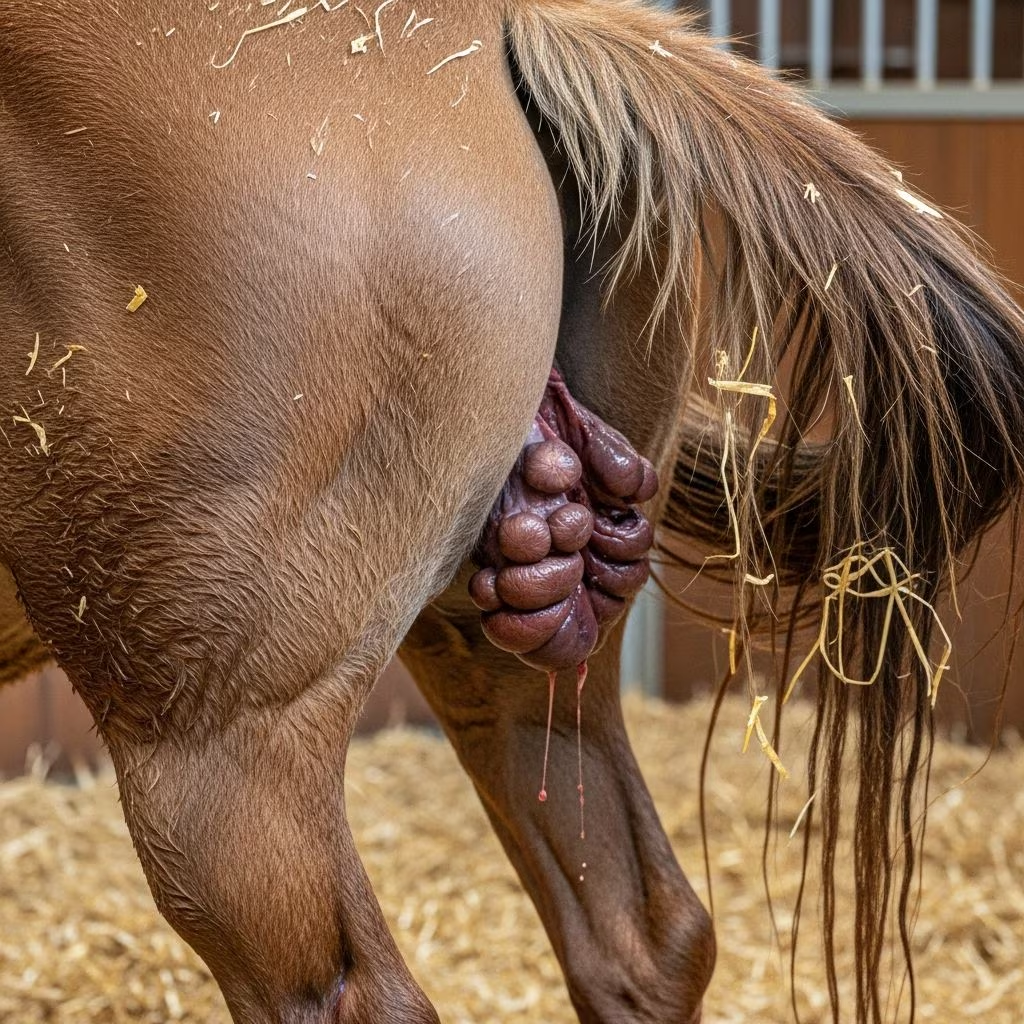
Retained placenta, or retained fetal membranes (RFM), occurs when the equine placenta fails to expel naturally after foaling, typically within three hours. This condition impacts 2-10% of mares, posing risks like infection and laminitis if unmanaged.
Normal Placental Expulsion Process
During a healthy equine pregnancy, the placenta nourishes the fetus via intimate attachment to the uterine lining. Post-partum, hormonal shifts trigger separation, with 95% of mares expelling membranes within four hours and most within one hour. The allantochorion, the outer fetal layer, detaches first, followed by the inner amnion.
- Hormonal role: Prostaglandin F2α and oxytocin facilitate uterine contractions for expulsion.
- Physical separation: Microvilli in uterine crypts release the placenta through enzymatic degradation.
- Timeline: Normal range is 30 minutes to three hours; beyond this signals potential retention.
Prevalence and High-Risk Groups
RFM incidence varies by breed and health status. Light breeds see 2-10.6% rates, while Friesians face 30-54% due to genetic or calcium-related factors.
| Breed/Type | Incidence Rate | Key Risk Notes |
|---|---|---|
| Light Breeds (e.g., Thoroughbred) | 2-10% | Lower baseline; linked to prior issues |
| Friesian/Draft | 30-54% | Higher due to hypocalcemia |
| Standardbred | Variable | Conservative management succeeds |
Recurrence risk increases post-RFM, emphasizing vigilant monitoring in subsequent pregnancies.
Potential Causes of Retention
The precise etiology remains elusive, often multifactorial. Common contributors include:
- Placental abnormalities: Placentitis or edema hinders separation, especially in the gravid uterine horn.
- Uterine issues: Atony from dystocia, premature birth, or hormonal imbalances like elevated progesterone/relaxin.
- Systemic factors: Hypocalcemia in Friesians impairs contractions; advanced maternal age or short gestation heightens vulnerability.
- Site-specific attachment: Retention may localize to one horn or uterine body rather than both.
Edema exacerbates issues by thickening membranes, delaying natural expulsion.
Recognizing the Condition
Diagnosis hinges on visual inspection and timing. Visible membranes dangling from the vulva confirm complete retention; partial cases may lack signs, necessitating manual checks.
- Obvious signs: Placenta protruding variably, from centimeters to ground-length.
- Subtle cases: No external visibility; ultrasound or vaginal exam reveals fragments.
- Threshold: Retention defined post-3 hours, though some experts flag after 1 hour.
Early detection prevents escalation; monitor all mares post-foaling.
Dangers of Untreated Retention
Prolonged RFM invites bacterial invasion, yielding severe sequelae:
- Metritis/endometritis: Uterine infection causes toxemia.
- Laminitis: Endotoxins trigger hoof inflammation, potentially fatal.
- Peritonitis/endotoxemia: Systemic spread threatens life.
- Fertility impact: Delayed involution raises future infertility risk, though recoverable with prompt care.
Draft breeds face amplified metritis/laminitis odds.
Evidence-Based Treatment Strategies
Conservative, oxytocin-led protocols yield excellent outcomes without invasive methods.
Oxytocin Administration
Oxytocin stimulates myometrial contractions, promoting expulsion.
- Bolus: 5-20 IU IV/IM every 30-120 minutes for up to 6 hours.
- Infusion: 60-100 IU in 1L saline over 30-60 minutes.
- Efficacy: Successful in most uncomplicated cases; avoids trauma.
Supportive Interventions
| Intervention | Purpose | Protocol |
|---|---|---|
| Calcium supplementation | Address hypocalcemia (Friesians) | IV calcium gluconate if low serum Ca |
| Uterine lavage | Cleanse debris post-expulsion | Warm saline; post-oxytocin |
| Antimicrobials | Prevent infection >24h retention | Broad-spectrum (e.g., gentamicin) |
| NSAIDs | Reduce inflammation/endotoxemia | Flunixin meglumine IV |
Manual removal is discouraged; it risks endometrial damage, fibrosis, and prolonged cervical dilation. Studies of 356 untreated Standardbreds report no metritis/laminitis.
Special Considerations for Prolonged Cases
Beyond 24 hours, prophylactics intensify: antimicrobials, laminitis prevention (foot care, ice), and monitoring for toxemia. Prognosis remains good with timely action.
Preventive Measures for At-Risk Mares
Proactive steps mitigate RFM:
- Pre-foaling screening: Ultrasound for placentitis; calcium checks in Friesians.
- Post-partum protocol: Routine oxytocin if history of RFM or dystocia.
- Stable management: Quiet environment aids hormonal balance.
- Breeding selection: Note recurrence in high-risk lineages.
Future Fertility After RFM
Most mares regain full fertility post-recovery; no long-term deficits noted. Endometrial biopsies may show transient changes, but conservative care preserves involution. Monitor next cycle closely.
Frequently Asked Questions (FAQs)
What is the standard wait time before diagnosing retained placenta?
Three hours post-foaling; intervene if unexpelled.
Is manual placenta removal safe?
No; risks uterine trauma and fibrosis. Use oxytocin instead.
Why are Friesian mares prone to RFM?
Hypocalcemia impairs contractions; incidence up to 54%.
Can RFM recur?
Yes, prior cases elevate future risk.
What are laminitis prevention steps during RFM?
Anti-endotoxins, NSAIDs, hoof support, and deep bedding.
Conclusion
Retained placenta demands swift, conservative intervention centered on oxytocin to avert complications and preserve mare vitality. Veterinary collaboration ensures optimal post-partum success.
References
- Treatment of Retained Fetal Membranes in the Mare—A Practitioner … — PMC/NCBI. 2018-06-12. https://pmc.ncbi.nlm.nih.gov/articles/PMC6018472/
- Retained Placenta in Horses – MSD Veterinary Manual — MSD Veterinary Manual. 2023. https://www.msdvetmanual.com/horse-owners/reproductive-disorders-of-horses/retained-placenta-in-horses
- A clinical approach to the diagnosis and treatment of retained fetal … — University of Illinois Experts. 2020. https://experts.illinois.edu/en/publications/a-clinical-approach-to-the-diagnosis-and-treatment-of-retained-fe/
- Retained Fetal Membranes | Veterian Key — Veterian Key. 2016. https://veteriankey.com/retained-fetal-membranes-3/
- Retained Fetal Membranes in Mares – Merck Veterinary Manual — Merck Veterinary Manual. 2023. https://www.merckvetmanual.com/reproductive-system/retained-fetal-membranes-in-large-animals-retained-placenta/retained-fetal-membranes-in-mares



