

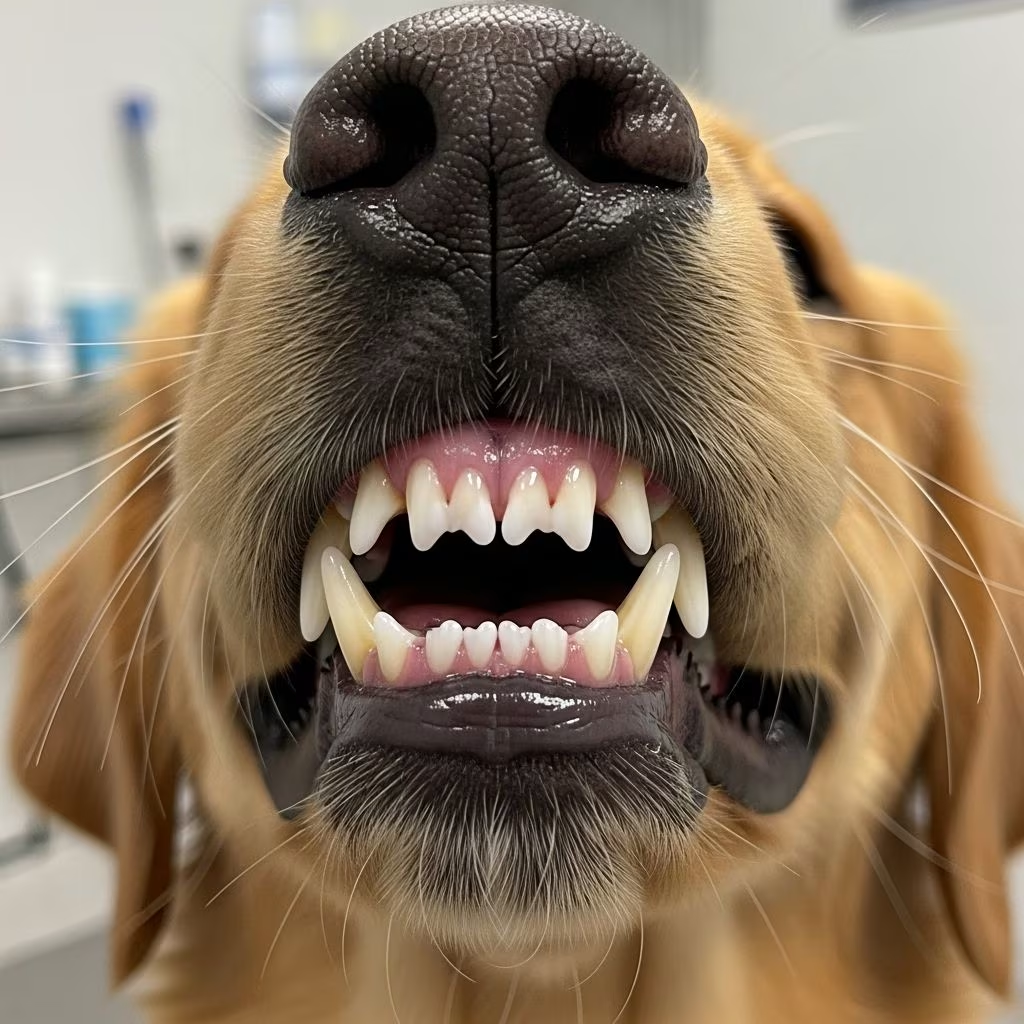
Understanding Retained Deciduous Teeth in Dogs
Retained deciduous teeth, commonly known as baby teeth, occur when a puppy’s primary teeth fail to shed after the permanent adult teeth have erupted. A deciduous tooth is considered persistent or retained as soon as the permanent adult tooth begins to erupt; the adult tooth does not need to be fully erupted for the deciduous tooth to be classified as retained. This condition is particularly common in small breed dogs, including Maltese, Yorkshire Terriers, Pomeranians, and Miniature Schnauzers, though it can occur in dogs of any breed.
Under normal circumstances, the root of a deciduous tooth resorbs (dissolves) as the permanent tooth develops and erupts, causing the baby tooth to naturally shed. However, when a permanent tooth fails to erupt in its correct location or does not erupt at all, the deciduous tooth root does not resorb properly and may remain in place. There should never be two teeth of the same type in the same location at the same time, making prompt identification and treatment essential for maintaining your puppy’s long-term oral health.
Prevalence and Affected Teeth
The most commonly retained deciduous tooth is the upper canine, followed by the lower canine tooth. Incisors represent the third most common retained teeth, though occasionally premolar deciduous teeth can also fail to exfoliate. Small breed dogs are disproportionately affected by this condition, suggesting a genetic or developmental predisposition in these populations.
Critical Health Complications of Retained Deciduous Teeth
Retained deciduous teeth create several serious problems for growing puppies if left untreated. Understanding these complications underscores the importance of early intervention and professional dental care.
Orthodontic Problems and Malocclusion
When a deciduous tooth remains in place while the permanent tooth erupts, the erupting adult tooth is forced to grow in an abnormal position. With a retained maxillary (upper jaw) canine tooth, the permanent tooth typically erupts immediately in front of the deciduous tooth, creating a crowded and misaligned bite. Research has demonstrated that orthodontic problems can develop within just two weeks after adult teeth erupt. This abnormal eruption pathway can result in permanent malocclusion, where the teeth do not align properly when the mouth is closed. If the retained tooth is a lower canine, the permanent lower canine is forced to grow on the inside of the lower jaw, with its tip potentially growing toward the roof of the mouth.
Periodontal Disease and Infection
Retained deciduous teeth significantly increase the risk of periodontal disease. When two teeth occupy the same space, plaque and calculus accumulate between the crowded teeth, creating an ideal environment for bacterial growth. A permanent tooth in contact with a deciduous tooth is often deprived of normal periodontal tissues, weakening the periodontal attachment and increasing susceptibility to future gum disease. The abnormal anatomy resulting from retained teeth creates pockets where food and bacteria become trapped, leading to infection and eventual loss of the permanent tooth if not addressed promptly.
Palatal Trauma
When a retained lower canine tooth grows abnormally toward the roof of the mouth, it can cause direct pain and damage to the palate. This trauma interferes with eating and comfort, potentially causing your puppy to experience chronic discomfort during meals. The pressure from the misaligned tooth against delicate oral tissues can create wounds and inflammation.
Jaw Development Issues
A retained deciduous tooth can interfere with the normal growth and development of jaw bones. The presence of an extra tooth in the dental arch can create dental interlock, preventing proper mandibular growth and development. Additionally, if teeth become misaligned, they can rub against other teeth, wearing away the enamel and weakening the affected teeth over time.
Timeline for Permanent Tooth Eruption
Understanding normal eruption timelines helps veterinarians and pet owners identify retained teeth promptly. The permanent incisors typically erupt between 3 to 4 months of age, while canine teeth erupt between 5 to 6 months of age. All permanent teeth are usually fully erupted by the time a dog reaches 5 to 7 months of age, though eruption times may vary according to breed and individual animal size.
It is critical to examine your puppy’s mouth at least once a week starting from the time deciduous teeth begin to shed, ensuring the prompt removal of any persistent teeth. Early diagnosis of fractured deciduous teeth, deciduous malocclusions, and persistent deciduous teeth allows for immediate treatment, preventing pain and potential pathology of the developing permanent teeth.
Professional Diagnosis and Examination
A thorough intraoral examination should be part of every physical examination, beginning with your puppy’s first veterinary visit. Your veterinarian will assess the presence of both deciduous and permanent teeth, checking for any teeth that remain after their permanent counterparts have erupted.
The Role of Dental Radiographs
Dental radiographs are critical for proper diagnosis and treatment of persistent deciduous teeth. X-rays allow your veterinarian to visualize the root structure of retained teeth and detect any degree of root resorption. The extraction of deciduous teeth can be challenging due to the deciduous tooth’s considerable length and thin walls. Radiographs provide essential information about tooth root anatomy, allowing the practitioner to remove the tooth much less invasively and with greater precision.
Complete Oral Assessment
A complete oral exam and dental radiographs need to be obtained under anesthesia to properly assess persistent teeth and plan appropriate treatment. Your veterinarian will document which teeth are retained, evaluate the position and eruption status of permanent teeth, and assess any existing orthodontic problems or oral trauma.
Treatment and Extraction Process
Why Extraction Is Necessary
Any persistent deciduous teeth should be extracted as early as possible. The longer a persistent deciduous tooth remains in place, the more likely it will push the adult tooth out of normal position. If the persistent deciduous tooth is not extracted in a timely manner, it is unlikely the adult teeth will be able to move into their proper positions without orthodontic treatment.
Do not wait until six months of age to perform extractions when scheduling your puppy’s neutering procedure. Waiting for this window means missing the critical period when the permanent tooth could naturally move into its correct position. Early extraction provides the permanent tooth with the best opportunity to erupt in a normal pattern.
Extraction Technique
The extraction of deciduous teeth requires careful technique to avoid damage to the developing permanent tooth. Your veterinarian will make careful incisions and use appropriate instrumentation to elevate and remove the retained tooth. Some veterinary dentists perform surgical extractions for deciduous canines; however, less invasive closed techniques are often preferred to minimize trauma to surrounding tissues.
Extraction must be performed carefully to avoid accidental damage to the unerupted permanent canine tooth. Your veterinarian will avoid placing elevators along the lingual surface of mandibular deciduous teeth, instead elevating only along the mesial surface (front), labial surface (toward the lip), and distal surface of the deciduous teeth.
Complete Removal of Roots
The retained tooth should always be removed in its entirety, as broken roots can be quite painful and lead to infection. If a retained deciduous tooth has only been partly absorbed, it can become abscessed, requiring additional treatment. Radiographs taken after extraction help confirm complete removal.
Why the “Wait and See” Approach Fails
Some pet owners and even some breeders may suggest waiting to see if the persistent tooth will eventually shed on its own. This approach is not recommended. When a delayed approach is taken to determine whether the persistent primary tooth will exfoliate, the secondary adult tooth often becomes permanently malpositioned, requiring subsequent orthodontic movement, crown reduction, or extraction of additional teeth.
Additionally, some breeders trim the crowns of primary canine teeth in hopes that they’ll shed early and possibly prevent orthodontic problems. Trimming, also known as deciduous tooth crown reduction, is not recommended because it results in pulp exposure, causing the animal pain and risking damage to the developing permanent teeth.
Long-term Consequences Without Treatment
If a retained deciduous tooth is not addressed promptly, several complications may develop. For puppies with severe malocclusion problems or those with untreated retained teeth, it may become necessary to selectively extract other teeth or refer your dog to a veterinary dental specialist for orthodontic treatment to reposition the teeth. This treatment often includes the use of orthodontic devices and may involve multiple veterinary visits over several months.
The permanent loss of teeth due to periodontal disease caused by crowding is preventable with early intervention. If eruption times have passed and permanent teeth are not in their correct positions due to retained deciduous teeth, immediate extraction becomes even more urgent.
Benefits of Early Extraction
Removing the deciduous tooth or teeth provides several important benefits. If the retained tooth is removed early, the permanent tooth has a greater chance of erupting in a normal pattern. Early removal also provides the potential for your dog to achieve full jaw growth by relieving any dental interlock that may prevent mandibular development. Additionally, early extraction eliminates pain created by deciduous tooth contact with the palate or other oral tissues, improving your puppy’s comfort during eating and play.
Frequently Asked Questions
Q: How do I know if my puppy has retained deciduous teeth?
A: You may notice two teeth in the same location, or your puppy may have an abnormal bite. Some retained teeth may not be visible without professional examination. If you suspect retained teeth or abnormal bite, bring your puppy to your veterinary clinic immediately for an oral examination.
Q: At what age should retained deciduous teeth be removed?
A: Retained deciduous teeth should be removed as soon as the permanent tooth erupts. For incisors, this is typically around 3-4 months of age, and for canines, around 5-6 months of age. Do not wait until six months of age or until scheduled neuter/spay surgery.
Q: Can retained deciduous teeth fall out on their own?
A: While some deciduous teeth do shed naturally, persistent teeth that fail to shed when the permanent tooth erupts are unlikely to shed on their own. Waiting for natural shedding significantly increases the risk of permanent orthodontic problems and periodontal disease.
Q: What breeds are most prone to retained deciduous teeth?
A: Small breed dogs are disproportionately affected, including Maltese, Yorkshire Terriers, Pomeranians, and Miniature Schnauzers. However, retained deciduous teeth can occur in dogs of any breed.
Q: Will my puppy experience pain from retained deciduous teeth?
A: Yes, retained deciduous teeth can cause pain, especially if they cause palatal trauma or if the tooth becomes infected. Additionally, the crowding and abnormal tooth positioning can cause discomfort during eating and chewing.
Q: What happens if my puppy has severe malocclusion from retained teeth?
A: In cases of severe malocclusion, your veterinarian may refer you to a veterinary dental specialist (AVDC.org) for orthodontic treatment. This may involve orthodontic devices and multiple treatments over time to reposition the permanent teeth.
Q: Can trimming my puppy’s baby canines prevent retention?
A: No. Trimming deciduous tooth crowns is not recommended because it causes pulp exposure, resulting in pain and potential damage to developing permanent teeth. Extraction is the appropriate treatment.
What to Do If You Suspect Retained Deciduous Teeth
If you notice any persistent deciduous teeth, or if you suspect your puppy has an abnormal bite, take your puppy to your veterinary clinic immediately for a thorough oral examination. Early professional evaluation can prevent serious complications and ensure your puppy develops a healthy, properly aligned bite. Schedule regular dental check-ups during your puppy’s growth period, and examine your puppy’s mouth weekly to catch any retained teeth as soon as they develop. Your veterinarian can determine whether extraction is necessary and recommend the best timing and technique for your individual puppy.
References
- Retained Puppy Teeth — Veterinary Dental Specialties. 2024. https://www.vdspets.com/retained-puppy-teeth/
- The ABCs of Veterinary Dentistry: ‘R’ is for Retained, Primary, Deciduous Teeth — Jan Bellows, DVM, DAVDC, DABVP, FAVD, DVM360. 2024. https://www.dvm360.com/view/abcs-veterinary-dentistry-r-retained-primary-deciduous-teeth
- Deciduous Canine Tooth Removal in the Dog — Today’s Veterinary Practice. 2024. https://todaysveterinarypractice.com/dentistry/deciduous-canine-tooth-removal-in-the-dog/
- Retained Deciduous Teeth in Pets — North Bay Veterinary Dentistry. 2024. https://northbayvetdentist.com/retained-deciduous-teeth-in-pets/
- Retained Deciduous Teeth (Baby Teeth) in Dogs & Cats — Well Pets. 2024. https://www.wellpets.com/blog/71-retained-deciduous-teeth-baby-teeth-in-dogs-cats/
- Persistent Deciduous Teeth (Baby Teeth) in Dogs — VCA Hospitals. 2024. https://vcahospitals.com/know-your-pet/retained-deciduous-teeth-baby-teeth-in-dogs



