

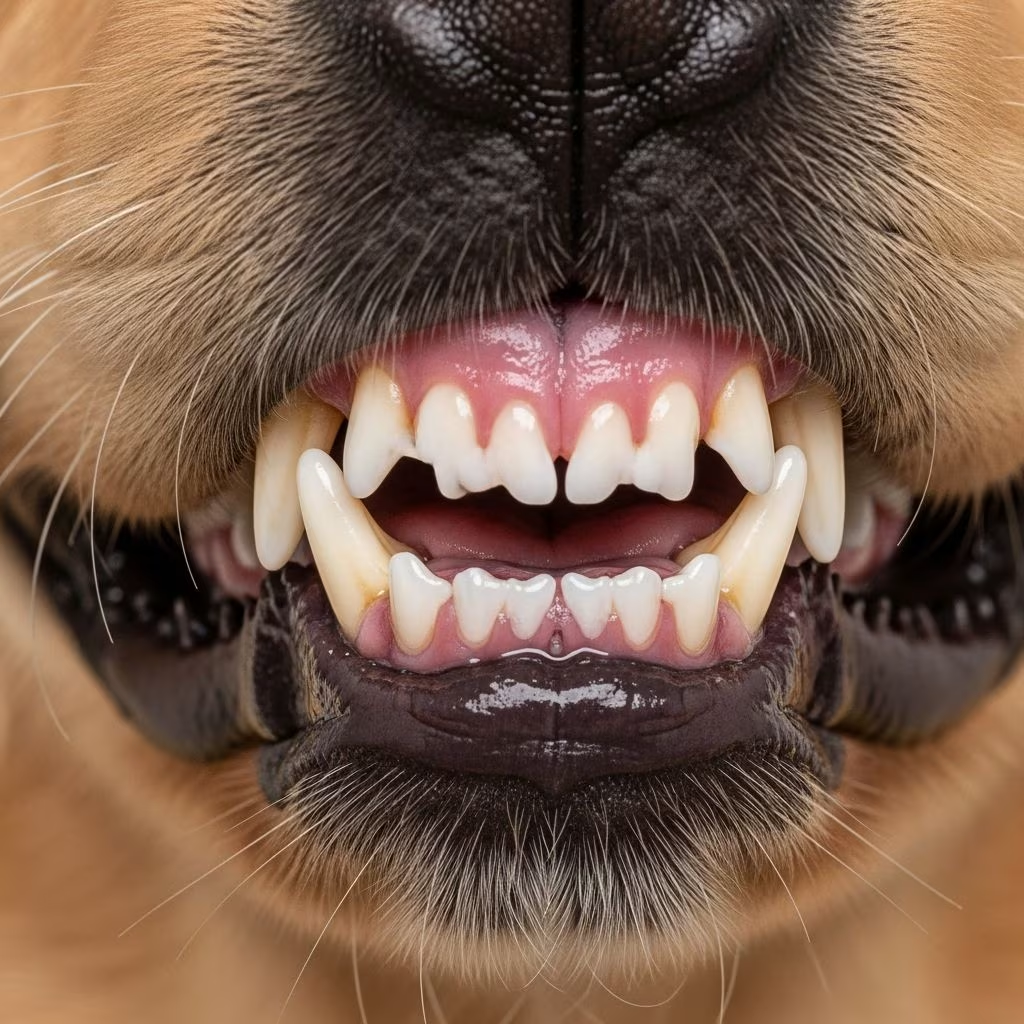
Retained Deciduous Teeth (Baby Teeth) in Dogs
Puppies, like human children, develop two sets of teeth during their lifetime. The first set, known as deciduous teeth or baby teeth, begins to emerge when puppies are just a few weeks old. These temporary teeth are eventually shed and replaced by permanent adult teeth. However, in some cases, the baby teeth do not fall out as they should, remaining in the mouth alongside the erupting permanent teeth. This condition is called retained deciduous teeth, and it requires prompt veterinary attention to prevent serious dental and orthodontic complications.
What Are Deciduous Teeth?
Deciduous teeth are the first set of teeth that develop in puppies. These temporary teeth typically begin to erupt at around three to five weeks of age and continue to develop over several weeks. The complete set of deciduous teeth includes incisors, canines, and premolars. Unlike permanent adult teeth, deciduous teeth are smaller and have thinner enamel, making them more fragile. As a puppy matures, the roots of these baby teeth should gradually resorb or dissolve, allowing the teeth to loosen and shed naturally. This process typically begins around three to four months of age for incisors and five to six months of age for canines.
Understanding Retained Deciduous Teeth
A retained deciduous tooth is defined as a baby tooth that fails to shed when its permanent adult counterpart erupts. This condition occurs when the normal resorption process of the primary tooth root fails to happen as expected. The permanent tooth may erupt beside, in front of, or behind the deciduous tooth rather than in its proper position. In healthy development, there should never be two teeth of the same type occupying the same space in the mouth at the same time. When both teeth are present simultaneously, the condition is considered persistent, and veterinary intervention becomes necessary.
Why Do Retained Deciduous Teeth Occur?
Retained deciduous teeth occur when the roots of baby teeth fail to resorb properly. This typically happens due to malposition of the permanent tooth, which prevents the natural resorption mechanism from functioning correctly. The permanent tooth may erupt in an abnormal location, causing the deciduous tooth root to remain intact rather than dissolving. Small breed dogs are particularly susceptible to this condition, including breeds such as Maltese, Yorkshire Terriers, Pomeranians, and Miniature Schnauzers. The most commonly retained deciduous teeth are the upper canines, followed by lower canines and incisors. Occasionally, premolar deciduous teeth may also fail to exfoliate properly.
Health Complications Associated with Retained Deciduous Teeth
Orthodontic Problems
When a deciduous tooth remains in place, it can force the permanent tooth to erupt in an abnormal position. Research has shown that orthodontic problems can develop within as little as two weeks after the adult tooth erupts. A persistent deciduous canine tooth, for example, typically forces the permanent canine tooth to deviate from its normal pathway and erupt mesially or in an abnormal location. This results in a malocclusion or incorrect bite that can affect the dog’s ability to chew properly and may cause long-term dental issues.
Periodontal Disease
The crowding of deciduous and permanent teeth in the same space creates an ideal environment for bacterial growth and plaque accumulation. Tartar and plaque build up between the two teeth, leading to gum inflammation and eventual periodontal disease. The abnormal anatomy resulting from two teeth occupying the same space weakens the periodontal attachment, increasing the dog’s susceptibility to future gum disease. The permanent tooth that is in contact with a retained deciduous tooth is often deprived of normal periodontal tissues, making it more vulnerable to decay and loss.
Palatal and Soft Tissue Trauma
In severe cases, particularly with retained lower canines, the permanent tooth can be forced to grow inward toward the roof of the mouth. This positioning causes the tooth tip to grow toward the palate, creating pain and damage to the roof of the mouth. This condition makes it difficult for the pet to eat comfortably and can lead to chronic discomfort. Additionally, retained teeth can interfere with normal jaw growth and development, potentially causing permanent structural problems.
Infection and Abscessation
If a retained deciduous tooth root has been only partially absorbed, it can become abscessed, leading to infection and pain. Broken or fractured roots left in the jaw can be particularly problematic, as they may cause ongoing infection and discomfort that owners might not immediately recognize.
Most Common Locations for Retained Teeth
While retained deciduous teeth can occur in various locations, certain teeth are more commonly affected than others:
– Upper canine teeth (most common)- Lower canine teeth (second most common)- Incisor teeth (third most common)- Premolar teeth (occasionally affected)
Small breed dogs experience retained deciduous teeth more frequently than larger breeds, suggesting a genetic predisposition in certain lineages.
Diagnosis of Retained Deciduous Teeth
Clinical Examination
A thorough intraoral examination should be part of every puppy’s physical examination, beginning with the first veterinary visit. Your veterinarian will visually inspect your puppy’s mouth to identify any baby teeth that remain in place after the permanent teeth have erupted. Early diagnosis allows for immediate treatment, preventing pain and potential pathology of the developing permanent teeth. Pet owners should examine their puppy’s mouth at least once weekly to ensure the prompt identification and removal of any retained teeth.
Dental Radiographs
Dental radiographs (X-rays) are critical to the proper diagnosis and treatment of retained deciduous teeth. Radiographs reveal important information about the root structure, including whether the root has undergone resorption. This information is essential because the extraction of deciduous teeth can be challenging due to the tooth’s considerable length and thin walls. In cases where the root has been partially resorbed, extraction becomes even more complex. Radiographs allow the veterinarian to plan the most appropriate extraction technique and minimize complications during the procedure.
Treatment of Retained Deciduous Teeth
Early Extraction is Essential
The primary treatment for retained deciduous teeth is surgical extraction. Any persistent deciduous teeth should be extracted as early as possible to give the permanent tooth the best chance of moving into its normal position. The timing of extraction is crucial. Waiting until six months of age or delaying extraction until the time of neutering can result in permanent malocclusion that requires additional orthodontic treatment. Early intervention provides the adult tooth with optimal opportunity to erupt in the correct location.
Extraction Process
The extraction of deciduous teeth requires careful technique to avoid damaging the underlying permanent tooth. After examining intraoral radiographs, your veterinarian will carefully extract the retained tooth, taking precautions to avoid accidental damage to the unerupted permanent tooth that lies nearby. The tooth must be removed in its entirety, as broken roots can be quite painful and lead to infection. Some veterinary dentists perform surgical extractions, particularly for deciduous canines, using specialized instruments and techniques to minimize trauma.
Anesthesia Requirements
A complete oral examination and dental radiographs must be obtained under general anesthesia to properly address persistent teeth. This ensures your veterinarian can thoroughly evaluate the entire mouth and safely extract all retained teeth without causing additional trauma to your puppy.
What Happens if Extraction is Delayed?
If a persistent deciduous tooth is not extracted in a timely manner, the adult teeth will likely be unable to move into their proper positions without orthodontic intervention. In cases where extraction is delayed, the permanently mispositioned tooth may require orthodontic treatment or additional extractions to correct the bite. Some puppies with severe malocclusion problems may need to be referred to a veterinary dental specialist for advanced orthodontic treatment, which often includes the use of orthodontic devices. Delaying extraction essentially guarantees that your puppy will require more extensive and costly dental treatment in the future.
Why Crown Reduction is Not Recommended
Some breeders and pet owners attempt to trim the crowns of retained deciduous teeth, hoping the teeth will shed earlier and prevent orthodontic problems. However, this approach is strongly discouraged by veterinary dentists. Deciduous tooth crown reduction results in pulp exposure, causing the animal pain and risking damage to the development of surrounding permanent teeth. This technique does not solve the underlying problem and creates additional complications.
Monitoring and Prevention
Regular Oral Examinations
Examine your puppy’s mouth at least once per week, particularly between three and seven months of age when most teeth are erupting. Look for any baby teeth that remain in place after the permanent teeth have started to come in. If you notice any retained teeth or suspect your puppy has an abnormal bite, contact your veterinary clinic immediately for a thorough examination.
Professional Dental Care
Schedule regular veterinary dental checkups during your puppy’s first year of life. Your veterinarian can monitor tooth eruption, identify retained teeth early, and recommend extraction if necessary. Early intervention significantly improves outcomes and prevents serious complications.
Long-Term Benefits of Early Extraction
When retained deciduous teeth are extracted early, several positive outcomes are possible. The permanent tooth has a greater chance of erupting in a normal pattern. Additionally, extracting retained deciduous teeth or teeth with malocclusions provides the potential for the dog to achieve full growth through relief of any dental interlock that may prevent mandibular growth. Early treatment also eliminates pain created by deciduous tooth contact with the palate and other oral structures.
When to Seek Specialist Care
While many veterinarians can extract retained deciduous teeth, complex cases involving severe malocclusions or multiple retained teeth may benefit from referral to a board-certified veterinary dentist. These specialists have additional training and expertise in handling complicated dental situations and can provide orthodontic treatment when necessary to reposition teeth correctly. You can find a veterinary dental specialist through the American Veterinary Dental College (AVDC) directory.
Frequently Asked Questions
Q: At what age should my puppy’s baby teeth be completely shed?
A: Most puppies have all their permanent teeth by five to seven months of age. Baby teeth typically begin to shed around three to four months for incisors and five to six months for canines. If any baby teeth remain beyond seven months, consult your veterinarian.
Q: How do I know if my puppy has retained deciduous teeth?
A: You may see two teeth in the same location, or notice that baby teeth are still present after permanent teeth have begun erupting. Your veterinarian can diagnose the condition during a physical examination and with dental radiographs.
Q: Is retention of deciduous teeth painful for puppies?
A: Yes, retained deciduous teeth can cause pain, particularly if they cause palatal trauma or if the tooth becomes infected or abscessed. Even if your puppy doesn’t show obvious signs of pain, the condition causes discomfort and requires treatment.
Q: Can retained deciduous teeth correct themselves without treatment?
A: No, retained deciduous teeth will not shed on their own once the permanent tooth has erupted. Early extraction is necessary to prevent permanent malocclusion and other complications.
Q: What breeds are most susceptible to retained deciduous teeth?
A: Small breed dogs are most commonly affected, including Maltese, Yorkshire Terriers, Pomeranians, and Miniature Schnauzers. However, the condition can occur in any breed.
Q: Is extraction of retained deciduous teeth expensive?
A: The cost varies depending on the number of teeth affected and the complexity of the extraction. Early treatment is generally less expensive than treating the complications that develop from delayed extraction, including orthodontic treatment and additional dental procedures.
Conclusion
Retained deciduous teeth are a common condition in puppies, particularly in small breed dogs, that requires prompt veterinary attention. Left untreated, this condition can lead to serious complications including malocclusion, periodontal disease, palatal trauma, and infection. The good news is that early extraction of retained deciduous teeth is a straightforward procedure that significantly improves outcomes and prevents long-term dental problems. As a responsible pet owner, regular examination of your puppy’s mouth and early veterinary intervention will ensure your dog develops a healthy, properly functioning bite that will last a lifetime. If you suspect your puppy has retained deciduous teeth, contact your veterinarian immediately to discuss the best treatment options for your dog.
References
- Retained Puppy Teeth — Veterinary Dental Specialties. Accessed November 2025. https://www.vdspets.com/retained-puppy-teeth/
- The ABCs of Veterinary Dentistry: ‘R’ is for Retained, Primary, Deciduous Teeth — DVM360, Jan Bellows, DVM, DAVDC, DABVP, FAVD. https://www.dvm360.com/view/abcs-veterinary-dentistry-r-retained-primary-deciduous-teeth
- Retained Deciduous Teeth (Baby Teeth) in Dogs and Cats — Well Pets. https://www.wellpets.com/blog/71-retained-deciduous-teeth-baby-teeth-in-dogs-cats/
- Deciduous Canine Tooth Removal in the Dog — Today’s Veterinary Practice. https://todaysveterinarypractice.com/dentistry/deciduous-canine-tooth-removal-in-the-dog/
- Retained Deciduous Teeth in Pets — North Bay Veterinary Dentistry. Accessed November 2025. https://northbayvetdentist.com/retained-deciduous-teeth-in-pets/
- Are Retained Deciduous Teeth Painful — Moncton Animal Hospital, October 2024. https://www.monctonanimalhospital.com/resources/blog/october-2024/are-retained-deciduous-teeth-painful



