Restoring Peace Between Fighting Dogs
Expert strategies for safely reintroducing dogs after aggressive encounters
When dogs living in the same household engage in a serious fight, the aftermath can be fraught with tension and uncertainty. Pet owners often wonder if their dogs can ever coexist peacefully again. The reality is that with patience, structured protocols, and evidence-based behavioral techniques, most dogs can successfully rebuild their relationship and resume normal household dynamics. This comprehensive guide outlines the essential strategies for safely reintroducing dogs after a fight.
Understanding the Recovery Phase
Immediately following a serious altercation between household dogs, the first priority is addressing any physical injuries. Once veterinary concerns have been resolved, the emotional and psychological impact of the incident requires attention. Dogs that have experienced a traumatic fight often exhibit heightened anxiety, increased vigilance, and altered social responses to their former companion. The recovery phase is not merely about time passing; it requires deliberate intervention to help both animals process the experience and rebuild confidence in each other’s presence.
During this critical period, complete separation becomes necessary. Physical barriers such as baby gates, ex-pens, or separate rooms prevent unexpected encounters and reduce stress for both animals. This separation allows each dog to decompress without the constant reminder of the conflict. The duration of this phase varies based on the severity of the fight and individual temperament differences, but most dogs benefit from at least several days to a week of total separation before beginning reintroduction work.
Building Positive Associations Through Controlled Exposure
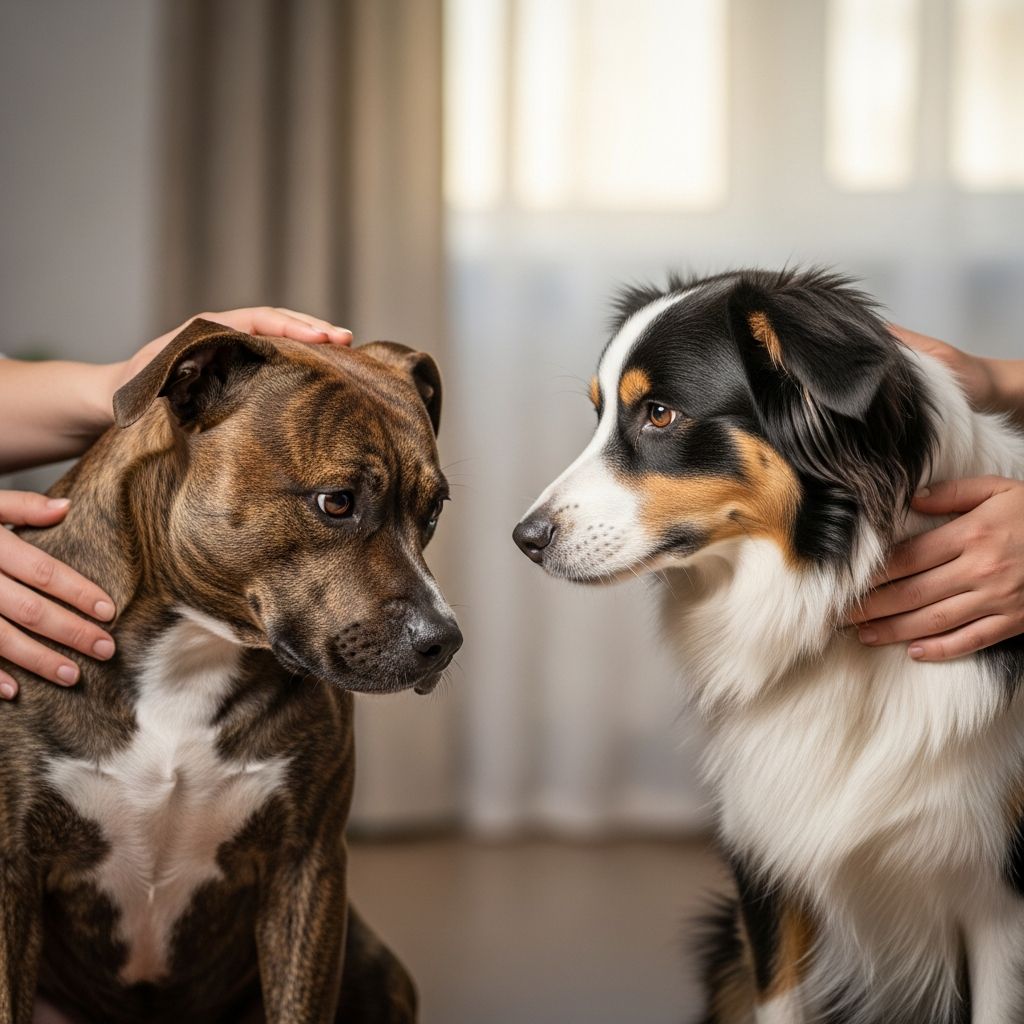
One of the most effective initial strategies involves creating positive associations between the dogs’ presence and rewarding experiences. This counterconditioning approach reverses the negative emotional response each dog may have developed toward the other. The technique involves positioning the dogs on opposite sides of a physical barrier where they can see each other but maintain complete safety.
During these sessions, handlers distribute high-value treats to both animals simultaneously while they remain visible to each other. The critical element is timing: treats appear only when both dogs are present and calm. After 10 to 20 seconds of treating, one dog is removed from sight and all treats immediately cease. This creates a powerful association where the other dog’s presence signals the arrival of rewards. Within just a few days of consistent practice, most dogs demonstrate measurable behavioral shifts, including decreased postural tension and increased interest in engaging positively with their housemate.
Handlers should observe and reinforce any pro-social behaviors during these sessions. When dogs signal friendly intentions such as soft eye contact, relaxed ears, or gentle sniffing through the barrier, enthusiastic verbal praise and additional rewards strengthen these behaviors. The goal is to establish a new emotional framework where each dog anticipates positive outcomes from the other’s presence.
Structured Outdoor Experiences: Parallel Walking
Once dogs demonstrate relaxed behavior during barrier-based sessions, outdoor parallel walking provides the next progression. This involves walking both dogs simultaneously on leash in the same vicinity, initially at a distance that maintains calm behavior. The handler maintains focus on the dogs’ emotional states rather than rigid positioning.
As dogs demonstrate sustained relaxation, the distance between them gradually decreases. The key principle is constant responsiveness to behavioral cues. If either dog shows signs of tension, anxiety, or escalating arousal, the handler immediately increases distance, creating more space between the animals. Conversely, when both dogs display soft, relaxed body language, the handler incrementally moves them closer together. This responsive approach ensures dogs never become overwhelmed during the reintroduction process.
Parallel walks often reveal surprising developments in dog interactions. Many dogs begin sniffing each other while walking, following one another to areas of environmental interest, and even engaging in collaborative behaviors like marking special scents together. These natural interactions rebuild the foundation of their relationship in a low-pressure outdoor setting. Outdoor parallel walking typically represents a turning point where dogs begin functioning as a coordinated unit rather than adversaries.
The Protocol for Relaxation: Indoor Reintegration
Transitioning dogs from outdoor success to indoor coexistence requires additional preparation. The Protocol for Relaxation is a structured behavioral technique that teaches dogs to maintain calm, settled behavior while activities occur around them. This protocol involves guiding dogs to lie on individual mats, rewarding any settling behavior, and gradually introducing mild distractions while maintaining the relaxed state.
To apply this protocol during reintroduction, handlers initially position both dogs on separate mats on opposite sides of a baby gate. This maintains visual separation while allowing habituation to each other’s presence in an indoor context. Once dogs consistently remain relaxed during these sessions, the gate barrier is removed, and dogs lie on mats placed side-by-side. A tether attached to one dog may provide additional security during early sessions.
The protocol should be conducted once or twice daily for approximately one week before removing tethering and safety equipment. This measured progression allows dogs to demonstrate sustained relaxation in increasingly closer proximity. Only when both animals consistently display soft, settled behavior on their mats should handlers proceed to unsupervised interaction attempts.
Progressive Unsupervised Interaction
The transition from heavily supervised training sessions to limited unsupervised time requires careful planning. Initial unsupervised periods should last only 2 to 5 minutes and occur only when the handler is nearby and able to intervene if necessary. These brief interactions might involve dogs passing each other in hallways, sharing common spaces briefly, or existing in the same room while engaged in separate activities.
The duration of unsupervised time gradually increases as dogs demonstrate consistent friendly or neutral behavior. Most dogs benefit from extended separation between these supervised sessions, with full separation maintained except during scheduled interaction periods. This gradual building process typically spans several weeks, with the timeline varying based on individual dog temperaments and the specific circumstances of the original fight.
About three weeks into the reintroduction process, many dogs begin reengaging in play behavior. Initial play sessions are often tentative, with frequent breaks and exaggerated body language that conveys non-threatening intent. As comfort levels increase, play becomes more relaxed and fluid, gradually returning to pre-fight patterns. When dogs independently initiate positive interactions and demonstrate sustained peaceful coexistence, the reintroduction is substantially complete.
Extended Separation and Lifestyle Management
Even after successful reintroduction and apparent conflict resolution, responsible multi-dog households maintain some level of separation during periods when direct supervision is impossible. Many households continue separating dogs during typical absence periods or nighttime, preventing potential escalation in unsupervised contexts. This proactive approach protects the relationship gains made during reintroduction.
Long-term success often depends on managing environmental factors that trigger tension. High-value resources such as food items, toys, or resting spaces should be distributed throughout the home or removed during periods when both dogs have access to shared spaces. Feeding dogs in separate locations eliminates competition over resources and maintains peaceful mealtime routines. These practical management strategies support the behavioral progress dogs have achieved.
Key Principles for Successful Reintroduction
- Patience is non-negotiable: Rushing through reintroduction exercises or pushing dogs beyond their emotional comfort zones often results in regression or renewed conflict. Each dog progresses at their own pace, and the timeline cannot be accelerated without consequences.
- Physical and emotional healing requires time: Dogs need adequate recovery from both the physical trauma of fighting and the emotional impact of the conflict. Allowing this natural healing process supports faster behavioral progress once reintroduction begins.
- Consistency in protocols strengthens outcomes: Dogs learn through repeated, consistent experiences. Maintaining the same exercise sequence, duration, and reward structure across sessions accelerates learning and builds confidence.
- Observation skills are essential: Handlers must become expert observers of subtle body language shifts, recognizing when to increase distance or move to the next progression step based on real-time behavioral feedback rather than predetermined timelines.
- Professional guidance provides valuable support: Consulting with certified animal behaviorists or experienced trainers familiar with aggression issues helps tailor protocols to specific situations and prevents common mistakes.
Frequently Asked Questions
How long does successful reintroduction typically require?
Most dogs require a minimum of four to six weeks for successful reintroduction after a serious fight, with some cases requiring two to three months. The timeline depends on fight severity, individual temperament, breed factors, and consistency of implementation. Attempting to accelerate this process usually results in setbacks.
Can dogs that have fought seriously ever be left unsupervised together?
Many dogs can successfully coexist without constant supervision after proper reintroduction. However, responsible owners often maintain separation protocols during typical absence periods as a precautionary measure, particularly if the original fight was severe.
What signs indicate the reintroduction process is progressing successfully?
Positive indicators include decreased postural tension, spontaneous friendly signaling, relaxed body language during proximity, reduced anxiety responses, and initiation of play or cooperative behaviors. Conversely, persistent stiffness, avoidance, or stress signals suggest slower progression is necessary.
Should professional help be sought immediately after a dog fight?
Professional behavioral consultation provides valuable guidance, particularly for serious fights, dogs with established aggression histories, or households where the owners lack experience with behavior modification. Early professional input often prevents mistakes and accelerates successful outcomes.
References
- Dog-Dog Aggression Between Housemates Part Four: Training — Paws 4 U Dogs (Blog). 2015. https://paws4udogs.wordpress.com/2015/06/09/dog-dog-aggression-between-housemates-part-four-training/
- The Protocol for Relaxation: A Step-by-Step Guide to Behavior Modification — International Association of Canine Professionals (IACP). Accessed 2026. https://canineprofessionals.com/
- Canine Behavior: A Photo Illustrated Handbook — Barbara Handelman. Dogwise Publishing. 2012. https://www.dogwise.com/
- Management and Modification of Intraspecific Aggression in Dogs — American Veterinary Society of Animal Behavior (AVSAB). 2018. https://avsab.org/
Similar Articles








Read full bio of medha deb