

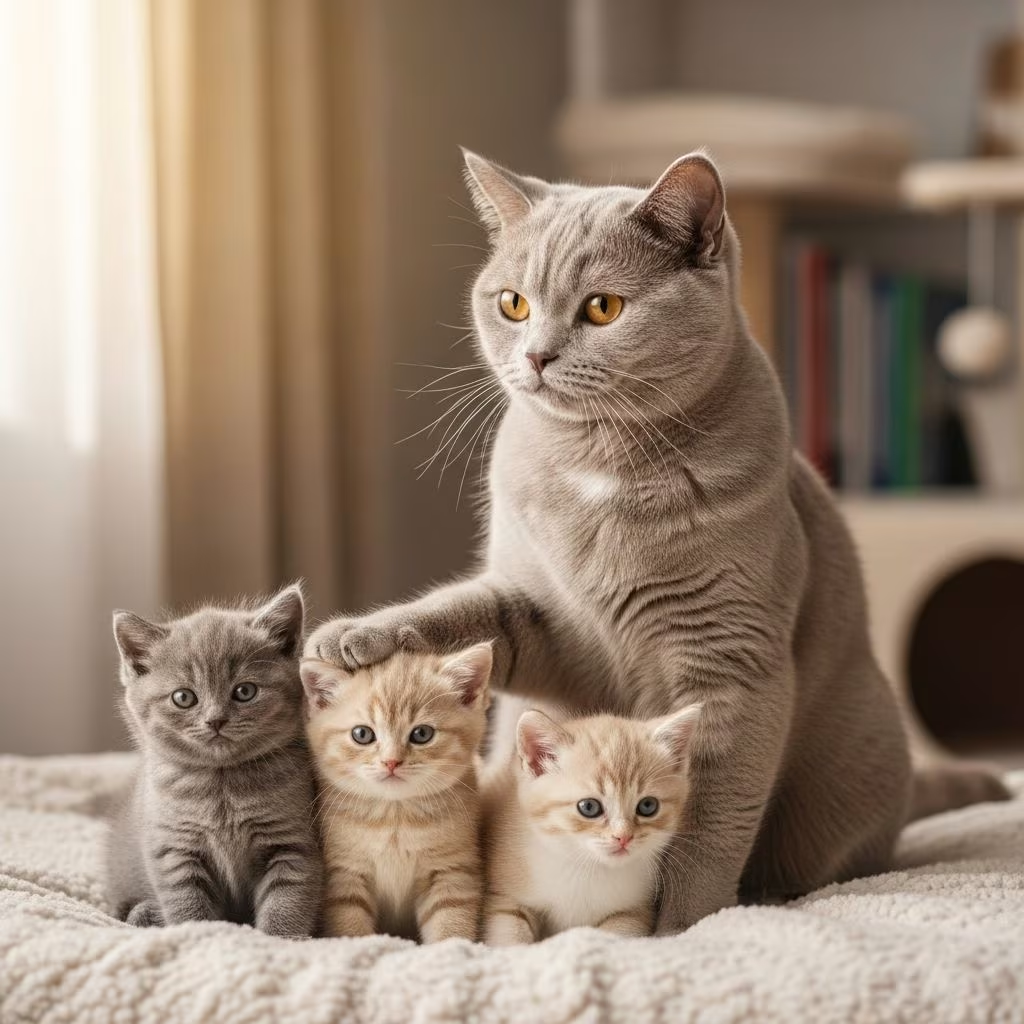
Breeding cats is a significant responsibility that extends far beyond simply allowing two cats to reproduce. Prospective breeders must understand the biological, genetic, ethical, and financial dimensions of this commitment. Whether you’re considering breeding pedigree cats or establishing a small cattery, this comprehensive guide outlines the foundational knowledge and practical steps necessary to breed responsibly and ethically.
Understanding the Biological Foundation of Feline Reproduction
Before embarking on a breeding program, it is essential to comprehend how cats reproduce biologically. Unlike many other species, female cats are induced ovulators, meaning that ovulation occurs only in response to mating rather than at predictable intervals. This unique reproductive mechanism has significant implications for breeding timing and success rates.
When a queen (female cat) is in estrus, she does not automatically release eggs from her ovaries. Instead, the act of mating itself triggers the hormonal cascade that stimulates ovulation. Research indicates that between 35 and 60 percent of cats in a controlled breeding colony may spontaneously ovulate, but the majority require the stimulus of mating. Once ovulation is triggered, the female typically exits her heat cycle within one to two days.
Female cats can reach sexual maturity quite early. While the most common age for female cats to enter their first heat cycle is between six and nine months of age, some cats can become pregnant as early as four months old. This early fertility underscores the importance of spaying if breeding is not intended.
Optimizing Breeding Timing and Fertility Outcomes
For breeders aiming to maximize the likelihood of successful conception, understanding optimal timing within the estrus cycle is crucial. The timing of mating during a queen’s heat cycle significantly influences fertility outcomes.
- Estrus Duration and Optimal Breeding Window: Breeding on the second and third days of estrus has been demonstrated to be most effective for achieving conception.
- Multiple Mating Strategy: To ensure reliable ovulation, queens should be allowed to mate multiple times during estrus. A minimum of four matings per day, spaced at least two to three hours apart, substantially increases the chances of successful conception.
- Induced Ovulation Response: Most female cats require three to four matings within a 24-hour period to reliably trigger ovulation.
Pre-breeding health management is equally important for maximizing fertility. Before breeding commences, the queen must be in optimal health status. This includes conducting a thorough veterinary examination, updating all vaccinations, screening for infectious diseases such as feline leukemia virus (FeLV) and feline immunodeficiency virus (FIV), maintaining a balanced diet with appropriate body condition, and addressing any underlying health conditions that could compromise fertility.
Selecting Appropriate Breeding Stock
The foundation of a responsible breeding program rests upon careful selection of the breeding cats themselves. This selection process involves multiple interconnected considerations that go far beyond aesthetic preference.
Health Screening and Genetic Testing
Prospective breeding cats must undergo comprehensive health evaluation before reproduction. The queen should be 18 to 24 months of age and possess a healthy body condition before breeding is considered. Health screening should include genetic testing, blood type verification, and screening for breed-specific diseases. Resources such as feline genetic testing databases can provide comprehensive assessments to ensure the health and well-being of breeding cats.
Breed Standards and Pedigree Documentation
Each recognized cat breed has established breed standards that define the ideal physical and temperamental characteristics. Before selecting breeding cats, prospective breeders should thoroughly familiarize themselves with breed standards established by major cat associations such as the Cat Fanciers’ Association (CFA) or The International Cat Association (TICA). Selected breeding cats should meet these breed standards and possess strong pedigrees demonstrating problem-free breeding histories. This adherence to breed standards helps maintain breed integrity and ensures that offspring accurately represent the breed’s established characteristics.
Temperament and Genetic Compatibility
Beyond physical characteristics, temperament is a crucial consideration. The first breeding requirement is a healthy female with no outstanding faults that is typical of the breed and possesses a good temperament. When considering a stud cat, breeders should verify that the male has confidence and appropriate temperament for breeding. Temperament incompatibility—such as a timid male paired with a dominant female—can result in breeding difficulties.
Acquiring Quality Breeding Stock
When starting a breeding program, it is wise to acquire breeding cats from established breeders who can provide health certifications and comprehensive pedigree records. The breeder of your initial female cat, breed club connections, or recommendations from other reputable breeders in your region can assist in identifying suitable stud cats.
Professional Development and Education
Responsible breeding requires ongoing education and professional development. The knowledge required to breed ethically and successfully extends well beyond general cat care and includes specialized understanding of genetics, breed-specific health issues, legal responsibilities, and ethical breeding practices.
Formal Breeding Education
Before starting a breeding program, prospective breeders should consider enrolling in formal breeding classes offered by reputable organizations and breeder associations. These specialized courses cover critical topics including genetics, health management, and legal responsibilities. Such formal training provides a structured foundation in breeding knowledge and demonstrates commitment to responsible practices.
Mentorship and Guidance
One of the most valuable resources for new breeders is finding an experienced mentor who can provide personalized guidance. An effective mentor shares your ethical values and prioritizes cat health and welfare. Mentorship helps breeders navigate:
- The complexities of ethical breeding practices
- Interpretation and application of feline genetics
- Management of breed-specific health challenges
- Preparation for unexpected breeding complications
A mentor’s support helps new breeders avoid costly mistakes and prepares them for the substantial long-term commitment breeding requires.
Creating an Appropriate Physical Environment
The physical space where breeding cats and kittens are housed significantly impacts their health, behavior, and reproductive success. A suitable environment requires careful planning and ongoing maintenance.
Queens need secure areas where they can safely care for their litters without disturbance or external threats. These spaces should be clean, comfortable, and designed to minimize stress during pregnancy and nursing. Kittens should be socialized in safe spaces that promote their development into well-adjusted adult cats.
Maintaining a stud cat presents particular environmental challenges. Stud cats require careful attention to their physical and mental well-being, including:
- Dedicated space that meets their behavioral and social needs
- Strict hygiene practices to prevent disease transmission
- Regular veterinary care and health monitoring
- Environmental enrichment to support mental well-being
Regulatory Compliance and Professional Associations
Responsible breeders maintain compliance with breeding regulations and join recognized professional associations. Joining established organizations such as the CFA, TICA, or GCCF (Governing Council of the Cat Fancy) provides multiple benefits including access to resources, educational support, credibility, and networking opportunities. These organizations establish and maintain ethical breeding standards that guide responsible practice.
Before breeding a female cat, ensure that she is registered on the Active Register with your breed association; cats on the Non-Active Register have been designated by their original breeder as unsuitable for breeding. Before acquiring a cat intended for breeding, communicate your breeding intentions honestly to the seller.
The stud owner should be able to provide confirmation that the stud cat holds the appropriate registration certificates, such as a GCCF Certificate of Entirety. Additionally, understand and comply with any disease testing requirements, which may include feline leukemia testing taken within specific timeframes or certification of household negative status.
Managing the Breeding Process and Introduction
Introducing a queen to a stud for mating requires careful planning and management. The queen will need two visits to the stud—one to leave her for breeding and another to collect her. This process can be stressful for the queen, requiring gradual acclimation to the new environment.
To ease the queen into the stud environment, allow her time to explore and sniff the area beforehand. Scent swapping using blankets can help familiarize her with the stud’s presence. Even after entering the stud’s space, the queen may display signs of discontent for several days, which is normal behavior—she typically understands what she is willing to tolerate and will surrender to mating within a few days.
If behavioral incompatibility occurs, such as a timid stud being overpowered by a dominant queen, it may be necessary to wait until the queen reaches full estrus before reintroduction, or to select a more confident stud cat.
Pregnancy Care and Preparation for Kitten Birth
Pregnancy in cats lasts approximately nine weeks after successful mating. Breeders must understand pregnancy care and prepare thoroughly for birth. The total time commitment extends for a minimum of five months from mating through kitten rearing—a period potentially longer if the queen does not come into season as expected or if complications arise with the litter.
Throughout pregnancy, the queen should receive appropriate nutrition, veterinary-recommended worming at the correct time, and careful health monitoring. Having a thorough understanding of what to expect during birth and having all necessary materials prepared in advance is essential. Breeders should know when to seek veterinary assistance and be prepared to respond quickly if any complications arise.
Key Considerations and Final Thoughts
Responsible cat breeding demands significant investment of time, financial resources, and emotional commitment. Breeders must understand that they will receive from breeding exactly what they invest into the program. The care taken in selecting breeding stock, health screening, genetic management, and kitten rearing directly determines the quality and health of offspring.
Participation in cat shows provides valuable opportunities to connect with other breeders, showcase your cats, learn more about breed standards in practice, and enhance your credibility as a serious breeder. This engagement with the broader breeding community strengthens your knowledge and commitment to breed improvement.
Before beginning a breeding program, honestly assess your readiness, resources, and motivation. If you have doubts about your ability to provide appropriate care for a pregnant queen and a litter of kittens, the ethical choice is to have your female cat spayed. Responsible breeding is not a casual undertaking but a serious commitment to improving and maintaining breed health and quality for future generations.
References
- Navigating the World of Cat Breeding: A Beginner’s Guide — Purr-fectly Fold. 2024. https://www.purrfectlyfold.com/kitten-cat-blog-tips/-how-to-become-a-cat-breeder-a-comprehensive-guide
- Vet’s Guide to Breeding Timing in Cats: Maximizing Fertility — Ask A Vet. 2025. https://askavet.com/blogs/news/vet-s-guide-to-breeding-timing-in-cats
- Cat Breeding 101: How to Introduce Your Cats for Mating — Cat Breeders Sensei. 2024. https://catbreedersensei.com/how-to-introduce-cats-for-mating/
- Cat Reproduction — Whisker Docs. 2024. https://www.whiskerdocs.com/articles/cat-reproduction
- Breeding for Beginners — Governing Council of the Cat Fancy (GCCF). 2024. https://www.gccfcats.org/breeding-cats/what-you-need-to-know-before-you-start-breeding/breeding-for-beginners/
- Breeding and Queening Cats — VCA Animal Hospitals. 2024. https://vcahospitals.com/know-your-pet/breeding-and-queening-cats
- Cat Reproduction: Help and Advice — Cats Protection. 2024. https://www.cats.org.uk/help-and-advice/pregnancy-and-kitten-care/cat-reproduction



