
Respiratory Stimulants in Veterinary Care
Exploring the role of respiratory stimulants like doxapram in enhancing breathing for animals during critical moments.
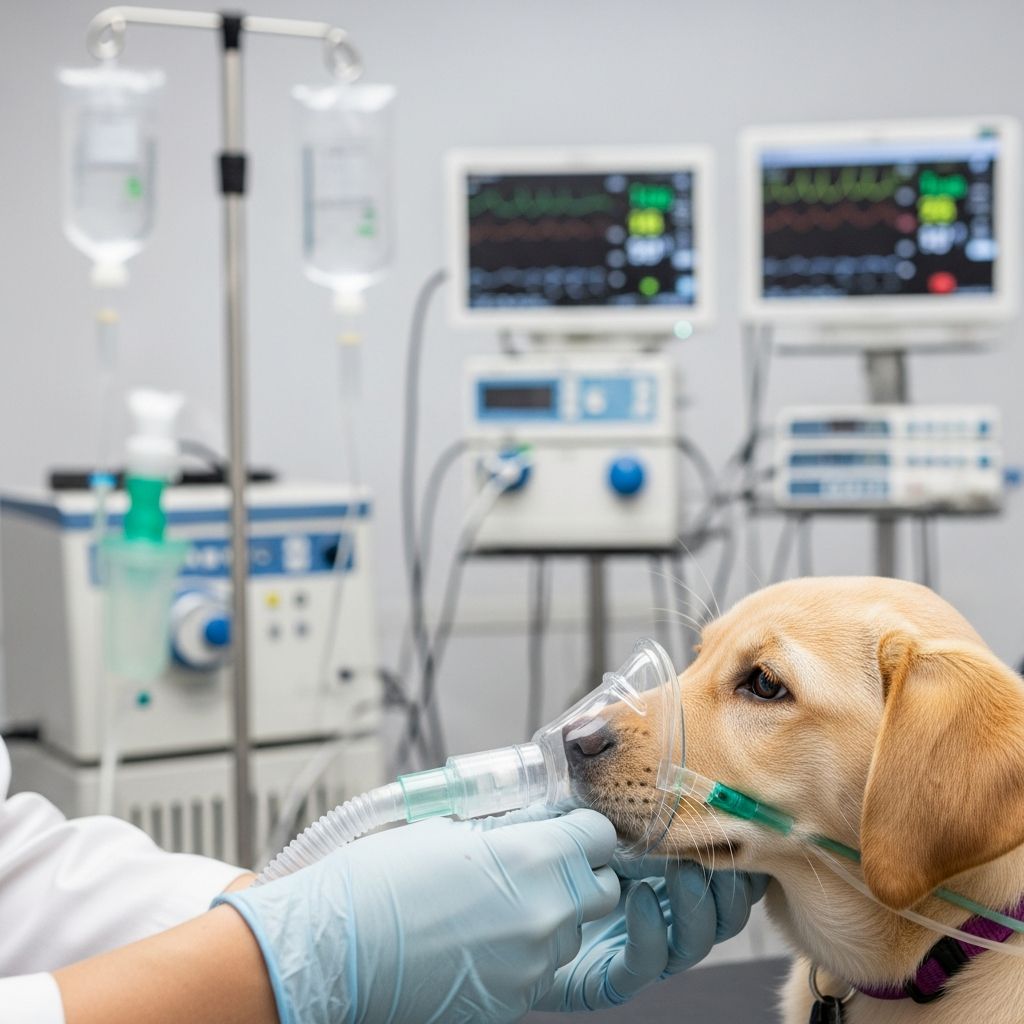
Respiratory stimulants play a vital role in veterinary medicine by bolstering breathing efforts in animals facing depression of respiratory function, particularly during anesthesia recovery, neonatal distress, or acute insufficiency. These agents, primarily acting on central chemoreceptors and the brainstem, provide short-term support to restore normal ventilation patterns.
Understanding Respiratory Depression in Animals
Animals can experience respiratory depression from multiple causes, including anesthetic agents, perinatal hypoxia, or underlying conditions like chronic obstructive pulmonary disease equivalents in pets. In neonates, especially those delivered via cesarean section, hypoxia accounts for over 90% of early mortality, necessitating prompt intervention. During surgical procedures, inhalant anesthetics suppress respiratory drive, making stimulants essential for safe recovery.
Symptoms include shallow breathing, cyanosis, and bradypnea. Early recognition allows for targeted therapy, often combining oxygen support with pharmacological stimulation to prevent hypoxia-related organ damage.
Primary Agents: Doxapram and Its Mechanism
**Doxapram hydrochloride** stands as the cornerstone respiratory stimulant in veterinary use. This compound stimulates peripheral chemoreceptors in the carotid and aortic bodies, while also exerting direct effects on the medullary respiratory centers. The result is increased tidal volume and respiratory rate without significant impact on smooth muscle.
In dogs and cats, it proves invaluable for countering anesthesia-induced apnea or hypoventilation. Its rapid onset—within seconds of IV administration—makes it ideal for emergencies. Studies in horses demonstrate dose-dependent cardiovascular and respiratory enhancement, with higher doses prolonging effects.
Applications Across Species
Respiratory stimulants find broad utility:
- Anesthesia Recovery: Post-operative administration revives breathing in dogs, cats, and horses.
- Neonatal Resuscitation: Sublingual or umbilical vein dosing initiates gasps in apneic puppies and kittens.
- Diagnostic Aids: Low-dose IV use assesses laryngeal function in distress cases, observing glottis motion.
- Large Animals: Neonates of cattle and sheep benefit from 40-100 mg doses IV or sublingually.
In hypoxemic canine neonates from cesarean deliveries, doxapram outperforms alternatives like aminophylline or caffeine in rapidly improving oxygenation and clinical scores.
Dosing Protocols by Species
Precise dosing minimizes risks while maximizing efficacy. Below is a summary table for doxapram:
| Species | Indication | Route/Dose |
|---|---|---|
| Dogs | General Stimulation | IV: 1-2 mg/kg |
| Dogs | Neonatal | Sublingual/Umbilical: 0.1-0.5 mL (1-5 drops) |
| Cats | General Stimulation | IV: 0.5-1 mg/kg |
| Cats | Neonatal | Sublingual/Umbilical: 0.1-0.5 mL (1-5 drops) |
| Horses (Adults) | Stimulation | IV: 0.5-1.1 mg/kg |
| Cattle/Sheep Neonates | Resuscitation | IV/IM/SC/Sublingual: 40-100 mg/calf; 5-10 mg/lamb |
Administer slowly IV to avoid convulsions; repeat at 5-minute intervals if needed, not exceeding 3 mg/kg total in 1 hour. For laryngeal evaluation, 0.5-1.1 mg/kg IV suffices.
Alternative Stimulants: Aminophylline and Caffeine
While doxapram dominates, methylxanthines like aminophylline and caffeine offer adjunctive benefits via phosphodiesterase inhibition and adenosine antagonism, enhancing diaphragmatic contractility. In neonatal dog studies, caffeine showed moderate efficacy in sustaining ventilation post-initial resuscitation, though doxapram provided the strongest immediate response.
Aminophylline, used historically, stimulates respiration but carries risks of tachycardia. Comparative trials indicate doxapram’s superiority in acute settings due to its targeted chemoreceptor action.
Safety Profile and Adverse Effects
Doxapram is generally safe at therapeutic doses but demands caution:
- Cardiovascular: Tachycardia, hypertension, arrhythmias—monitor in cardiac-compromised patients.
- Neurological: Tremors, seizures at overdose (>2 mg/kg repeated).
- Contraindications: Epilepsy, hyperthyroidism, severe hypertension.
- In Large Animals: Dose escalation intensifies effects without extending duration.
Pharmacokinetics reveal quick metabolism to keto-doxapram, which sustains mild stimulation. In dogs, 2-4 mg/kg IV every 10 hours was tolerated, with higher chronic doses causing tremors or fatalities.
Integration with Supportive Therapies
Stimulants complement rather than replace supportive care. Oxygen therapy, positioning, and reversal agents form the initial response to distress. In pneumonia or pulmonary thromboembolism, combine with antibiotics (e.g., ampicillin-sulbactam 30-50 mg/kg IV q6h) or anticoagulants (dalteparin 150 U/kg SC q12h).
For sedation in evaluation, butorphanol is preferred in cats; doxapram aids in preserving laryngeal motion under light anesthesia.
Clinical Evidence and Research Insights
EMA reports affirm doxapram’s efficacy across species, with horse studies showing proportional responses to dosing. Neonatal lamb infusions of 2.5 mg/kg confirmed respiratory benefits. A PMC study on cesarean-delivered puppies highlighted doxapram’s edge in viability parameters over methylxanthines. Human parallels support its use in COPD-like respiratory failure.
Limitations include short duration (5-10 minutes peak), necessitating re-dosing or mechanical support.
Practical Guidelines for Veterinarians
- Assess ABCs: Airway, Breathing, Circulation before administration.
- Select route: IV for rapidity, sublingual for neonates.
- Monitor vitals continuously post-dose.
- Combine with diagnostics like laryngoscopy or imaging.
- Educate owners on post-discharge monitoring.
FAQs
What is the first-line respiratory stimulant for apneic neonates?
Doxapram, administered as 1-5 drops sublingually or into the umbilical vein.
Can doxapram be used in horses?
Yes, 0.5-1 mg/kg IV for respiratory stimulation, noting cardiovascular effects.
Is doxapram safe for cats with heart disease?
Use cautiously due to pressor effects; monitor blood pressure closely.
How does doxapram compare to caffeine in puppies?
Doxapram offers faster, stronger initial stimulation; caffeine sustains longer-term drive.
What if doxapram causes tremors?
Reduce dose or discontinue; supportive care for seizures if they occur.
References
- Dopram for Pets – Doxapram Hydrochloride 20mL Bottle — Smarty Vets. Accessed 2026. https://www.smartyvets.com/products/dopram-for-pets-20ml-bottle
- Approach to Respiratory Distress in Dogs & Cats — Today’s Veterinary Practice. Accessed 2026. https://todaysveterinarypractice.com/respiratory-medicine/approach-to-respiratory-distress-in-dogs-and-cats/
- Comparative Effects of Aminophylline, Caffeine, and Doxapram in Hypoxemic Neonatal Dogs — PMC (PubMed Central). 2024-10-01. https://pmc.ncbi.nlm.nih.gov/articles/PMC12691331/
- Doxapram Summary Report — European Medicines Agency (EMA). Accessed 2026. https://www.ema.europa.eu/en/documents/mrl-report/doxapram-summary-report-committee-veterinary-medicinal-products_en.pdf
- Doxapram: Uses, Interactions, Mechanism of Action — DrugBank. Accessed 2026. https://go.drugbank.com/drugs/DB00561
- Human Cardiopulmonary Effects of Doxapram — Wiley Online Library (ASCPT). 1963-01-01. https://ascpt.onlinelibrary.wiley.com/doi/abs/10.1002/cpt196343321
Similar Articles








Read full bio of Sneha Tete


