

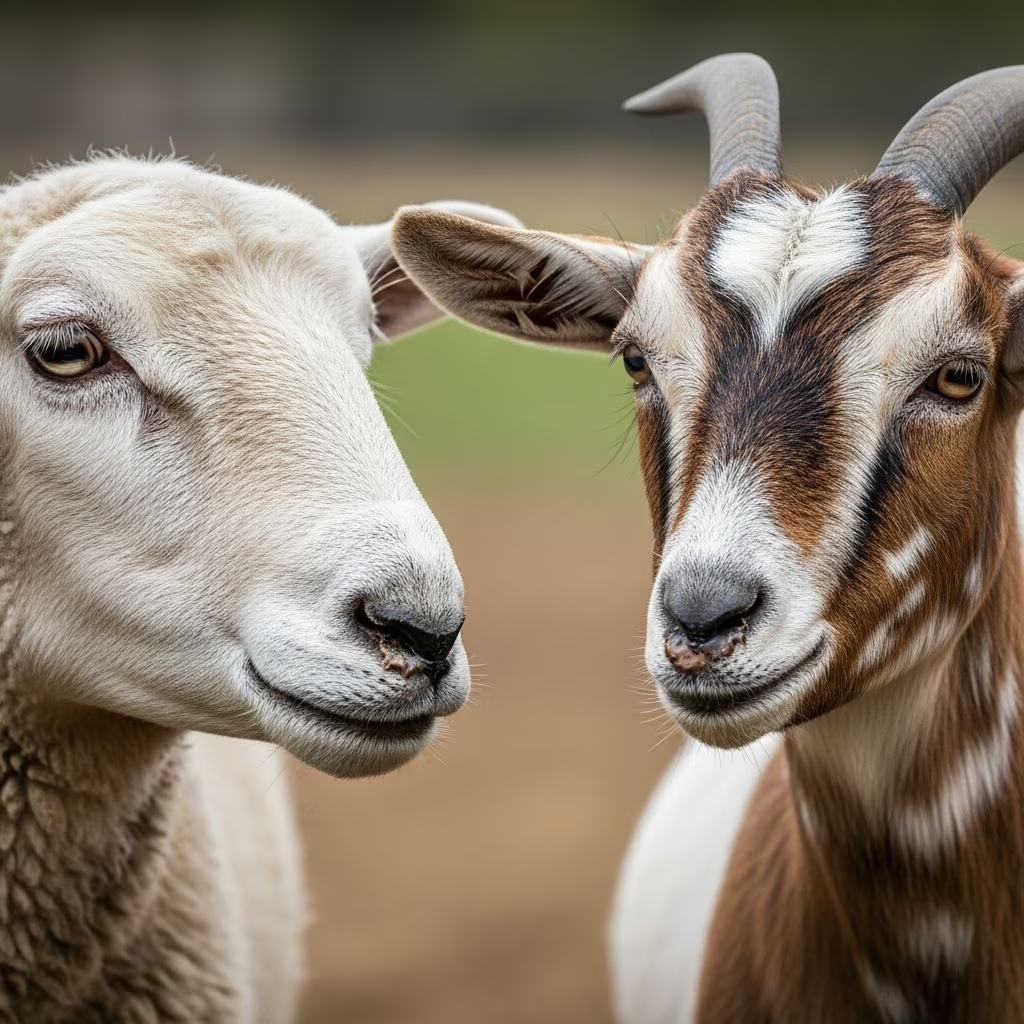
Sheep and goats, vital to many farming operations worldwide, frequently encounter respiratory challenges that can compromise herd productivity and survival. These small ruminants are susceptible to a variety of pathogens and environmental stressors that target their breathing systems, leading to conditions ranging from mild infections to fatal pneumonias. Understanding these disorders is crucial for timely intervention and effective prevention.
Understanding the Anatomy of Small Ruminant Respiratory Systems
The respiratory tract in sheep and goats consists of upper components like the nasal passages, sinuses, and pharynx, and lower parts including the trachea, bronchi, and lungs. Efficient airflow and gas exchange are essential for their high-energy demands, especially during growth or lactation. Disruptions from inflammation, blockages, or infections impair oxygen uptake, causing lethargy and reduced feed intake.
Upper respiratory structures filter inhaled air, while the lower lungs facilitate oxygen delivery to the bloodstream. Sheep often graze close to the ground, exposing them to dust and irritants, whereas goats’ browsing habits may introduce different contaminants. Poor housing ventilation exacerbates these risks, turning minor issues into widespread outbreaks.
Common Upper Respiratory Tract Disorders
Problems in the nasal cavities and throat often manifest as discharge, sneezing, or breathing difficulties. Sinus infections, triggered by bacteria or fungi, cause purulent nasal flow and facial swelling. Foreign objects like plant thorns lodged in nostrils lead to chronic irritation and secondary infections.
- Unilateral nasal discharge signals localized issues such as polyps or tumors.
- Bilateral symptoms point to systemic infections or allergies.
- Pharyngeal obstructions from abscesses hinder swallowing and airflow.
Tumors, though rare, include benign polyps and malignant carcinomas, more prevalent in older animals. Early detection via endoscopy aids management.
Bacterial Causes of Pneumonia
Bacterial bronchopneumonia stands as a leading killer in young sheep and goats, primarily involving Mannheimia haemolytica, Pasteurella multocida, and Bibersteinia trehalosi. These microbes reside harmlessly in healthy upper airways but proliferate under stress, invading deeper lung tissue.
Outbreaks surge post-weaning, transport, or mixing groups, with symptoms including high fever (up to 106°F), moist coughs, rapid breathing, and depression. In severe cases, animals isolate themselves, showing abdominal breathing efforts before collapse.
| Bacterium | Primary Hosts | Key Symptoms | Risk Factors |
|---|---|---|---|
| Mannheimia haemolytica | Sheep, Goats | Fever, Cough, Lethargy | Weaning, Transport |
| Pasteurella multocida | Both | Nasal Discharge, Distress | Crowding, Poor Ventilation |
| Bibersteinia trehalosi | Lambs mainly | Septicemia, Sudden Death | Immune Deficiency |
Treatment demands immediate antibiotics, fluids, and isolation, while prevention hinges on colostrum intake and biosecurity.
Mycoplasma Infections: Silent Predisposers
Mycoplasma ovipneumoniae dwells in nasal passages, spreading via droplets from coughs or sneezes. Often asymptomatic, it primes lungs for co-infections with Mannheimia haemolytica, escalating to severe pneumonia.
In goats, contagious caprine pleuropneumonia (CCPP) ravages herds with fever (104.5°–106°F), cough, frothy saliva, and open-mouth breathing. Mortality hits high in endemic zones, with other species like Mycoplasma mycoides causing pleuritic pain and rapid death.
- Signs: Anorexia, exercise intolerance, nasal discharge.
- Transmission: Direct contact, aerosols.
- Global Impact: Economic losses from culls and treatment.
Diagnosis via PCR and culture guides targeted antimicrobials; vaccination exists for some strains in select regions.
Viral Threats to Lung Health
Viruses like parainfluenza-3 (PI-3), adenovirus, and respiratory syncytial virus damage airway linings, inviting bacterial superinfections. In adults, retroviruses drive chronic pneumonias: ovine progressive pneumonia (maedi) in sheep and caprine arthritis encephalitis (CAE) in goats.
CAE spreads via colostrum, manifesting as indurative pneumonia with weight loss and dyspnea in later life. Jaagsiekte, or ovine pulmonary adenocarcinoma, presents as fluid-filled lungs and weight gain despite poor appetite—a neoplastic twist on viral origins.
Youngstock face acute viral episodes post-stress, with fever and coughs mirroring bacterial forms. Control relies on testing, culling reactors, and pasteurizing milk.
Parasitic and Other Contributors
Lungworms (Dictyocaulus filaria, Muellerius capillaris) thrive in temperate pastures, causing verminous pneumonia with coughs and ill thrift. Abscesses from Corynebacterium pseudotuberculosis (caseous lymphadenitis) erode lung function silently.
Environmental factors—dust, ammonia from bedding, rapid diet shifts—compound risks. Overstocking amplifies contagion.
Recognizing Clinical Signs Across Age Groups
In Lambs and Kids
Acute onset: fever, wet coughs, tail bobbing, separation from dams. Mortality peaks without prompt care.
In Adults
Chronic signs: progressive weight loss, exercise intolerance, abnormal lung sounds. Viral forms predominate.
Diagnostic Approaches
Veterinary exams include auscultation for crackles/wheezes, radiology for consolidations, and thoracocentesis for fluids. Necropsies reveal cranioventral patterns in bacterial cases. Labs culture pathogens, PCR viruses/mycoplasma, and serology tracks exposure.
Treatment Strategies
Antibiotics (e.g., oxytetracycline, florfenicol) target bacteria; mycoplasma respond to tylosin. Support with NSAIDs for fever/pain, oxygen, and nebulization. Chronic cases need nutritional bolstering.
Prevention and Management Best Practices
- Vaccinate against key pathogens where available.
- Quarantine newcomers 30 days.
- Ensure ventilation, avoid overcrowding.
- Monitor nutrition; gradual feed changes.
- Test and segregate CAE reactors.
Biosecurity curbs introductions; clean boots/hands prevent fomite spread.
Frequently Asked Questions (FAQs)
What triggers most pneumonia outbreaks in sheep flocks?
Stressors like transport, weaning, and poor ventilation activate resident bacteria.
Can mycoplasma infections resolve without treatment?
Some carriers remain subclinical, but outbreaks demand intervention to limit spread.
How do I differentiate viral from bacterial pneumonia?
Viral often precedes bacterial; labs confirm via culture/PCR.
Is CAE pneumonia curable?
No, but management via separation controls it.
What housing tweaks reduce respiratory risks?
High ceilings, open ridges, dry bedding promote airflow.
Emerging Concerns and Future Outlook
Climate shifts may boost parasitic loads; antimicrobial resistance challenges treatments. Research advances diagnostics and vaccines, promising better herd resilience.
References
- Disease Alert: Mycoplasma Ovipneumoniae — USDA APHIS. 2023. https://www.aphis.usda.gov/livestock-poultry-disease/sheep-goat/mycoplasma-ovipneumoniae
- Overview of Respiratory Diseases of Sheep and Goats — Merck Veterinary Manual. 2023-10-15. https://www.merckvetmanual.com/respiratory-system/respiratory-diseases-of-sheep-and-goats/overview-of-respiratory-diseases-of-sheep-and-goats
- Mycoplasma Pneumonias in Goats — MSD Veterinary Manual. 2023. https://www.msdvetmanual.com/respiratory-system/respiratory-diseases-of-sheep-and-goats/mycoplasma-pneumonias-in-goats
- Bacterial Bronchopneumonia in Sheep and Goats — Merck Veterinary Manual. 2023. https://www.merckvetmanual.com/respiratory-system/respiratory-diseases-of-sheep-and-goats/bacterial-bronchopneumonia-in-sheep-and-goats
- Common Diseases In Goats & Sheep — Horizon Veterinary. 2022-06-30. https://www.horizonvetbrighton.com/site/blog/2022/06/30/common-diseases-goats-sheep
- Pneumonia – Sheep And Goats — Ohio State University Extension. 2024-05-07. https://u.osu.edu/sheep/2024/05/07/pneumonia-sheep-and-goats/



