

Introduction to Critical Lung Disease in Foals
Young horses, particularly foals in their first weeks of life, can develop catastrophic respiratory conditions that require immediate veterinary intervention. One of the most serious complications affecting the equine respiratory system is a condition characterized by diffuse lung inflammation and progressive respiratory dysfunction. This syndrome represents a clinical emergency where the lungs become severely damaged, fluid accumulates in lung tissue, and oxygen delivery to the bloodstream becomes critically compromised.
Unlike chronic respiratory conditions that develop gradually, this acute form of respiratory failure emerges suddenly and progresses rapidly, often following an initial infectious process or systemic inflammatory event. Understanding the mechanisms, recognizing early warning signs, and implementing appropriate treatment protocols can significantly influence survival outcomes in affected foals.
Understanding the Pathophysiology of Acute Lung Injury
The development of severe respiratory failure in foals involves a cascade of inflammatory events triggered by an initiating injury or infection. When a primary disease process occurs—whether infectious, traumatic, or systemic—the body’s immune response becomes dysregulated, leading to excessive and uncontrolled inflammation localized to lung tissue.
This inflammatory cascade damages the delicate structures within the lungs that are responsible for oxygen and carbon dioxide exchange. The alveolar-capillary membrane, which normally functions as a selective barrier, becomes compromised and increasingly permeable. This pathological permeability allows fluid to leak from blood vessels into the lung tissue and alveolar spaces, a process called pulmonary edema. Simultaneously, the lungs accumulate inflammatory cells and substances that further impair gas exchange.
The consequences of these pathophysiological changes are profound: severe hypoxemia (dangerously low blood oxygen levels) develops, respiratory mechanics become severely abnormal, and the lungs lose their ability to maintain adequate oxygenation even with increased respiratory effort. Young foals, with their limited physiological reserves, are particularly vulnerable to rapid decompensation once this process is initiated.
Primary Conditions Associated with Acute Respiratory Failure
While multiple conditions can precipitate acute respiratory failure in foals, certain primary diseases appear with greater frequency. Bacterial and viral pneumonia represent among the most common antecedent conditions, with foals developing severe systemic inflammation as the infection progresses. Pneumonia caused by organisms such as Rhodococcus equi in older foals and various bacterial species in younger animals frequently precedes the development of acute respiratory complications.
Systemic infection (sepsis) from any source—whether originating from respiratory, gastrointestinal, umbilical, or other anatomical sites—can trigger the inflammatory cascade leading to lung dysfunction. Aspiration events, whether from gastric reflux, improper feeding techniques, or esophageal dysfunction, introduce foreign material and trigger intense inflammatory responses. Severe trauma, inhalation of noxious substances such as smoke or toxic gases, and near-drowning incidents can all initiate the pathological process.
Additionally, conditions causing severe systemic inflammation without primary respiratory involvement can culminate in respiratory failure. The common thread among all these precipitating conditions is the activation of excessive inflammatory pathways that, while attempting to combat the primary threat, cause collateral damage to sensitive lung parenchyma.
Clinical Manifestations and Recognition
Affected foals typically present with a sudden and dramatic onset of respiratory distress that may follow a recent history of illness or infection. The temporal relationship between an initial illness and respiratory deterioration often provides valuable clinical clues to the veterinarian.
Respiratory signs observed in affected foals include:
- Marked increase in respiratory rate and effort, with visible flaring of nostrils
- Pronounced abdominal or flank movement with each respiratory cycle
- Adoption of an extended head and neck posture to maximize airway patency
- Audible abnormal respiratory sounds or evidence of respiratory distress at rest
- In severe cases, cyanosis (bluish discoloration of mucous membranes) indicating critical hypoxemia
Systemic signs frequently accompanying respiratory distress include:
- Elevated body temperature (fever)
- Tachycardia (increased heart rate)
- Depression, lethargy, or diminished responsiveness
- Altered mental status or anxiety related to hypoxemia
- Poor appetite or reluctance to nurse in nursing foals
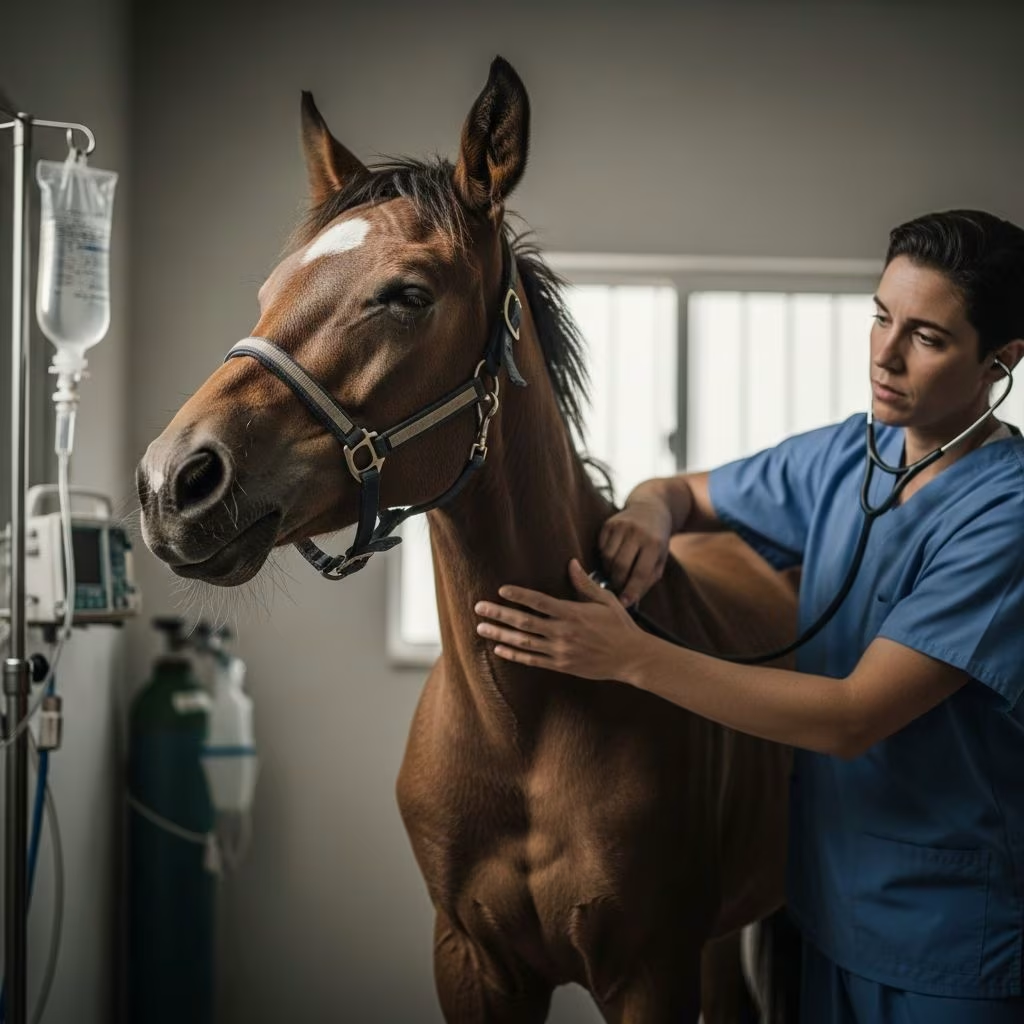
Physical examination findings typically reveal abnormal lung sounds detected by auscultation, though the pattern and character of these sounds vary depending on the degree of fluid accumulation and inflammatory involvement. Some foals present with relatively quiet lung fields despite severe underlying pathology, a finding that can be deceptively reassuring to inexperienced observers.
Diagnostic Evaluation Strategies
Establishing a definitive diagnosis of acute respiratory failure requires a multimodal diagnostic approach, as no single test is pathognomonic. The diagnostic strategy should be pursued concurrently with stabilization efforts rather than sequentially, as delayed treatment can result in patient deterioration.
Blood gas analysis provides critical objective data regarding oxygenation and ventilation status. Arterial blood gas measurement reveals the degree of hypoxemia and helps assess ventilation adequacy by measuring carbon dioxide levels. In foals with severe respiratory failure, profound hypoxemia persists despite increased respiratory effort, and carbon dioxide retention may develop as respiratory muscles fatigue.
Imaging studies should include thoracic radiography to evaluate lung parenchymal involvement and detect patterns consistent with diffuse inflammatory or infectious processes. Ultrasonographic examination of the thorax provides complementary information, particularly regarding fluid accumulation and pleural involvement. Both modalities help exclude alternative diagnoses and document the extent of lung involvement.
Laboratory investigations including complete blood count and serum chemistry help characterize the inflammatory response and detect evidence of systemic disease. Elevated white blood cell counts, left shifts in differential counts, and other inflammatory markers support the diagnosis of systemic inflammation. Additional laboratory work should target identification of any underlying primary disease process through appropriate microbiology (blood culture, tracheal aspirate culture), serologic testing, or other modalities based on clinical suspicion.
Treatment Approaches and Management Philosophy
Management of foals with acute respiratory failure requires a comprehensive, intensive approach addressing multiple simultaneous objectives. The cornerstone of therapy involves treating any identified underlying primary disease process while concurrently providing supportive care and attempting to modulate the pathological inflammatory response.
Oxygen supplementation forms the foundation of respiratory support, as improving blood oxygen levels is critical to preventing further tissue damage and maintaining function of vital organs. Intranasal oxygen delivery represents the most practical oxygen supplementation method for equine patients, as mechanical ventilation—the definitive lung-protective therapy in human ARDS—remains impractical for most horses due to logistical, economic, and practical constraints. High-flow intranasal oxygen therapy can significantly improve arterial oxygenation in foals.
Anti-inflammatory medications attempt to arrest the pathological inflammatory cascade damaging the lungs. Corticosteroids, administered systemically, help suppress excessive inflammation and may improve outcomes. The timing, dose, and duration of corticosteroid therapy require careful consideration to balance anti-inflammatory benefits against immunosuppressive risks, particularly in foals potentially battling concurrent infections.
Antimicrobial therapy targets any identified or suspected infectious agents contributing to the primary disease process. Broad-spectrum antibiotics may be initiated empirically while awaiting culture results, then adjusted based on identification of causative organisms and antimicrobial susceptibility testing. The choice of antimicrobial agents must balance efficacy against potential contribution to systemic inflammation.
Supportive care measures include appropriate fluid management, careful attention to electrolyte balance, nutritional support, and maintenance of general comfort. Intravenous fluid administration must be carefully titrated, as excessive fluid can exacerbate pulmonary edema, while inadequate fluid support compromises systemic perfusion. Nutritional support, whether through continued nursing (in neonatal foals) or appropriate supplemental feeding, maintains energy reserves needed for recovery.
Environmental optimization includes minimizing stress through quiet management, ensuring excellent air quality in the recovery environment, and maintaining comfortable body temperature. Foals should be housed in well-ventilated areas free of dust and environmental contaminants that could further irritate airways.
Prognosis and Expected Recovery Timelines
The prognosis for foals with acute respiratory failure varies considerably based on multiple factors including the foal’s age, severity of initial insult, underlying primary disease, and response to initial treatment. Overall survival rates reported in the literature range from approximately 50-60% in older foals, with notably lower survival rates frequently observed in neonatal foals.
Foals that respond favorably to treatment typically show evidence of stabilization or clinical improvement within the first several days of intensive management. Initial signs of improvement may include gradual reduction in respiratory effort, improved oxygenation on blood gas analysis, and return of normal appetite and alertness. However, complete resolution of lung pathology may require weeks, and some degree of permanent lung damage occasionally persists even in surviving foals.
The guarded nature of the prognosis reflects the severity of the underlying pathophysiology and the limitations of available therapeutic options. Nevertheless, prompt recognition, rapid initiation of aggressive treatment, and meticulous supportive care offer foals the best opportunity for survival and return to function.
Prevention and Risk Mitigation
While acute respiratory failure cannot always be prevented, several management strategies reduce risk or minimize severity should disease develop. Maintaining excellent stable hygiene, ensuring adequate ventilation in housing facilities, and minimizing dust exposure support normal respiratory function and reduce susceptibility to respiratory infections.
Comprehensive preventive health programs including appropriate vaccination, parasite control, and dental care reduce the likelihood of systemic disease that could precipitate respiratory complications. Proper feeding techniques and prevention of aspiration through careful management of neonatal foals and those with swallowing disorders minimize aspiration-related risks.
Early recognition and appropriate treatment of primary respiratory infections prevent progression to severe systemic inflammation and acute respiratory failure. Foals displaying signs of respiratory disease—including cough, fever, nasal discharge, or exercise intolerance—warrant prompt veterinary evaluation rather than observation and conservative management.
Frequently Asked Questions
What is the difference between acute respiratory failure and chronic respiratory disease in foals?
Acute respiratory failure develops suddenly over hours to days, with rapid progression to life-threatening severity. Chronic respiratory diseases develop gradually over weeks to months and may be manageable with ongoing care. The pathophysiology, treatment urgency, and prognosis differ significantly between these categories.
Can foals recover completely from severe respiratory distress?
Some foals recover to normal or near-normal lung function, while others may have subtle or significant persistent lung dysfunction. The degree of recovery depends on the extent of permanent structural damage to lung tissue during the acute illness.
Why can’t horses be placed on mechanical ventilation like human ARDS patients?
The size of equine patients, the difficulty of securing endotracheal tubes in horses, economic constraints, and the logistics of maintaining a horse under anesthesia and mechanical ventilation for extended periods make this approach impractical in most cases.
How quickly should treatment begin once respiratory failure is suspected?
Treatment should begin immediately upon suspicion of acute respiratory failure, even before diagnostic confirmation. Delays in initiating oxygen supplementation, antimicrobial therapy, and supportive care can result in rapid deterioration and death.
Conclusion
Acute respiratory failure in foals represents one of the most challenging clinical emergencies in equine veterinary medicine. The sudden onset, rapid progression, and high mortality rate demand rapid recognition and aggressive intervention. While the prognosis remains guarded even with optimal treatment, many foals can survive and return to useful function with prompt diagnosis, intensive management, and comprehensive supportive care. Veterinarians and horse owners who understand the pathophysiology, recognize clinical signs, and know when to seek emergency care optimize outcomes for affected foals.
References
- Equine Acute Respiratory Distress Syndrome — EquiManagement. 2024. https://equimanagement.com/articles/equine-acute-respiratory-distress-syndrome/
- Acute Respiratory Distress Syndrome in Veterinary Medicine: Literature Review and Discussion — PMC, National Center for Biotechnology Information. 2024. https://pmc.ncbi.nlm.nih.gov/articles/PMC12491761/
- Respiratory Emergencies in Adult Horses — British Equine Veterinary Association. Equine Veterinary Education, Wiley Online Library. 2024. https://beva.onlinelibrary.wiley.com/doi/full/10.1111/eve.13976
- Difficulty Breathing (Dyspnea) in Horses: Signs, Risks & Related Conditions — Mad Barn. 2025. https://madbarn.com/difficulty-breathing-in-horses/
- Respiratory Diseases in Horses: What You Can Do to Prevent Them — Oklahoma State University Extension. https://extension.okstate.edu/fact-sheets/respiratory-diseases-in-horses-what-you-can-do-to-prevent-them.html
- Respiratory Distress in Horses — University of Illinois Veterinary Medicine. https://vetmed.illinois.edu/pet-health-columns/respiratory-distress-in-horses/



