
Respiratory Disease in Snakes: Causes, Symptoms & Treatment
Complete guide to diagnosing and treating snake respiratory disease with evidence-based veterinary care.
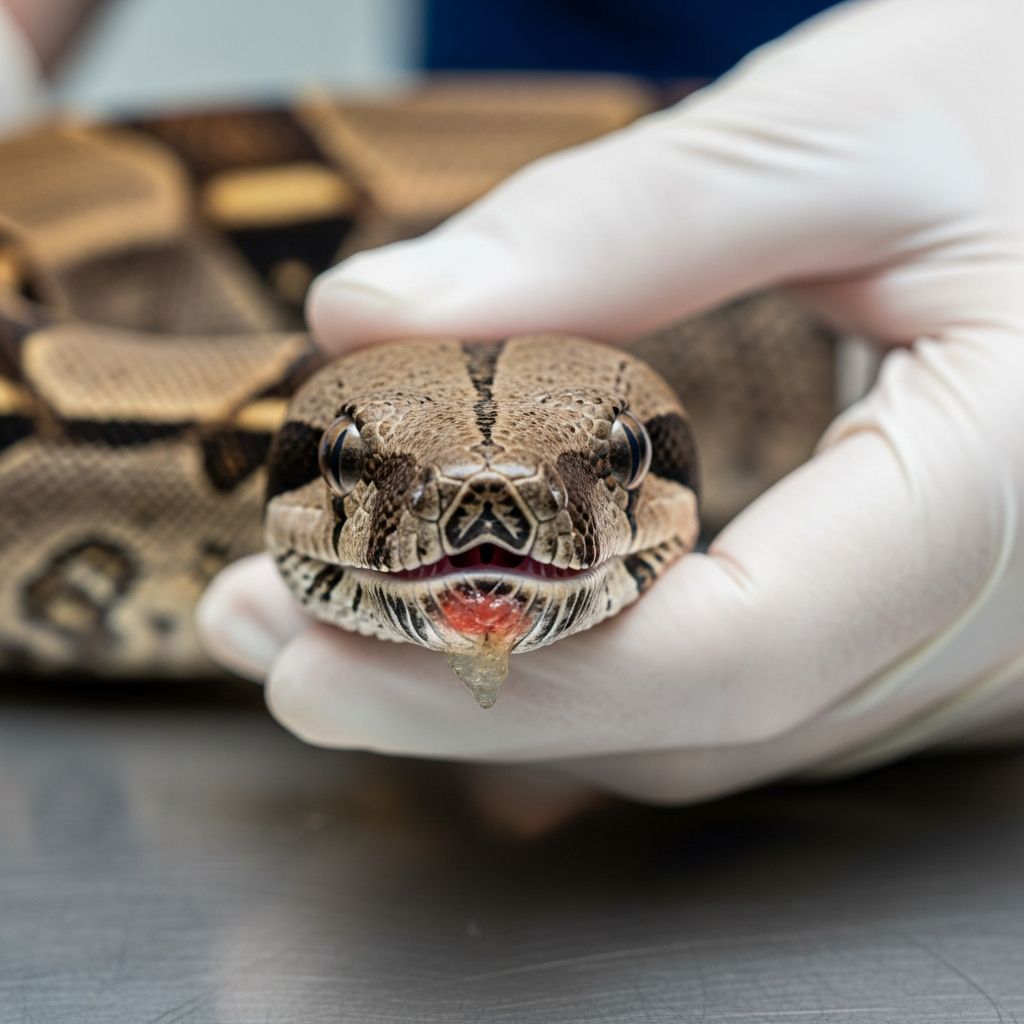
Respiratory Disease in Snakes: A Comprehensive Veterinary Guide
Respiratory disease represents one of the most common health concerns encountered in captive snakes. Understanding the etiology, clinical presentation, diagnostic approaches, and treatment protocols is essential for reptile veterinarians and dedicated snake owners. Respiratory infections in snakes can range from mild infections responsive to conservative management to severe, life-threatening conditions requiring intensive hospital care. Early recognition and intervention significantly improve outcomes and may prevent mortality in affected animals.
Etiology and Causative Agents
Snake respiratory disease arises from multiple etiological sources, with bacterial infections representing the most common cause. Most respiratory infections in snakes are caused by Gram-negative bacteria, particularly those that are part of the snake’s normal flora but become opportunistic pathogens when immune function is compromised. Common aerobic Gram-negative bacilli isolated from affected snakes include Pseudomonas, Aeromonas, and Escherichia coli. These organisms typically establish infection when environmental conditions or systemic factors suppress the immune system.
Beyond bacterial pathogens, several other infectious agents contribute to respiratory disease in snakes:
Viral Diseases
Viral respiratory pathogens can function as primary causative agents or contribute to mixed infections that compromise immune function. Paramyxoviruses (ferlaviruses) and serpentovirus (nidovirus) represent significant viral differential diagnoses. Nidovirus is particularly concerning in python and boa collections, spreading rapidly and causing severe respiratory distress. Unlike bacterial infections, these viral diseases currently have no known cure, making prevention through quarantine protocols and regular veterinary examination critical.
Parasitic and Fungal Causes
Parasitic diseases, particularly in wild-caught specimens, should be considered in the differential diagnosis. Fungal infections may also factor into respiratory disease, as these infections can decrease the snake’s immune response and predispose to secondary bacterial invasion of the respiratory tract.
Environmental Factors
Suboptimal environmental conditions represent crucial precipitating factors in respiratory disease development. Cool temperatures significantly impair immune function, as reptiles depend on adequate environmental warmth to maintain immunocompetence. Incorrect humidity levels, poor enclosure hygiene, inadequate ventilation, and exposure to respiratory irritants all contribute to disease pathogenesis. Snakes housed in overcrowded conditions with poor sanitation are at substantially increased risk for developing respiratory infections.
Clinical Presentation and Diagnosis
Clinical Signs
Snakes with respiratory infections present with variable clinical manifestations depending on disease severity and chronicity:
Upper respiratory tract signs include:
– Nasal discharge- Excess mucus in the mouth and nares- Nares occlusion or debris at nostrils- Reddening of oral mucosa (erythema)- Audible clicking or crackling sounds during respiration
Lower respiratory tract and systemic signs include:
– Wheezing, gurgling, or raspy breathing patterns- Open-mouth breathing or labored respiration- Lethargy and decreased activity- Loss of appetite and refusal to feed- Regurgitation after eating- Weight loss- Bubbly or stringy saliva- Swelling of the throat or upper airways- Inability to shed skin properly- Muscle tremors or ascending paralysis (in severe cases)- Poor coordination or ataxia
In some instances, infected snakes display subclinical disease with minimal or no observable symptoms until the infection becomes severe. This underscores the critical importance of annual veterinary examinations and regular bloodwork at exotic animal clinics for early detection.
Diagnostic Procedures
Comprehensive diagnostic evaluation forms the foundation for appropriate treatment planning. Veterinarians employ multiple diagnostic modalities to establish diagnosis and identify the causative organism:
Physical Examination includes careful inspection and gentle clearing of the nares, nostrils, choana, and glottis to assess for mucus, purulent material, or obstruction. The oral cavity should be thoroughly examined for stomatitis, swelling, or discharge.
Radiography provides visualization of the trachea, lungs, and associated structures, revealing pneumonia, fluid accumulation, or anatomical abnormalities.
Cultures and Sensitivity Testing involve collection of samples via nasal discharge, oral swabs, or tracheal washes. Bacterial culture with antibiotic sensitivity testing guides antimicrobial selection and improves treatment efficacy.
Tracheal or Lung Wash may be indicated in cases demonstrating poor initial response to therapy or when parasitic disease is suspected (particularly in wild-caught reptiles). This procedure involves passing a sterile red rubber catheter through the glottis into the trachea and advancing it to the lower trachea and lungs for sample collection.
Blood Testing including hematology and biochemistry panels assess systemic health status and may reveal evidence of infection or underlying immunosuppression. Viral serology or PCR testing for nidovirus, ferlaviruses, and other pathogens may be recommended when viral disease is suspected.
Treatment Protocols and Management
Stabilization and Emergency Care
Initial management focuses on stabilizing critically affected patients. Oxygen therapy may be necessary to support respiratory function in severely compromised snakes. The nares, nostrils, choana, and glottis should be carefully examined and cleared of any obstruction as soon as safely possible. Gentle removal of mucus and purulent material using cotton-tipped swabs facilitates improved airflow. In extreme cases, gentle suction of material from the glottis may be required.
Supportive Care
Supportive care forms the cornerstone of respiratory disease management and directly improves treatment outcomes:
Environmental Modification: Maintaining appropriate enclosure temperatures is fundamental, as thermoregulation is essential for immune function. Snakes should be provided with warm daytime temperatures within their species-appropriate range, typically 85-90°F (29-32°C) for most species. Humidity levels should be adjusted based on species requirements and disease status. In early infection cases, slightly lower humidity may reduce mucus accumulation, though this must be balanced against species-specific humidity needs.
Fluid Therapy: Hydration status significantly impacts immune function and treatment response. Fluid therapy may be indicated based on presenting dehydration deficits and the reptile’s overall condition. Initial fluid administration typically begins at 15-25 ml/kg/day via intravenous, intracoelmic, or subcutaneous routes, adjusted as needed based on the patient’s response and clinical parameters.
Nutritional Support: Maintaining adequate nutrition is critical, though many affected snakes refuse voluntary feeding during acute illness. Force feeding or assisted feeding may be necessary in hospitalized patients to maintain nutritional status during recovery.
Antimicrobial Therapy
Once the reptile is adequately hydrated, antimicrobial therapy can be initiated pending culture and sensitivity results. Combination therapy is typically recommended, pairing a Gram-negative targeting antibiotic (such as amikacin or enrofloxacin) with an anaerobic, Gram-positive and Gram-negative targeting antibiotic. This broad-spectrum approach addresses the polymicrobial nature of many respiratory infections while awaiting culture results.
Parenteral (injectable) antibiotics are preferred over oral administration due to superior bioavailability and tissue penetration in reptiles. Treatment duration depends on disease severity: mild cases typically require a minimum of 4 weeks of parenteral antibiotics, while severe cases may require 6-10 weeks or longer. Follow-up evaluations are critical to ensure progress and complete resolution of lesions, with treatment duration adjusted as needed based on clinical response.
Chlamydial Infections: When Chlamydia is identified, treatment protocols include azithromycin at 10 mg/kg orally every 48 hours for 6-8 weeks, though the ability to successfully clear Chlamydia in reptiles remains unclear and recovery may be incomplete.
Adjunctive Therapies
Nebulization: While commonly recommended, nebulization therapy has not been found to be universally beneficial for lower respiratory tract disease in snakes. In fact, nebulization often exacerbates fluid and mucus accumulation in the airways, likely due to the length of the trachea and the tracheal anatomy of snakes. Alternative management strategies should be prioritized.
Topical Treatments: Nose drops or eye drops containing antibiotics may be useful in mild upper respiratory infections, though systemic therapy is typically required for adequate penetration to affected tissues.
Viral Respiratory Disease Management
Currently, there are no known cures for nidovirus or other serious viral respiratory infections in snakes. Management focuses entirely on supportive care to alleviate symptoms and prevent secondary bacterial complications. This includes providing optimal environmental temperatures, fluid therapy, and nutritional support to bolster the immune system. Unfortunately, viral respiratory diseases often prove fatal, particularly in collection settings where the virus spreads rapidly among susceptible animals. This reality emphasizes the critical importance of preventative measures including strict quarantine protocols for new animals and regular veterinary screening.
Prevention and Management Recommendations
Prevention of respiratory disease is far more effective than treatment of established infection. Key preventative measures include:
– Maintaining optimal enclosure temperatures within species-appropriate ranges- Providing appropriate humidity levels specific to each species’ requirements- Ensuring excellent enclosure hygiene with regular cleaning and disinfection- Avoiding overcrowding and maintaining proper enclosure ventilation- Quarantining new snakes for 30-60 days before introduction to established collections- Providing annual veterinary examinations and regular bloodwork- Minimizing stress through appropriate handling and environmental stability- Avoiding exposure to respiratory irritants (smoke, strong chemicals, inadequate ventilation)
Prognosis and Long-term Management
Prognosis for bacterial respiratory infections identified and treated early is generally favorable with appropriate antimicrobial therapy and supportive care. However, severe infections, particularly those complicated by pneumonia or septicemia, carry guarded to poor prognosis. Septicemia represents a true emergency requiring aggressive hospitalization, antibiotic therapy, fluid support, and intensive care.
Viral respiratory diseases, particularly nidovirus, carry a significantly more guarded prognosis, as viral infections can be severe and often fatal. Many snakes succumb to viral respiratory disease despite supportive care efforts. Survivors may remain chronic carriers, posing transmission risks to other snakes in the collection.
Frequently Asked Questions
Q: What are the earliest signs of respiratory infection in snakes?
A: Early signs include loss of appetite, lethargy, and subtle changes in breathing patterns. Owners may notice the snake appears less active or fails to feed. More obvious signs develop as infection progresses, including nasal discharge, wheezing, or open-mouth breathing.
Q: Can respiratory infections in snakes be treated at home?
A: Early, mild respiratory infections may be managed at home by increasing enclosure temperature and adjusting humidity levels. However, professional veterinary evaluation is essential to confirm diagnosis, identify the causative organism, and initiate appropriate antimicrobial therapy. Most respiratory infections require prescription antibiotics and professional monitoring.
Q: How long does it take to treat respiratory disease in snakes?
A: Treatment duration varies significantly based on disease severity and causative organism. Mild bacterial infections typically require 4 weeks of antimicrobial therapy, while severe infections may require 6-10 weeks or longer. Viral infections require supportive care of indefinite duration, as no cure exists.
Q: Is respiratory disease contagious between snakes?
A: Yes, particularly viral respiratory diseases like nidovirus, which spread rapidly through snake collections. Bacterial infections may also transmit between snakes, especially in overcrowded conditions. Strict quarantine and hygiene protocols are essential to prevent disease spread.
Q: What is the survival rate for snakes with nidovirus?
A: Nidovirus carries a grave prognosis, with many infected snakes dying despite supportive care. In collection settings, nidovirus can sweep through rapidly and prove fatal. Survivors may become chronic carriers and pose transmission risks to other snakes.
Q: How often should my pet snake have veterinary check-ups?
A: Annual veterinary examinations are recommended for all pet snakes. Regular bloodwork and screening for viral diseases become increasingly important for snakes in large collections or those with known exposure to infectious agents.
References
- Respiratory Disease in Snakes — LafeberVet, 2024. https://lafeber.com/vet/respiratory-disease-in-snakes/
- Common Diseases of Pet Snakes — VCA Animal Hospitals. https://vcahospitals.com/know-your-pet/snakes-diseases
- Snake Viruses (Nidovirus, IBD): Symptoms & Signs to Watch For — Bird Exotics Vet, 2024. https://www.birdexoticsvet.com/post/snake-viral-infections-symptoms
- Serpentovirus (Nidovirus) in Snakes — Colorado Exotic Animal Hospital. https://coloradoexoticanimalhospital.com/reptiles-amphibians/serpentovirus-nidovirus-snakes
- Understanding Respiratory Problems in Snakes — Exotics Keeper, 2024. https://exoticskeeper.com/blog/understanding-respiratory-problems-in-snakes/
- Ball Python Respiratory Infection | Symptoms, Causes & Treatment — Reptile Files. https://reptifiles.com/ball-python-care-guide/ball-python-diseases-health/ball-python-respiratory-infection/
Similar Articles








Read full bio of medha deb


