
Recognizing Respiratory Disease Indicators in Animals
Comprehensive guide to identifying and understanding respiratory illness signs in companion animals and livestock.
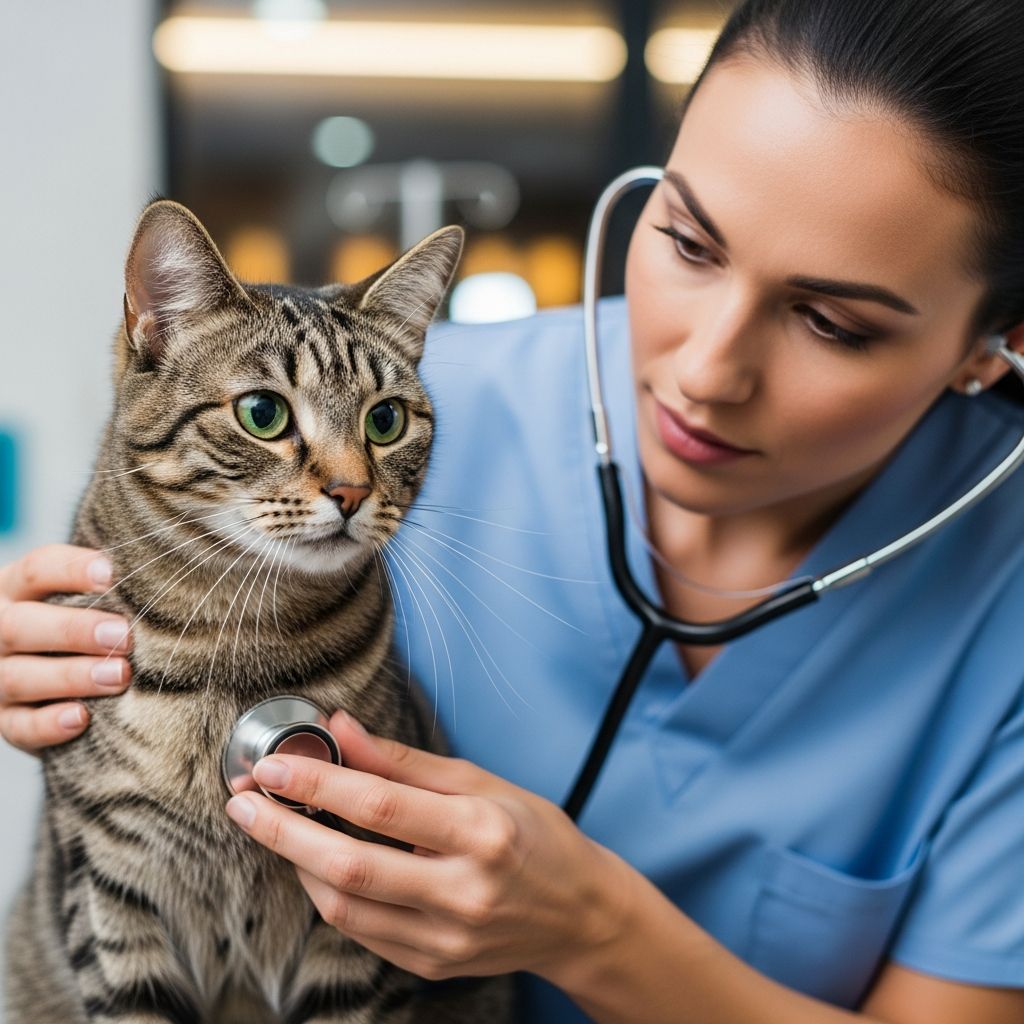
Respiratory disease in animals presents through a variety of observable signs that alert owners and caretakers to potential health concerns. The ability to recognize these indicators is fundamental to ensuring timely veterinary intervention and improving treatment outcomes. Respiratory conditions can range from minor infections to serious systemic illnesses, making early recognition a critical component of responsible animal care.
Primary Respiratory Symptoms and Their Significance
The Cough Response in Respiratory Illness
Coughing represents one of the most visible manifestations of respiratory distress in animals. This reflex mechanism serves to clear airways, but persistent coughing indicates underlying pathology. The characteristics of the cough provide valuable diagnostic information. A dry, hacking cough suggests upper airway involvement or irritation, while a wet or productive cough indicates fluid or mucus accumulation in the lower respiratory tract. Animals experiencing severe respiratory compromise may develop a honking quality to their cough, particularly in conditions affecting the trachea.
The duration and frequency of coughing episodes help distinguish between minor irritations and serious diseases. Occasional coughing triggered by specific stimuli like exercise or excitement differs substantially from continuous coughing that disrupts sleep, eating, or normal activity. Some respiratory conditions produce coughing that persists for weeks or months, indicating chronic inflammation or infection that requires professional evaluation.
Nasal Discharge Characteristics
Nasal discharge varies significantly depending on the underlying cause of respiratory disease. The appearance and consistency of discharge provide diagnostic clues about the nature and severity of the condition. Clear, watery discharge typically suggests viral infection or mild inflammation, while thick, colored discharge indicates bacterial involvement or more advanced infection. Purulent discharge containing white blood cells signals active infection fighting, whereas blood-tinged discharge suggests tissue damage or hemorrhage within nasal passages or upper airways.
The presence of nasal discharge reflects both increased production of secretions and reduced ability of affected animals to clear their nasal passages through normal grooming behaviors. When animals feel ill, they may neglect self-grooming activities, allowing discharge accumulation. The extent of mucosal and turbinate damage correlates with discharge characteristics, making visual assessment useful for determining disease severity.
Epistaxis and Hemoptysis
Bleeding from the nasal passages or coughed up from the lungs represents more serious respiratory pathology. Epistaxis, or nosebleeds, may result from several mechanisms including vascular rupture, fungal infections, parasitic invasion, or blood clotting disorders. Animals with chronic respiratory infections or trauma may experience repeated epistaxis episodes. Certain high-performance animals experience exercise-induced pulmonary hemorrhage, a condition where intense physical exertion ruptures small blood vessels in lung tissue.
Hemoptysis, the coughing up of blood, indicates lower respiratory tract involvement and typically suggests more advanced disease than simple nasal bleeding. Chronic lung abscesses in livestock, pulmonary aneurysm rupture, and neoplastic growths all produce hemoptysis. This symptom warrants urgent veterinary attention as it indicates significant tissue damage or systemic disease affecting blood clotting or vessel integrity.
Breathing Pattern Alterations
Increased Respiratory Rate and Depth
Tachypnea, an increase in both the rate and depth of breathing, may indicate respiratory disease, though this sign also appears in healthy animals following vigorous exercise or during excitement. Distinguishing pathological tachypnea from normal physiological responses requires considering the context and duration of increased breathing. When an animal maintains elevated respiratory rate at rest or during quiet periods, disease is more likely present.
Infectious respiratory diseases causing systemic inflammation and sepsis frequently produce tachypnea as the body attempts to increase oxygen uptake. Bacterial pneumonia exemplifies this response, where inflammatory mediators trigger both localized lung inflammation and systemic effects that drive compensatory breathing increases. The severity of tachypnea often correlates with disease progression and treatment response.
Labored Breathing and Respiratory Distress
Difficult or labored breathing signifies more advanced respiratory compromise than simple rate increases. Labored expiration, where animals struggle to exhale air, occurs with obstructive diseases affecting airways below the thoracic inlet. Conditions like diffuse bronchitis, collapsed airways, or pulmonary edema produce expiratory effort as animals attempt to force air through narrowed or fluid-filled passages.
Fixed airway obstructions from tumors, foreign bodies, or structural stenosis create marked respiratory distress that may progress to respiratory failure without intervention. Animals experiencing such obstruction may adopt characteristic positions, remaining standing and extending their neck to utilize neck muscles for breathing assistance. Open-mouth breathing in animals normally breathing through their nose indicates significant airway compromise and constitutes an emergency.
Additional Breathing Indicators
Wheezing or noisy breathing sounds suggest turbulent airflow through partially obstructed airways. Some animals develop a grunting sound with each breath, particularly those experiencing pleural pain from inflammation of the membrane surrounding lungs. Shallow breathing patterns develop as animals attempt to minimize chest movement when respiratory effort causes pain.
Gum and tongue color provides valuable information about oxygen saturation. Bluish discoloration, called cyanosis, indicates insufficient oxygen in the bloodstream and represents a medical emergency requiring immediate intervention. Pale gums suggest poor circulation or severe anemia accompanying respiratory disease.
Systemic Signs Associated with Respiratory Disease
Energy Level Changes
Lethargy or decreased activity level frequently accompanies respiratory disease as affected animals lack energy for normal behavior. Owners often notice their usually playful or active animals becoming withdrawn, spending excessive time resting, or showing reluctance to engage in favorite activities. The energy expenditure required for labored breathing depletes animals’ reserves, leaving minimal capacity for normal functions.
Severe depression, where animals show little response to stimuli and remain recumbent even during normal feeding times, indicates advanced disease. Such profound lethargy suggests either severe respiratory compromise, high fever, or systemic effects of infection spreading beyond the respiratory tract.
Appetite and Nutritional Impact
Reduced appetite frequently accompanies respiratory illness for multiple reasons. Fever associated with infection decreases appetite drive, while difficulty breathing makes eating uncomfortable. Animals experiencing nasal discharge or congestion may have diminished ability to smell food, reducing eating motivation. The nutritional consequences of prolonged reduced appetite compound disease effects, weakening animals’ immune responses and delaying recovery.
Fever Development
Elevated body temperature accompanies many infectious respiratory diseases as the immune system responds to pathogens. Fever itself serves beneficial purposes, creating an environment less favorable for pathogen survival while enhancing immune function. However, high or persistent fevers indicate significant infection requiring treatment intervention.
Diagnostic Approaches for Respiratory Assessment
Veterinary professionals employ multiple diagnostic tools to identify respiratory disease causes. Physical examination including auscultation, or listening to lung and airway sounds with a stethoscope, provides initial assessment. Abnormal sounds such as crackles, wheezes, or absent airflow indicate specific pathologies.
Imaging studies, particularly thoracic radiographs, reveal lung architecture, detect fluid accumulation, identify foreign bodies, and visualize tumors or consolidation patterns characteristic of pneumonia. Advanced imaging like computed tomography provides detailed three-dimensional information for complex cases.
Blood work evaluation checks oxygen levels, white blood cell counts indicating infection severity, and organ function in multi-system disease. Endoscopic examination allows direct visualization of airways in complex or chronic cases, enabling biopsy sampling when needed.
Condition-Specific Presentations
Infectious Respiratory Disease Patterns
Contagious respiratory diseases spread rapidly among animals sharing environments through respiratory droplet transmission. Classic presentations include sudden onset coughing with nasal discharge, sneezing, and systemic signs like fever and appetite loss. Severe infections may progress to pneumonia with increased respiratory effort and potentially life-threatening complications.
Obstructive Airway Conditions
Certain animal breeds and types face predisposition to airway obstruction from anatomical factors. Short-faced breeds experience chronic airway compromise from narrow passages and elongated soft tissue structures. Collapsed airways in small breed dogs produce distinctive honking coughs and progressive exercise intolerance as disease advances.
Allergic and Environmental Responses
Environmental allergens including pollen, dust, and mold trigger inflammatory airway responses in susceptible animals. Allergic respiratory disease produces coughing, wheezing, and open-mouth breathing, particularly in felines. Unlike infectious diseases, allergic conditions develop gradually and respond better to environmental modification and anti-inflammatory treatment than antimicrobial therapy.
Risk Factors and Special Populations
Certain animals face elevated respiratory disease risk based on age, breed, or health status. Very young animals with developing immune systems struggle against respiratory pathogens, as do elderly animals with declining immunity. Pregnant females experience physiological changes affecting breathing capacity and heightened disease susceptibility.
Immunocompromised animals from disease, medications, or genetic conditions cannot mount effective responses against pathogens, often developing more severe infections with slower recovery. Animals with pre-existing heart or lung disease face complications when respiratory infections develop. Brachycephalic breeds with compromised airways tolerate respiratory infections poorly, frequently developing serious pneumonia.
When to Seek Veterinary Care
Mild coughing resolving within days may indicate minor irritation, but persistent coughing lasting more than a week warrants professional evaluation. Any difficulty breathing, open-mouth breathing, or gasping constitutes an emergency requiring immediate care. Bluish gums, rapid shallow breathing, or reluctance to lie down indicate severe compromise.
Rapid disease progression or worsening despite initial treatment suggests either misdiagnosis or serious complications like secondary bacterial infection or pneumonia developing. Animals showing difficulty breathing or coughing so severe it prevents eating or causes vomiting require urgent intervention.
High-risk animals including elderly, very young, pregnant, immunocompromised, or those with existing health conditions should receive veterinary evaluation promptly when any respiratory signs develop. Early diagnostic testing identifies specific causes, allowing targeted treatment rather than empirical approaches that may prove ineffective.
Summary of Key Clinical Indicators
| Clinical Sign | Common Causes | Urgency Level |
|---|---|---|
| Persistent dry cough | Upper airway irritation, tracheal disease, early infection | Monitor, seek care if persists >7 days |
| Wet productive cough | Pneumonia, pulmonary edema, lower airway infection | Seek care within 24-48 hours |
| Nasal discharge (clear) | Viral infection, mild inflammation | Monitor with other signs |
| Nasal discharge (thick/colored) | Bacterial infection, advanced disease | Seek care within 24-48 hours |
| Nosebleed (epistaxis) | Trauma, fungal infection, coagulopathy | Seek care same day |
| Coughing up blood | Severe pneumonia, lung damage, neoplasia | Emergency – immediate care |
| Rapid breathing at rest | Infection, pain, systemic disease | Seek care same day |
| Labored breathing/open mouth breathing | Severe airway obstruction, respiratory distress | Emergency – immediate care |
| Wheezing or noisy breathing | Airway obstruction, asthma, bronchitis | Seek care within 24 hours |
| Bluish gums/tongue (cyanosis) | Severe hypoxemia, respiratory failure | Emergency – immediate care |
| Lethargy with respiratory signs | Systemic infection, severe disease | Seek care same day |
| Appetite loss + respiratory signs | Systemic illness, fever, infection | Seek care within 24 hours |
Frequently Asked Questions
Can normal animals show some of these signs?
Yes, healthy animals may cough occasionally, sneeze, or breathe faster after exercise or excitement. The key distinction involves context and persistence. Normal respiratory responses resolve quickly when the triggering factor stops. Signs that continue at rest or persist for extended periods indicate disease.
How long should I wait before calling the veterinarian?
Mild signs like occasional coughing may warrant a monitoring period of a few days, but coughing persisting beyond one week requires professional evaluation. Any severe signs including difficulty breathing, open-mouth breathing, or bluish gums constitute emergencies requiring immediate care. When in doubt, contacting your veterinarian for guidance is advisable.
Does my animal need antibiotics for all respiratory signs?
Not all respiratory disease responds to antibiotics. Viral infections, allergic conditions, and physical obstructions do not improve with antimicrobial therapy. Unnecessary antibiotic use contributes to resistance development. Diagnostic testing helps identify bacterial infections specifically requiring antibiotics versus conditions needing different treatment approaches.
Can respiratory disease resolve without treatment?
Some mild respiratory infections resolve as the immune system clears pathogens. However, many conditions worsen without intervention, potentially progressing to life-threatening pneumonia or complications. Early veterinary care optimizes treatment outcomes and prevents progression.
References
- Clinical Signs of Respiratory Disease in Animals — Merck Veterinary Manual. 2024. https://www.merckvetmanual.com/respiratory-system/respiratory-system-introduction/clinical-signs-of-respiratory-disease-in-animals
- Recognizing the Symptoms of Respiratory Illness in Dogs — Lane Animal Hospital. 2024. https://lanevet.com/blog/dog-respiratory-illness/
- Reports of Respiratory Disease in Dogs: Information and Diagnostic Testing — Michigan State University College of Veterinary Medicine. 2023. https://cvm.msu.edu/vdl/news/2023/reports-of-respiratory-disease-in-dogs-calls-for-diagnostic-testing
- Respiratory Distress in Pets: Urgent Symptoms and What to Do — Alpine Animal Hospital. 2024. https://alpineanimal.net/respiratory-distress-in-pets-urgent-symptoms-what-to-do/
- Canine Infectious Respiratory Disease Complex (Kennel Cough) — American Veterinary Medical Association. 2024. https://www.avma.org/resources-tools/pet-owners/petcare/canine-infectious-respiratory-disease-complex-kennel-cough
- Navigating the Canine Respiratory Outbreak: A Veterinarian’s Guide — Tufts Veterinary School. 2024. https://tuftsvets.org/about/blog/navigating-the-canine-respiratory-outbreak.php
- Canine Respiratory Illness — Lakefield Veterinary Clinic. 2024. https://lakefieldvet.com/canine-respiratory-illness/
Similar Articles








Read full bio of Sneha Tete


