

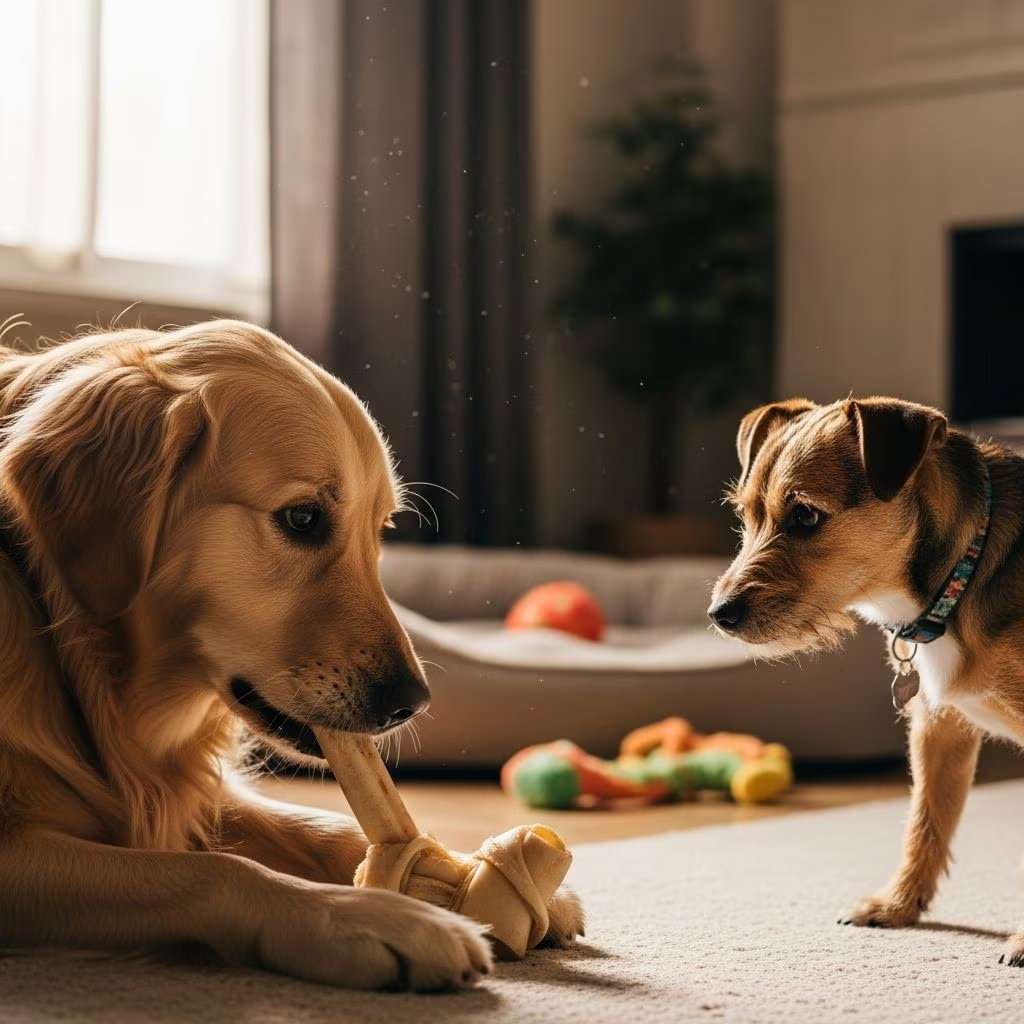
Resource guarding occurs when dogs display protective behaviors over items or spaces they value, such as food, toys, or even their owners. This instinctual response is rooted in canine evolution but can pose risks in modern households if unmanaged.
Defining Resource Guarding: A Natural Canine Instinct
In the wild, dogs and their ancestors competed for limited resources like food scraps, making protective behaviors essential for survival. Today, this translates to domestic dogs reacting to perceived threats near their possessions. Experts define it as any action that deters others from approaching or taking a valued item, ranging from subtle signals to overt aggression.
Not all instances lead to bites; many start with non-aggressive cues. Understanding this spectrum helps owners differentiate between normal vigilance and problematic escalation.
Spotting the Signs: From Subtle to Severe
Dogs communicate discomfort through body language before resorting to teeth. Early recognition prevents escalation.
- Body stiffening or positioning: The dog places itself between the resource and approacher, hovering protectively.
- Intense staring or ‘whale eye’: Whites of the eyes become visible as they track movement.
- Growling, lip curling, or snapping: Vocal warnings signal escalating tension.
- Speed eating or item relocation: Gulping food rapidly or carrying toys to hidden spots.
These signals often appear around mealtimes but can involve toys, beds, or people. Ignoring them risks bites, especially in multi-pet homes.
Common Triggers: What Dogs Value Most
Dogs guard items based on perceived worth, not human logic. Food tops the list due to survival instincts, but surprises abound.
| Resource Type | Examples | Frequency |
|---|---|---|
| Food-Related | Bowls, bones, treats | High |
| Toys & Objects | Chews, stolen socks, shoes | Medium |
| Spaces | Crate, couch spot, bed | Medium |
| People/Pets | Owner attention, from other dogs | Variable |
Non-food guarding, like over laundry or appliances, stems from novelty or comfort association. In multi-dog setups, competition spikes over shared chews.
Root Causes: Why Some Dogs Guard More Than Others
Guarding isn’t random; multiple factors interplay.
- Genetics and Breed Traits: Herding or terrier breeds may show stronger tendencies due to ancestral roles.
- Early Experiences: Puppies from competitive litters or scarce environments learn possessiveness young.
- Fear and Past Trauma: Dogs with histories of theft develop anxiety-driven responses.
- Stress Amplifiers: Changes like new pets or visitors heighten reactivity.
- Learned Success: If growling worked before, it reinforces the behavior.
Routine lack or confrontational handling worsens it, as dogs feel control loss. Contrary to myth, shelter dogs don’t universally guard; individual history matters more.
Resource Guarding in Multi-Pet Homes: Special Challenges
Dog-dog guarding surges with limited resources. A single high-value toy can spark stares or chases. New additions disrupt balances, prompting veterans to defend bowls or spots.
Inter-species issues, like dogs guarding from cats, add complexity. Owners must monitor closely, as injuries occur if rituals fail.
Is It Always a Red Flag? When Normal Meets Risky
Mild guarding—polite growls over steak—is evolutionarily normal, signaling ‘back off’ without harm. Problems arise when intensity endangers household safety or predictability falters.
Thresholds for concern: bites, rapid escalation, or guarding everyday items. Leash reactivity often mimics guarding but stems from fear, not possession.
Safe Management Strategies: What Not to Do First
Avoid punishment; it heightens fear and aggression. Never test by hand-reaching; this confirms threats.
- Remove high-risk items unsupervised.
- Trade-up gently: Offer better value to build positive associations (professional guidance advised).
- Feed separately in multi-dog homes.
Proactive Prevention: Building Confidence from Puppyhood
Start early with positive exposures. Hand-feed meals to associate humans with abundance. Provide ample resources to reduce competition.
For adults, desensitization via certified trainers works: Approach calmly during low-value meals, rewarding calm. Consistency and routine foster security.
Professional Help: Knowing When to Seek Experts
If bites occur or progress stalls, consult veterinary behaviorists. Force-free methods prioritize safety. Vets rule out medical pain triggers first.
FAQs: Common Questions on Dog Resource Guarding
Q: Can resource guarding be cured completely?
A: Many dogs improve dramatically with management and training, though mild instincts may persist.
Q: Does neutering fix it?
A: No, it’s behavioral, not purely hormonal.
Q: How do I handle guarding toward kids?
A: Supervise strictly; train kids to back away at signs. Seek pros immediately.
Q: Is it worse in rescues?
A: Not inherently; depends on history, not origin.
Q: What about guarding me from others?
A: Walk away at first sign; don’t reinforce by staying.
Long-Term Outlook: Harmonious Living with Guarding Dogs
With insight, most cases become manageable. Owners thrive by respecting instincts while setting boundaries. Ample resources, training, and monitoring create peace. Celebrate progress; every calm meal is a win.
References
- Resource Guarding in Dogs: What to Do and NOT Do — Preventive Vet. 2023-05-15. https://www.preventivevet.com/dogs/resource-guarding-in-dogs
- Why Resource Guarding in Dogs Is a Problem & What to Do About It — Cincinnati Family Vet. 2024-02-10. https://www.cincinnatifamilyvet.com/services/dogs/blog/why-resource-guarding-dogs-problem-what-do-about-it
- Resource Guarding in Dogs — PetMD. 2024-08-20. https://www.petmd.com/dog/behavior/resource-guarding-dogs
- Academy Vet Talk: Resource Guarding in Dogs — Academy for Dog Trainers. 2023-11-05. https://academyfordogtrainers.com/veterinarian-talks-resource-guarding-in-dogs/
- Resource Guarding in Dogs — American Kennel Club (AKC). 2024-01-12. https://www.akc.org/expert-advice/training/resource-guarding-in-dogs/
- How to Prevent Resource Guarding in a Multiple-dog Household — Clicker Training. 2023-07-18. https://clickertraining.com/how-to-prevent-resource-guarding-in-a-multiple-dog-household/
- Resource Guarding in Dogs: A Fear Free Approach — YouTube (Fear Free Pets). 2023-09-30. https://www.youtube.com/watch?v=LnSUerpBt1U



