

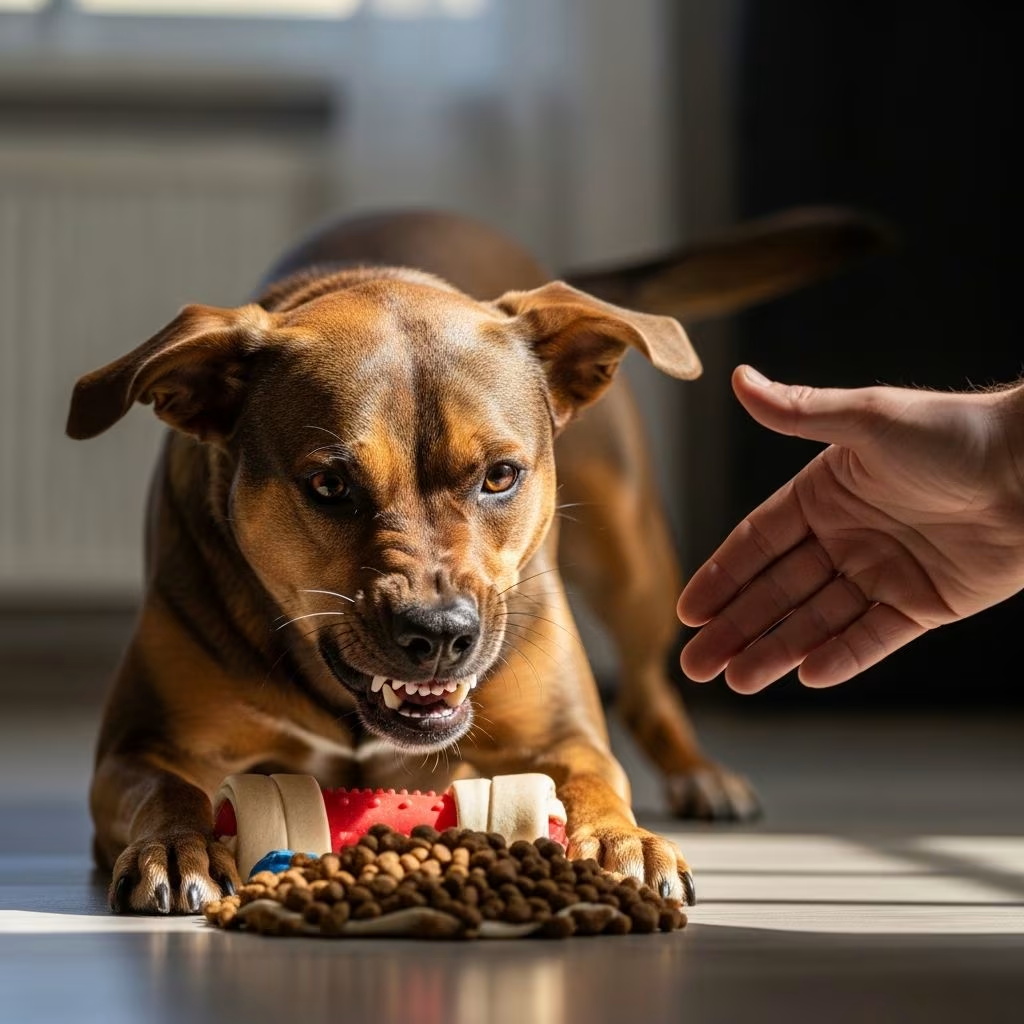
Resource guarding occurs when a dog displays protective behaviors over items or areas it values, such as food, toys, or personal space. This instinct stems from a dog’s evolutionary drive to secure essentials for survival, making mild forms common and not inherently dangerous. However, escalation into aggression can pose risks, especially in households with children or multiple pets, requiring proactive management.
Understanding the Instinct Behind Resource Guarding
Dogs in the wild compete for limited resources like food carcasses, leading to guarding as a natural survival mechanism. In domestic settings, this translates to protecting bowls, bones, or even owners from perceived threats. Experts note that these behaviors often serve as communication—growls or stares signal ‘back off’ without intending harm.
Not all guarding leads to bites; many dogs use ritualized displays like stiffening or whale eye (showing eye whites) to deter approach. Recognizing this as normal helps owners respond appropriately rather than punish, which can worsen fear.
Spotting the Early Warning Signs
Early detection prevents escalation. Dogs may show subtle cues before overt aggression:
- Body stiffening or hovering over the item to block access.
- Hard staring or whale eye, indicating tension.
- Rapid eating or hiding items when approached.
- Pawing or leaning on valued objects or people.
- Low growls or lip curling as warnings.
These signals vary by dog—some flee with treasures (flight response), while others confront (fight response). Owners often miss them, mistaking them for play until bites occur.
Common Triggers and Valued Resources
Dogs guard diverse items based on perceived value:
| Resource Type | Examples | Why Guarded |
|---|---|---|
| Food-Related | Bowls, bones, treats | High survival value |
| Toys/Chews | Balls, puzzle toys | Entertainment or rarity |
| Household Items | Socks, tissues, sticks | Novelty or ‘contraband’ |
| Space/People | Beds, couches, owners | Comfort or attachment |
Guarding intensifies around scarce resources or during stress like visitors or new pets. Multi-dog homes see more inter-pet guarding over shared bowls.
Root Causes of Resource Guarding
Several factors contribute:
- Past Experiences: Dogs punished for guarding or with resource-scarce histories develop anxiety.
- Lack of Socialization: Poor exposure to others heightens threat perception.
- Genetics/Breed: Some lines are more prone, though any dog can guard.
- Stress/Anxiety: Fireworks, changes trigger spikes.
- Learned Success: Growling works to keep resources, reinforcing behavior.
Unlike dominance myths, guarding reflects fear, not hierarchy. Routine and confidence-building counter it.
Risks and When It Becomes a Problem
Mild guarding is benign, but problems arise if:
- It targets children or unpredictable people.
- Warnings are ignored, leading to bites.
- It occurs in public or multi-pet homes.
Severe cases risk injury; statistics from behaviorists show bites often follow ignored growls. Leash reactivity may mimic guarding but stems from fear.
Safe Management Strategies
Never punish— it heightens fear. Instead:
- Prevent Access: Feed in crates, supervise high-value items.
- Desensitize Gradually: Approach calmly during meals, rewarding calm.
- Trade-Up Training: Offer better treats to build positive associations.
- Increase Resources: Multiple toys/bowls reduce competition.
Professional help is vital for bites or multi-triggers.
Prevention Tips for New Puppies
Start early:
- Handle puppies during meals from 8 weeks.
- Socialize with varied dogs/people.
- Use positive reinforcement always.
- Provide abundance to avoid scarcity mindset.
Puppies from competitive litters need extra monitoring.
Multi-Dog Household Challenges
Competition spikes guarding; solutions include:
- Separate feeding stations.
- Rotate toys to prevent fixation.
- Monitor introductions of new pets.
Dog-directed guarding differs from human-directed; assess contexts.
FAQs on Resource Guarding
Is resource guarding normal in all dogs?
Yes, mild forms are evolutionary normal, but intensity varies.
Can I ever take food from my dog’s mouth?
Avoid if possible; train trades instead to prevent fear.
How long does training take?
Weeks to months with consistency; severe cases need pros.
Does neutering fix it?
No, it’s behavior, not hormones.
What if my dog guards me from others?
Manage access; train alone time positively.
Long-Term Outlook and Success Stories
With management, most dogs improve dramatically. Behaviorists report 80-90% success using counter-conditioning. Owners sharing stories note calmer homes post-training, emphasizing patience.
Consult vets/behaviorists for tailored plans, especially post-bite. Positive methods build trust, turning potential conflicts into harmony.
References
- Resource Guarding in Dogs: What to Do and NOT Do — Preventive Vet. 2023. https://www.preventivevet.com/dogs/resource-guarding-in-dogs
- Why Resource Guarding in Dogs Is a Problem & What to Do About It — Cincinnati Family Vet. 2024. https://www.cincinnatifamilyvet.com/services/dogs/blog/why-resource-guarding-dogs-problem-what-do-about-it
- Resource Guarding in Dogs — PetMD. 2024. https://www.petmd.com/dog/behavior/resource-guarding-dogs
- Expectations for the Resource Guarder Dog — Aggressive Dog. 2025-02-01. https://aggressivedog.com/2025/02/01/expectations-for-the-resource-guarder-dog/
- Academy Vet Talk: Resource Guarding in Dogs — Academy for Dog Trainers. 2023. https://academyfordogtrainers.com/veterinarian-talks-resource-guarding-in-dogs/
- Resource Guarding in Dogs — American Kennel Club. 2024. https://www.akc.org/expert-advice/training/resource-guarding-in-dogs/



