Resilient Bunny Zooms Into Life on 3 Legs
How Marilyn Bunroe overcame amputation to hop into a life full of joy and hope.
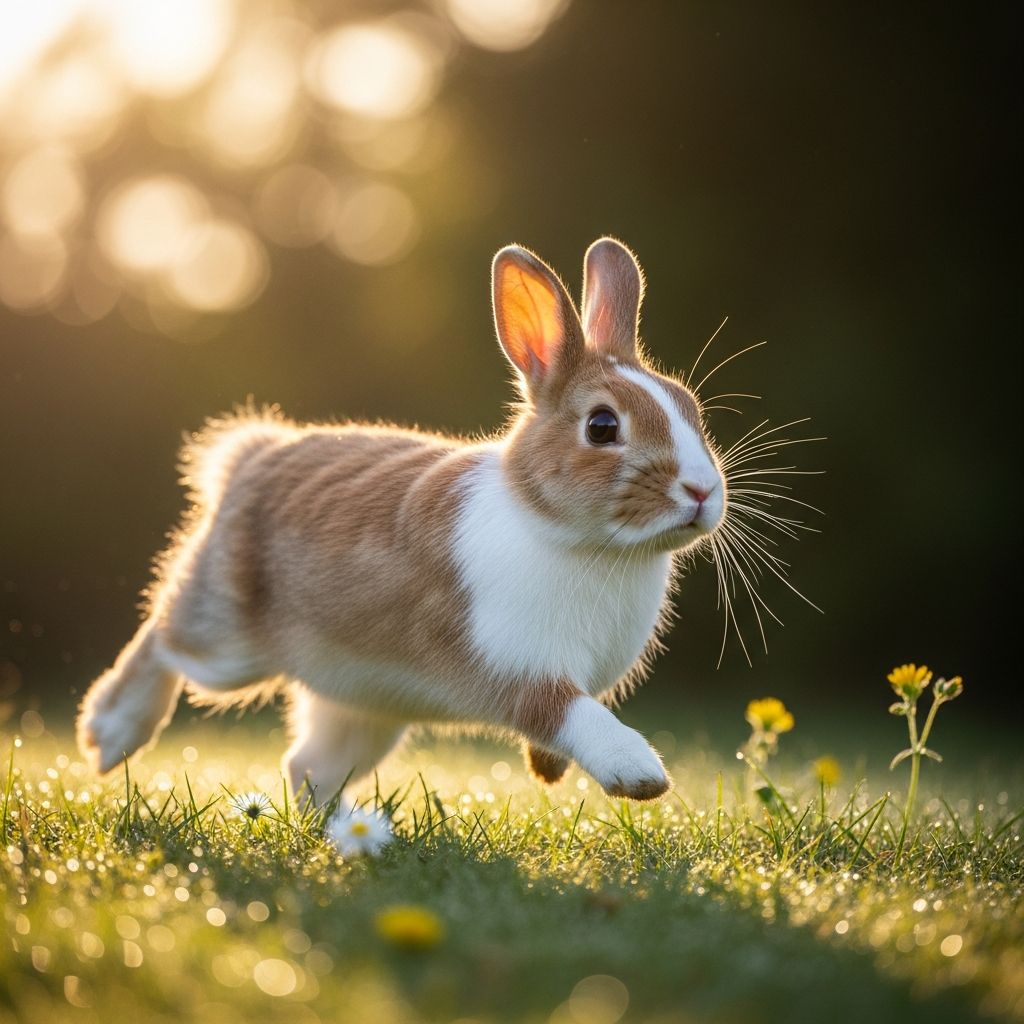
Every animal has a story, and some stories are more remarkable than others. Marilyn Bunroe’s journey is one of extraordinary resilience, determination, and the transformative power of compassionate care. When this small rabbit arrived at Best Friends Animal Sanctuary, she faced challenges that could have defined her future. Instead, Marilyn chose to thrive, proving that disability is never a limitation when surrounded by love and support.
This is the compelling story of how one small bunny with three legs inspired everyone around her and discovered that life’s greatest adventures often begin after our most difficult moments.
Marilyn’s Arrival at Best Friends Animal Sanctuary
Marilyn Bunroe’s journey toward recovery began the moment she arrived at Best Friends Animal Sanctuary. Coming to the sanctuary in less-than-ideal health conditions, this resilient rabbit wasn’t immediately bouncing with energy. The challenges she faced were both physical and emotional, requiring patience, expertise, and unwavering dedication from the sanctuary’s trained staff and volunteers.
Best Friends Animal Sanctuary, located in Utah, is renowned for its commitment to animal rescue and rehabilitation. The sanctuary provides a safe haven for animals of all kinds, offering medical care, behavioral support, and the time needed for animals to heal physically and emotionally. For Marilyn, this sanctuary would become the place where her transformation would unfold.
Understanding Limb Amputation in Rabbits
Amputation is a significant surgical procedure, but for rabbits like Marilyn, it can be a life-saving intervention. Rabbits may require amputation for various reasons including severe injury, infection, bone disease, or congenital abnormalities. When a rabbit’s limb cannot be saved or is causing chronic pain and mobility issues, amputation becomes the most humane choice available.
Contrary to common assumptions, rabbits are remarkably adaptable creatures. They possess an innate ability to adjust to physical changes that would seem catastrophic to humans. Their physiology and psychology allow them to compensate for lost limbs with remarkable efficiency. The key to successful recovery lies in proper medical care, environmental adaptation, and psychological support.
The Recovery Process: Medical Care and Beyond
Initial Veterinary Assessment and Treatment
Upon arrival, Marilyn underwent a thorough veterinary examination to assess her overall health and determine the best course of action. The sanctuary’s veterinary team evaluated her limb condition, assessed for infection, and developed a comprehensive treatment plan tailored to her specific needs. This initial assessment was crucial in determining whether amputation was necessary and the optimal timing for the procedure.
Post-Amputation Care and Support
Following amputation surgery, Marilyn required specialized post-operative care. This included pain management, wound care, infection prevention, and monitoring for any complications. The sanctuary’s staff provided round-the-clock observation to ensure her comfort and safety during the critical healing period. Mobility assistance, dietary support, and environmental modifications helped Marilyn navigate her new reality.
Physical Rehabilitation and Adaptation
As Marilyn healed from surgery, the staff introduced gentle movement and exercise to help her rebuild strength and confidence. This wasn’t rushed; it was a gradual process allowing her to explore her new capabilities at her own pace. With each passing day, Marilyn discovered new ways to move, jump, and navigate her world. Her natural rabbit instincts kicked in, and she began to adapt with remarkable speed.
The Psychological Journey: From Uncertainty to Joy
The physical recovery from amputation is only part of the journey. The psychological adjustment is equally important. Animals must adapt not only to their changed bodies but also to their perception of themselves. Marilyn’s caregivers recognized this and provided emotional support alongside medical care.
Through consistent interaction, positive reinforcement, and a stimulating environment, Marilyn gradually regained her confidence. The staff celebrated every small milestone—the first hop on three legs, the initial exploration of her living space, the return of her appetite, and eventually, the playful energy that defines a healthy rabbit. These moments of progress reinforced her will to overcome her circumstances.
Life as a Three-Legged Bunny: Discovering New Possibilities
Daily Activities and Routines
Today, Marilyn Bunroe hops through life as though she never lost a limb. She engages in all the activities that rabbits love: hopping, binkying (the adorable jumping spin rabbits do when excited), exploring, eating her favorite vegetables, and interacting with caregivers and visitors. Her three-legged gait is unique and endearing, and she navigates her sanctuary home with confidence and joy.
Physical Capabilities of Three-Legged Rabbits
The remarkable truth about three-legged rabbits is that they often perform better than expected. Rabbits’ powerful hind legs provide the primary propulsion for movement, so the loss of one limb, while noticeable, is not as debilitating as it might seem. Many three-legged rabbits jump, run, and play with enthusiasm comparable to their four-legged counterparts. Some even achieve speeds that astonish observers.
The Power of Resilience: Lessons from Marilyn
Marilyn’s story is fundamentally about resilience—the ability to recover from difficulty and adapt to new circumstances. Her journey teaches valuable lessons applicable to both animals and humans facing adversity:
Adaptation Over Limitation
Marilyn didn’t focus on what she had lost; instead, she discovered what she could still do. This mindset shift, facilitated by her supportive environment, transformed her disability into merely a different way of being. Her experience demonstrates that limitations are often mental constructs that can be overcome through determination and support.
The Importance of Compassionate Care
The staff at Best Friends Animal Sanctuary didn’t give up on Marilyn when she arrived injured and unwell. They invested time, resources, and emotional energy into her recovery. This compassionate approach—treating each animal as an individual with inherent worth—made all the difference in Marilyn’s transformation.
Community and Connection
Marilyn’s recovery wasn’t a solitary journey. It involved veterinarians, caretakers, volunteers, and visitors who all played roles in her healing. The community surrounding her provided motivation, support, and love. This interconnectedness is essential to recovery and wellbeing for all creatures.
Marilyn’s Impact on Others
Beyond her personal achievements, Marilyn has become an ambassador for resilience and hope. Her presence at the sanctuary inspires visitors, especially those facing their own challenges. People who meet Marilyn often see in her a mirror of their own struggles and draw strength from her unwavering spirit and joyful demeanor.
Inspiring Visitors and Supporters
Visitors to Best Friends Animal Sanctuary often leave transformed by meeting animals like Marilyn. Her story challenges preconceptions about disability and demonstrates that quality of life depends not on physical perfection but on attitude, support, and opportunity for happiness. Many visitors become supporters of the sanctuary’s mission after encountering Marilyn’s infectious joy.
Educational Value
Marilyn serves as a powerful educational tool for teaching about animal resilience, disability adaptation, and the importance of animal welfare. Her story has been shared widely, reaching audiences far beyond the sanctuary and contributing to changing perceptions about animals with disabilities.
Best Friends Animal Sanctuary: A Haven for Animals in Need
Best Friends Animal Sanctuary provides sanctuary to animals of all species who have nowhere else to go. From elderly animals to those with special needs or disabilities, the sanctuary offers lifelong care in a compassionate environment. The organization’s philosophy centers on the belief that every animal deserves a chance at a good life, regardless of their circumstances or limitations.
Services and Support Available
The sanctuary offers comprehensive services including emergency rescue, medical care, behavioral rehabilitation, socialization, and permanent sanctuary for animals who cannot be adopted. Their specialized programs address the unique needs of animals with disabilities, ensuring they receive appropriate care and opportunities to thrive.
Caring for Three-Legged Rabbits: What You Should Know
Environmental Modifications
Three-legged rabbits benefit from certain environmental adaptations that make daily living easier:
- Ramps or gradual slopes instead of steep changes in elevation
- Non-slip flooring to provide traction and prevent slipping
- Accessible food and water stations at appropriate heights
- Spacious living areas allowing freedom of movement
- Soft bedding to protect the remaining limbs from pressure sores
Health Monitoring
Regular veterinary check-ups are essential for three-legged rabbits to monitor overall health and ensure the remaining limbs are functioning properly. Caregivers should watch for signs of pain, infection, or complications and report any concerns to their veterinarian promptly.
Frequently Asked Questions
Q: Can three-legged rabbits live normal lifespans?
A: Yes, with proper care and veterinary support, three-legged rabbits typically enjoy normal lifespans. Their disability does not inherently shorten their lives; rather, quality care extends them.
Q: Do three-legged rabbits experience chronic pain?
A: After proper healing, most three-legged rabbits do not experience ongoing pain from amputation. Veterinarians manage pain during recovery, and once healed, rabbits adapt well to their new mobility.
Q: Can three-legged rabbits be adopted as pets?
A: Absolutely. Three-legged rabbits can be wonderful pets for the right families. They require no more special care than any rabbit, though prospective adopters should understand their needs and be prepared to accommodate their slightly different mobility.
Q: How do rabbits adjust to amputation so quickly?
A: Rabbits are remarkably adaptable animals. Their powerful hind legs and flexible spines allow them to compensate for lost limbs efficiently. Combined with their natural resilience and instinct for survival, most rabbits adjust within weeks of recovery.
Q: What should I look for if considering adopting a special-needs rabbit?
A: Focus on the rabbit’s personality, health status, and your ability to provide appropriate care. Visit the rabbit multiple times, ask questions of caregivers, and ensure you have veterinary support available. A rabbit’s disability matters far less than the love and care you’re prepared to offer.
The Ongoing Journey
Marilyn Bunroe’s story doesn’t end with her recovery; it continues every single day as she lives her life to the fullest at Best Friends Animal Sanctuary. She represents hope for countless animals facing adversity and a testament to the transformative power of compassionate care. Her legacy extends beyond herself—inspiring rescue organizations, educating the public, and changing hearts and minds about animals with disabilities.
As Marilyn continues to zoom through life on three legs, she reminds us all of an important truth: our limitations don’t define us; our determination and the support we receive do. Whether we have two legs, three legs, or four, what matters most is finding joy in each day and embracing the life we’ve been given.
Supporting Animals Like Marilyn
If Marilyn’s story has touched your heart and inspired you to help animals in need, there are numerous ways you can support organizations like Best Friends Animal Sanctuary:
- Donate to support rescue operations and medical care
- Volunteer your time and skills
- Adopt a rescued animal
- Share stories of resilient animals to raise awareness
- Advocate for animal welfare in your community
Every contribution, no matter how small, helps animals like Marilyn receive the care and compassion they deserve. By supporting animal rescue organizations, you become part of the solution, helping more animals overcome adversity and discover their own resilience.
References
- Best Friends Animal Society — Best Friends Animal Society. 2025. https://bestfriends.org/stories/features/resilient-bunny-zooms-life-3-legs
- Best Friends Animal Sanctuary – Rabbit and Guinea Pig Stories — Best Friends Animal Society. 2025. https://bestfriends.org/stories/animals/rabbit-and-guinea-pig
- Veterinary Care of Rabbits and Rodents — International Veterinary Academy of Pain Management (IVAPM). 2024. https://www.ivapm.org
Similar Articles



Read full bio of medha deb