

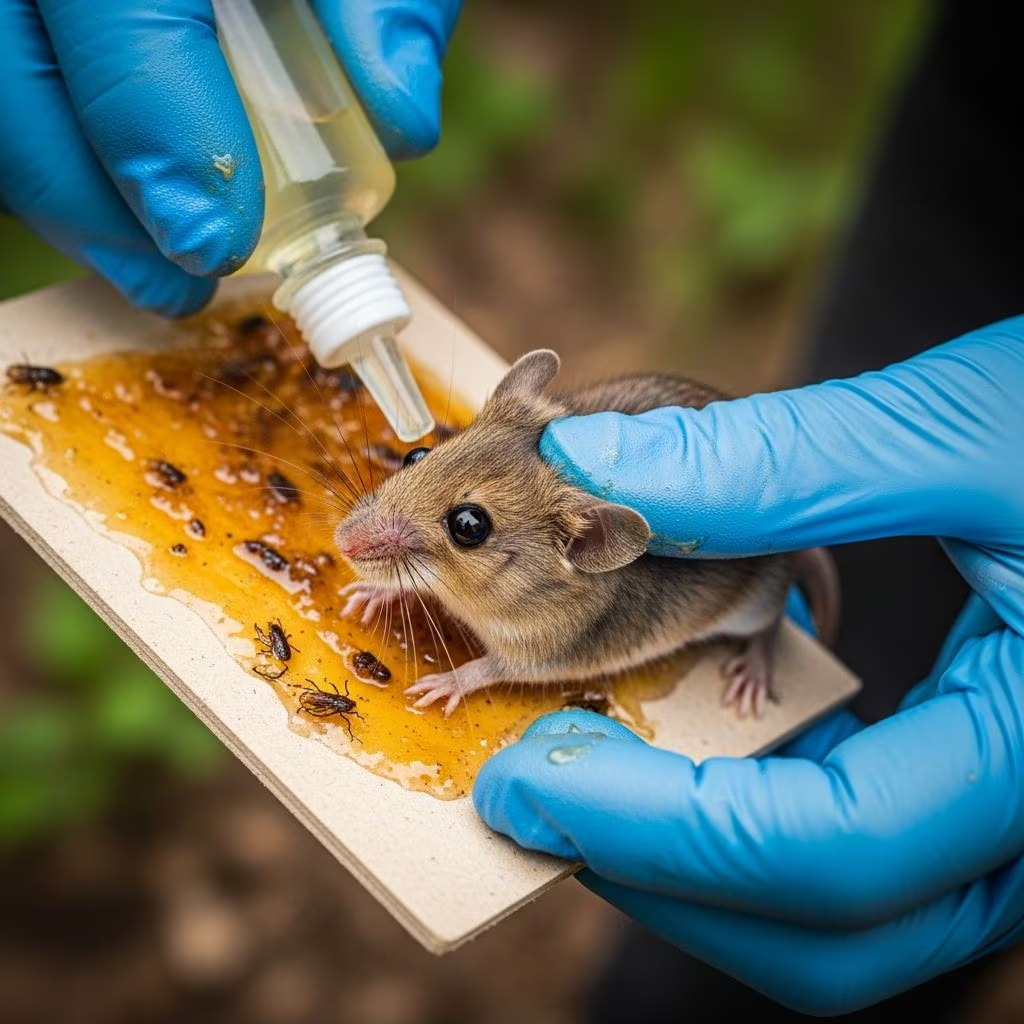
Glue traps represent one of the most inhumane pest control devices, causing animals excruciating pain as they struggle to escape. Small mammals, birds, reptiles, and other wildlife often suffer for hours or days, succumbing to exhaustion, dehydration, or self-inflicted injuries. This guide provides a comprehensive approach to safely freeing trapped animals, minimizing harm, and promoting their recovery.
The Hidden Cruelty of Glue Traps
These adhesive boards capture rodents and non-target species indiscriminately. Animals become immobilized, leading to desperate attempts to free themselves that result in ripped fur, broken feathers, or severed limbs. Many suffocate if their faces contact the glue, while others endure slow deaths from starvation or infection. Wildlife centers report frequent cases where birds, lizards, squirrels, and even raptors fall victim, highlighting the traps’ indiscriminate nature.
Legally, deploying glue traps for protected species is prohibited in many regions. In the United States, notify wildlife authorities immediately upon discovering illegal setups to prevent further harm.
Essential Supplies for a Successful Rescue
Preparation is key to a stress-free rescue. Assemble these items before approaching the trapped animal:
- Thick gloves for protection against bites or scratches.
- Lightweight cloths or towels to cover the animal’s head and reduce panic.
- Vegetable-based oils like canola, olive, or mineral oil for loosening adhesive.
- Cornstarch, cornmeal, or breadcrumbs to neutralize remaining glue.
- Paper towels, tissues, or newspaper for coverage and cleanup.
- Cotton swabs for precise application on small animals.
- A secure, ventilated box or container for transport and recovery.
- Damp cloth for gentle cleaning.
These materials ensure you can act swiftly without causing additional injury.
Step-by-Step Guide to Freeing the Animal
Approach calmly to avoid escalating the animal’s fear. Follow these structured steps for safe extraction:
- Secure the Scene: Cover exposed glue with paper towels or cornstarch to prevent further sticking. Place the trap and animal in a quiet, warm, dark box away from pets and noise.
- Cover the Head: Drape a light cloth over the animal’s head to calm it and limit vision, reducing stress.
- Assess Sensitive Areas: Prioritize glue near mouth, nose, or eyes. Use swabs dipped in minimal oil to gently work it free without flooding the area.
- Apply Oil Methodically: For small creatures like mice or birds, massage oil sparingly with swabs from front to back. Larger animals may need drips around stuck points followed by gentle rubbing. Patience prevents skin tears or feather damage.
- Sprinkle Neutralizer: As parts free, dust cornstarch over exposed glue to solidify it.
- Final Release: Once detached, cover the trap fully and wipe excess oil lightly if safe. Avoid full baths, as they shock the animal.
If the animal appears weak, injured, or uncooperative, skip DIY efforts and seek experts immediately.
Post-Rescue Care and Release Protocols
After liberation, prioritize recovery:
- Place in a ventilated, dark container lined with soft material.
- Keep in a warm (not hot), silent spot for 1-2 hours to recuperate.
- Monitor breathing and alertness; do not feed or water, as it risks aspiration in shocked states.
For release:
| Condition | Action | Timing/Location |
|---|---|---|
| Active, alert, mild weather | Release nearby | Within 1 block, dusk/dawn |
| Injured or cold/extreme weather | Transport to rehabber | Immediately |
| Young or dependent | Professional care | Wildlife center |
Always consult local rehabilitators for species-specific advice.
Finding Professional Wildlife Assistance
Wildlife rehabilitators possess the expertise for complex cases. Use directories from state wildlife agencies or organizations like Animal Help Now to locate nearby experts. They provide bathing, wound treatment, and release evaluation unavailable at home. In emergencies, veterinarians experienced in exotics can stabilize the animal.
Preventive Measures: Humane Rodent Management
Eliminate glue traps entirely. Opt for these ethical alternatives:
- Snap Traps: Quick-kill indoors only, baited properly.
- Exclusion: Seal entry points with steel wool and caulk.
- Repellents: Ultrasonic devices, peppermint oil, or natural predators like cats.
- Non-Lethal Traps: Live-catch and relocate humanely where legal.
- Environmental Controls: Remove food sources, water, and nesting materials.
Contraceptives, dry ice, or Vitamin D-based products offer population control without suffering.
Common Pitfalls and Safety Precautions
Avoid these errors to protect both rescuer and animal:
- Use minimal oil to prevent drowning or waterproofing loss.
- Never force stuck parts; stop if skin tears or feathers break.
- Wear protective gear; wild animals may bite or claw defensively.
- Skip powders near birds to avoid respiratory issues.
- In hot conditions, pause if the animal overheats (mouth breathing).
Rescuers uncomfortable with the process should call professionals first.
Legal and Ethical Considerations
Many jurisdictions ban glue traps for wildlife. Report violations to animal control or fish and wildlife services. Ethically, prioritize compassion: prevention trumps rescue.
Frequently Asked Questions (FAQs)
What if the animal is a pet?
Follow similar steps but contact a vet immediately for domesticated animals.
Can I keep a rescued wild animal?
No, release or rehabilitate promptly; keeping wildlife is often illegal.
How long can an animal survive on a glue trap?
Hours to days, depending on struggle and exposure.
Are there videos demonstrating the process?
Yes, reputable organizations offer tutorials on safe techniques.
What about bats or snakes?
Extreme caution; contact specialists, as they pose unique risks.
By mastering these techniques, you become a vital ally for wildlife. Share knowledge to reduce glue trap use and foster humane communities.
References
- 6 Steps to Save Animals Stuck on Glue Traps — PETA. 2023. https://www.peta.org/action/steps-to-rescue-animals-from-glue-traps/
- How to Help Animals Stuck on Glue Traps — Animal Help Now. 2023. https://www.ahnow.org/resources/How_to_Help_Animals_Stuck_on_Glue_Traps.pdf
- Glue Trapped — Chintimini Wildlife Center. 2016-11-10. https://chintiminiwildlife.org/2016/11/10/glue-trapped/
- My Turn: Help save local wildlife — Greenfield Recorder. 2026-01-28. https://recorder.com/2026/01/28/my-turn-help-save-local-wildlife/
- How to Help an Animal Stuck in a Glue Trap — PETA (YouTube). 2023. https://www.youtube.com/shorts/CfaHNy9ZCic



