
Rescuing and Rehabilitating Orphaned Wildlife
Essential guidance for caring for orphaned birds and mammals humanely
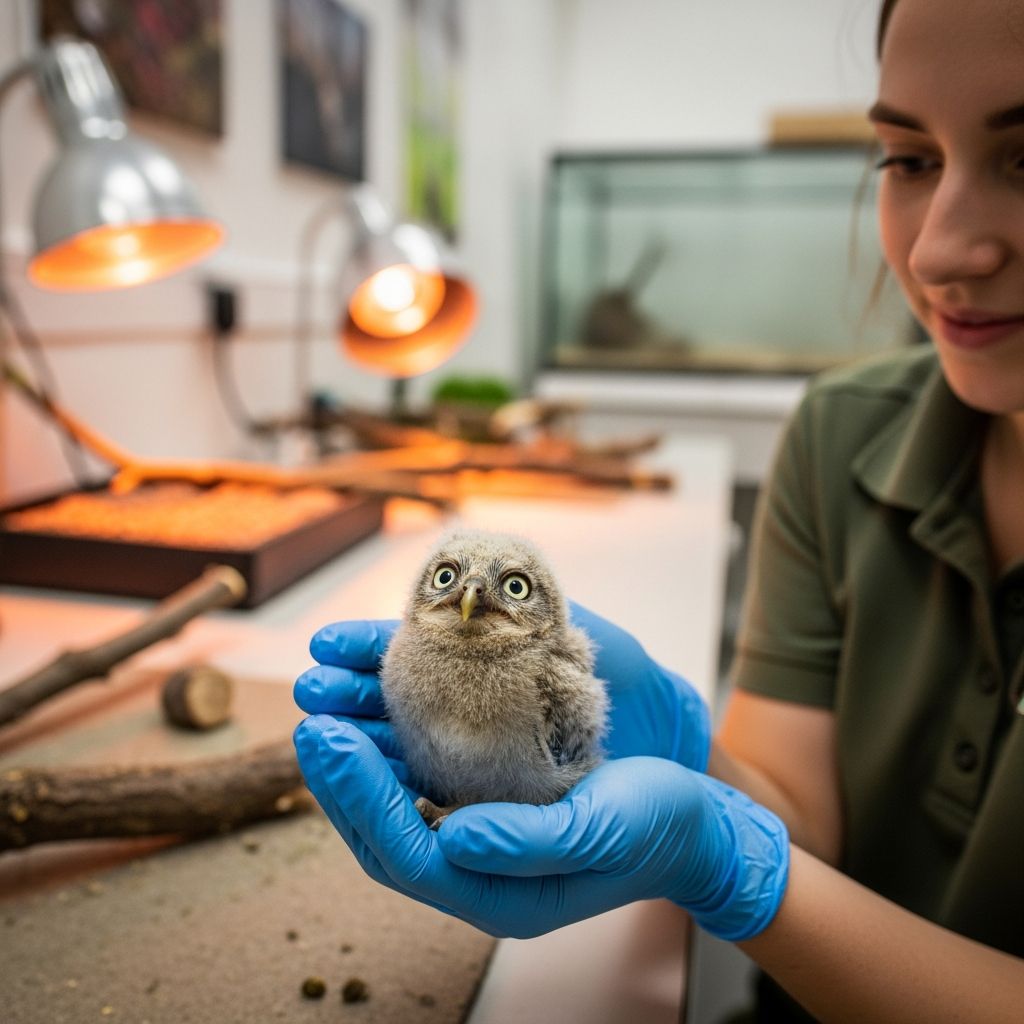
Encountering orphaned or injured wildlife presents both a moral responsibility and significant practical challenges. Whether you discover a featherless chick on the ground or a young mammal separated from its mother, understanding proper rescue and care protocols is essential to maximize survival rates and ensure ethical treatment. This guide provides foundational knowledge for anyone involved in wildlife rehabilitation, from initial assessment through successful release.
Determining If Intervention Is Necessary
One of the most critical mistakes people make when encountering young animals is intervening when intervention is not required. Many seemingly orphaned animals are actually dependent offspring still receiving parental care. The distinction between different developmental stages in birds is particularly important for making this determination.
Nestlings are young birds that remain in or near their nest, typically with closed eyes and minimal feathering or patches of down. These birds are completely dependent on parents for food and warmth. Fledglings represent the next developmental stage—they have most or all of their adult feathers and open eyes, and have recently left the nest but remain under parental supervision. Parent birds continue providing food and protection to fledglings for several weeks after they depart the nest. Unless a fledgling shows signs of injury, bleeding, or immediate predator threat, leaving it undisturbed is almost always the correct decision.
True orphaned birds—those whose parents are genuinely deceased or unable to provide care—represent only a fraction of birds found by the public. Similarly, young mammals should only be considered orphaned if the mother is confirmed dead, if the animal shows signs of injury or starvation, or if it has been separated from the mother for an extended period under circumstances indicating parental abandonment.
Safe Capture and Initial Containment Strategies
When you have determined that intervention is truly necessary, proper capture technique prevents injury to both the animal and yourself. Use appropriate protective equipment based on species and age. For young birds and small mammals, a soft cloth such as a clean washcloth provides adequate protection while minimizing stress. For larger or aggressive animals, thick leather gloves are essential, along with long sleeves to protect against bites and scratches.
After capture, place the animal in a small, well-ventilated container—a cardboard box with air holes is ideal for birds, while small mammals may be contained in similarly ventilated boxes with soft toweling. Never use cages, as these can cause stress and injury during transport. If using a clear or transparent container for birds, cover it with a dark cloth to provide a calming visual environment. Secure the container so it cannot shift during transport, and minimize handling and noise to reduce stress.
Creating Optimal Environmental Conditions
The foundation of orphan care rests on five fundamental principles that apply across virtually all species: maintaining appropriate temperature, cleanliness, quiet conditions, darkness, and proper nutrition. These elements are so universally important that they are often called the “five golden rules” of orphan care. When any of these requirements are compromised, rehabilitation success declines significantly.
Temperature Regulation
Warmth is the single most critical factor in the first hours and days of orphan care. Orphaned animals, particularly those without full feathering or fur, cannot maintain body temperature independently and rapidly develop hypothermia without external heat sources. Young birds should be maintained at approximately 85–95°F depending on their developmental stage and species. A heat lamp with a 40-watt bulb positioned 12 inches above nestlings, placed within an aquarium to create an incubator-like environment, provides consistent warmth. Heating pads set to low or medium settings, with towels placed between the pad and the animal to prevent burns, offer an alternative heating method. Hot water bottles wrapped in towels also work effectively. Regardless of the heating method chosen, the animal must be able to move away from the heat source if it becomes too warm—never create a situation where the animal cannot escape excessive heat.
Housing and Nesting Requirements
Once initial warmth is established, provide appropriate housing that accommodates the animal’s behavioral and physiological needs. For young birds, create a simple nest structure using a small dish approximately two inches in diameter—a clean soup bowl works well—draped with a hand towel to form a nesting area. However, not all birds naturally accept nests; fledglings that have already left the nest may refuse nest structures and will jump out if confined within them. In such cases, provide the towel-lined container without nest structures.
Place housing in a location that is warm, dark, and quiet—away from household activity, children, and pets. The environment should minimize stress by reducing visual and auditory stimulation. Even brief, repeated checks on the animal increase stress levels; resist the impulse to frequently observe the bird or mammal unless necessary for feeding or health monitoring.
For animals that will be maintained longer term, outdoor housing becomes necessary during rehabilitation. Outdoor enclosures should incorporate several key features: protection from harsh weather elements, adequate air circulation to prevent humidity buildup and disease spread, a private nesting or denning area with natural materials, branches and logs for enrichment and behavioral expression, and design that allows thorough and frequent cleaning.
Nutrition and Feeding Protocols
Feeding represents one of the most challenging aspects of orphan care, as improper nutrition causes growth abnormalities, behavioral defects, feather contamination in birds, and potentially fatal complications. Each species requires specific nutrients, supplements, and feeding schedules. The critical principle is: do not feed immediately upon rescue. Young animals rescued from stressful situations often experience shock, and introducing food too quickly can cause serious digestive and metabolic complications. Unless the animal is a hummingbird—which has unique metabolic demands—the priority during the first 24 hours is providing warmth and security in a calm environment.
Before attempting to feed any bird or mammal, consult with a rehabilitation professional or veterinarian familiar with the species. Different species have vastly different dietary requirements, food particle sizes, and feeding frequencies. Some species naturally eat specific plant materials or insects that captive diets must replicate, while others accept prepared formulas.
The single exception to delayed feeding is the hummingbird, which requires food every 30 minutes for juveniles and every hour for adults to prevent fatal hypoglycemia. Create a feeding solution by mixing one part sugar with four parts water. Dip a clean straw or cotton swab into the solution and allow the hummingbird to drink from the droplet, permitting it to consume as much as desired before repeating the process.
For other birds and mammals that require feeding, appropriate starter formulas exist for various categories. Chick starter or turkey starter—available from agricultural supply stores—works well for many orphaned birds. As mammals grow, their dietary requirements transition from formula to appropriate solid foods based on their natural diet. During weaning, which is inherently stressful, provide consistent food and minimize other environmental stressors.
Health Assessment and Disease Management
Orphaned wildlife frequently arrives with injuries, infections, parasites, or diseases acquired in the wild. A thorough initial assessment by a veterinarian should evaluate for visible injuries, infection signs, and species-specific health conditions. Quarantine procedures prevent disease transmission to other animals in rehabilitation and to human handlers. Wear rubber gloves during all handling, and use thick leather gloves for larger mammals and adult birds capable of inflicting serious bites or scratches.
Wild birds and mammals can carry zoonotic diseases—pathogens transmissible to humans—which pose particular risks to children and elderly individuals. Common wildlife diseases include beak and feather disease in birds, various parasitic infections, respiratory infections, and in some regions, rabies in mammals. Proper hygiene, including handwashing after handling and appropriate disposal of feces and urine, reduces zoonotic disease transmission risk.
Nutritional deficiencies develop rapidly in improperly fed orphans, manifesting as poor growth, weak bones, and developmental abnormalities. Daily weighing and careful record-keeping allow early detection of feeding problems before they become life-threatening.
Behavioral Development and Imprinting Prevention
Young animals, particularly birds, imprint rapidly on caregivers—they recognize and bond with their primary contact, mistaking humans for parents. This psychological bonding severely compromises an animal’s ability to function in the wild upon release, potentially causing fatal behavioral problems. To prevent imprinting, minimize direct human contact and handling except when necessary for feeding or medical care. Raising multiple orphans of the same species and approximate age together greatly facilitates development of species-typical behaviors and social bonding with members of their own kind rather than humans.
Some species require specific environmental enrichment to develop normal behaviors. For example, young mammals approaching release should have access to natural substrates like soil and leaves to stimulate innate digging and caching behaviors. Branches, logs, and hiding places allow expression of natural activity patterns and reduce stress.
Monitoring Progress and Determining Release Readiness
Throughout rehabilitation, maintain detailed records of weight gain, dietary intake, behavioral development, and any medical treatments provided. Daily weighing offers the most objective measure of whether nutritional protocols are supporting appropriate growth. Animals should demonstrate consistent weight gain and active, alert behavior appropriate to their species and developmental stage.
Release criteria vary by species but generally include achieving appropriate adult size and weight, development of full plumage or fur, normal behavioral patterns, and confirmed health status. Animals should be released into suitable habitat that provides food sources, shelter, and protection from immediate dangers. The optimal release site is often the location where the animal was originally found, if that location is safe and ecologically suitable.
Common Challenges and Troubleshooting
Temperature Management Issues
Maintaining consistent appropriate temperature is technically simple but practically challenging. Overheating causes dehydration and stress, while inadequate warmth causes hypothermia and death. Monitor environmental temperature with a thermometer and adjust heating sources accordingly. In warm weather, provide heat during early morning and evening hours when temperatures drop; reduce or eliminate heat during peak daytime temperatures.
Feeding Difficulties
Some animals refuse food or demonstrate slow growth despite adequate feeding attempts. Common causes include improper formula mixing, inadequate feeding frequency, food temperature being too cold, and animals still experiencing shock or stress from rescue. Consult with experienced rehabilitation professionals if feeding difficulties persist beyond 24-48 hours.
Infection and Disease
Signs of infection include discharge from eyes or nostrils, lethargy, ruffled feathers or fur, and diarrhea. Any suspicion of infection warrants immediate veterinary evaluation. Quarantine the affected animal separately to prevent disease transmission.
Frequently Asked Questions
What should I do if I find a fledgling?
Observe from a distance for several hours. Parent birds typically continue feeding fledglings on the ground. Only intervene if you observe predators, pets, or direct threats. If intervention is necessary, gently move the fledgling to nearby bushes or shrubs within an 8-foot radius of the original location, allowing parents to locate and continue caring for it.
Can I give a found bird water?
In most cases, do not offer food or water immediately. The exception is hummingbirds, which need sugar-water solutions every 30 minutes. For other species, wait for professional guidance before feeding.
Will a parent bird reject its baby if I touch it?
No. This is a widespread myth. Birds have a poor sense of smell, and parental instinct to feed offspring overrides any concerns about human scent. If you can locate the nest, placing a nestling directly back in it is always the best option.
How long can I keep an orphan at home?
While some animals may be maintained at home temporarily, rehabilitation of wildlife to release quality ideally occurs under professional supervision. If you must provide care, limit the duration to 24-48 hours maximum before transferring to a licensed rehabilitation facility.
Is it legal to keep a wild animal?
In most jurisdictions, keeping native wildlife without permits is illegal. Contact local wildlife agencies, rehabilitation centers, or wildlife services to understand legal requirements and locate licensed facilities in your area.
References
- Initial treatment and care guidelines for rescued native birds — Department of Planning and Environment (New South Wales). https://www.environment.nsw.gov.au/publications/initial-treatment-and-care-guidelines-rescued-native-birds
- Caring for an Orphaned Bird — PetMD. https://www.petmd.com/bird/care/caring-orphaned-bird
- How to Care for Orphaned Wild Mammals — Iowa State University College of Veterinary Medicine. https://dr.lib.iastate.edu/bitstreams/89cfcf9e-45fa-408b-9e76-a3b085e6d19d/download
- Primary Care for Young Birds — Wildlife in Crisis. https://wildlifeincrisis.org/environmental-education/primary-care-for-young-birds/
- What to do if you find a baby bird, injured or orphaned wildlife — U.S. Fish and Wildlife Service. https://www.fws.gov/story/what-do-if-you-find-baby-bird-injured-or-orphaned-wildlife
- How to help baby birds — Toronto Wildlife Centre. https://www.torontowildlifecentre.com/wildlife-emergency-rescue-hotline/how-to-help-orphaned-baby-wild-animals/how-to-help-baby-birds/
- Wildlife Care Basics for Veterinary Hospitals — Ontario Veterinary Medical Association. https://www.ontariowildliferescue.ca/downloads/hsvma_wildlife_care_handbook.pdf
Similar Articles








Read full bio of medha deb


