

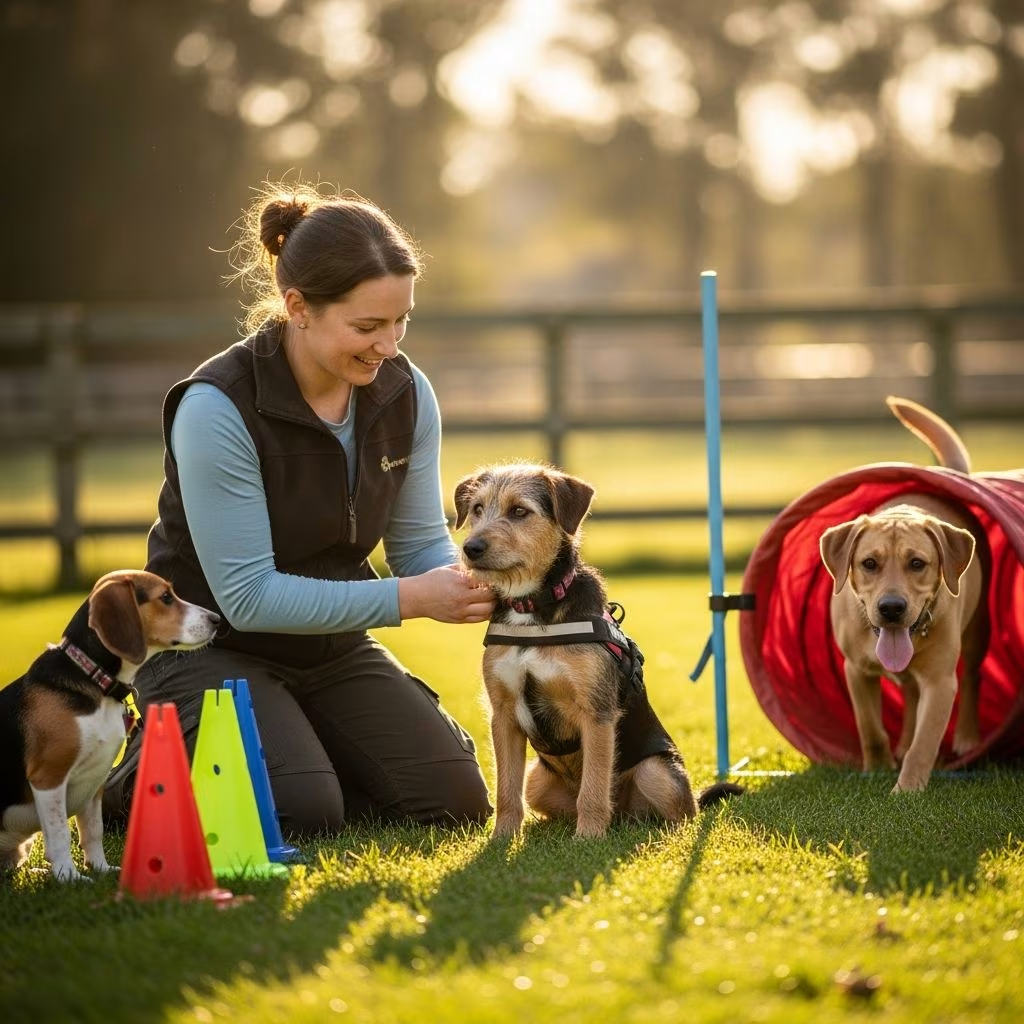
Intensive behavior modification programs offer a lifeline for puppies displaying severe issues like aggression, fear, or destructiveness. These structured approaches, rooted in positive reinforcement and science-based methods, can reshape a young dog’s responses to triggers and daily life, preventing euthanasia and fostering happy homes.
Understanding Puppy Behavior Challenges
Puppies enter homes full of curiosity but sometimes exhibit intense problems such as biting, resource guarding, or reactivity. These stem from underdeveloped impulse control, insufficient socialization, or genetic predispositions amplified by environment. Early intervention through targeted training addresses root causes rather than symptoms.
Common issues include:
- Mouthing and biting: Natural exploration turns problematic without boundaries.
- Fear responses: Leading to shutdowns or aggression toward people or dogs.
- Resource guarding: Protecting food, toys, or space aggressively.
- Leash reactivity: Lunging or barking during walks.
Recognizing these early allows owners to implement changes before patterns solidify.
Core Principles of Effective Puppy Modification
Successful programs prioritize positive reinforcement, where rewards like treats or praise follow desired actions, increasing their frequency. Consistency across handlers ensures clear expectations.
| Principle | Description | Benefits |
|---|---|---|
| Positive Reinforcement | Reward good behavior immediately with treats, praise, or play. | Builds trust and motivation without fear. |
| Counter-Conditioning | Pair triggers with positives to shift emotional responses. | Reduces fear or aggression over time. |
| Management | Use tools like leashes or crates to prevent bad habits. | Creates safety for learning. |
| Consistency | Same cues and rules from all family members. | Prevents confusion and relapse. |
These pillars form the foundation, with sessions kept short (5-10 minutes) to match puppy attention spans.
Building a Daily Structure for Success
A predictable routine anchors training by meeting physical and mental needs. Schedule meals, potty breaks, exercise, and training to reduce anxiety and unwanted outbursts.
Example Daily Schedule for Intensive Training:
| Time | Activity | Duration | Training Focus |
|---|---|---|---|
| 7:00 AM | Meal & Potty | 15 min | Reward outdoor elimination. |
| 8:00 AM | Walk & Socialization | 20 min | Leash manners, calm exposures. |
| 12:00 PM | Mental Games | 10 min | Puzzle toys for focus. |
| 3:00 PM | Training Session | 5-10 min | Basic commands with clicker. |
| 6:00 PM | Exercise & Play | 15 min | Fetch to burn energy. |
| 9:00 PM | Crate Wind-Down | Until sleep | Positive crate association. |
This framework minimizes triggers and maximizes learning opportunities.
Targeted Strategies for Aggression and Fear
For aggressive displays, interrupt without punishment using tools like head halters, which gently redirect attention. Combine with desensitization: expose to triggers at low intensity while rewarding calm.
Counter-conditioning example: If a puppy growls at strangers, feed high-value treats whenever someone appears at a distance, gradually closing the gap as tolerance builds.
Bite inhibition training uses yelping sounds during play to teach soft mouths, followed by ignoring hard bites.
Socialization: The Key to Confidence
Critical between 3-16 weeks, socialization exposes puppies to varied stimuli positively. Start distant: observe children playing, hear traffic sounds, meet calm dogs.
- Use puppy classes for controlled interactions.
- Record novel sounds (thunder, vacuums) at low volumes, pairing with treats.
- Introduce grooming tools gradually with rewards.
Undersocialized pups risk lifelong fear; structured exposure prevents this.
Tools and Resources for Intensive Programs
Equip your efforts with:
- Clickers: Precise reward markers.
- Puzzle toys: Mental fatigue reduces mischief.
- Enzymatic cleaners: Eliminate accident scents.
- Front-clip harnesses: Curb pulling safely.
Track progress in a journal: note triggers, responses, and improvements to refine plans.
Realistic Expectations and Progress Tracking
Intensive programs demand 24/7 commitment, often 2-4 weeks for initial shifts. Setbacks occur; celebrate small wins like calmer greetings.
Milestones:
- Week 1: Management prevents incidents; basic compliance.
- Week 2: Reduced reactivity; reliable basics.
- Month 1: Proactive calm around triggers.
Professional trainers enhance outcomes for severe cases.
Nutrition, Health, and Exercise Integration
High-quality puppy food supports brain development; timed meals aid house training. Daily exercise (walks, play) tires bodies, improving trainability. Regular vet checks rule out medical causes for behavior.
Common Pitfalls to Avoid
- Punishment: Increases fear and aggression.
- Inconsistency: Undermines trust.
- Overlooking mental needs: Leads to boredom destruction.
- Rushing socialization: Causes overload.
FAQs
What if my puppy regresses?
Revert to management and reinforce basics. Consistency rebuilds progress.
How long until results?
Visible changes in days; habits solidify in weeks with daily practice.
Can any puppy be saved?
Most yes, with early, intensive intervention. Severe cases may need pros.
Is professional help necessary?
For bites or high fear, yes—to ensure safety and expertise.
What age is too late?
Never; adolescents benefit too, though harder.
References
- What Are Effective Puppy Behavior Management Techniques? — Performance K9 Training. 2026. https://performancek9training.com/what-are-effective-puppy-behavior-management-techniques/
- 8 Proven Techniques for Successful Pet Behavior Modification — Focused Dog Training. 2026-01-09. https://focuseddogtraining.com/2026/01/09/successful-pet-behavior-modification/
- Master Puppy Behavior with Effective Training Techniques — Mannered Mutt. 2026. https://manneredmutt.com/master-puppy-behavior-with-effective-training-techniques/
- What Is Behavior Modification? — Chewy Education. 2026. https://www.chewy.com/education/dog/training-and-behavior/what-is-behavior-modification
- How to Positively Modify Undesired Behaviors — Happy Hound University. 2026. https://www.happyhounduniversity.com/single-post/how-to-positively-modify-undesired-behaviors
- Puppy Behavior and Training – Dealing with Undesirable Behavior — VCA Animal Hospitals. 2026. https://vcahospitals.com/know-your-pet/puppy-behavior-and-training—dealing-with-undesirable-behavior
- How to Train a Puppy Dog (Puppy Behavior Training) — Long Beach Animal Hospital. 2026. https://lbah.com/tips/puppy-behavior-training/
- Changing Behaviors – AAHA Canine and Feline Behavior Management Guidelines — American Animal Hospital Association (AAHA). 2015. https://www.aaha.org/resources/2015-aaha-canine-and-feline-behavior-management-guidelines/changing-behaviors/



