
Rescuing Feathered Friends: Everyday Heroism in Bird Saves
Discover inspiring stories of ordinary people turning into wildlife heroes by rescuing injured birds and aiding their recovery.
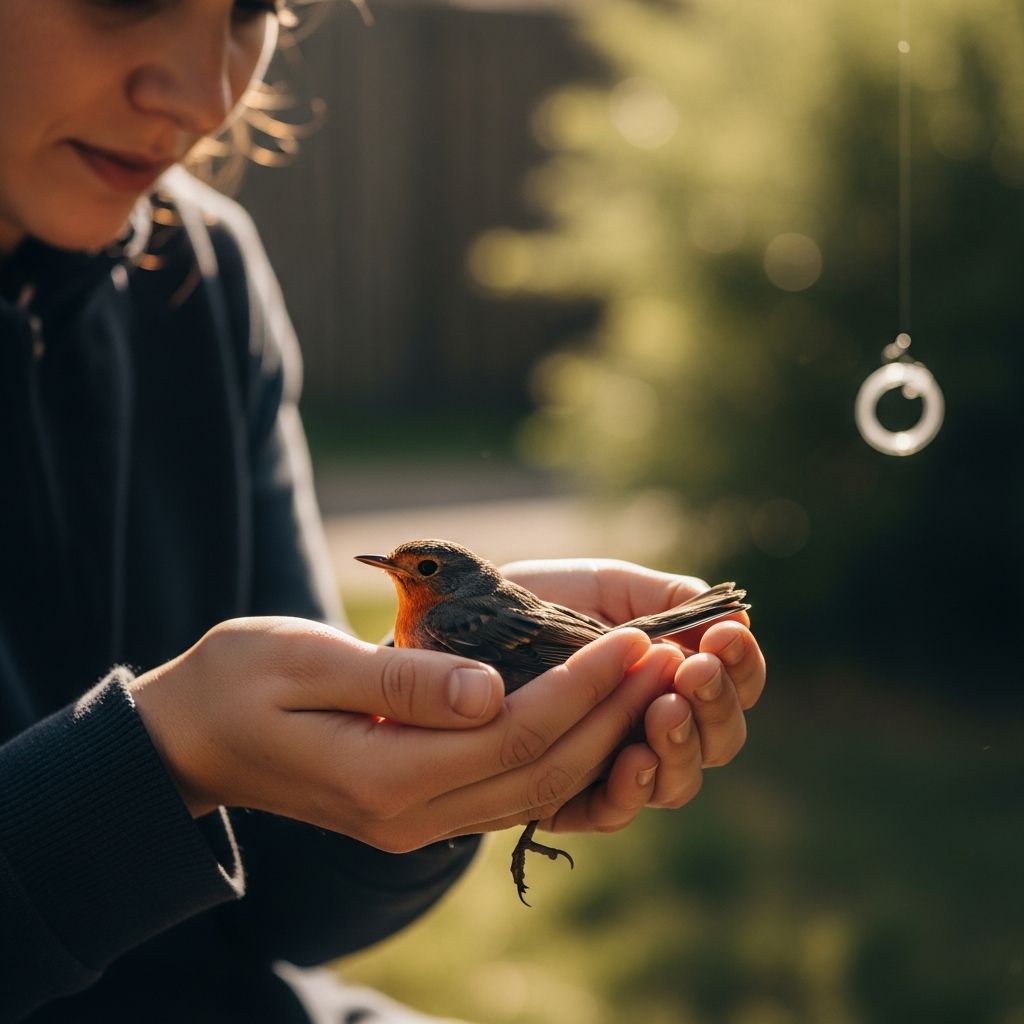
In a world where urban expansion and environmental challenges threaten avian populations, stories of individual intervention offer hope. Ordinary citizens frequently step in to save birds injured by windows, predators, or exhaustion, playing a vital role in conservation. These acts not only aid single birds but contribute to larger efforts backed by federal funding and community programs.
The Growing Need for Bird Intervention
Bird populations face unprecedented pressures from habitat loss, climate change, and human-related hazards like building collisions. Federal initiatives, such as the 2026 appropriations bill, bolster programs under the U.S. Fish and Wildlife Service (FWS) and partners, ensuring resources for habitat restoration and research. Community-driven rescues complement these by providing immediate help, bridging the gap until professional care is available.
Statistics reveal the scale: millions of birds perish annually from preventable causes. Participatory science and rapid-response networks, emphasized in 2026 World Migratory Bird Day themes, empower people to monitor and protect species. Local Audubon chapters lead projects reducing collisions and restoring wetlands, demonstrating how grassroots actions align with national strategies.
Recognizing When a Bird Needs Help
Not every grounded bird requires rescue; many fledglings learn to fly through parental guidance. Key signs include visible injuries, blood, labored breathing, or unresponsiveness. Exhausted migrants during migration peaks often recover with minimal aid.
- Collision victims: Stunned birds from window strikes, common in cities.
- Predator attacks: Cats cause significant harm; prompt intervention boosts survival.
- Exhausted fliers: Long-distance travelers needing rest and hydration.
Assess safely: use gloves or a towel to avoid stress, which can be fatal. Place in a ventilated box with a heat source if chilled, but never force-feed initially.
Safe Capture and Initial Stabilization Techniques
Approach calmly to minimize panic. For small birds, a lightweight net or box trap works best. Contain in a dark, quiet space with soft bedding like paper towels.
| Situation | Action | Tools Needed |
|---|---|---|
| Window strike | Cover bird gently, monitor breathing | Towel, shoebox |
| Grounded fledgling | Observe from distance first | Binoculars |
| Open wounds | Apply light pressure, keep warm | Gloves, heat pad |
Transport promptly to experts. Hydration via electrolyte drops can aid recovery en route, but consult rehabilitators.
The Rehabilitation Journey: From Rescue to Release
Professional centers provide specialized care. Initial assessments check for fractures, internal injuries, or parasites. Nutritional support with species-appropriate diets follows, often starting with liquids.
Physical therapy rebuilds strength: flight cages simulate natural conditions. Success stories abound, like grebe monitoring post-habitat work or tern nesting enhancements. Federal grants sustain these facilities, funding predator control and translocation.
- Week 1: Stabilization and diagnostics.
- Weeks 2-4: Feeding and wound care.
- Weeks 5+: Conditioning for wild release.
Release criteria include full flight ability and foraging skills. Tagged birds sometimes contribute to migration data, fueling citizen science.
Preventing Bird Injuries: Proactive Community Measures
Rescue is reactive; prevention is key. Window treatments like feather-friendly decals slash collisions by 70-90% in trials. Programs like Safe Flight Jacksonville retrofit public buildings.
Habitat enhancement—native plantings, invasive removal—supports recovery. Audubon grants fund urban oases and wetland ponds, boosting biodiversity. Cat management via bells or indoor policies reduces predation.
Community and Policy Support for Avian Heroes
2026 marks advances: bipartisan funding secures Migratory Bird Joint Ventures, improving 100,000 acres of grassland. World Migratory Bird Day spotlights citizen contributions, from counts to rapid-response funds.
Local societies train volunteers, install nest boxes, and advocate policies. Partnerships with NRCS and USGS yield data-driven wins for curlews and warblers.
Personal Stories: Humans Saving Wings
Consider a New York jogger spotting a dazed kestrel post-collision. Boxed and rushed to a center, it flew free weeks later. Or Florida volunteers safeguarding tern colonies amid dunes. These narratives inspire, showing anyone’s potential impact.
In Hawaii, emergency funds bridge gaps for malaria-threatened species. Missouri groups rebuild warbler boxes post-floods. Each save reinforces ecosystems.
Getting Involved: Your Role in Bird Conservation
Join Audubon chapters, participate in birdathons, or host WMBD events. Install safe glass, plant natives, report sightings to eBird. Basic training via FWS resources equips anyone.
Young enthusiasts drive research, as in Connecticut’s 2026 series. Land trusts protect habitats collaboratively.
Frequently Asked Questions (FAQs)
What should I do if I find an injured bird?
Contain safely in a box, keep warm and quiet, contact a local wildlife rehabber immediately. Avoid water or food initially.
Can I keep a rescued bird as a pet?
No, most are protected by Migratory Bird Treaty Act. Release or rehab only.
How do window collisions affect bird populations?
Up to a billion deaths yearly in the US; prevention via markers is crucial.
Are baby birds on the ground always in danger?
No, fledglings are often learning. Monitor but don’t intervene unless injured.
How can I support bird conservation locally?
Volunteer with Audubon, advocate for funding, create bird-friendly yards.
Challenges and Future Directions
Climate shifts alter migrations; policy changes demand vigilance. Yet, with 2026 funding and global campaigns, progress accelerates. Tech like AI monitoring aids efforts.
Empower communities: education fosters stewardship. Every rescue, observation, or habitat tweak counts toward resilient avian futures.
References
- Federal Spending Bill That Strengthens Bird Conservation Signed — American Bird Conservancy. 2026-01-23. https://abcbirds.org/news/federal-budget-jan-2026/
- 2026 Audubon in Action and Audubon Collaborative Grant Projects — National Audubon Society. 2026. https://www.audubon.org/news/2026-audubon-action-and-audubon-collaborative-grant-projects
- Theme Announcement 2026 WMBD — Environment for the Americas. 2026. https://environmentamericas.org/theme-announcement-2026-wmbd/
- World Migratory Bird Day 2026 — U.S. Fish & Wildlife Service. 2026-01. https://www.fws.gov/story/2026-01/world-migratory-bird-day-2026
- 2026 Young, Gifted, and Wild About Birds — Connecticut Audubon Society. 2026-01. https://ctaudubon.org/2026/01/2026-young-gifted-and-wild-about-birds-dedicating-basic-research-to-bird-conservation/
Similar Articles








Read full bio of medha deb


