

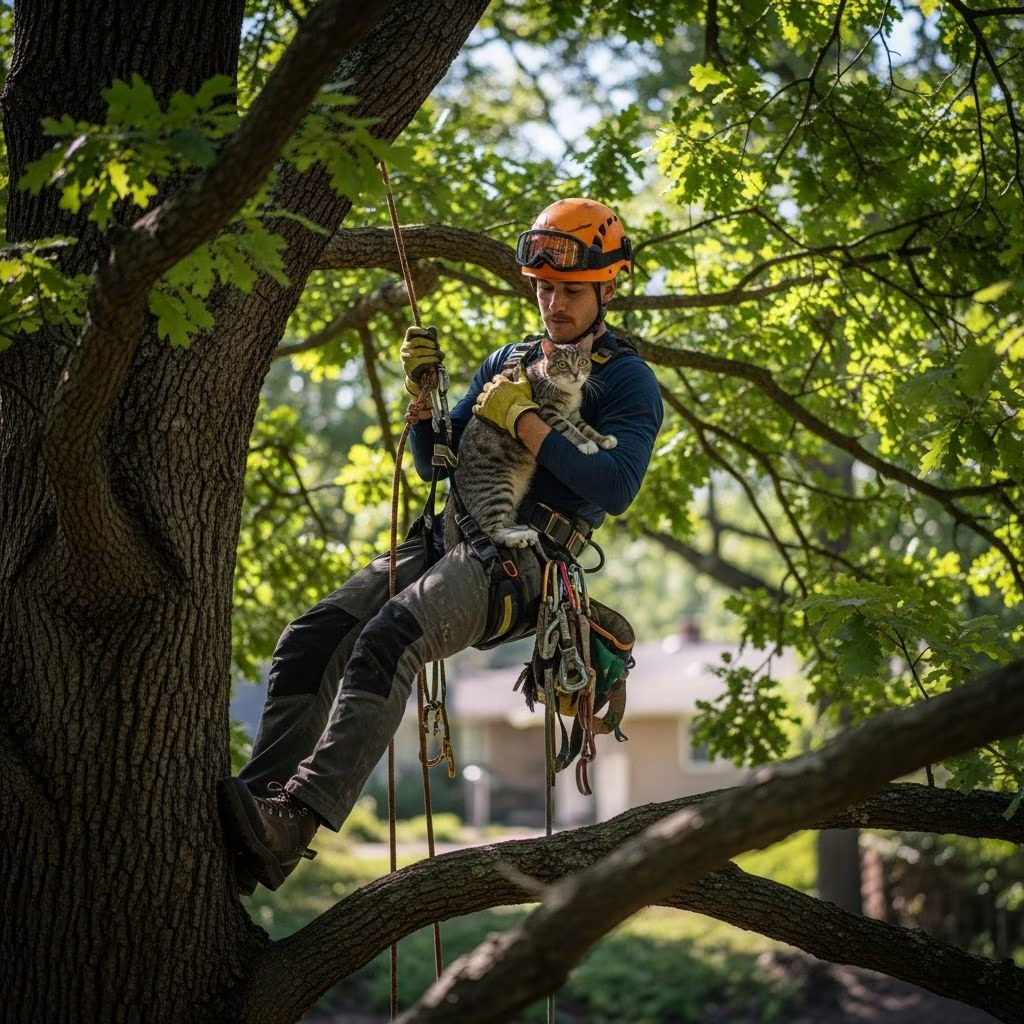
Cats frequently climb trees chasing prey or fleeing threats, but descending poses challenges due to fear or exhaustion. Understanding feline behavior helps owners respond effectively without escalating risks.
Why Cats Climb and Struggle to Descend
Cats possess remarkable agility, using claws to ascend trunks effortlessly. However, downward movement requires them to push against the tree, a motion that feels unnatural and frightening from heights. Panic often leads to higher climbs, worsening the situation.
Indoor cats, kittens, declawed felines, or those stuck over 48 hours face heightened dangers like dehydration or weakness, demanding prompt action.
Preparing the Area for Safety
Before any rescue attempt, mitigate fall risks since cats commonly jump down. Clear hazards like pots, furniture, or fences under the tree. Cover immovable objects with blankets, cushions, or leaves to cushion impacts.
Suspend tarps or blankets 3-4 feet above ground using ropes tied to flexible anchors like small trees. This absorbs landing energy, reducing injury odds.
- Remove movable sharp or hard items entirely.
- Pad fences and large obstacles generously.
- Position cushions around the tree base, anticipating movement.
Non-Invasive Luring Techniques
Encourage voluntary descent to avoid stress. Start with familiar calls to reassure the cat it’s not alone, keeping other pets distant.
Food Temptations
Place pungent foods like canned tuna or preferred treats at the trunk base. Strong odors draw hungry cats downward, especially after hours aloft. Isolate the area from other animals.
| Method | Best For | Tips |
|---|---|---|
| Canned Tuna | Most Cats | Use smelly varieties; refresh every few hours. |
| Favorite Wet Food | Picky Eaters | Match home diet for familiarity. |
| Dry Treats | Short Stints | Sprinkle trail leading down if possible. |
Play-Based Distractions
Laser pointers work wonders for playful cats, guiding them trunkward without direct contact. Aim at branches, avoiding eyes, then direct toward descent paths. Wand toys suit shorter trees.
Monitor from afar; some cats descend when pressure eases.
Providing Physical Aids for Descent
Create stepwise paths mimicking natural drops. Prop ladders against trunks for adventurous cats to navigate alone. Wear protective gear if assisting.
- Ensure ladder stability; have a spotter.
- Leave in place overnight if needed.
- Combine with food below.
Stack sturdy boxes, planks, or branches as ramps or steps, enabling staged jumps. Retreat to let curiosity prevail.
Advanced Home Methods with Caution
Climbing requires experience. Use extension ladders for reach, thick gloves, and long sleeves. Only trusted owners attempt grabs on calm cats; strangers may provoke flight.
Avoid shaking branches or loud noises, which heighten panic. If grabbing, secure gently and descend slowly.
Never climb unassisted or without safety checks—falls injure humans too.
Professional Rescue Options
For heights over 20 feet, kittens, or prolonged cases, enlist experts. Local arborists possess climbing gear and cat-handling skills, often for reasonable fees.
Qualified cat rescuers follow protocols: stay tied in, avoid risky pursuits, prevent bites via gloves/bags, and minimize tree harm. Tools include nets on poles and transport bags.
Fire departments rarely respond without welfare officers; prioritize rescuers instead.
Post-Descent Care
Descending cats bolt to hiding spots. Set humane traps baited with food in likely paths—use two for coverage. Check frequently to avoid stress.
Upon reunion, offer water, food, and quiet. Veterinary checks rule out injuries, dehydration, or hypothermia, common after ordeals.
Prevention Tips for Future Adventures
Trim lower branches to limit access. Supervise outdoor time, especially for indoor cats. Microchip and collars aid lost pet recovery.
- Enrich indoors with towers to curb climbing urges.
- Train recall with treats.
- Secure yards against predators prompting flights.
Frequently Asked Questions
How long can a cat stay safely in a tree?
Typically 1-2 days, but monitor kittens/indoor cats closely. Beyond 48 hours, dehydration risks rise sharply.
Will my cat starve up there?
No, hunger motivates descent usually. Provide base food to hasten it.
Is it okay to spray water to force it down?
Avoid; it causes panic and slips. Positive lures are safer.
What if the cat is injured?
Call vets or rescuers immediately—don’t delay.
Can drones or poles reach very high cats?
Professionals use specialized poles/nets; DIY risks failure or harm.
This guide equips you to handle tree predicaments confidently, prioritizing safety for all involved.
References
- What To Do for a Cat in a Tree — Cat Rescue Guy. Accessed 2026. https://www.catrescueguy.com/p/what-to-do-for-cat-in-tree.html
- How to Get a Cat Out of a Tree: 5 Vet-Approved Methods — Catster. Accessed 2026. https://www.catster.com/lifestyle/how-to-get-cat-out-of-tree/
- Arboreal Cat Rescuers Guide — Cat in a Tree Rescue. Accessed 2026. https://catinatreerescue.com/guide/
- Cat stuck up tree — Cats Protection. Accessed 2026. https://www.cats.org.uk/cats-blog/why-do-cats-get-stuck-up-trees
- Watch This in Case Your Cat Gets Stuck in a Tree — YouTube. Accessed 2026. https://www.youtube.com/watch?v=m8L1ilP2lpM
- Before You Call – Help! My cat is stuck in a tree! — Rescue Me Cat. Accessed 2026. http://www.rescuemycat.org/p/what-you-can-do-on-your-own.html



