

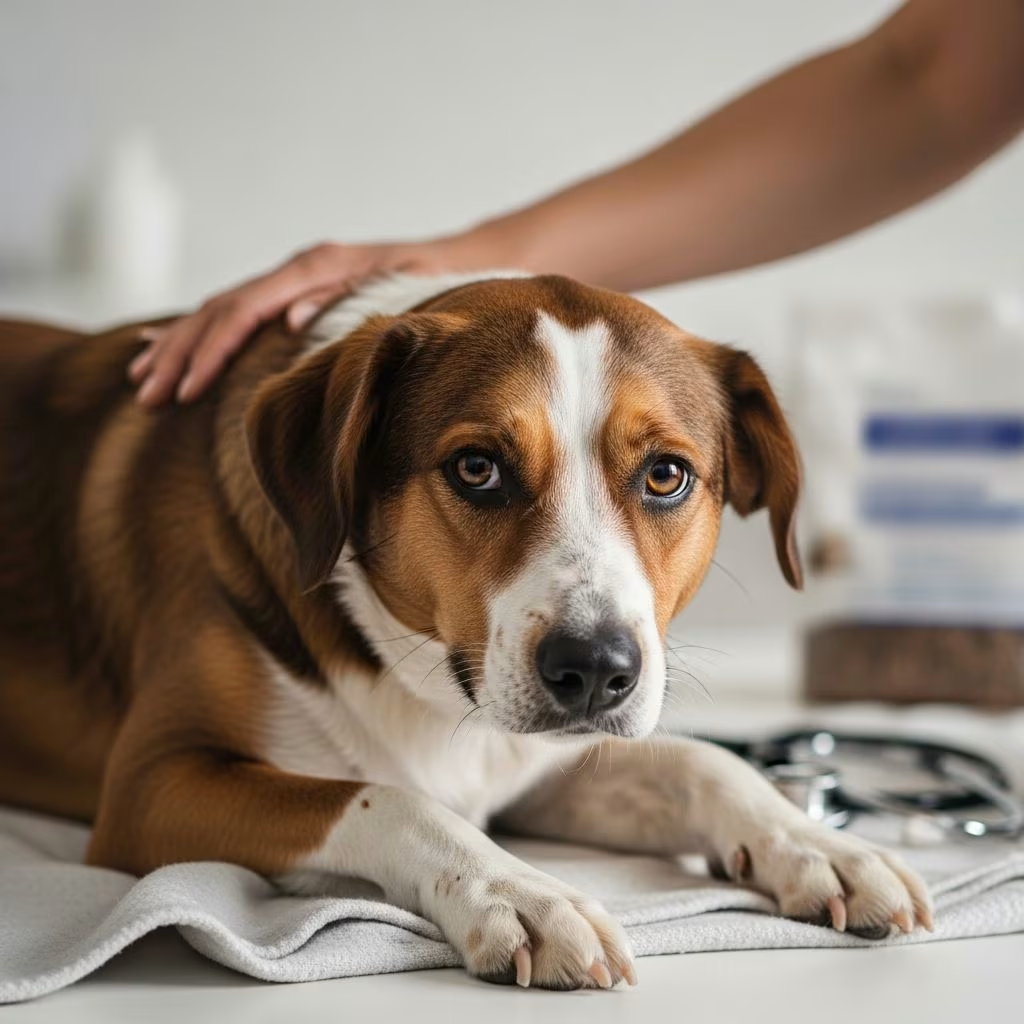
Diarrhea is a frequent challenge for rescue dogs adjusting to new environments, often stemming from stress, infections, or dietary shifts. Understanding its causes and responses enables pet owners to support recovery effectively.
Why Rescue Dogs Face Higher Diarrhea Risks
Newly rescued dogs encounter numerous stressors that disrupt their digestive systems. Transitioning from shelters or streets to homes involves changes in routine, food, and surroundings, frequently leading to loose stools.
Shelter environments heighten exposure to parasites and pathogens. Puppies and adults alike pick up intestinal worms or protozoa during kennel stays or park visits, causing persistent gastrointestinal upset.
- Stress from relocation: Adoption or boarding triggers anxiety, altering gut motility and flora balance.
- Parasitic loads: Common in rescues, including giardia and hookworms, leading to malabsorption.
- Poor prior nutrition: Scavenging or inconsistent feeding sets up sensitivities to new diets.
Recognizing Types of Diarrhea in Rescues
Differentiate between acute and chronic forms to gauge urgency. Acute episodes appear suddenly and resolve quickly, while chronic ones linger, signaling deeper issues.
| Type | Duration | Common Triggers | Appearance |
|---|---|---|---|
| Acute | <14 days | Diet change, stress | Watery, frequent |
| Chronic | >14 days | Parasites, allergies | Mucousy, bloody |
Observe stool consistency, frequency, color, and accompanying symptoms like lethargy or vomiting for accurate assessment.
Primary Causes of Diarrhea in Rescue Dogs
Parasitic Infections
Intestinal parasites thrive in group settings like rescues. Roundworms, hookworms, coccidia, and giardia irritate the gut lining, causing diarrhea that may transmit to humans.
Veterinary fecal exams detect these via microscopy, followed by targeted dewormers. Untreated cases result in anemia, weight loss, and dehydration.
Bacterial and Viral Threats
Bacteria such as Salmonella, Campylobacter, and Clostridium overgrowth provoke inflammation. Viruses like parvovirus devastate young rescues, demanding immediate isolation and care.
Symptoms often include fever, vomiting, and bloody stools. Puppies under six months face life-threatening dehydration risks.
Dietary Disruptions and Indiscretions
Abrupt food switches without gradual transitions overwhelm digestion. Scavenged trash or table scraps introduce irritants, sparking acute bouts.
Food allergies or intolerances manifest as recurring issues, necessitating hypoallergenic trials.
Underlying Medical Conditions
Conditions like exocrine pancreatic insufficiency (EPI), kidney disease, or liver dysfunction impair nutrient processing, leading to chronic diarrhea.
Foreign object ingestion, common in exploratory rescues, blocks intestines and causes secondary upset.
Stress and Environmental Factors
Household changes, new pets, or separation anxiety alter gut bacteria, mimicking infection symptoms. This self-limits in stable homes but prolongs in ongoing stress.
Home Management Strategies for Mild Cases
For short-term, non-bloody diarrhea without distress, initiate supportive care while monitoring closely.
- Fast appropriately: Withhold food 12-24 hours for adults; 8-12 for puppies to rest the gut, but provide water.
- Hydrate proactively: Offer fresh water, diluted broth, or unflavored Pedialyte to counter fluid loss.
- Introduce bland diet: Boiled chicken (skinless) with white rice in small, frequent meals over 2-3 days.
- Probiotics aid recovery: Vet-recommended strains restore microbiome balance.
Track improvements; resume normal diet gradually over a week if stools firm up.
Advanced Treatment Approaches
Severe or persistent cases require professional intervention. Vets tailor plans based on diagnostics like bloodwork, imaging, and stool analysis.
- IV fluids combat dehydration in hospitalized patients.
- Antiparasitics, antibiotics, or antivirals target infections.
- Prescription diets or hydrolyzed proteins manage allergies.
- Monoclonal antibodies fight parvo in puppies.
Chronic scenarios may involve steroids or immunosuppressants after ruling out obstructions via ultrasound.
When to Rush to the Vet
Not all diarrhea self-resolves; emergencies demand prompt action to avert complications.
- Persists beyond 24-48 hours.
- Blood, black tarry stools, or mucus present.
- Puppy, senior, or dehydrated dog affected.
- Vomiting, fever, abdominal pain, or lethargy accompany.
Bring a fresh stool sample for testing. Early intervention prevents escalation.
Preventing Diarrhea in Rescue Dogs
Proactive steps minimize recurrence, fostering long-term health.
- Transition foods over 7-10 days.
- Maintain heartworm preventives covering parasites.
- Secure trash and toxic foods.
- Reduce stress with routines and enrichment.
- Schedule regular deworming and vaccines.
Consistent nutrition and hygiene fortify resilience against common triggers.
Frequently Asked Questions
Can I give my dog human diarrhea meds?
No; products like Pepto-Bismol risk toxicity. Consult vets for canine-safe options.
How long is too long for puppy diarrhea?
Seek care immediately if lasting over 24 hours or with other symptoms, as dehydration strikes fast.
Is rice and chicken always safe?
Generally yes for bland diets, but avoid if allergies suspected; opt for alternatives like turkey.
Does stress diarrhea need antibiotics?
Rarely; supportive care suffices unless infection confirmed.
How to collect a stool sample?
Use a clean container or bag; keep fresh or refrigerated up to 24 hours for accurate testing.
Long-Term Wellness for Rescue Dogs
Beyond acute episodes, prioritize holistic care. Annual checkups, fecal screens, and balanced diets underpin vitality. Monitor weight, energy, and stool quality as health barometers.
Rescue dogs thrive with patience; addressing diarrhea promptly builds trust and stability in their new lives.
References
- Why Is My Dog Having Diarrhea? — Empire Ranch Veterinary Hospital. 2023. https://empireranchvet.com/why-is-my-dog-having-diarrhea/
- Diarrhea in Pets: Causes and Treatments — The Animal Medical Center. 2024. https://www.amcny.org/pet_health_library/diarrhea-causes-and-treatments/
- Dog Diarrhea: How To Identify, Diagnose, and Treat It — PetMD. 2025-01-15. https://www.petmd.com/dog/symptoms/dog-diarrhea
- TREATING DOG DIARRHEA — Poodle and Pooch Rescue. 2022. https://poodleandpoochrescue.org/pdf/Diarrhea_PPR_Guide.pdf
- When Is Dog Diarrhea an Emergency? Guide & Tips — Fetch Vets. 2024. https://fetchvets.com/blog/dog-diarrhea-emergency/
- Dog Diarrhea: Causes, Symptoms & Treatment — Purina CA. 2025. https://www.purina.ca/articles/dog/health/dog-diarrhea-causes-treatment
- Dog Diarrhea: Causes, Treatment and When to Worry — GoodRx. 2024-06-10. https://www.goodrx.com/pet-health/dog/dog-diarrhea



