

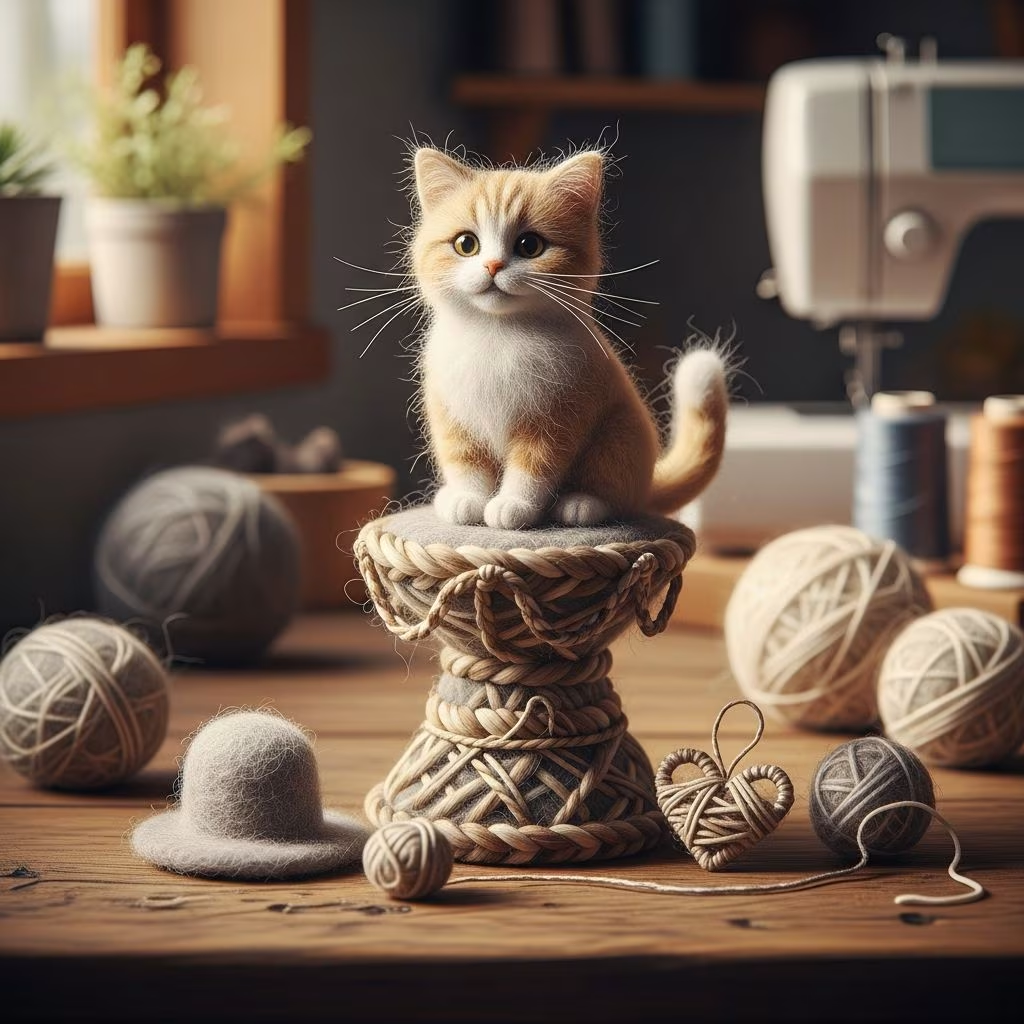
If you’re a cat owner, you’re likely familiar with the endless stream of fur that seems to accumulate on your furniture, clothes, and floors. Rather than viewing this shedding as a frustrating nuisance destined for the trash bin, consider the remarkable potential that lies within those strands. Cat hair is a surprisingly versatile material that can be transformed into functional items, contribute to scientific advancement, and even help protect our environment. By exploring the many creative applications for your feline companion’s natural shedding, you can turn what many consider waste into something genuinely useful and meaningful.
Understanding Cat Hair and Its Properties
Before diving into the various ways you can repurpose your cat’s fur, it’s important to understand what makes it such a valuable material. Cat hair, like all biological fibers, contains natural nutrients and compounds that make it useful for multiple applications. The composition of cat fur includes amino acids, nitrogen, calcium, and iron—elements that are beneficial for soil enrichment and plant growth. Additionally, the structural properties of hair make it suitable for crafting and textile applications. Understanding these inherent qualities helps explain why cat hair has gained attention from researchers, craftspeople, and environmentalists alike.
Harvesting and Collecting Cat Hair Properly
The first step in repurposing cat hair is collecting it effectively. The most ethical and practical method involves regular grooming sessions with your cat. Using a quality grooming tool, such as a slicker brush or metal comb, allows you to collect sizable amounts of loose fur while simultaneously improving your cat’s coat health and reducing hairball incidents. This grooming approach provides multiple benefits: your cat receives positive attention, their fur stays healthier and cleaner, and you accumulate material for your projects.
When collecting hair, ensure you’re using clean grooming tools and avoid hair that has been contaminated with household debris or collected from vacuum cleaners. Hair should be stored in a clean, dry container until you’re ready to use it. If your cat has recently received flea treatments or other chemical applications, it’s advisable to avoid using that hair for composting or projects where it might contact food plants or sensitive applications.
Crafting and Textile Applications
One of the most creative uses for cat hair is incorporating it into handmade crafts and textile projects. The artistic possibilities are quite extensive and can range from simple projects for beginners to more complex endeavors for experienced crafters.
Creating Pet Toys and Accessories
Repurposing cat hair to create toys offers both environmental and practical advantages. Old dog toys that have been disassembled can be restuffed with cat hair instead of synthetic materials, creating new toys that are completely natural and biodegradable. For feline-specific toys, you can felt cat hair into compact balls by using basic felting techniques with a needle and a felting block. This process takes minimal equipment and produces toys that cats find appealing due to their familiar scent.
Beyond simple toys, you can create unique accessories like small pouches, decorative items, or even pet beds. A bed crafted from your cat’s own fur creates a cozy nest that smells familiar to them while ingeniously hiding the inevitable fur shedding that would otherwise accumulate on their sleeping surface.
Yarn and Textile Creation
For those with more advanced crafting skills or access to specialized equipment, cat hair can be spun into yarn for knitting and weaving projects. Mittens, beanies, sweaters, and blankets can all be created from properly prepared cat fur. While hand-spinning requires patience and practice, there are professional services available that will accept your collected cat hair and transform it into usable yarn or finished items like mittens or scarves. Some specialized businesses focus exclusively on converting pet hair into wearable textiles, making this option accessible even to those without spinning experience.
Finger Puppets and Decorative Crafts
For simpler creative projects, cat hair can be used to create finger puppets, decorative ornaments, or other small craft items. These projects require minimal materials and can be completed by crafters of varying skill levels, making them perfect for family activities or gifts with sentimental value.
Garden and Soil Enhancement
Perhaps one of the most environmentally beneficial uses for cat hair involves returning it to your garden and composting systems. Hair’s natural composition makes it an excellent soil amendment and nutrient source for plants.
Composting Cat Hair
Cat hair is a natural, organic material that breaks down over time and contributes valuable nutrients to compost piles. The nitrogen content in hair makes it particularly valuable for composting, as it helps balance brown materials (like leaves and paper) with necessary nitrogen components. When added to a compost bin or pile, cat hair decomposes gradually, enriching the final compost product with macro and micronutrients that support plant growth.
To successfully compost cat hair, collect it from grooming sessions and add it directly to your compost system. Ensure the hair hasn’t been treated with harsh chemical shampoos or flea treatments, as these could introduce unwanted substances into your compost pile. Layer the hair with other organic materials to facilitate even decomposition and prevent matting, which could slow the composting process.
Direct Soil Amendment
Rather than waiting for composting to complete, you can incorporate cat hair directly into garden soil. The hair will gradually break down while providing nutrients to nearby plants. This method works particularly well for perennial gardens where the slow decomposition process aligns naturally with plant growth cycles. The amino acids, nitrogen, calcium, and iron in cat hair support beneficial soil bacteria and enhance overall soil structure.
Pest Deterrent Properties
Beyond its nutritional benefits, cat hair can serve a protective function in gardens. Sprinkling cat hair around areas where you want to discourage small animals creates a olfactory barrier that tricks potential garden pests into believing a predator is nearby. This natural deterrent method can reduce damage from rabbits, deer, and other wildlife without requiring chemical applications or physical barriers.
Environmental and Industrial Applications
Recent research has uncovered unexpected industrial applications for hair that extend far beyond traditional crafting and gardening uses. These emerging applications represent some of the most innovative ways that cat hair and other pet fur can contribute to solving environmental challenges.
Oil Spill Remediation
One of the most significant environmental applications for hair involves using it to clean up oil spills in marine and freshwater environments. Hair booms—containment devices filled with hair—are an organic alternative to synthetic booms and chemical dispersants for managing oil spills. These hair-based booms can absorb substantial quantities of oil (approximately four liters per standard boom) and can be drained and reused multiple times, making them both economically and environmentally efficient. This application represents a powerful example of how natural materials can address serious environmental problems while minimizing long-term ecological damage.
Sustainable Electronics Manufacturing
Emerging research has explored hair’s potential in electronics manufacturing, particularly for creating more sustainable alternatives to current production methods. Hair’s carbon content (approximately 45 percent by composition) makes it a candidate material for developing sustainable OLED displays and improving solar panel technology. Traditional flexible OLED displays rely on synthetic chemistry and heavy metals that become toxic pollutants when devices are discarded. By contrast, hair-based alternatives could potentially reduce manufacturing costs while eliminating toxic waste concerns. Collaborative research between hair collection initiatives and universities is actively investigating these possibilities, potentially revolutionizing how electronic devices are manufactured and disposed of.
Medical and Scientific Research
Cat hair, particularly from cats, plays an important role in medical research and allergy treatment development. Individuals struggling with cat allergies can contribute to scientific advancement by donating cat hair for allergen immunotherapy research. This hair is used to create and refine desensitization treatments that help people develop tolerance to allergens they previously reacted to severely. By participating in these donation programs, cat owners can help researchers understand and treat allergic reactions while giving their pet’s hair a meaningful purpose in advancing human health.
Practical Considerations and Best Practices
Grooming Frequency and Hair Collection
To accumulate sufficient cat hair for projects, establish a regular grooming routine. Daily or weekly brushing sessions not only collect hair but also reduce hairball incidents and improve your cat’s overall coat health. Most projects require substantial quantities of hair, so consistency in grooming will support your repurposing goals.
Storage and Hygiene
Store collected cat hair in clean, breathable containers away from moisture and direct sunlight. Glass jars or cloth bags work well for this purpose. Proper storage prevents odor development and maintains the hair’s usability for various applications.
Chemical Treatments and Safety
Avoid using hair from cats treated with flea medications or harsh chemical shampoos if you plan to use it for gardening or composting. Choose natural, eco-friendly grooming products when possible, especially if the resulting hair will contact food plants or sensitive applications. For crafting projects, chemical-treated hair is generally acceptable, though natural hair produces superior results.
Frequently Asked Questions
Can all cat hair be repurposed, or only certain types?
Most cat hair can be repurposed, though hair consistency varies by breed. Longer-haired breeds produce more abundant hair and are often ideal for textile projects. Short-haired cats still produce sufficient hair for composting, gardening applications, and smaller craft projects. Hair quality matters more than quantity for most applications—clean, chemical-free hair works best.
How much cat hair is needed to create specific projects?
The amount required depends on the project. Small craft items like finger puppets require only a handful of hair. Felted toys need moderate quantities, while yarn spinning and textile projects demand substantial amounts—potentially months or years of collected hair. Composting and gardening applications benefit from any amount of hair, making these accessible options even for casual brushers.
Will repurposing cat hair reduce shedding in my home?
Collecting hair through regular grooming will noticeably reduce household shedding. However, it won’t eliminate shedding entirely, as cats naturally shed year-round. Regular brushing captures loose hair before it falls out naturally, significantly decreasing the amount that ends up on furniture and clothing.
Are there health risks associated with using cat hair in these ways?
When collected from clean grooming sessions and stored properly, cat hair poses no health risks for crafting or gardening applications. For any application involving food contact (such as the soil for growing vegetables), ensure the hair comes from an untreated cat. Always wash hands after handling cat hair, and avoid inhalation of loose particles.
Can I make money by repurposing cat hair?
Yes, if you possess significant quantities of hair and crafting skills, creating items from cat hair can generate income. Some entrepreneurs successfully create and sell felted toys, scarves, or other handmade items featuring cat fur. Alternatively, you could collect hair from multiple cats and send it to professional spinning services, which create finished products you can then sell.
Conclusion: Maximizing Your Cat’s Natural Contribution
The shedding that comes with cat ownership doesn’t have to be viewed as mere waste. Through thoughtful collection and creative repurposing, cat hair transforms into functional items, environmental solutions, and research materials that genuinely make a difference. Whether you choose to craft handmade toys and textiles, enhance your garden through composting, or contribute to scientific research, your cat’s natural shedding cycle becomes an opportunity for meaningful action. By implementing even one or two repurposing strategies, you reduce household waste while celebrating the practical value of your feline companion’s contribution to your life and community.
References
- 7 Thoughtful Re-uses for Pet Hair — Uncanny Animals. Accessed January 2026. https://www.uncannyanimals.com.au/blogs/news/7-thoughtful-re-uses-for-pet-hair
- How to Craft With Cat Fur — Vetstreet. https://www.vetstreet.com/our-pet-experts/how-to-craft-with-cat-fur
- 5 Ways to Compost Dog Hair & Cat Fur — The Kind Pet. https://thekindpet.com/blogs/blog/5-ways-to-compost-dog-hair-cat-fur
- Crafting With Pet Fur Is a Unique and Unusual Way To Make Money — Cash1 Loans. https://www.cash1loans.com/blog-news/cat-hair-crafts



