Reptiles: 4 Major Orders, Biology, And Key Adaptations
Discover the fascinating world of reptiles, from their ancient origins to modern diversity and unique adaptations for survival.
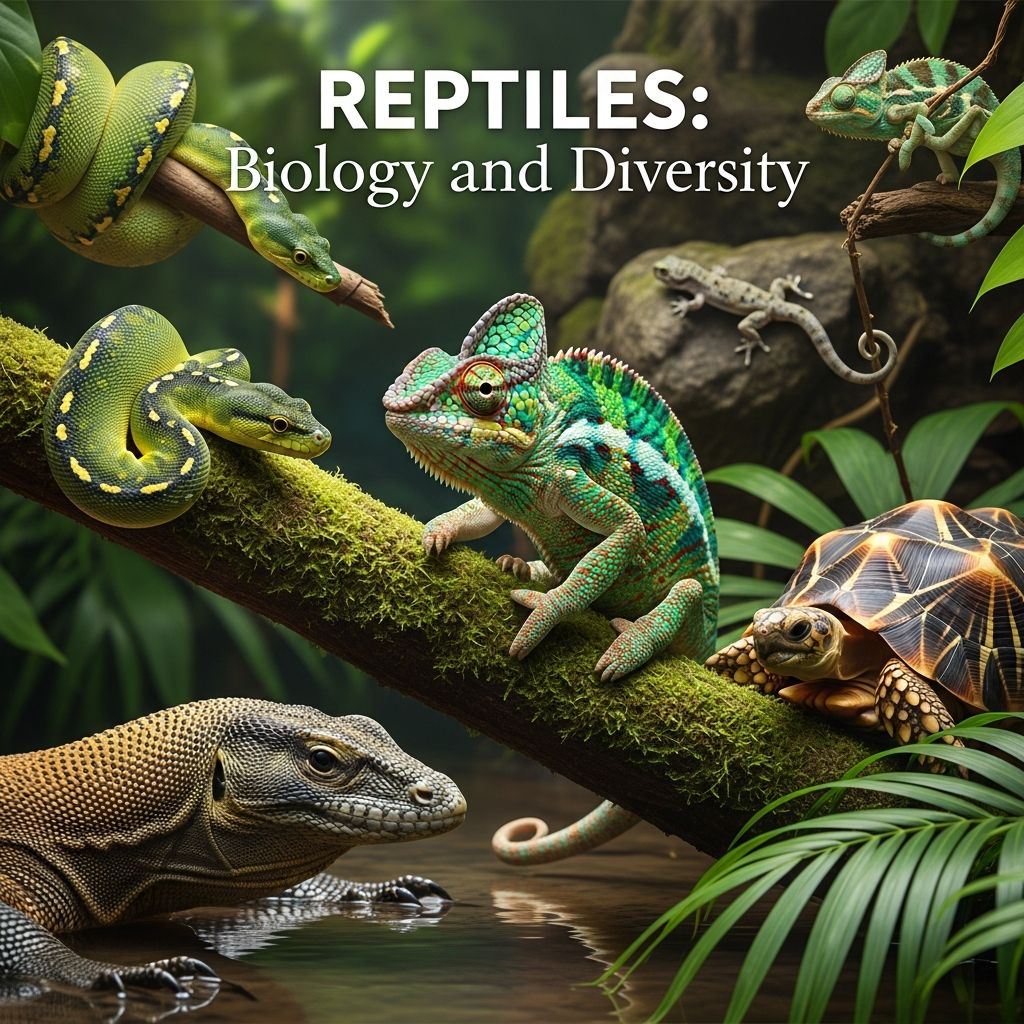
Reptiles represent a diverse group of vertebrates adapted to terrestrial life through key innovations like amniotic eggs and scaly skin. These ectothermic animals, belonging to the class Reptilia, include around 12,000 extant species across four main orders: Squamata, Testudines, Crocodilia, and Rhynchocephalia.
Evolutionary Origins and Classification
Reptiles first appeared in the late Carboniferous period, evolving from reptiliomorph tetrapods that adapted to dry land environments. Genetic and fossil evidence shows the divergence of major lineages—Archosauromorpha (leading to crocodilians, dinosaurs, and birds) and Lepidosauromorpha (ancestors of lizards, snakes, and tuataras)—during the Permian.
Traditionally, Reptilia is classified based on skull fenestrae: Anapsida (no openings, including turtles), Synapsida (one low fenestra, mammal-like reptiles), and Diapsida (two openings, encompassing most modern reptiles). However, molecular studies place turtles within Diapsida as a sister group to archosaurs, challenging older views.
| Subclass | Skull Features | Examples |
|---|---|---|
| Anapsida | No temporal fenestrae | Turtles (Testudines) |
| Diapsida | Two temporal fenestrae | Lizards, snakes, crocodiles |
| Synapsida (extinct lineage) | One low fenestra | Mammal-like reptiles |
Key Physiological Adaptations
Reptiles are defined by ectothermy, relying on external heat sources to regulate body temperature, which conserves energy but limits activity in cold conditions. Their skin, covered in keratinous scales, prevents water loss, enabling life in arid habitats.
- Amniotic Eggs: Shelled eggs with protective membranes allow development on land, a crucial amniote innovation.
- Respiration: Lungs provide efficient oxygen uptake; some species like turtles have unique rib-derived shells impacting breathing mechanics.
- Circulation: Three-chambered hearts in most, with crocodilians featuring four-chambered hearts for diving.
- Senses: Acute vision, chemoreception in snakes, and heat-sensing pits in vipers enhance hunting.
Reproduction varies: most lay eggs (oviparity), but some Squamata exhibit ovoviviparity or viviparity, where young develop internally. Internal fertilization via hemipenes in males ensures higher success rates.
Major Orders of Living Reptiles
Squamata: Lizards and Snakes
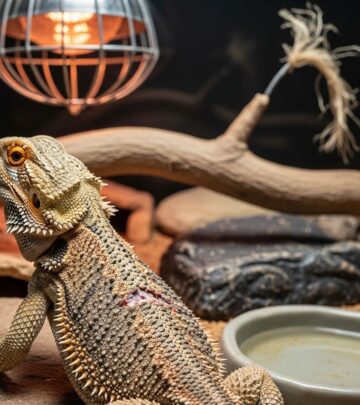
The largest order, Squamata, comprises ~9,200 species of lizards and snakes, evolving in the late Permian from lepidosaur ancestors. Lizards feature movable eyelids and external ears, while snakes lost limbs, evolving elongate bodies for burrowing and climbing.
- Adaptations: Flexible skulls in snakes allow swallowing large prey; lizards regenerate tails for predator escape.
- Distribution: Found worldwide except Antarctica, thriving in deserts to rainforests.
Testudines: Turtles and Tortoises
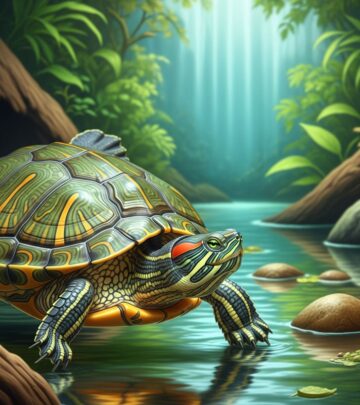
Testudines include ~325 species with a distinctive shell formed from fused ribs and dermal bones, providing armor. Aquatic turtles retract heads sideways; terrestrial tortoises pull straight back.
Scutes on the carapace and plastron aid species identification and offer protection against predators.
Crocodilia: Crocodiles and Alligators
With 25 species, Crocodilia are semi-aquatic archosaurs with powerful jaws, armored skin, and valvular nostrils for submersion. They exhibit parental care, rare among reptiles, and powerful tails for propulsion.
Rhynchocephalia: Tuataras
Only two species of tuataras persist in New Zealand, retaining primitive features like a parietal eye for light detection. Nocturnal and burrowing, they bridge ancient lepidosaurs to modern forms.
Extinct Reptile Lineages
Besides living groups, extinct orders like Ichthyopterygia (marine ichthyosaurs) and Sauropterygia dominated Mesozoic seas with streamlined bodies for swimming. Dinosaurs and pterosaurs from Archosauria ruled terrestrial and aerial realms until the Cretaceous extinction.
Ecological Roles and Conservation
Reptiles control pests (snakes eat rodents), disperse seeds (tortoises), and indicate ecosystem health. However, habitat loss, poaching, and climate change threaten many; over 20% of species face extinction.
Captive care requires species-specific setups: UVB lighting for vitamin D synthesis, proper humidity, and diets mimicking wild prey.
Health Considerations in Reptiles
Veterinary management focuses on metabolic bone disease from poor lighting, respiratory infections from high humidity, and parasites. Regular fecal exams and quarantine prevent zoonoses like salmonellosis.
| Common Issue | Symptoms | Prevention |
|---|---|---|
| Metabolic Bone Disease | Deformities, lethargy | UVB lighting, calcium supplements |
| Respiratory Infection | Wheezing, open-mouth breathing | Optimal temperature gradients |
| Parasites | Weight loss, diarrhea | Fecal screening, hygiene |
Reptiles in Research and Culture
Herpetology studies reptiles alongside amphibians. Model organisms like the green anole lizard aid genomic research. Culturally, reptiles symbolize resilience, appearing in myths from Aztec feathered serpents to modern pets.
Frequently Asked Questions (FAQs)
Are reptiles cold-blooded?
Yes, reptiles are ectothermic, regulating temperature behaviorally via basking or shade.
Do all reptiles lay eggs?
Most do, but some snakes and lizards bear live young through viviparity.
Can turtles live without their shells?
No, the shell is integral to their skeleton, fusing with ribs and vertebrae.
What is the largest reptile?
The saltwater crocodile, reaching 7 meters, holds the title among living species.
Are snakes deaf?
Snakes lack external ears but detect vibrations through jawbones and ground contact.
References
- Characteristics of Reptilia — BYJU’S. 2023. https://byjus.com/biology/reptilia/
- Reptile — Wikipedia. 2026-02-20. https://en.wikipedia.org/wiki/Reptile
- Reptiles | Biology for Majors II — Lumen Learning. 2024. https://courses.lumenlearning.com/suny-wmopen-biology2/chapter/reptiles/
- Taxonomy | Reptiles (Reptilia) — AMDB. 2025. https://amdb.online/amdb/taxonomy/taxon/6/experiments
- Reptilia (turtles, snakes, lizards, and relatives) — Animal Diversity Web. 2024. https://animaldiversity.org/accounts/Reptilia/
- Reptile | Definition, Characteristics, Examples, & Facts — Britannica. 2026-01-15. https://www.britannica.com/animal/reptile
- Taxonomy and Introduction to Common Species – Reptile Medicine — Wiley Online Library. 2019-06-14. https://onlinelibrary.wiley.com/doi/10.1002/9781118977705.ch1
Similar Articles








Read full bio of Sneha Tete