Essential Reptile Wellness: A Complete Care Framework
Master the fundamentals of reptile health with science-backed preventive care strategies
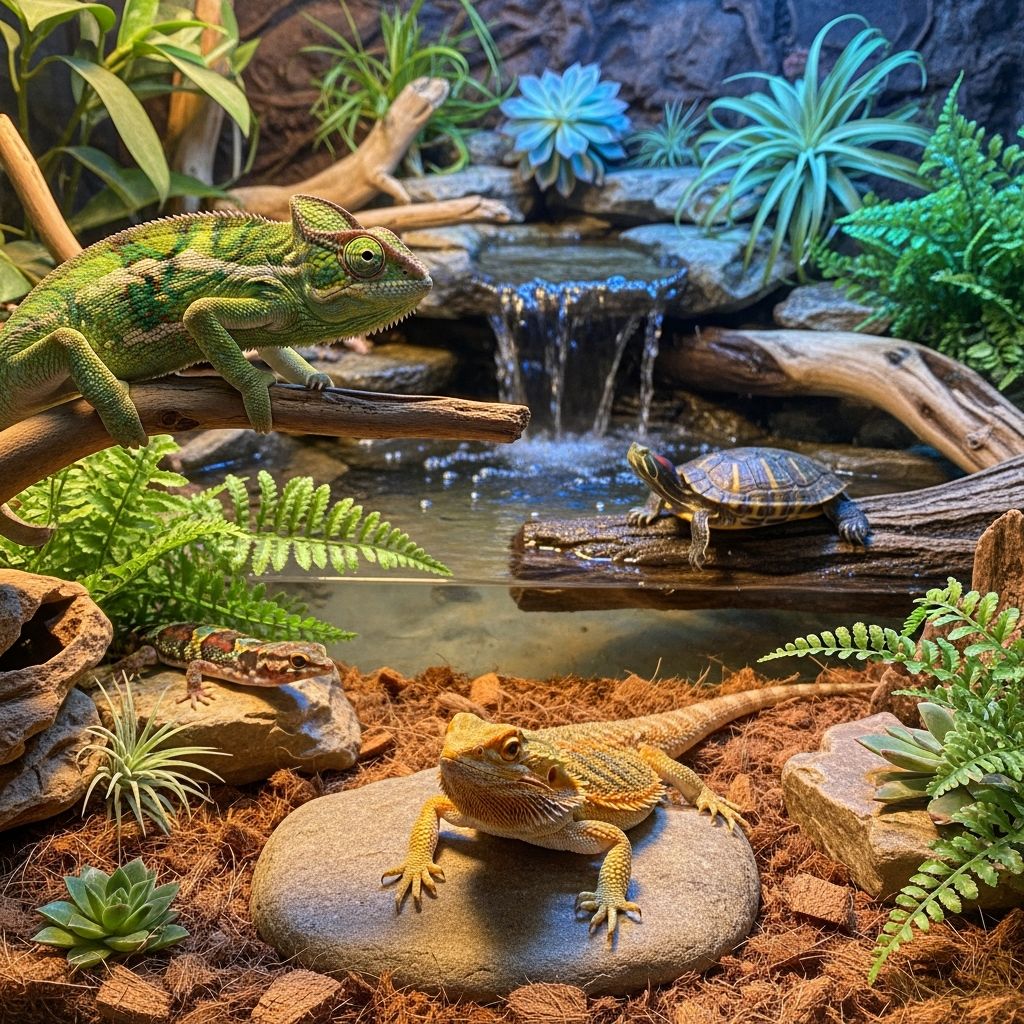
Reptile ownership demands a multifaceted approach to health management that extends far beyond basic feeding and housing. The complexity of reptilian physiology, combined with their inability to communicate discomfort in obvious ways, necessitates a proactive stance on wellness. Understanding the foundational principles of reptile health care enables owners to create environments where their animals don’t merely survive but genuinely flourish. This comprehensive framework addresses the critical elements that distinguish thriving reptile collections from those plagued by preventable health complications.
Understanding Nutritional Requirements and Supplementation
The dietary needs of captive reptiles differ substantially from those of their wild counterparts. In natural environments, reptiles consume a diverse array of prey species and vegetation, each providing varied micronutrients that accumulate over time. Captive environments restrict this diversity significantly, creating nutritional gaps that owners must deliberately address. Without intentional supplementation, reptiles develop deficiencies that compromise immune function, skeletal integrity, and reproductive capacity.
Two supplement categories form the foundation of adequate reptile nutrition: calcium compounds and comprehensive multivitamin formulations. Calcium supplementation deserves particular emphasis because metabolic bone disease—a condition characterized by weakened skeletal structure—remains one of the most prevalent disorders in captive reptile populations. This disease manifests through visible deformities including jaw abnormalities, bowed limbs, and progressive loss of mobility. The condition is entirely preventable through proper supplementation combined with appropriate UVB lighting exposure.
Species-specific dietary composition varies considerably. Some reptiles function as obligate carnivores requiring primarily animal-based proteins, while others thrive as herbivores consuming vegetation, and many occupy intermediate positions as omnivores. Researching the exact dietary category of your specific species before acquisition prevents years of nutritional mismanagement. Beyond the protein-versus-plant distinction, the variety offered within each category matters substantially. Offering multiple insect species, diverse vegetable options, and occasional live or whole prey items ensures broader micronutrient intake.
Environmental Parameters and Habitat Infrastructure
Reptile health depends critically on precise environmental conditions that many owners underestimate. Temperature and humidity levels exist within narrow species-specific ranges; deviations trigger physiological stress that compromises immune response and facilitates disease development. Unlike mammals that regulate internal temperature through metabolic processes, reptiles depend entirely on external environmental conditions to maintain proper body temperature for digestion, immunity, and behavioral function.
UVB lighting deserves dedicated attention due to its role in vitamin D3 synthesis. Reptiles exposed to appropriate UVB wavelengths synthesize this crucial vitamin, enabling calcium absorption and skeletal health. Without adequate UVB exposure, calcium supplementation alone proves insufficient to prevent metabolic bone disease. The specific UVB requirements vary by species; some require full-spectrum lighting daily, while others need periodic exposure supplemented with dietary vitamin D3.
Enclosure size represents another critical parameter often overshadowed by aesthetic or spatial considerations. Undersized habitats restrict natural movement patterns, increase stress levels, and concentrate waste products that degrade air quality and promote bacterial growth. Proper spatial allowances vary dramatically by species—an arboreal reptile requires vertical space, while terrestrial species demand horizontal dimensions. Researching minimum enclosure dimensions for your specific species establishes the baseline for adequate housing.
Hygiene Protocols and Enclosure Maintenance
Maintaining a sanitary habitat forms the primary defense against parasitic, bacterial, and fungal infections. A systematic cleaning schedule prevents pathogen accumulation while monitoring for early signs of health deterioration. Different maintenance intervals address different cleaning depths and serve distinct purposes in the overall hygiene framework.
Daily Maintenance Tasks: Each day, remove uneaten food items and visible waste from the enclosure. Uneaten prey can decay and introduce bacterial contamination, while accumulated waste degrades water quality and air composition. Simultaneously, refresh drinking water supplies to ensure hydration access to fresh water without contamination.
Weekly Maintenance Tasks: Once weekly, perform partial substrate replacement alongside daily spot cleaning protocols. For aquatic or semi-aquatic species, change water in ponds or soaking areas completely. This interval addresses accumulated organic material that daily maintenance cannot capture.
Comprehensive Maintenance Tasks: Every 2-4 weeks, conduct a thorough enclosure cleaning using reptile-safe disinfectants. This includes scrubbing all surfaces, replacing substrate entirely, cleaning decorative items and hides, and inspecting structural integrity. Deep cleaning removes pathogens that colonize substrate and enclosure surfaces, substantially reducing infection risk.
For reptiles that soak in water, maintaining water quality prevents bacterial proliferation that can cause respiratory infections and skin conditions. Tank-dwelling reptiles require particular vigilance regarding water chemistry and cleanliness parameters.
Disease Prevention Through Veterinary Partnerships
Establishing a relationship with a reptile-experienced veterinarian before illness occurs creates a foundation for effective health management. Many general practitioners lack specialized training in reptilian medicine; finding a veterinarian with documented expertise in exotic species ensures accurate diagnosis and appropriate treatment. These specialists understand that reptile presentation of illness differs from mammalian patterns, requiring different diagnostic approaches and treatment protocols.
Annual wellness examinations enable early detection of subclinical disease before visible symptoms emerge. During these visits, veterinarians assess body condition, evaluate environmental appropriateness, recommend dietary adjustments based on individual needs, and perform diagnostic tests including fecal examinations for parasitic detection. This preventive approach costs substantially less than treating advanced disease while improving outcomes and longevity.
Pre-brumation (hibernation) examinations warrant specific mention. Reptiles entering brumation require veterinary clearance confirming they are parasite-free and in adequate nutritional condition to survive the dormant period. Improper preparation for brumation—including failure to ensure complete gut emptying before cooling—can result in fatal bacterial fermentation or impaction complications.
Quarantine Protocols for New Acquisitions
Introducing new reptiles to established collections risks spreading parasites, bacterial infections, and viral diseases to healthy animals. Quarantine periods of 3-6 months isolate new animals in separate enclosures with dedicated equipment, preventing disease transmission. During quarantine, new reptiles undergo veterinary examination, fecal testing for parasites, and observation for signs of illness before integration into the main collection.
The extended quarantine duration accounts for the long incubation periods of many reptile diseases, which may not manifest for weeks or months. This investment in time prevents potentially catastrophic disease introductions that could eliminate entire collections. Dedicated quarantine enclosures, separate cleaning implements, and handwashing between quarantine and non-quarantine animal handling maintain isolation integrity.
Recognizing Common Health Complications
Despite optimal care, reptiles occasionally develop health issues. Recognizing early warning signs enables prompt veterinary intervention before conditions become critical. Different health problems present with distinct symptom clusters that owners should recognize.
Respiratory Infections
Bacterial, viral, or fungal respiratory infections produce symptoms including wheezing, clicking sounds during respiration, nasal discharge, open-mouth breathing, reduced appetite, and lethargy. These infections develop when temperature and humidity parameters deviate from species requirements, suppressing immune function and enabling pathogen establishment. Treatment requires veterinary antibiotics combined with environmental correction to prevent recurrence.
Parasitic Infestations
External parasites including mites and ticks produce visible insects on the skin, excessive scratching, scab formation, and behavioral changes. Internal parasitic infections often cause subtle signs including reduced appetite, weight loss, and lethargy. Fecal examinations by veterinarians identify internal parasites, while visible external parasites require insecticidal treatment and thorough enclosure disinfection.
Skin Infections and Scale Abnormalities
Bacterial and fungal skin infections develop when humidity levels exceed species-appropriate ranges or sanitation lapses allow pathogenic colonization. Signs include abnormal shedding, discolored or raised scales, and visible lesions. Prevention through proper humidity maintenance and regular enclosure cleaning proves far more effective than treating established infections.
Digestive Disorders
Improper diet composition, inadequate hydration access, and suboptimal temperature ranges impair digestive function. Affected reptiles display reduced appetite, regurgitation, constipation or diarrhea, and weight loss. Prevention requires species-appropriate feeding, adequate water access, and proper temperature maintenance for digestion.
Health Monitoring and Record Maintenance
Systematic health monitoring provides objective data documenting trends toward or away from wellness. Recording body weight, feeding frequency, activity levels, and behavioral changes enables early detection of subtle health changes. Maintaining comprehensive veterinary records documenting examination findings, test results, and treatments creates a health history invaluable for future diagnosis and treatment planning.
Photographic documentation of normal appearance provides baseline comparison if abnormalities develop. Many reptile health problems manifest gradually; comparing current appearance to documented normal appearance detects subtle changes that might otherwise escape notice.
Special Considerations for Brumation Management
For reptile species that undergo brumation, proper preparation and management prevents serious complications. Successful brumation requires several coordinated steps executed over adequate timeframes. Beginning 6-8 weeks before intended brumation, gradually reduce daylight hours and environmental temperatures over several weeks, simulating natural seasonal transitions. Approximately 1-2 weeks before cooling, withhold food to allow complete gut emptying, preventing fatal bacterial fermentation that can occur during dormancy.
During brumation, maintain cool temperatures in quiet, dark environments such as closets or spare rooms while providing continuous fresh water access. This period typically lasts 1-4 months depending on species. Upon completion, gradually warm the environment and increase daylight exposure over 1-2 weeks to stimulate emergence from dormancy safely.
Frequently Asked Questions About Reptile Health
Do reptiles require vaccinations?
Unlike mammals, reptiles do not require routine vaccinations. Instead, focus on preventive care through proper husbandry, quarantine of new animals, and regular veterinary monitoring to minimize health risks through disease prevention rather than vaccination.
How often should reptiles undergo veterinary examinations?
Annual wellness examinations represent the minimum recommended frequency for healthy adult reptiles. Juvenile animals, breeding individuals, and those with existing health concerns warrant more frequent monitoring. Newly acquired animals should receive veterinary evaluation before or immediately after acquisition.
What signs indicate my reptile requires emergency veterinary care?
Seek immediate veterinary attention if your reptile displays severe lethargy or immobility, refuses food for extended periods, exhibits respiratory distress, produces discharge from nose or mouth, cannot move limbs normally, or shows signs of injury or trauma. These symptoms indicate serious health conditions requiring urgent professional evaluation.
Can I keep multiple reptiles together safely?
Most reptile species are solitary and experience stress when housed together, compromising immune function and health. Research your specific species’ social requirements before attempting cohabitation. Even social species require adequate space to prevent competition, stress, and injury.
How do environmental conditions affect reptile health?
Environmental parameters directly influence immune function, digestion, behavior, and overall health. Improper temperature prevents adequate digestion and enables pathogenic infection. Inappropriate humidity promotes respiratory infections and skin conditions. Inadequate space increases stress, compromising immune response. Maintaining species-appropriate environmental conditions forms the foundation of preventive health care.
Common Health Issues at a Glance
| Health Condition | Common Symptoms | Prevention Strategies |
|---|---|---|
| Metabolic Bone Disease | Jaw abnormalities, trembling, difficulty standing, bowed limbs | Calcium supplementation, appropriate UVB lighting, balanced diet |
| Respiratory Infections | Wheezing, nasal discharge, open-mouth breathing, lethargy | Proper temperature/humidity, clean habitat, regular veterinary care |
| Parasitic Infestations | Visible insects, excessive scratching, weight loss | Quarantine new animals, fecal examinations, habitat sanitation |
| Skin Infections | Abnormal shedding, discolored scales, visible lesions | Proper humidity, regular cleaning, appropriate bathing |
| Nutritional Deficiencies | Weight loss, reduced appetite, muscle loss, lethargy | Species-appropriate diet, calcium/vitamin supplements, varied foods |
Building a Sustainable Health Management System
Successful reptile health management emerges from systematic approaches rather than reactive responses to illness. Creating detailed checklists for daily, weekly, and comprehensive cleaning ensures nothing is overlooked. Maintaining feeding schedules appropriate to your reptile’s species and life stage optimizes nutrition. Documenting environmental parameters including temperature readings and humidity levels confirms proper conditions rather than assuming they remain stable.
Establishing reminders for annual veterinary appointments, quarantine end dates, and seasonal preparation (such as pre-brumation check-ups) prevents these critical events from being overlooked in busy schedules. Investing time in education specific to your species—reading care guides, consulting with experienced keepers, and discussing concerns with veterinarians—accumulates knowledge that translates directly into better animal welfare.
The foundation of reptile health care rests on understanding that these animals depend entirely on their caretakers for all aspects of their environment, nutrition, and medical care. By establishing comprehensive health management systems, maintaining partnerships with qualified veterinarians, and remaining vigilant for early warning signs of illness, reptile owners can provide their animals with the highest quality of life. The investment in prevention consistently proves superior to treating established disease, both in terms of animal welfare and long-term costs associated with veterinary treatment.
References
- Reptile Health: Identifying and Preventing Common Issues — Bird and Exotic Veterinary Hospital. February 2026. https://www.birdandexoticsvet.com/reptile-health-identifying-and-preventing-common-issues/
- Reptiles 101: A Beginner’s Guide to Care & Maintenance — Small Pet Select. February 2026. https://shop.smallpetselect.com/blogs/care-resources/reptiles-101-a-beginners-guide-to-reptile-care-maintenance
- Health and Wellness in Exotic Care — Shepton Vets. February 2026. https://sheptonvets.com/small-animal/information-2/exotic-care-guide/
- Ultimate Guide to Pet Reptile Care Essentials — Reptile Super Show. February 2026. https://reptilesupershow.com/ultimate-guide-to-pet-reptile-care-essentials/
- Preventing Common Health Problems — South Texas Avian & Exotic Hospital. February 2026. https://www.southtexasavian.com/resources/reptile-amphibian-care.html
- Reptiles and Amphibians: Healthy Pets, Healthy People — Centers for Disease Control and Prevention. February 2026. https://www.cdc.gov/healthy-pets/about/reptiles-and-amphibians.html
- Management and Husbandry of Reptiles — Merck Veterinary Manual. February 2026. https://www.merckvetmanual.com/exotic-and-laboratory-animals/reptiles/management-and-husbandry-of-reptiles
Similar Articles








Read full bio of Sneha Tete