

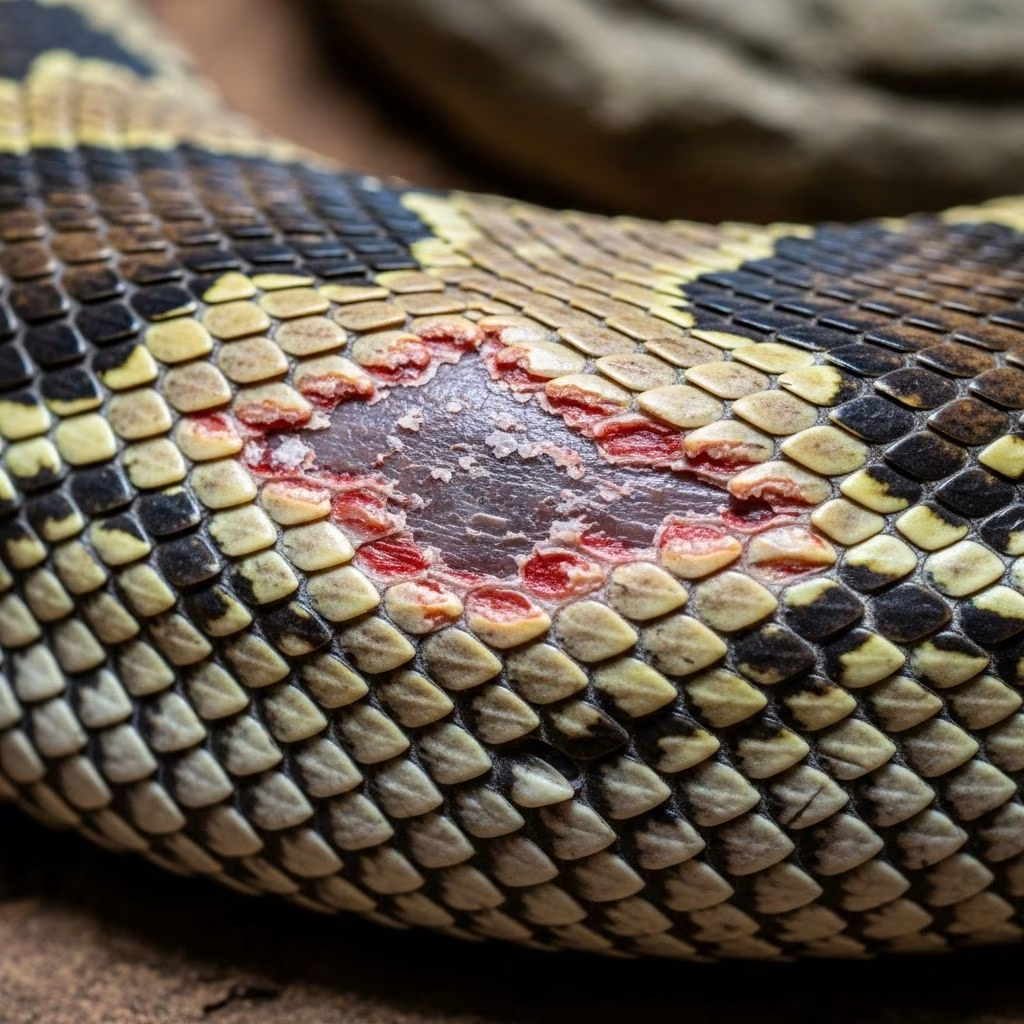
Scale rot represents one of the most prevalent dermatological conditions affecting captive reptiles, particularly snakes. This bacterial skin infection, clinically known as necrotizing or ulcerative dermatitis, develops when specific environmental and husbandry conditions create an ideal breeding ground for pathogenic bacteria. Unlike minor skin conditions that may resolve independently, scale rot demands immediate attention and can escalate to life-threatening complications if neglected. Understanding the mechanisms behind this disease, recognizing early warning signs, and implementing appropriate management strategies are essential responsibilities for any reptile keeper.
What Constitutes Scale Rot in Reptiles
Scale rot is fundamentally a bacterial infection that affects the ventral (belly) scales and surrounding skin tissue of reptiles. The condition initiates when bacteria penetrate the protective scale layer, establishing an infection beneath the keratin surface. In its earliest stages, the body’s inflammatory response creates fluid-filled vesicles or blisters. These initial lesions typically contain clear or yellowish fluid and may not contain bacteria initially. However, if environmental conditions persist without correction, opportunistic bacteria present on the reptile’s body or within the enclosure can contaminate these vesicles, transforming them into active infections.
The infection progresses through distinct stages. Initially, affected areas display discoloration ranging from brown and yellow to red or greenish-black hues. As the condition advances, the scales become raised due to fluid accumulation and inflammation beneath them. In more severe cases, blisters may rupture, creating open wounds that weep clear or blood-tinged fluid. Without intervention, scales can become loose or detach entirely, exposing the underlying tissue to further bacterial invasion.
Primary Environmental Risk Factors
The development of scale rot is intrinsically linked to environmental conditions within the reptile enclosure. Moisture and humidity represent the most significant contributors to this condition.
Substrate Moisture and Wet Conditions
Persistently damp or saturated substrate creates an optimal environment for bacterial proliferation. This problem is particularly pronounced when using substrate types that retain moisture, such as certain coconut-based products or sphagnum moss, without adequate drying periods. Under-tank heating systems can paradoxically exacerbate this issue by warming moist substrate, accelerating bacterial growth rather than promoting evaporation. Spilled water bowls, inadequate drainage systems, and poor enclosure design all contribute to substrate saturation that keeps a reptile’s ventral surface perpetually in contact with moisture.
Humidity Level Imbalance
While reptiles require appropriate humidity levels for proper shedding and physiological function, excessive humidity creates problems. High humidity prevents substrate from drying adequately, maintaining the damp conditions favoring bacterial growth. Conversely, insufficient humidity impairs the shedding process, resulting in incomplete skin sloughs that trap old keratin and create pockets where moisture accumulates. These retained skin fragments provide ideal microenvironments for bacterial colonization. Maintaining species-appropriate humidity levels—neither excessively high nor dangerously low—requires careful monitoring and enclosure design.
Physiological and Nutritional Contributors
Beyond environmental factors, the reptile’s internal condition significantly influences susceptibility to scale rot development.
Immune System Compromise
Nutritional deficiencies, particularly involving vitamins A and C, substantially weaken a reptile’s immune function and compromise the skin’s natural barrier. Vitamin A plays a critical role in maintaining healthy epithelial cell production and immune system responses, while vitamin C supports collagen synthesis and immune function. When reptiles receive inadequate nutrition, their ability to resist bacterial invasion diminishes significantly. Stress from improper housing, excessive handling, or environmental instability further suppresses immune response, making even minor scale damage susceptible to infection.
Shedding Difficulties
Incomplete or dysecdysis (difficult shedding) creates conditions favorable for scale rot development. When reptiles cannot completely shed their old skin, retained keratin layers trap moisture and bacteria beneath new scales. The pressure from accumulated old skin softens emerging scales underneath, compromising their protective function. Additionally, the physical and metabolic stress associated with problematic shedding weakens the reptile’s general health status, further reducing resistance to infection.
Recognizing Scale Rot Symptoms
Early identification of scale rot significantly improves treatment outcomes. Keepers should monitor their reptiles regularly for characteristic signs.
Key Symptoms to Monitor
- Discoloration changes: Patches of brown, yellow, red, or greenish-black coloring on ventral scales
- Scale elevation: Raised or bumpy appearance of affected scales due to fluid accumulation
- Blister formation: Fluid-filled protrusions on the belly or affected areas
- Tissue swelling: Localized or generalized swelling around infected regions
- Scale damage: Peeling, loose, or missing scales exposing underlying tissue
- Behavioral changes: Altered movement patterns, avoidance of certain surfaces, or unusual positioning
- Fluid seepage: Clear, yellowish, or blood-tinged discharge from affected areas
The severity of clinical signs correlates with infection extent. Mild cases may present only minor discoloration on limited scale areas, while advanced infections can affect large ventral surface regions with pronounced tissue damage.
The Progression to Serious Complications
Without appropriate treatment, scale rot can progress to life-threatening systemic complications. If the infection penetrates deeply through the scale layers into underlying bone structures, it can cause osteomyelitis (bone infection). This condition dramatically increases the likelihood of bacterial dissemination through the bloodstream to vital organs. Additionally, untreated scale rot frequently leads to secondary bacterial infections and septicemia, a condition where pathogenic bacteria enter the bloodstream and colonize multiple organ systems. Septicemia represents a medical emergency with high mortality rates, making early intervention critically important.
Immediate Management and Veterinary Care
Upon suspicion of scale rot, immediate veterinary consultation is essential. A reptile veterinarian can accurately diagnose the condition, assess infection severity, and determine appropriate treatment protocols.
Environmental Modifications
Concurrent with veterinary treatment, environmental changes are mandatory. Remove the reptile from its current enclosure and place it in a quarantine environment with dry substrate, appropriate temperature gradient, and excellent ventilation. Discard all existing bedding material and perform a comprehensive deep-clean of the original enclosure and all furnishings using veterinary-grade disinfectants such as F10SC or Chlorhexidine solutions. This eliminates environmental bacteria that could reinfect the reptile during recovery.
Medical Treatment Protocols
Veterinarians typically prescribe systemic antibiotics administered through injection for moderate to severe cases. The selected antibiotic should possess good bone-penetrating properties if deep tissue involvement is suspected. For very mild cases detected early, topical disinfectants combined with environmental correction may suffice, potentially showing improvement within 7 days and resolving completely within 3-6 weeks.
Supportive Care Requirements
Severe scale rot cases often require additional supportive care including fluid supplementation, electrolyte replacement, and caloric support to maintain the reptile’s nutritional status during recovery. Pain management may be necessary, as herp veterinarians recognize that scale rot is often associated with discomfort and may administer safe, effective pain medications. In cases requiring removal of extensively damaged tissue, surgical debridement performed under anesthesia ensures the procedure is painless and thorough.
Home Care During Recovery
When veterinary guidance permits home treatment for mild cases, specific protocols enhance healing.
Betadine Bath Protocol
Daily lukewarm baths using diluted Betadine solution (one part Betadine per ten parts water) at temperatures between 20-26°C (80-85°F) help manage infections, particularly those involving blisters. The reptile should be fully submerged for approximately 30 minutes in a container with ventilation holes and a secure lid. After soaking, gently dry the reptile completely using paper towels, which should be immediately bagged and discarded to prevent bacterial spread.
Topical Treatment Application
Following bathing, apply veterinarian-prescribed antibiotic sprays or ointments to affected areas three to four times daily. Maintain consistent application schedules for optimal results. Exercise extreme caution to avoid contact with the reptile’s eyes, mouth, or vent areas. Alternatively, chlorhexidine solution can gently cleanse affected scales twice daily. Choose antibiotic products without pain-relieving agents, as these may mask underlying problems or interfere with healing assessment.
Prevention: The Superior Approach
Preventing scale rot is substantially easier than treating it. Implementing proper husbandry practices eliminates the conditions allowing this infection to develop.
Environmental Specifications
| Parameter | Proper Management |
|---|---|
| Substrate Type | Select species-appropriate substrate that allows adequate drying between moisture events |
| Moisture Control | Maintain dry substrate with designated humidity areas only; prevent permanent saturation |
| Humidity Levels | Maintain species-appropriate humidity; avoid extremes of excessive moisture or extreme dryness |
| Enclosure Ventilation | Ensure adequate air circulation to promote moisture evaporation and prevent stagnant conditions |
| Water Management | Use appropriately sized water bowls with secure placement; clean spilled water immediately |
| Temperature Gradient | Provide warm side for thermoregulation and digestion; avoid cold that compromises immune function |
Nutritional Excellence
Provide a varied, nutritionally complete diet appropriate to your reptile species. Avoid feeding the same prey item repeatedly, as dietary monotony creates nutritional imbalances. Include appropriate supplements containing vitamins A and C to support immune function and skin health. Calcium supplementation with vitamin D3 for species requiring UVB exposure prevents metabolic bone disease, which indirectly contributes to overall health resilience.
Enclosure Maintenance and Safety
Regularly inspect all cage furnishings, hides, and decorations for sharp edges, cracks, or broken surfaces that could cause scale damage. Even minor scratches or abrasions can provide entry points for bacterial invasion. Ensure all cage equipment is appropriate for the species, non-toxic, and properly secured. Remove any items that show signs of deterioration that could injure your reptile.
Pest and Parasite Prevention
Mites can transmit bacteria between scales and contribute to scale rot development. Implement preventative measures to eliminate mite infestations through proper quarantine procedures for new animals, regular enclosure cleaning, and monitoring for parasite signs. Avoid introducing wild-caught prey that may harbor parasites.
Frequently Asked Questions
Is scale rot contagious between reptiles?
While scale rot itself is not directly contagious, the bacteria causing the infection can be transmitted between animals sharing enclosures or contaminated equipment. This is why quarantine procedures are essential when treating infected reptiles and why maintaining separate housing for multiple reptiles is advisable.
Can I treat scale rot at home without veterinary care?
Only very mild cases detected in very early stages may resolve with home treatment combining environmental correction and topical therapy. However, veterinary consultation is strongly recommended to confirm diagnosis and assess severity. Attempting self-treatment of moderate to severe cases substantially increases mortality risk.
How long does scale rot recovery take?
Mild cases may show improvement within 7 days and typically resolve completely within 3-6 weeks. Moderate to severe infections requiring antibiotic therapy generally require 4-8 weeks of treatment plus environmental maintenance. The timeline depends on infection severity, species, and treatment compliance.
What substrate should I use to prevent scale rot?
Select substrate appropriate for your reptile species that doesn’t retain excessive moisture. Avoid materials that stay perpetually damp. Many keepers successfully use aspen, cypress mulch, or paper-based products that dry adequately between moisture applications.
Does improper diet increase scale rot risk?
Yes, poor nutrition weakens immune function and compromises skin barrier integrity, making reptiles substantially more susceptible to scale rot development. A varied, nutritionally complete diet is essential for preventing this and other infections.
Conclusion: Vigilance and Prevention
Scale rot represents a serious but largely preventable condition affecting captive reptiles. By understanding the environmental and physiological factors contributing to its development, recognizing early symptoms, and maintaining rigorous husbandry standards, keepers can protect their reptilian companions from this painful infection. Should scale rot develop despite preventative efforts, prompt veterinary intervention combined with environmental correction offers the best opportunity for recovery. The investment in proper enclosure setup, nutrition, and regular monitoring represents far less effort than managing a scale rot infection, making prevention genuinely the optimal strategy for reptile health and longevity.
References
- Boa Constrictor Scale Rot — Symptoms, Causes & Treatment Options — Reptile Files. Accessed February 2026. https://reptifiles.com/boa-constrictor-care/sick-boa/scale-rot/
- Scale rot, how to identify and treat — Wildlife Demonstrations. Accessed February 2026. https://www.wildlifedemonstrations.com/post/scale-rot-how-to-identify-and-treat
- Identify And Treat Mouth, Shell And Scale Rot In Reptiles — Reptiles Magazine. Accessed February 2026. https://reptilesmagazine.com/identify-and-treat-mouth-shell-and-scale-rot-in-reptiles/
- Yikes! Is this Scale Rot on my pet Python? How do I treat Ball Python Scale Rot — Creative Science Education. Accessed February 2026. https://creative.science/education/yikes-is-this-scale-rot-on-my-pet-python-how-do-i-treat-ball-python-scale-rot
- Treat Scale Rot in Reptiles Safely at Home — Vetericyn Benelux. Accessed February 2026. https://vetericyn-benelux.com/en/products/hoe-behandel-je-schubrot-bij-reptielen



