Reptile Reproductive Disorders: 4 Causes, Signs, Treatments
Comprehensive guide to identifying, treating, and preventing common reproductive health challenges in pet reptiles.
Reptiles kept as pets or in collections frequently encounter reproductive challenges due to captive environments that mimic natural conditions imperfectly. These issues range from egg retention to organ prolapses, often stemming from nutritional gaps, improper lighting, or stress. Understanding these disorders enables timely intervention, improving animal welfare and longevity.
Understanding Reptile Reproduction Basics
Reptiles exhibit diverse reproductive strategies: most lizards and snakes are oviparous, laying eggs with shells, while some like certain boas are viviparous, birthing live young. Chelonians (turtles and tortoises) are predominantly oviparous. Hormonal cycles driven by temperature, photoperiod, and nutrition trigger breeding. In captivity, year-round warmth can induce continuous cycling without seasonal brakes, heightening disease risk.
Males possess hemipenes (paired in lizards/snakes) or a single phallus (chelonians), used solely for mating. Females develop follicles that mature into eggs or embryos. Disruptions at any stage—from follicle formation to oviposition—can lead to pathology.
Key Disorders: Follicular Stasis Explained
**Follicular stasis**, or pre-ovulatory follicle retention, primarily affects lizards and chelonians. Ovaries produce follicles that fail to ovulate due to hormonal imbalances from poor husbandry, like inadequate UVB exposure or calcium deficiency. These enlarge, becoming space-occupying masses that compress organs, risking rupture and coelomitis (abdominal inflammation from yolk leakage).
- Symptoms: Lethargy, appetite loss, abdominal distension, weight reduction. Normal follicle development may cause temporary anorexia, but prolonged cases signal trouble.
- Diagnosis: Radiographs reveal soft-tissue masses; ultrasound shows round, echogenic structures. In tortoises, laparoscopy via prefemoral fossa confirms.
Treatment starts with stabilization: fluids, nutrition, calcium supplementation. Surgery—ovariectomy or ovariosalpingectomy—resolves it definitively in non-breeders.
Dystocia: The Egg-Binding Crisis
**Dystocia**, post-ovulatory egg retention, strikes oviparous species like snakes, lizards, and chelonians. Eggs with partial shells lodge in oviducts due to dehydration, malnutrition, small ovipores, or weak contractions from hypocalcemia.
Inviviparous reptiles, it involves retained embryos or unfertilized ova. Causes include missing nest sites, stress, or metabolic bone disease.
| Species Group | Common Triggers | Diagnostic Tools |
|---|---|---|
| Lizards/Snakes | Nutritional deficits, UV lack | X-rays (mineralized eggs) |
| Chelonians | Nest site absence, hypocalcemia | Ultrasound, palpation |
| Viviparous | Obstruction, infection | Coelomic imaging |
Medical aids like oxytocin or lubrication help mild cases; surgery (salpingotomy or ovariosalpingectomy) is standard for severe ones.
Cloacal Prolapses and Male Reproductive Problems
Cloacal prolapses involve eversion of oviducts, hemipenes, phallus, colon, or bladder, often from straining due to dystocia, parasites, uroliths, or trauma.
- Male issues: Hemipene or phallus prolapse post-mating or from hypocalcemia/spinal issues. Viable tissue may be replaced with cloacopexy; necrotic requires amputation.
- Female cases: Oviduct prolapse from dystocia demands surgical reduction or removal.
Avoid purse-string sutures; they distort vents. Transcutaneous cloacopexy anchors tissues preventively.
Infections and Inflammatory Conditions
Bacterial, fungal, or parasitic invasions target ovaries (oophoritis), testes (orchitis), or oviducts (salpingitis). Sources include cloacitis or ascending infections. Symptoms: swelling, discharge, systemic illness. Neoplasia or metabolic diseases exacerbate.
Diagnosis via cytology, culture, imaging. Antibiotics, antifungals, or antiparasitics guide therapy; surgery removes infected tracts.
Surgical Interventions in Reptile Reproductive Care
Surgery addresses most disorders. Common procedures:
- Ovariosalpingectomy: Removes ovaries/oviducts; ventral midline in lizards, lateral in chameleons.
- Salpingotomy: Incises oviduct for egg release, preserves breeding.
- Orchiectomy/Phallectomy: Castration or penis removal for males.
- Cloacopexy: Stabilizes prolapsed tissues.
Anesthesia, vascular clips, and coelomic exploration are routine. For breeders, biopsies during surgery assess viability.
Diagnosis Techniques for Reproductive Issues
- History/Husbandry Review: Assess lighting, diet, breeding history.
- Physical Exam: Palpate coelom, check vents.
- Imaging: Radiographs detect eggs/masses; ultrasound differentiates follicles/eggs.
- Endoscopy/Laparoscopy: Visualizes organs minimally invasively.
- Lab Tests: Bloodwork for calcium, infection markers; cultures for pathogens.
Prevention Through Optimal Husbandry
Proactive care averts most issues:
- Provide UVB lighting (10-12 hours/day), balanced calcium:D3 diets.
- Species-specific enclosures with nest boxes, proper temperatures (gradient 85-95°F warm side).
- Elective sterilization for females to avoid stasis/dystocia; males for aggression.
- Monitor weight, behavior; quarantine new arrivals.
Seasonal cooling mimics wild cycles, reducing constant breeding.
Case Studies: Real-World Examples
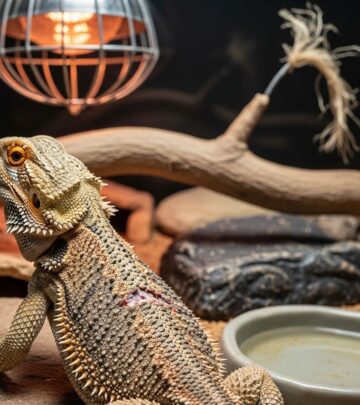
In a bearded dragon with stasis, ultrasound showed oversized follicles; ovariectomy restored appetite. A tortoise with dystocia yielded 20 eggs via salpingotomy after calcium therapy. Snake hemipene prolapse post-mating resolved with cloacopexy.
FAQs on Reptile Reproductive Health
Q: Can all reptiles get egg-bound?
A: Primarily oviparous females; causes include poor nutrition/stress.
Q: Is surgery always needed for dystocia?
A: No, medical management works for early/mild cases; surgery for obstructions.
Q: How to spot follicular stasis early?
A: Watch for sustained anorexia, swelling; image promptly.
Q: Safe to breed pet reptiles?
A: Yes, with ideal husbandry; consider spaying non-breeders.
Q: What if prolapse recurs?
A: Use cloacopexy; address underlying straining causes.
Emerging Trends and Research
Recent studies emphasize minimally invasive endoscopy for diagnosis/treatment, reducing recovery time. Hormone assays aid stasis management. Nutritional genomics explores D3 metabolism for better supplements.
References
- Reproductive Diseases of Reptiles — Merck Veterinary Manual. 2023. https://www.merckvetmanual.com/exotic-and-laboratory-animals/reptiles/reproductive-diseases-of-reptiles
- Female Reptile Reproductive Issues — WP Vet Reptile Rounds. 2022. https://wpvet.com/reptile-rounds/female-reproductive-issues/
- Reproductive Diseases in Reptiles — Vet Times. 2021. https://www.vettimes.com/clinical/exotics/reproductive-diseases-in-reptiles
- Updates and practical approaches to reproductive disorders in reptiles — PubMed (Vet Clin North Am Exot Anim Pract). 2010-07-24. https://pubmed.ncbi.nlm.nih.gov/20682424/
- Reptile Health: Identifying and Preventing Common Issues — Bird and Exotic Vet. 2023. https://www.birdandexoticsvet.com/reptile-health-identifying-and-preventing-common-issues/
- Reproductive diseases of reptiles — BVA Journals (In Practice). 2016. https://bvajournals.onlinelibrary.wiley.com/doi/10.1136/inp.i4772
Similar Articles








Read full bio of medha deb