Reptile Parasitic Infections: Essential Guide For Owners
Comprehensive insights into identifying, treating, and preventing parasitic threats in pet reptiles for optimal health.
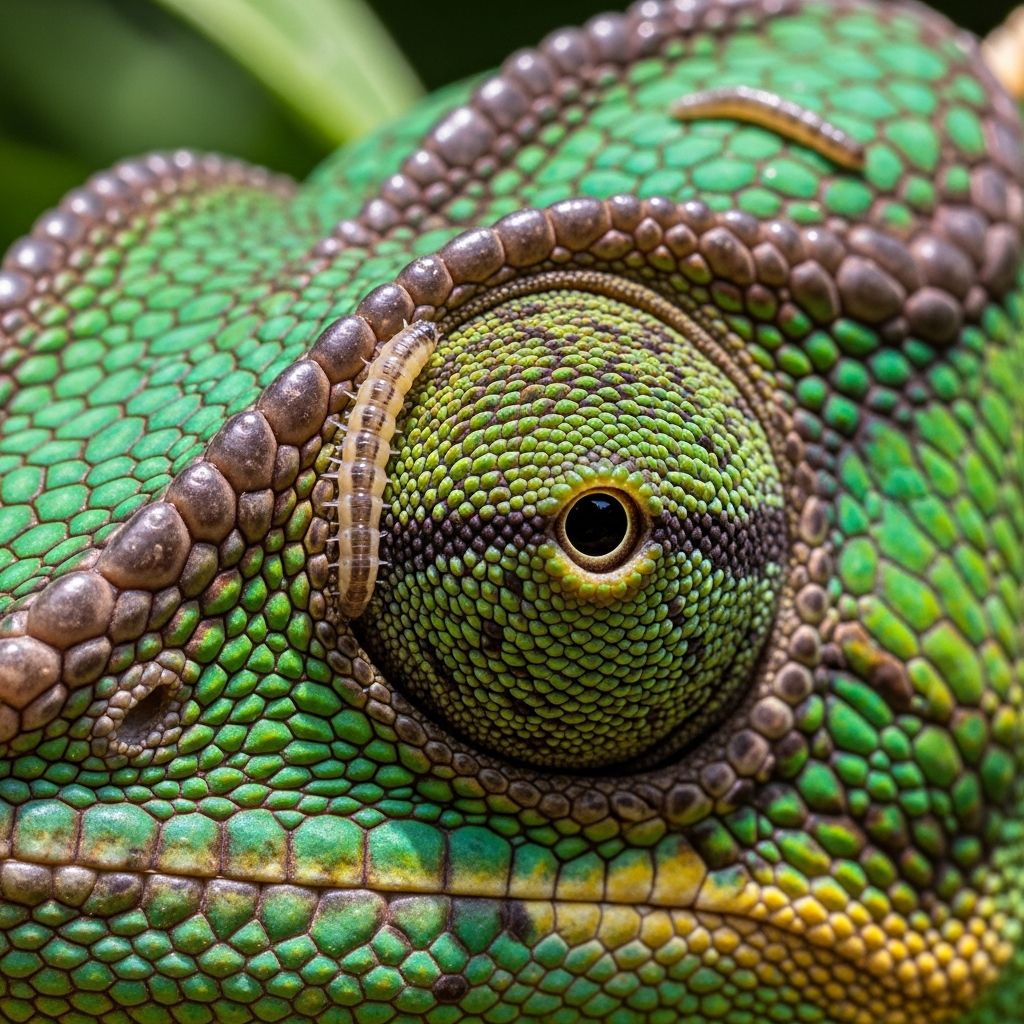
Parasitic infections represent a major health concern for reptiles kept as pets or in laboratory settings. These creatures, ranging from snakes and lizards to turtles, often harbor a variety of protozoans, helminths, and ectoparasites that can lead to severe illness or death if not addressed promptly. Understanding the diverse nature of these invaders is crucial for reptile owners and veterinarians alike. This guide delves into the types of parasites, clinical manifestations, diagnostic approaches, therapeutic interventions, and proactive prevention measures to maintain reptile well-being.
Understanding Parasite Categories in Reptiles
Reptiles face threats from multiple parasite groups, each with unique life cycles and impacts. Protozoal parasites are single-celled organisms that thrive internally, often causing gastrointestinal distress. Helminths, or worms, include nematodes, cestodes, trematodes, and acanthocephalans that burrow into tissues or reside in the gut. Ectoparasites like mites and ticks infest the skin and can transmit other pathogens. Recognizing these distinctions aids in targeted management.
- Protozoans: Microscopic invaders like amoebae and coccidia that multiply rapidly in the host’s intestines.
- Nematodes: Roundworms such as lungworms and hookworms that affect respiration and digestion.
- Cestodes: Tapeworms that absorb nutrients, leading to malnutrition.
- Ectoparasites: External pests causing irritation and secondary infections.
Protozoan Threats: Invisible Gut Disruptors
Protozoans are among the most prevalent parasites in reptiles, frequently detected in fecal exams. While many exist as harmless commensals, certain species overwhelm the host’s defenses, triggering cascades of symptoms. Flagellates, ciliates, and amoebae disrupt nutrient absorption, while coccidia target the intestinal lining.
The deadliest protozoan is Entamoeba invadens, particularly devastating in snakes. It invades the intestines and liver, producing anorexia, weight loss, hemorrhagic diarrhea, and high mortality rates in collections. Metronidazole at 100 mg/kg orally, repeated after two weeks, stands as the primary treatment, alongside rigorous sanitation to curb reinfection.
Coccidians like Isospora and Eimeria cause listlessness, regurgitation, and bloody stools. Treatment involves sulfadimethoxine or sulfamethazine at 75 mg/kg daily for seven days, combined with hydration and hygiene. Trimethoprim-sulfa offers an alternative, but success demands monitoring via serial fecal tests, as complete eradication proves challenging.
| Protozoan Type | Common Symptoms | Treatment Options |
|---|---|---|
| Entamoeba invadens | Anorexia, diarrhea, death | Metronidazole 100 mg/kg PO |
| Flagellates/Ciliates | Lethargy, poor appetite | Metronidazole 50-100 mg/kg |
| Coccidia (Isospora) | Regurgitation, hemorrhage | Sulfadimethoxine 75 mg/kg |
Helminth Infestations: Worms Wreaking Havoc
Helminths pose significant risks due to their size and tissue damage. Nematodes dominate, with lungworms (Rhabdias spp.) and hookworms (Kalicephalus spp.) being highly pathogenic. Lungworms provoke respiratory distress, coughing, and dyspnea, diagnosed by larvated eggs or larvae in feces. Hookworms lead to anemia and intestinal bleeding.
Treatment for nematodes employs anthelmintics like fenbendazole (50-100 mg/kg PO), levamisole (5-10 mg/kg), or thiabendazole. Ivermectin (0.2 mg/kg) works but is contraindicated in chelonians, indigo snakes, and skinks due to toxicity risks. Milbemycin serves as a safer alternative at 0.5-1 mg/kg.
Cestodes, or tapeworms, are less common in captivity owing to complex life cycles requiring intermediates. Proglottids around the cloaca or eggs in feces signal infection. Praziquantel (7-8 mg/kg) repeated in two weeks effectively targets adults, while surgical removal handles larval plerocercoids.
Trematodes (flukes) and acanthocephalans (thorny-headed worms) inflame the gut mucosa, risking perforation. Levamisole or loperamide shows promise, though efficacy varies.
Ectoparasites: External Menaces
Mites and ticks torment reptiles externally, causing pruritus, anemia, and pathogen transmission, including risks for boid encephalitis virus. Ophionyssus natricis, the reptile mite, proliferates rapidly. Diagnosis is visual: tiny red or black specks clustering around eyes and mouth.
Control combines manual removal via warm soaks, ivermectin (avoid in chelonians), fipronil sprays (0.25%, cautiously), or milbemycin. Environmental decontamination is vital to prevent re-infestation. Myiasis, fly larvae in wounds, especially plagues turtles; flush with chlorhexidine and apply antibiotics.
Pentastomids: The Enigmatic Lung Parasites
Pentastomes, arthropod-like lung dwellers, affect snakes and lizards. Raillietiella spp. cause respiratory issues and pose zoonotic potential. No definitive cure exists; ivermectin or praziquantel reduces ova but may not eliminate adults. Endoscopic removal offers a novel solution, averting antigenic shock from mass die-off.
Spirurids like Dracunculus create dermal lesions; heat therapy at 35-37°C for 48 hours expels them, though cool-adapted species require caution.
Clinical Signs and Diagnosis
Parasite burdens manifest as nonspecific signs: lethargy, appetite loss, weight decline, abnormal feces (mucus, blood, worms), regurgitation, and respiratory distress. Larval migrations induce pneumonia. Fecal flotation, sedimentation, or direct smears detect eggs, ova, or trophozoites. Multiple samples enhance accuracy, as shedding varies.
Advanced diagnostics include endoscopy for pentastomes or histopathology for tissue invaders. Bloodwork reveals anemia or eosinophilia in heavy infestations.
Treatment Strategies and Considerations
Therapy hinges on parasite identification, species sensitivity, and host status. Supportive care—fluids, nutrition, heat—bolsters recovery. Repeat dosing targets larvae or eggs. Dosage tailoring prevents toxicity; e.g., avoid ivermectin in sensitive taxa.
- Always pair meds with husbandry improvements.
- Monitor via follow-up fecals.
- Euthanasia may be humane for advanced cases.
Prevention: Building a Parasite-Resistant Enclosure
Proactive husbandry trumps cure. Quarantine new arrivals for 90 days with thrice-weekly fecals. Source captive-bred reptiles to minimize wild parasites. Maintain pristine enclosures: daily spot-clean, weekly full disinfections with diluted bleach (1:32). Optimal temperature, humidity, and UVB thwart stress-induced susceptibility.
Avoid live prey harboring intermediates. Regular vet check-ups, including parasitological screens, catch issues early. Zoonotic risks like pentastomes and salmonella (often parasite-linked) necessitate handwashing post-handling.
Case Studies: Real-World Insights
In a snake collection, E. invadens outbreak yielded 80% mortality until metronidazole and isolation halted spread. A lizard with Rhabdias lungworms regained vigor post-fenbendazole. Turtle myiasis resolved via debridement and selamectin.
FAQs
Can all reptile parasites be cured?
Not always; some like pentastomes resist full elimination, but burdens can be reduced.
How often should I fecal test my reptile?
Quarterly for pets, monthly for breeders.
Are reptile parasites contagious to humans?
Some, like pentastomes, pose zoonotic risks; hygiene is key.
What if my reptile shows no symptoms but tests positive?
Treat if high load; otherwise, monitor and enhance hygiene.
Is ivermectin safe for all reptiles?
No—toxic to turtles, certain snakes, skinks.
References
- Common parasitic diseases of reptiles & amphibians (Proceedings) — dvm360. 2023. https://www.dvm360.com/view/common-parasitic-diseases-reptiles-amphibians-proceedings
- Parasitic Diseases of Reptiles – Exotic and Laboratory Animals — Merck Veterinary Manual. 2023. https://www.merckvetmanual.com/exotic-and-laboratory-animals/reptiles/parasitic-diseases-of-reptiles
- Reptile Parasites & Worms in Reptiles – PetMD — PetMD. 2023. https://www.petmd.com/reptile/conditions/digestive/c_rp_worms
- Reptile Parasites – Symptoms, Treatment & How To Avoid Them — YouTube (Leopard Gecko channel). 2021. https://www.youtube.com/watch?v=a3WI6fnWl5A
- Zoonotic Parasites of Reptiles: A Crawling Threat – PMC — National Center for Biotechnology Information. 2020-04-21. https://pmc.ncbi.nlm.nih.gov/articles/PMC7203055/
Similar Articles








Read full bio of Sneha Tete