
Reptile Nutrition: Complete Guide For Healthy Reptiles
Master the essentials of feeding reptiles for optimal health, from dietary ratios to supplementation strategies.
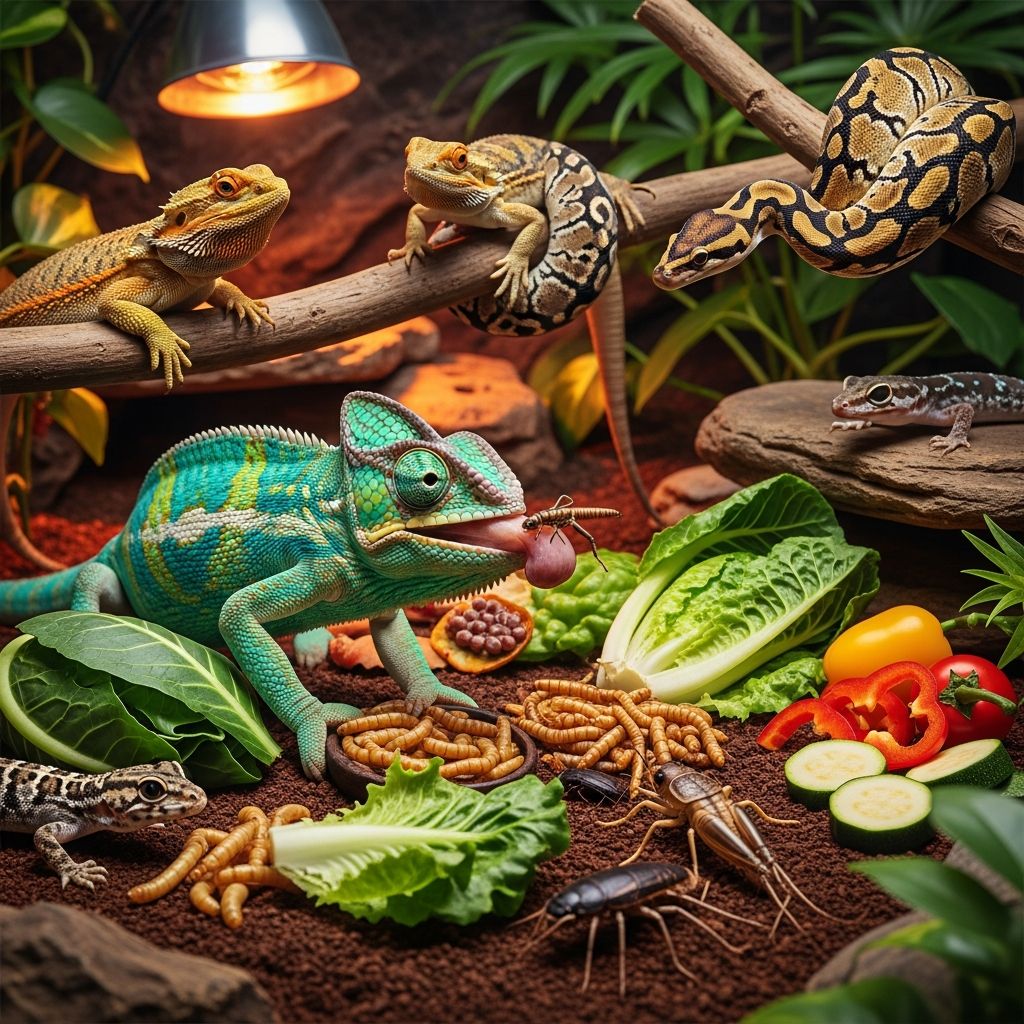
Proper nutrition is fundamental to the health and longevity of pet reptiles. These animals have diverse dietary needs based on their species, age, and natural habitat, ranging from plant-based diets to live prey. Understanding these requirements helps prevent common issues like metabolic bone disease and obesity.
Understanding Dietary Categories in Reptiles
Reptiles fall into three main dietary groups: herbivores, insectivores, and carnivores. Each group demands specific nutrient profiles to thrive in captivity.
Herbivorous Reptiles
Species like iguanas, tortoises, and uromastyx rely primarily on plant matter. Their diets should emphasize high-fiber, low-protein foods to mimic wild foraging. Pelleted feeds formulated for herbivores form 25-50% of the diet, providing balanced nutrients on a dry-matter basis.
- Grasses and hays: Offer good-quality grass hay or herbal mixes daily for fiber.
- Leafy greens: Prioritize low-oxalate options like collards, mustard greens, and dandelion greens.
- Vegetables: Include squashes, bell peppers, and carrots in moderation.
- Fruits: Limit to 5% to avoid excess sugar.
Feed herbivores 1-4% of their body weight daily, adjusted for activity and growth stage.
Insectivorous and Omnivorous Reptiles
Bearded dragons, leopard geckos, and some turtles consume insects as staples, often supplemented with plants. Insects must be gut-loaded 24-72 hours prior with calcium-rich feeds to boost mineral content from 0.01% to 0.5%.
- Preferred insects: Crickets, roaches, and superworms for variety and nutrition.
- Vegetable mix: Chopped greens and veggies tossed to encourage even consumption.
Carnivorous Reptiles
Snakes like pythons and boas require whole prey items such as rodents or birds. Reptilinks or similar products offer balanced alternatives with improved calcium-to-phosphorus ratios.
Key Nutritional Principles
Maintaining proper ratios and providing supplements is crucial across all categories.
Calcium-to-Phosphorus Ratio
A ratio of at least 1:1, preferably 2:1, prevents metabolic bone disease (MBD). Most feeder insects and some plants are naturally deficient, necessitating supplementation. Dust insects with calcium powder before feeding.
Vitamin D and UVB Exposure
Vitamin D3 aids calcium absorption. Provide UVB lighting alongside dietary sources like fortified pellets.
Fiber and Hydration
Herbivores need 15-30% crude fiber for digestion. Always ensure fresh water access; some species benefit from soaks or misters.
| Nutrient | Recommended Concentration (% DM unless noted) |
|---|---|
| Crude Protein | 20-30 |
| Fat | 3-8 |
| Crude Fiber | 10-25 |
| Ca:P Ratio | 1.5-2:1 |
Adapted from reptile nutrition standards. DM = dry matter.
Safe and Unsafe Foods
Recommended Foods for Herbivores
- Collard greens, mustard greens, turnip greens
- Dandelion greens and flowers
- Squash, sweet potatoes, bell peppers
- Grass hay, alfalfa pellets (soaked)
Avoid high-oxalate foods like spinach and beet tops in excess to prevent kidney issues.
Insectivore Staples
- Crickets (gut-loaded)
- Dubia roaches
- Earthworms, silkworms
- Occasional pinky mice for larger species
Rotate to ensure nutrient variety.
Foods to Avoid
- Iceberg lettuce: Low nutrition, high water.
- High-fat insects like waxworms: Treats only.
- Meats for herbivores: Causes imbalances.
- Avocado, rhubarb: Toxic.
Feeding Schedules and Amounts
Tailor portions to species and life stage. Juveniles eat more frequently (daily), adults every 2-3 days.
- Herbivores: 1-4% body weight daily.
- Insectivores: 5-10 insects per feeding for adults.
- Carnivores: Prey item 10-15% of body girth.
Chop plant foods finely and mix to prevent selective feeding. Use shallow dishes for visibility.
Supplementation Strategies
Supplements bridge dietary gaps.
- Calcium: Dust 3-5 times weekly without D3; use with D3 1-2 times if no UVB.
- Multivitamins: Twice weekly.
- Gut-loading: Feed insects high-calcium diets pre-feeding.
For herbivores, calcium-rich pellets suffice.
Common Nutritional Disorders and Prevention
Metabolic Bone Disease (MBD)
Caused by poor Ca:P ratios, lack of D3/UVB. Symptoms: Soft bones, tremors. Prevent with balanced diets and lighting.
Obesity and Fatty Liver
Excess fruit or fatty insects. Limit treats to 5-10%.
Kidney Stones
High oxalates or dehydration in herbivores. Choose low-oxalate greens and ensure hydration.
Housing and Nutrition Synergy
Enclosure setup enhances nutrition. Outdoor time for grazing provides natural UVB and foraging. Supervised access to chemical-free lawns benefits fiber intake.
FAQs
How often should I feed my bearded dragon?
Juveniles daily, adults every other day with insects and greens.
Can tortoises eat fruit?
Yes, but limit to 5% of diet to avoid digestive upset.
What is gut-loading?
Feeding insects nutrient-dense food 24-72 hours before offering to reptiles.
Is commercial reptile food enough?
It forms a base but combine with fresh foods for balance.
How do I know if my reptile is getting enough calcium?
Monitor for firm jaw, straight limbs, and regular sheds. Vet checkups confirm.
Advanced Tips for Breeders and Enthusiasts
Breeding insects like roaches ensures supply. For carnivores, vary prey to mimic wild diets. Track weight and adjust feeds seasonally.
References
- Nutrition in Reptiles — Merck Veterinary Manual. 2023. https://www.merckvetmanual.com/management-and-nutrition/nutrition-exotic-and-zoo-animals/nutrition-in-reptiles
- Proper Nutrition for Herbivorous Reptiles & Amphibians — Animal House of Chicago. 2022. https://animalhouseofchicago.com/news/reptile-amphibian-herbivore-nutrition
- The Periodic Table of Reptile Nutrition — Mazuri. 2024. https://mazuri.com/blogs/education-and-nutrition/the-periodic-table-of-reptile-nutrition
- Reptile Nutrition 101 Outline — LafeberVet. 2025. https://lafeber.com/vet/wp-content/uploads/2025/02/Reptile-Nutrition-101-Outline.pdf
- Nutrition for Herbivorous Reptiles — UC Davis School of Veterinary Medicine. 2023. https://healthtopics.vetmed.ucdavis.edu/health-topics/exotics/healthy-shopping-guide-herbivorous-reptiles
Similar Articles








Read full bio of Sneha Tete