Reptile Metabolic Bone Disease: Diagnosis, Treatment, Care
Essential insights into preventing and treating Metabolic Bone Disease in pet reptiles for healthier, stronger companions.
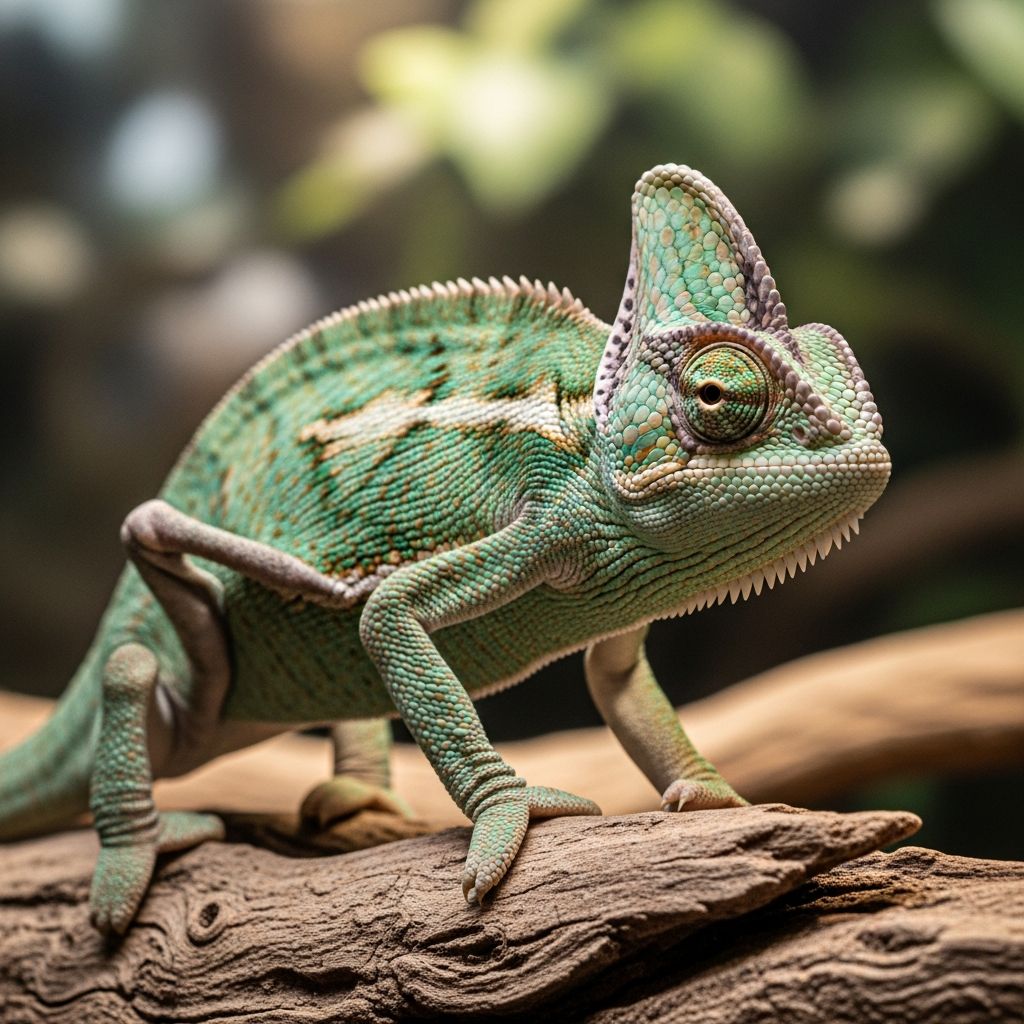
Metabolic Bone Disease (MBD) represents one of the most prevalent nutritional disorders in captive reptiles, stemming primarily from imbalances in calcium, phosphorus, and vitamin D3 levels. This condition weakens bones, impairs muscle function, and can lead to life-threatening complications if not addressed promptly.
Understanding the Fundamentals of MBD
MBD encompasses a spectrum of skeletal disorders where reptiles fail to mineralize their bones properly due to chronic hypocalcemia or related metabolic disruptions. In essence, it describes the pathological outcomes of prolonged low blood calcium, often triggered by dietary shortcomings or environmental inadequacies.
Reptiles rely on calcium for bone integrity, nerve signaling, and muscle contractions. Vitamin D3, synthesized via UVB exposure, is essential for calcium absorption from the gut. Without it, even calcium-rich diets prove ineffective. Phosphorus excess exacerbates the issue by binding calcium, making it unavailable.
Primary Causes Behind Reptile MBD
Several factors converge to precipitate MBD, with nutritional and husbandry errors at the forefront.
- Dietary Imbalances: Insectivorous and herbivorous reptiles like bearded dragons, iguanas, and tortoises often consume phosphorus-heavy foods without sufficient calcium dusting or gut-loading prey.
- UVB Deficiency: Captive environments lacking proper UVB lighting prevent endogenous vitamin D3 production, crippling calcium metabolism.
- Renal Complications: Kidney disease in older reptiles or those on high-protein diets leads to renal secondary hyperparathyroidism (RSHP), further depleting bone minerals.
- Temperature and Digestion Issues: Low enclosure temperatures hinder digestion, reducing nutrient uptake, while dehydration or parasites compound absorption problems.
Carnivorous snakes rarely develop MBD due to balanced whole-prey nutrition, highlighting the vulnerability of omnivores and herbivores.
Recognizing Early Warning Signs
Initial symptoms are often subtle, mimicking general malaise, but progression reveals distinct skeletal and muscular deficits.
| Symptom Category | Common Manifestations | Affected Reptile Types |
|---|---|---|
| General Weakness | Lethargy, appetite loss, weight decline | All species |
| Muscular Issues | Tremors, twitching, paralysis | Lizards, turtles |
| Skeletal Deformities | Soft/flexible bones, scoliosis, jaw swelling (rubber jaw) | Bearded dragons, iguanas |
| Limb and Shell Problems | Swollen limbs, pathologic fractures, misshapen shells | Tortoises, chelonians |
Pathologic fractures occur during routine activities due to brittle bones, while fibrous osteodystrophy causes jaw and limb swelling as the body attempts fibrous stabilization. In turtles, shell deformities can compress the spine, leading to irreversible damage.
Diagnostic Approaches for Accurate Identification
Veterinarians diagnose MBD through a multifaceted process combining clinical observation, imaging, and lab tests.
- Physical Examination: Assessing for tremors, limb deformities, and bone flexibility.
- Radiography: X-rays reveal bone density loss, fractures, and spinal curvatures.
- Blood Analysis: Measures calcium, phosphorus, and parathyroid hormone (PTH) levels; elevated PTH indicates secondary hyperparathyroidism.
Early detection is crucial, as advanced MBD inflicts permanent skeletal changes.
Comprehensive Treatment Strategies
Treatment hinges on correcting underlying deficiencies while providing supportive care.
- Calcium Supplementation: Oral calcium glubionate or injectable calcium gluconate for acute hypocalcemia.
- UVB Optimization: Install high-quality UVB bulbs, replaced every 6 months, positioned 12-18 inches from the reptile.
- Dietary Corrections: Dust insects with calcium powder (no D3 for UVB-provided setups) and ensure balanced Ca:P ratios (2:1 ideal).
- Hospitalization for Severe Cases: Fluids, assisted feeding, pain relief, and calcitriol injections if unresponsive.
- Surgical Interventions: Splinting or surgery for fractures.
Progress monitoring via follow-up bloodwork and x-rays guides recovery, which can span weeks to months.
Prevention: Building a MBD-Resistant Habitat
Proactive husbandry averts MBD entirely, emphasizing the “5 Pillars of Reptile Care”: nutrition, lighting, temperature, humidity, and enrichment.
- UVB Protocols: Use mercury vapor or T5 HO fluorescent bulbs; provide gradient exposure.
- Supplementation Regimens: Calcium without D3 4-5x weekly; multivitamins 1-2x weekly.
- Diet Diversity: Gut-load insects 24-48 hours prior; offer varied greens for herbivores.
- Enclosure Setup: Maintain basking sites at 95-110°F (lizards), 88-92°F (turtles); cool sides 75-85°F.
Regular veterinary check-ups, especially for juveniles, catch imbalances early.
Species-Specific Considerations
MBD risks vary by reptile type:
- Bearded Dragons: High insect diets demand vigilant dusting and 12% UVB.
- Iguanas: Foliage-based; prone to renal MBD from excess protein.
- Tortoises/Turtles: Shell monitoring essential; avoid over-supplementation.
- Chameleons: Mist-sensitive; drip feeders aid hydration for absorption.
Frequently Asked Questions (FAQs)
What is the fastest way to treat MBD in a reptile?
Immediate vet care with injectable calcium, UVB correction, and supportive therapy yields quickest results.
Can MBD be reversed in adult reptiles?
Early stages yes, via husbandry fixes; advanced deformities often persist.
How often should I replace UVB bulbs?
Every 6-12 months, as UVB output degrades invisibly.
Is natural sunlight sufficient for UVB?
Ideal through glass-free screening, but monitor for overheating; artificial UVB reliable indoors.
Why do snakes rarely get MBD?
Whole prey provides balanced calcium, D3, and phosphorus.
Long-Term Management and Prognosis
With diligent intervention, most reptiles recover functionality, though scarring may remain. Owners must commit to lifelong optimized care to prevent recurrence. Community resources and herpetological societies offer ongoing support.
References
- Understanding Metabolic Bone Disease in Reptiles — INVMA. Accessed 2026. https://invma.org/understanding-metabolic-bone-disease-in-reptiles/
- A Primer On Metabolic Bone Disease In Reptiles — Alford Avenue Veterinary Hospital. Accessed 2026. https://alfordavenueveterinaryhospital.com/metabolic-bone-disease-in-reptiles/
- Nutritional Secondary Hyperparathyroidism / Metabolic Bone Disease — Arizona Exotic Animal Hospital. Accessed 2026. https://azeah.com/reptiles-amphibians-lizards-tortoises-turtles/nutritional-secondary-hyperparathyroidism-metabolic
- What is Metabolic Bone Disease (MBD) — National Marine Life Center. Accessed 2026. https://nmlc.org/what-is-metabolic-bone-disease-mbd/
- Metabolic Bone Disease — Packerland Veterinary Center. Accessed 2026. https://www.packerlandvet.com/blog/metabolic-bone-disease
- Metabolic Bone Disease (MBD) in Reptiles — PetMD. Accessed 2026. https://www.petmd.com/reptile/conditions/musculoskeletal/metabolic-bone-disease-mbd-reptiles
Similar Articles








Read full bio of medha deb