Reptile Health Disorders: Essential Guide For Owners
Comprehensive insights into common reptile illnesses, from infections to metabolic issues, with prevention and care strategies for pet owners.
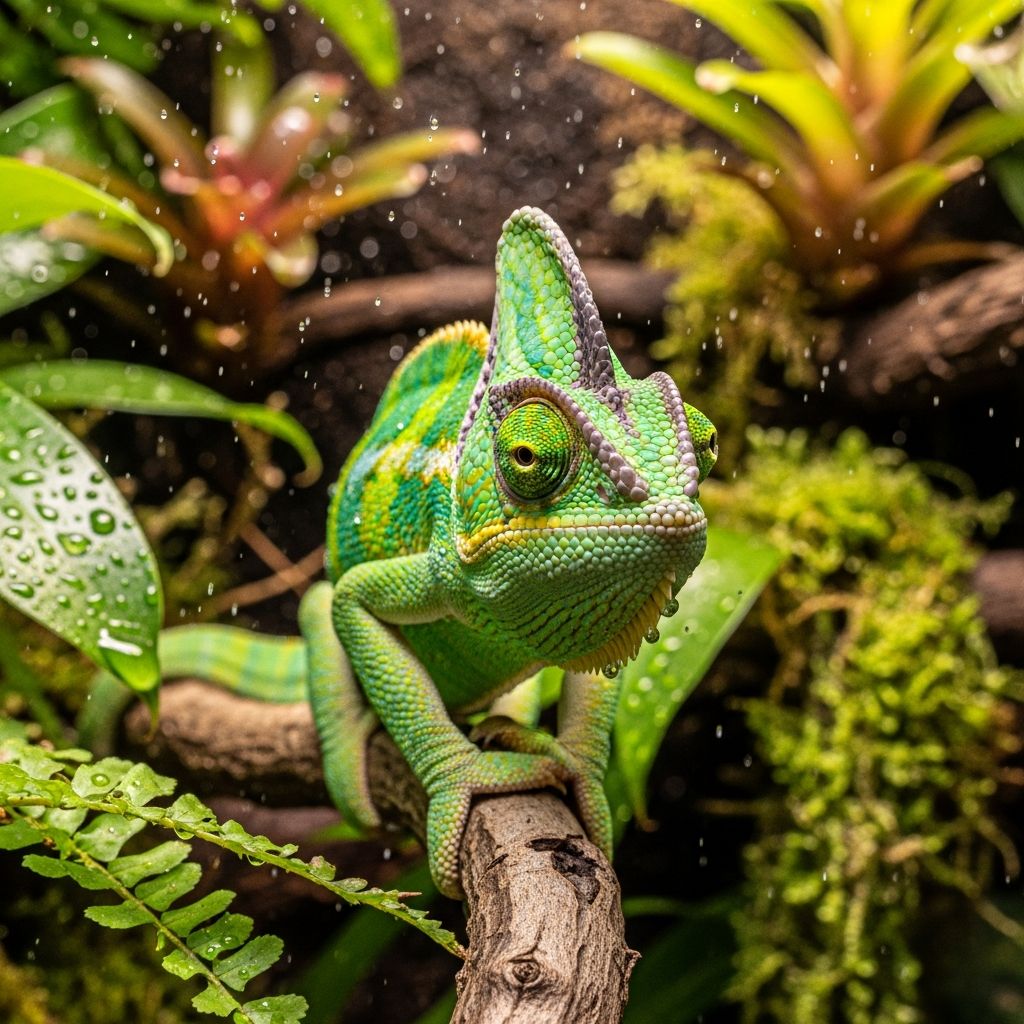
Pet reptiles like snakes, lizards, turtles, and tortoises can face a range of health challenges due to improper husbandry, poor diet, or environmental stressors. Recognizing early signs and maintaining optimal care is crucial for their well-being. This guide details common disorders, their causes, symptoms, treatments, and prevention methods.
Understanding Common Respiratory Challenges in Reptiles
Respiratory issues rank among the top health concerns for captive reptiles, often stemming from suboptimal enclosure conditions such as low temperatures, excessive humidity, or inadequate ventilation. Bacteria, viruses, or fungi can invade the respiratory system, leading to serious complications if untreated.
Symptoms include open-mouth breathing, wheezing sounds, nasal or oral discharge, facial swelling, and lethargy. Aquatic species like turtles may exhibit bubbling from the nose or mouth. These signs indicate the need for immediate veterinary attention to prevent pneumonia or systemic spread.
- Maintain enclosure temperatures at the upper end of the species’ preferred range to boost immunity and clear secretions.
- Ensure proper humidity levels and regular cleaning to minimize pathogen buildup.
- Supplement vitamin A for chelonians, as deficiencies exacerbate pneumonia.
Treatment typically involves antibiotics tailored by a vet, alongside environmental corrections. Prompt care improves outcomes significantly.
Skin and Shell Conditions: Frequent Concerns
Reptile skin serves as a primary barrier against infections, but injuries, humidity imbalances, or filth can lead to dermatological problems. Fungal infections like dermatophytosis enter through wounds, affecting skin or nails across all reptile types.
Shell diseases in turtles and tortoises manifest as pitting, sloughing scutes, pus, or red spots. Septicemic Cutaneous Ulcerative Disease (SCUD) is a bacterial culprit in aquatic turtles, often causing appetite loss and liver involvement. Scale rot appears as discolored, softened scales in snakes and lizards.
| Condition | Symptoms | Treatment Approach |
|---|---|---|
| Dermatophytosis | Discolored skin/nails, lesions | Topical antifungals, UV exposure, debridement |
| SCUD | Shell pitting, pus, lethargy | Antibiotics, sanitation |
| Scale Rot | Softened scales, redness | Improve substrate, antibiotics |
Prevention hinges on hygiene: disinfect enclosures weekly, avoid overcrowding, and inspect for injuries regularly.
Digestive and Cloacal Disorders
Gut-related problems arise from imbalanced diets, parasites, or blockages. Cloacitis, or swollen vent, involves inflammation at the excretory opening, potentially from impactions or infections. Symptoms feature swelling, straining, and discharge.
Mouth rot (stomatitis) links poor oral health to nutrition deficits and habitat issues, showing as inflamed gums, sores, or pus. Herpesviruses in turtles and tortoises damage digestive tissues, causing itching, sores, and liver harm.
- Provide species-appropriate diets rich in vitamin A.
- Clear obstructions manually or surgically under vet guidance.
- Administer antivirals for herpes cases, isolating affected animals.
Balanced nutrition and clean habitats reduce recurrence risks.
Systemic Infections: Septicemia and Beyond
Septicemia, a blood infection, presents with lethargy, convulsions, muscle weakness, and purplish spots on the belly or plastron. It’s life-threatening, demanding swift isolation and antibiotics.
Other systemic threats include visceral gout, where uric acid builds up in organs due to dehydration or renal disease. Primary gout ties to diet; secondary to underlying issues. Advanced cases have guarded prognoses, sometimes warranting euthanasia.
Treatment for gout focuses on hydration, dietary overhaul (low-protein), and medications like allopurinol if caught early. Long-term management is essential.
Parasitic Infestations Impacting Reptiles
External parasites like ticks burden reptiles, causing anemia, paralysis, or secondary infections from bite wounds. Maggots infest open sores, especially in humid seasons.
- Remove ticks with forceps, wearing gloves to avoid zoonoses.
- Flush botfly wounds and apply antibiotics.
- Screen enclosures during fly-heavy periods.
Internal parasites disrupt digestion; regular fecal exams aid detection. Vet-prescribed dewormers are standard.
Metabolic Bone Disease and Nutritional Imbalances
Calcium and vitamin D3 deficiencies lead to metabolic bone disease (MBD), softening bones, causing deformities, tremors, and fractures. Poor UVB lighting is a key factor.
Symptoms: swollen jaws (in lizards), kinked spines (snakes), or dragging limbs. Prevention: full-spectrum UVB bulbs, calcium-dusted prey, and proper temperatures for vitamin synthesis.
Treatment includes supplementation, UVB therapy, and supportive care; severe cases may require surgery.
Zoonotic Risks: Protecting Humans from Reptile Pathogens
Reptiles harbor salmonella, posing diarrhea, fever risks to handlers, especially children or immunocompromised. Botulism from clostridium is rarer but severe.
- Wash hands post-handling.
- Disinfect surfaces.
- Supervise interactions with vulnerable groups.
HPSC data links reptile contact to cases, underscoring hygiene.
Reproductive and Neurological Issues
Females suffer egg-binding from calcium shortages or obesity, showing lethargy and straining. Dystocia requires vet intervention, possibly surgery.
Neurological signs like head tilting signal inner ear infections or encephalitis. Vitamin A aids ear health in turtles.
Essential Husbandry for Disease Prevention
Optimal setups prevent most disorders: species-specific heat gradients (basking 95-110°F), humidity, clean water, and UVB. Quarantine new arrivals 30-90 days.
Annual vet checkups with fecals ensure early detection. Monitor weight, feces, and behavior weekly.
FAQs on Reptile Health
What are the first signs of illness in my reptile?
Lethargy, appetite loss, abnormal breathing, or discharge signal issues. Act fast.
How do I prevent respiratory infections?
Maintain clean, warm, well-ventilated enclosures with correct humidity.
Are reptile diseases contagious to humans?
Yes, salmonella is common; practice strict hygiene.
Can I treat my reptile at home?
No—consult a reptile vet for antibiotics or supplements.
Why is my turtle’s shell soft?
Likely MBD or shell rot; check diet, lighting, and water quality.
References
- Reptiles and Amphibians | Healthy Pets, Healthy People — CDC. 2023. https://www.cdc.gov/healthy-pets/about/reptiles-and-amphibians.html
- Disorders and Diseases of Reptiles — Merck Veterinary Manual. 2023-10-17. https://www.merckvetmanual.com/all-other-pets/reptiles/disorders-and-diseases-of-reptiles
- Reptile Health: Identifying and Preventing Common Issues — Bird and Exotic Vet. 2023. https://www.birdandexoticsvet.com/reptile-health-identifying-and-preventing-common-issues/
- Reptiles and Risks of Infectious Diseases — Health Protection Surveillance Centre (HPSC). 2023. https://www.hpsc.ie/a-z/zoonotic/reptilesandrisksofinfectiousdiseases/
Similar Articles








Read full bio of Sneha Tete