Undefined Reptile Feeding Guide: Expert Tips For 2025
Master the art of reptile nutrition with expert tips on diets, feeding schedules, and balanced meals for healthy pets.
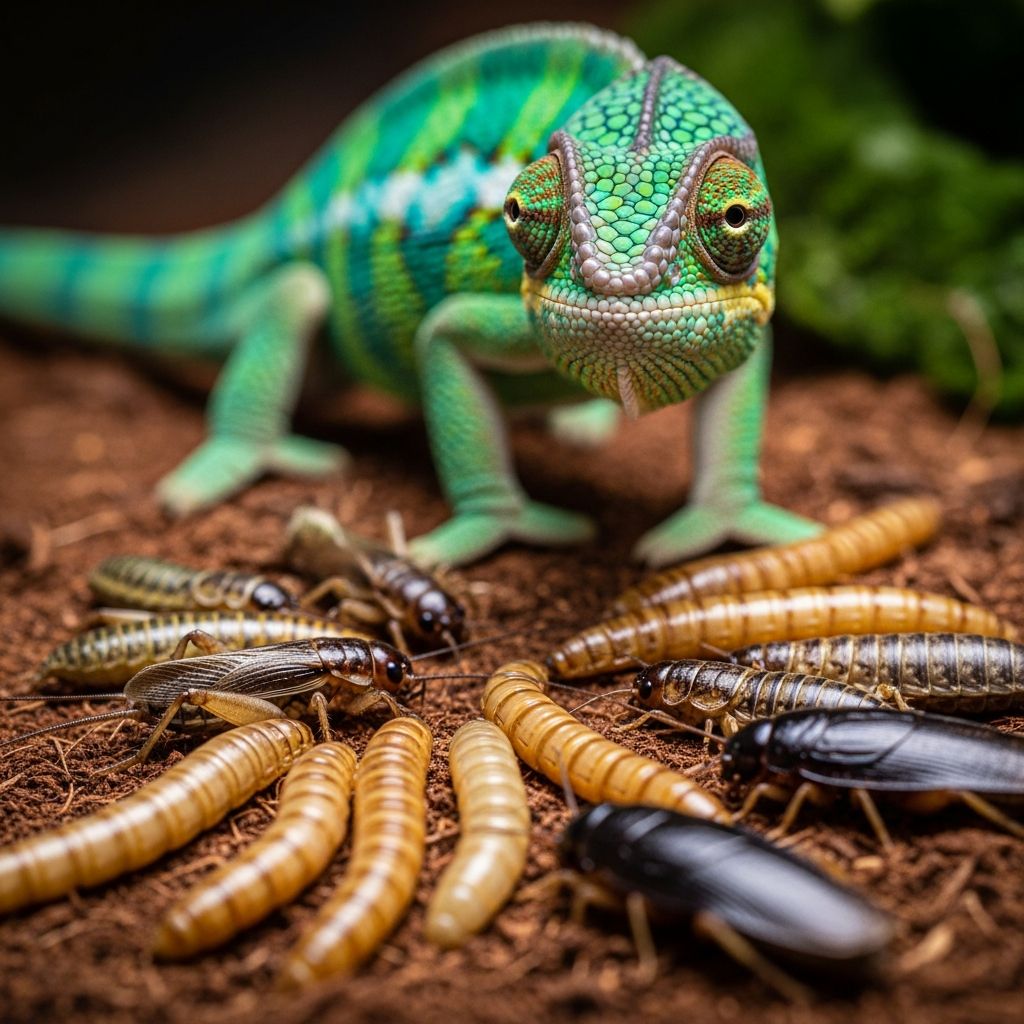
Proper nutrition forms the foundation of reptile health in captivity. Reptiles span a wide range of dietary needs, from plant-based diets for herbivores to protein-rich meals for carnivores. Understanding species-specific requirements ensures longevity and vitality. This guide draws on veterinary and nutritional expertise to outline balanced feeding practices.
Understanding Reptile Dietary Categories
Reptiles fall into three primary dietary groups: herbivores, omnivores, and carnivores (or insectivores). Each category demands distinct food sources to meet nutritional profiles.
- Herbivores like iguanas, uromastyx, and most tortoises thrive on plant matter, requiring high-fiber, low-protein intake to mimic wild foraging.
- Omnivores, such as box turtles, consume a mix of plants and animal proteins for balanced energy.
- Carnivores/Insectivores including bearded dragons, monitors, and many snakes prioritize insects, small prey, or meat.
Matching diet to category prevents common issues like obesity in herbivores or metabolic bone disease (MBD) in insectivores due to calcium deficiencies.
Core Principles of Portion Control
Feed reptiles 1-4% of their body weight daily on a dry-matter basis. This guideline adjusts for species, age, and activity. Weigh your pet regularly and calculate portions accordingly.
| Reptile Type | Daily Intake (% Body Weight) | Example for 500g Pet |
|---|---|---|
| Juvenile Herbivores | 3-4% | 15-20g |
| Adult Insectivores | 1-2% | 5-10g |
| Aquatic Turtles | 2-3% | 10-15g |
Overfeeding leads to rapid growth and health problems, while underfeeding causes weakness. Juveniles need daily meals; adults may eat every 2-3 days.
Building a Base Diet with Fortified Feeds
Commercial pellets provide a nutrient-complete foundation, supplying vitamins, minerals, and balanced calcium-to-phosphorus ratios. Herbivorous pellets should comprise 25-50% of the diet, supplemented by fresh produce.
- Use species-specific formulas: tortoise pellets for herbivores, high-protein for insectivores.
- Moisten dry pellets to enhance palatability without diluting nutrients.
- Avoid relying solely on produce, as it often lacks essential vitamins.
Pellets prevent deficiencies common in wild-mimic diets, such as low vitamin D3, crucial for calcium absorption.
Herbivore Nutrition: Plants and Fiber Focus
Herbivores like tortoises and iguanas require fibrous greens to support digestion. Prioritize low-oxalate vegetables to reduce kidney stone risks.
Ideal foods include:
- Dandelion greens, collard greens, mustard greens for calcium.
- Good-quality grass hay or herbal hay as 50%+ of diet.
- Limit fruits to 5% due to high sugar.
Fresh greens should not exceed 50% total diet; balance with pellets. European herbivores often receive dandelions and herbs. Provide constant access to clean water via soaks or dishes.
Insectivore and Omnivore Diets: Protein Powerhouses
Insectivores such as bearded dragons and leopard geckos need live prey for mental stimulation and nutrition. Omnivores like box turtles mix insects with veggies.
Recommended insects:
- Crickets, dubia roaches, earthworms for protein.
- Beetle larvae (e.g., superworms) if gut-loaded.
- Avoid high-fat waxworms as staples.
Gut-loading insects 24-48 hours with nutrient-dense feeds boosts calcium, omega-3s, and vitamin A transfer. Feed gut-loaded prey within 48 hours or freeze for up to a week.
Specialized Diets for Unique Species
Certain reptiles have niche needs:
- Aquatic Turtles: Pellets, feeder fish, leafy veggies, insects.
- Snakes: Tropical species like pythons eat rodents; specialists like garter snakes prefer amphibians or fish.
- Monitors: Whole prey including Reptilinks for balanced Ca:P ratios.
Box turtles enjoy weeds, slugs, berries, and flowers. Adjust for desert-adapted tortoises with fibrous roots.
Environmental and Life Stage Adjustments
Feeding varies by habitat temperature, activity, and growth phase.
- Warm Environments: Daily feeding.
- Cooler Setups: 3x weekly, reduced portions.
- Juveniles: Free-choice for growth.
- Adults: Scheduled meals to prevent obesity.
Higher activity or warmer basking spots increase appetite. Monitor weight and adjust.
Supplementation and Vitamin Essentials
Key nutrients include:
- Calcium & Vitamin D3: Prevents MBD; use UVB lighting or supplements.
- Protein: Amino acids for muscle via pellets.
- Phosphorus Balance: High in insects; counter with calcium dusting.
Phoenix worms offer natural high calcium. Macerate insects to improve bioavailability.
Water Provision Strategies
Water delivery matches natural behaviors: drips for rainforest species, soaks for tortoises. Always ensure fresh, clean sources to prevent dehydration.
Common Feeding Mistakes to Avoid
Steer clear of:
- High-fruit diets causing digestive upset.
- Ungutloaded insects leading to deficiencies.
- Inconsistent portions ignoring body weight.
- Glass-filtered UVB, blocking D3 synthesis.
FAQs
How often should I feed my bearded dragon?
Juveniles daily (2-3% body weight); adults every other day.
What veggies are safe for iguanas?
Collards, dandelions, squash; avoid iceberg lettuce.
Can I feed my snake fruits?
No, carnivorous snakes need prey items only.
Why gut-load insects?
Transfers essential nutrients like calcium to your reptile.
How much hay for tortoises?
Primary base, 50%+ of diet for fiber.
Tips for Long-Term Success
Rotate foods for variety, track growth, consult vets for issues. Balanced nutrition yields active, disease-resistant pets.
References
- 4 Steps to Build the Perfect Reptile Diet — Mazuri. Accessed 2026. https://mazuri.com/blogs/education-and-nutrition/4-steps-to-build-the-perfect-reptile-diet
- Nutrition in Reptiles — Merck Veterinary Manual. Accessed 2026. https://www.merckvetmanual.com/management-and-nutrition/nutrition-exotic-and-zoo-animals/nutrition-in-reptiles
- Reptile Nutrition 101: Veggies & Insectivores Delight — LafeberVet (PDF). 2025-02. https://lafeber.com/vet/wp-content/uploads/2025/02/Reptile-Nutrition-101-Outline.pdf
- THE PERIODIC TABLE OF REPTILE NUTRITION — Mazuri UK. Accessed 2026. https://www.mazuriuk.biz/theperiodictableofreptilenutrition
- Reptile Nutrition 101: Veggies & Insectivores Delight — FWRA (PDF). 2023-11. https://fwra.org/wp-content/uploads/2023/11/FWRA-Reptile-Nutrition-2017.pdf
Similar Articles








Read full bio of Sneha Tete