Reptile Care: Environmental Hazards and Injury Prevention
Master environmental conditions and injury prevention for healthier reptile pets
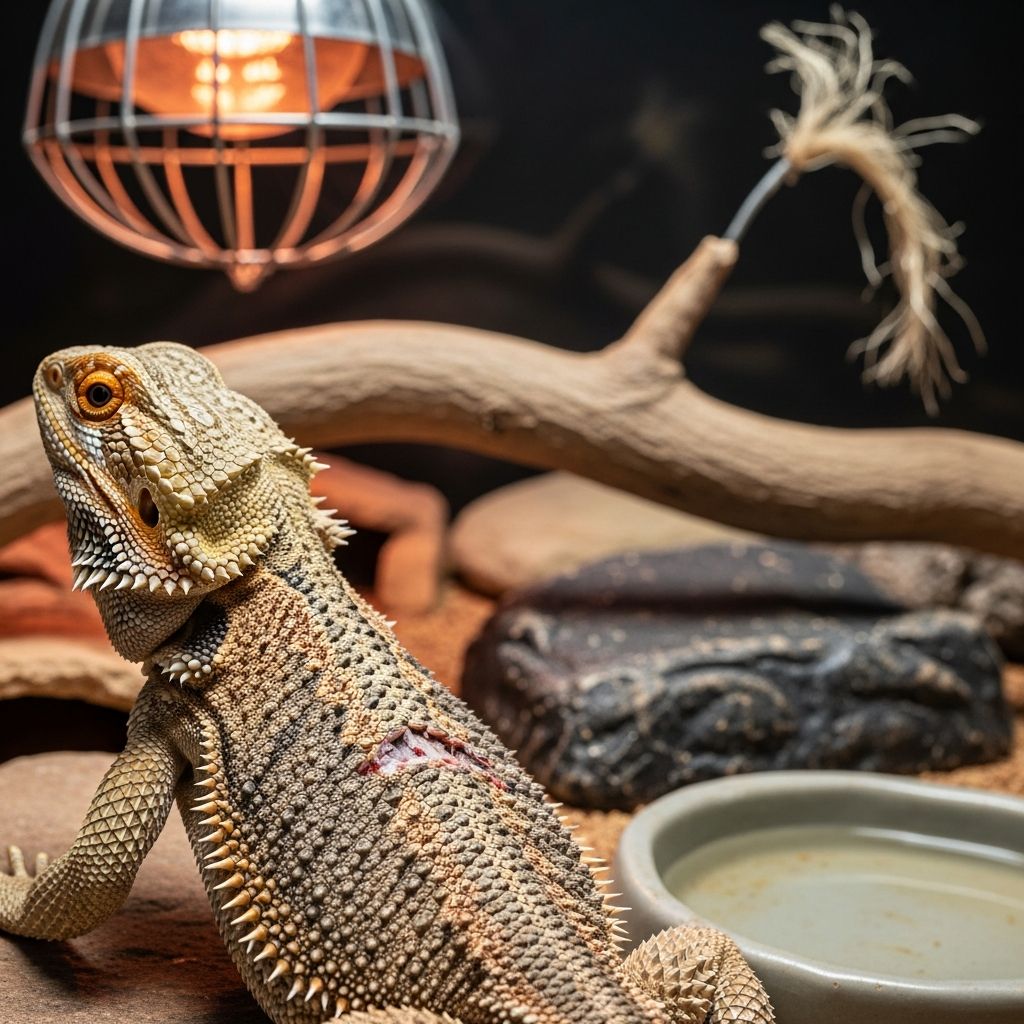
Understanding Environmental Stress in Captive Reptiles
Reptiles depend heavily on their environment to regulate body temperature, metabolism, and overall physiological function. Unlike mammals, reptiles are ectothermic creatures, meaning they rely on external environmental conditions to maintain proper body temperature. When environmental parameters deviate from a reptile’s specific requirements, stress-related illnesses and conditions develop rapidly. Understanding these environmental stressors forms the foundation of responsible reptile ownership and veterinary care.
Environmental diseases in reptiles are largely preventable through proper husbandry practices. Inadequate temperature gradients, improper humidity levels, poor substrate conditions, and insufficient lighting all contribute to systemic health problems. These conditions weaken the reptile’s immune system, making them susceptible to secondary infections and metabolic disorders. A clean, well-maintained habitat with appropriate environmental parameters is the single most effective preventive measure for maintaining reptile health.
Temperature Regulation and Thermal Disorders
Temperature management is critical for reptile survival and health. Each reptile species has a preferred optimum temperature zone (POTZ) that varies based on their natural habitat. Failure to provide appropriate temperature gradients leads to hypothermia, metabolic dysfunction, and impaired immune response. Reptiles require both warm basking areas and cooler retreat zones to thermoregulate effectively.
Thermal burns represent a significant traumatic injury risk in captive settings. Improperly insulated heat sources, malfunctioning heating equipment, and direct contact with heating elements cause severe tissue damage. Prevention requires using thermostatic controls, maintaining appropriate distance between heating elements and the reptile’s resting areas, and regularly inspecting equipment for malfunction. Severe burns may require veterinary intervention and long-term wound care.
Common temperature-related conditions include:
- Metabolic bone disease from inadequate vitamin D synthesis
- Impaired digestion and nutrient absorption
- Respiratory infections from temperature fluctuations
- Lethargy and reduced activity levels
- Reproductive dysfunction and egg-binding
Humidity and Respiratory Health
Humidity requirements vary significantly among reptile species. Semi-aquatic species require high humidity levels, while desert-dwelling species prefer arid conditions. Inappropriate humidity creates respiratory tract irritation, promotes fungal and bacterial growth, and predisposes reptiles to pneumonia and upper respiratory infections. Conversely, excessive humidity encourages mold proliferation and parasitic infestations within the habitat.
Respiratory infections develop when temperature and humidity conditions fall outside optimal ranges. These infections manifest as wheezing, nasal discharge, open-mouth breathing, and lethargy. Treatment requires environmental correction combined with antibiotic therapy and supportive care. Maintaining humidity through proper substrate selection, regular misting, water features, or controlled ventilation prevents these serious complications.
Species-specific humidity requirements should be researched thoroughly before acquiring a reptile. Monitoring equipment such as hygrometers provides objective data for habitat adjustments. Regular habitat cleaning prevents moisture-related bacterial and fungal problems that compound respiratory issues.
Lighting and Ultraviolet Radiation Needs
Proper lighting serves multiple physiological functions beyond simple visibility. Ultraviolet B (UVB) radiation enables vitamin D3 synthesis in the skin, essential for calcium metabolism and bone health. Many captive reptiles develop metabolic bone disease when housed under inadequate lighting. UVA radiation influences behavioral patterns, feeding response, and reproductive cycles.
Different reptile species require varying UVB exposure duration and intensity. Diurnal, basking species typically need 10-12 hours of appropriate UVB lighting daily, while nocturnal species require minimal UVB. Using full-spectrum lighting without proper UVB output provides inadequate nutrition for calcium-dependent processes. Regular bulb replacement is critical, as UVB intensity diminishes over time despite continued light emission.
Insufficient lighting also contributes to behavioral abnormalities and stress-related immune suppression. Proper photoperiod (day-night cycling) regulates circadian rhythms and reproductive function. Environmental lighting design should mimic natural conditions appropriate to the species’ native habitat.
Substrate Selection and Skin Health
Substrate composition directly impacts reptile skin integrity and respiratory health. Inappropriate substrates cause dermatitis, respiratory irritation, and impaction when ingested. Substrates must be non-toxic, appropriately sized, and maintained at proper moisture levels. Different species require different substrate types—arboreal species need materials supporting climbing, while burrowing species require deep substrate allowing natural behaviors.
Contaminated substrates harbor bacteria, fungi, and parasites. Regular substrate replacement and spot-cleaning prevent pathogenic organism accumulation. Some substrates promote fungal growth under high humidity conditions, while others may be toxic when ingested or inhaled. Research into species-appropriate substrate options prevents many preventable skin and respiratory conditions.
Nutritional Deficiencies and Metabolic Disease
Environmental factors and diet work together to determine reptile metabolic health. Inadequate temperature prevents proper digestion and nutrient absorption. Poor lighting impairs vitamin D3 synthesis. Combined with nutritionally incomplete diets, these environmental failures rapidly produce serious metabolic disease.
Major nutritional deficiency-related conditions include:
| Deficiency | Environmental Factor | Primary Symptoms | Prevention Strategy |
|---|---|---|---|
| Vitamin A Deficiency | Poor diet variety | Swollen eyes, respiratory infections | Varied diet with vitamin A sources |
| Calcium Deficiency | Inadequate UVB lighting | Bone softening, tremors | Proper UVB bulbs, calcium supplementation |
| Vitamin D3 Deficiency | Insufficient UVB exposure | Metabolic bone disease | 10-12 hours daily UVB for diurnal species |
Vitamin A deficiency particularly affects reptiles consuming inadequate vegetable matter or live prey without proper supplementation. Symptoms include ear swelling, respiratory infections, and eye problems. Vitamin D3 deficiency combined with low environmental temperatures creates the conditions for metabolic bone disease, characterized by soft bones, inability to move properly, and potential death if untreated.
Traumatic Injuries in Captive Environments
Traumatic injuries in captive reptiles often result from environmental hazards overlooked by caregivers. Sharp cage decorations, improperly secured heat sources, and falls from climbing structures cause lacerations, burns, and fractures. Aggressive tank mates, even in species typically housed communally, lead to bite wounds and stress-related illness.
Improper handling represents another significant injury source. Dropped reptiles may sustain internal injuries not immediately apparent. Rough handling during capture or restraint causes stress responses that compromise immune function and create conditions for secondary infections. Educating handlers on proper restraint techniques prevents many preventable injuries.
Environmental enrichment, while important for behavioral health, must be designed safely. Branches should be securely mounted to prevent collapse. Decorations must have no sharp edges or crevices where reptiles become trapped. Water features should be designed to prevent drowning, especially for terrestrial species. Regular habitat inspection identifies potential hazard areas before injuries occur.
Integumentary Trauma and Wound Management
Abrasions and lacerations occur when reptiles rub against rough surfaces or sharp objects. These wounds become infected easily if not properly cleaned and maintained. Treatment involves gently cleaning the affected area, removing any debris, and preventing contamination during healing. Some wounds require antibiotic ointment application or oral antibiotics if infection develops.
Scale damage and retained shed skin create entry points for infection. Proper humidity and hydration support natural shedding without complications. If shed skin remains adhered, gentle soaking followed by careful removal prevents scale damage. Retained shed tissue on toes or tail tips (known as dysecdysis) requires veterinary attention if not resolved through environmental adjustment.
Open wounds necessitate isolation from tank mates to prevent secondary trauma. Maintaining clean, dry conditions around healing injuries reduces infection risk. Some reptiles benefit from temporary removal to a hospital environment during critical healing phases. Regular wound inspection monitors healing progress and identifies complications requiring additional treatment.
Fractures and Skeletal Injuries
Traumatic skeletal injuries result from falls, crushing injuries, or improper handling. Reptiles with metabolic bone disease suffer pathological fractures from minor trauma that would not injure healthy animals. These animals require immobilization to allow bone healing. Depending on fracture severity and location, specialized splinting or casting may be necessary.
Spinal injuries cause paralysis or paresis, potentially permanent depending on severity. Prevention through secure cage construction and careful handling protects against these catastrophic injuries. Reptiles recovering from skeletal trauma require extended rest periods with minimal stress, proper temperature and nutrition support healing processes.
Preventing Injuries Through Habitat Design
Creating injury-free environments requires thoughtful planning and regular assessment. Enclosures should provide appropriate height for arboreal species while maintaining escape prevention. All decorative elements must be securely mounted and regularly inspected for deterioration. Temperature gradient maintenance should never require reptile proximity to unprotected heat sources.
Housing decisions influence injury risk significantly. Species normally solitary should not be housed together, regardless of temporary cohabitation survival. Incompatible species combinations create constant stress and injury risk. Proper space allocation reduces aggression and territorial disputes that lead to injuries.
Post-Injury Care and Recovery
Injured reptiles require immediate veterinary evaluation to assess damage severity. Even minor-appearing injuries may involve internal damage or infection risk. Pain management is often overlooked in reptile care despite evidence of pain sensation in these animals. Proper analgesia improves recovery outcomes and reduces stress-related complications.
Environmental support during recovery is critical. Injured reptiles benefit from warmer temperatures within their preferred range to support immune function and healing. Reduced handling minimizes stress and additional injury risk. Monitoring for infection through observation of wound appearance, behavior changes, and appetite helps identify complications early.
Creating a Comprehensive Health Maintenance Plan
Preventing environmental diseases and injuries requires systematic approach to habitat management. Species-appropriate environmental parameters, proper nutrition, secure cage design, and regular health monitoring form the foundation of preventive care. Working with reptile-experienced veterinarians identifies individual health risks and creates species-specific management plans.
Documentation of environmental parameters through regular monitoring enables quick identification of equipment malfunction or degradation. Temperature, humidity, and lighting records provide baseline data for troubleshooting health problems. This proactive approach catches environmental problems before they cause serious disease.
Regular handling and behavioral observation reveal subtle signs of environmental stress or illness. Changes in activity level, appetite, or shedding patterns indicate underlying problems requiring attention. Building relationships with knowledgeable veterinary professionals ensures access to expert guidance for complex health situations.
References
- Merck Manual: Disorders and Diseases of Reptiles — Merck & Co., Inc. 2024. https://www.merckvetmanual.com/all-other-pets/reptiles/disorders-and-diseases-of-reptiles
- Common Diseases of Pet Snakes — VCA Animal Hospitals. 2024. https://vcahospitals.com/know-your-pet/snakes-diseases
- Reptile Health: Identifying and Preventing Common Issues — Bird and Exotic Veterinary Hospital. 2024. https://www.birdandexoticsvet.com/reptile-health-identifying-and-preventing-common-issues/
- Reptiles and Amphibians: Healthy Pets, Healthy People — CDC. 2024. https://www.cdc.gov/healthy-pets/about/reptiles-and-amphibians.html
- Common Diseases of Urban Wildlife: Reptiles — Animal Rescue Wildlife Healing. 2021. https://arwh.org/wp-content/uploads/2021/06/COMMON-DISEASES-OF-REPTILES-2021-FINAL.pdf
Similar Articles








Read full bio of Sneha Tete