Reptile Enclosure Hygiene Guide: Vet-Approved Checklist
Master the art of maintaining spotless reptile habitats to ensure your pet's health and longevity through proven cleaning techniques.
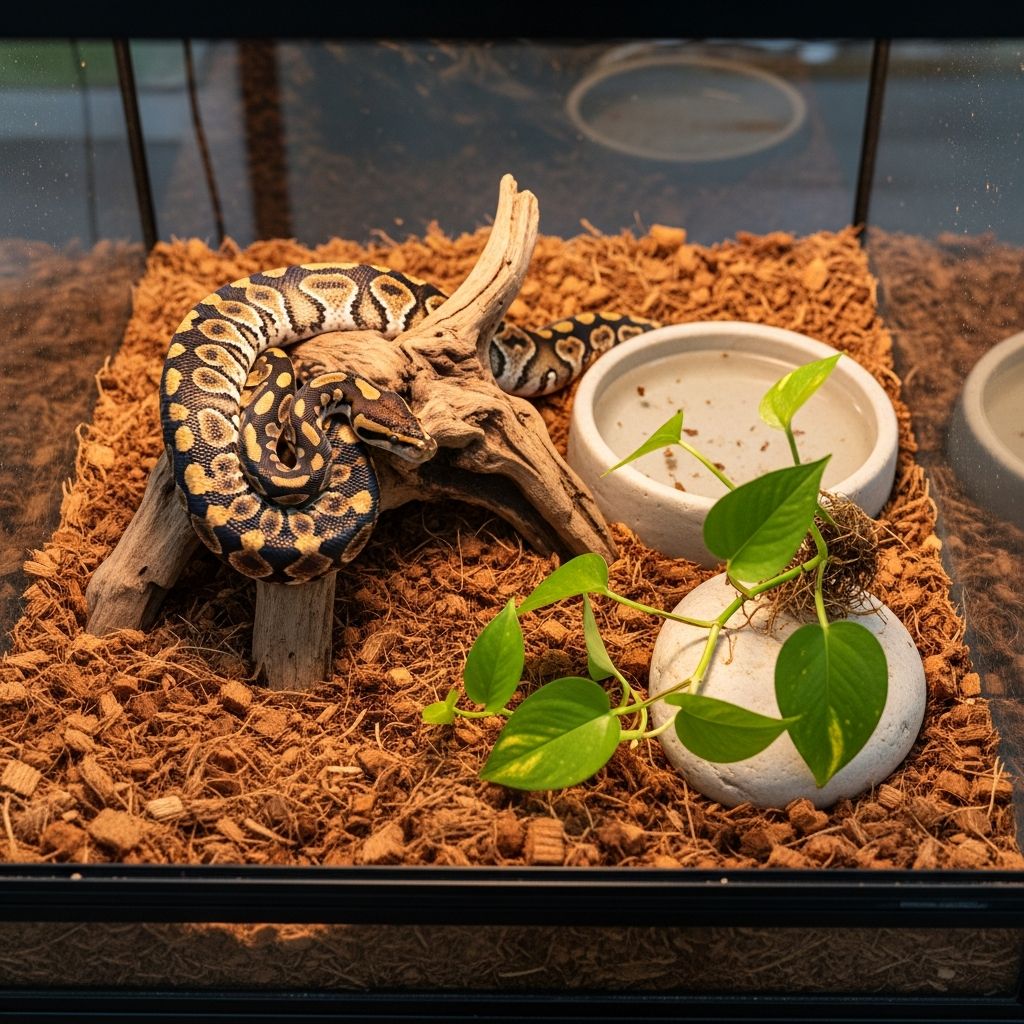
Proper maintenance of a reptile’s living space is fundamental to their overall health, preventing the buildup of harmful pathogens, parasites, and waste that can lead to illness. Regular cleaning routines not only create a comfortable environment but also minimize zoonotic risks to handlers. This guide outlines effective protocols for both routine upkeep and intensive sanitization, drawing on veterinary-recommended practices.
Understanding the Importance of Consistent Habitat Maintenance
Reptiles thrive in environments that mimic their natural habitats, but confined spaces accelerate contamination from feces, shed skin, uneaten food, and moisture. Without diligent hygiene, bacterial overgrowth, fungal infections, and parasites like Cryptosporidium can proliferate, compromising the animal’s immune system and potentially spreading to humans. Veterinary experts emphasize that spot cleaning daily combined with periodic deep cleans significantly reduces these threats. For bioactive setups, where live plants and custodians manage waste naturally, less intervention is needed, but glass and surfaces still require attention to avoid grime accumulation.
Essential Tools and Supplies for Effective Cleaning
Gathering the right equipment streamlines the process and ensures safety. Key items include:
- Disposable gloves to prevent cross-contamination and skin exposure to chemicals.
- Stiff-bristled brushes or old toothbrushes for scrubbing crevices.
- Sponges, washcloths, or scrapers for varied surfaces.
- Paper towels or lint-free cloths for wiping and drying.
- Protective gear like eye protection, face masks, and aprons, especially during chemical use.
- Large pots for boiling rocks and branches.
- Steam cleaners for chemical-free sanitization, avoiding use near pets or sensitive materials like unsealed wood.
Always designate a cleaning area outside food preparation zones, such as a garage or outdoor space, to avoid contaminating household surfaces.
Daily Spot Cleaning Protocols
Quick daily interventions prevent waste buildup and odor. Start by safely removing the reptile to a secure temporary holding area. Use paper towels to wipe away feces, urine-soaked substrate, and uneaten food immediately. For stuck debris on decor, gently scrape and rinse under hot water. Replace soiled substrate with fresh handfuls, ensuring even distribution. In non-bioactive enclosures, this step is crucial for bacterial control. Wash hands thoroughly afterward, changing gloves between tasks to avoid chemical mixing or pathogen transfer. Aim for this routine every 24 hours to maintain air quality and reduce stress on the reptile’s respiratory system.
Comprehensive Deep Cleaning Procedures
Schedule full habitat resets weekly or bi-weekly, depending on species and enclosure size. Begin by powering off and cooling all heat and UVB lights to prevent damage. Relocate the reptile, then extract all substrate, decor, hides, water bowls, and furniture into storage bins.
- Initial Soap Wash: Scrub every surface—glass, screens, floors—with hot water and mild dish soap or a pet-safe detergent like Simple Green. Use brushes to reach corners and seams. This removes organic matter that could neutralize disinfectants.
- Thorough Rinse: Flush with clean, hot water until no soap residue remains, preventing irritation to the reptile’s skin.
- Disinfection Phase: Apply a reptile-safe sanitizer (detailed below), ensuring full coverage. Allow dwell time as per product instructions—typically 5-10 minutes—before rinsing again.
- Drying: Air dry completely in a well-ventilated area or use fans to speed the process, avoiding towels that might leave lint.
For accessories: Boil rocks for at least 30 minutes post-disinfectant soak; bake wood at 225°F (107°C) for 30 minutes. Steam cleaning offers a residue-free alternative, reaching temperatures like 176°F (80°C) for 2 minutes to neutralize tough pathogens.
Veterinarian-Approved Disinfectants for Reptile Habitats
Select products proven safe and effective against reptile-specific threats. Organic debris must be removed first for optimal efficacy.
| Disinfectant | Dilution Ratio | Targets | Best Uses | Notes |
|---|---|---|---|---|
| F10SC Veterinary Disinfectant | 1:250 general; 1:100 high-risk | Bacteria, viruses, fungi, spores | Enclosures, bowls, hides | Spray and air dry; vet-grade |
| Chlorhexidine (Nolvasan) | 1:30-1:40 | Bacteria, some viruses | Surfaces, tools | Cool completely before reptile contact; safe profile |
| 10% Bleach Solution | 1:10 bleach:water | Bacteria, viruses | Hard surfaces, decor | Rinse well; ventilate area; air dry |
Avoid mixing chemicals, and label dilutions clearly. For amphibians, skip chemicals and use hot water only.
Species-Specific Cleaning Adjustments
Tailor routines to your reptile’s needs:
- Arboreal Species (e.g., Chameleons): Focus on branch sanitization and humidity control to prevent mold.
- Burrowers (e.g., Leopard Geckos): Prioritize deep substrate refreshes and hide cleaning.
- Aquatic/Semi-Aquatic (e.g., Turtles): Daily water changes with dechlorinator; disinfect tanks more frequently.
- Bioactive Setups: Monitor custodian populations; wipe glass weekly without full substrate removal.
Observe for signs of poor hygiene, like lethargy or respiratory issues, prompting immediate action.
Safety Measures for Handlers and Pets
Wear PPE during cleans to shield against splashes and fumes. Never clean in kitchens or food areas to prevent Salmonella transmission, a common reptile-associated risk. After handling, disinfect workspaces and wash with soap. Return items only when fully dry and odor-free. Introduce the reptile gradually post-clean to avoid stress.
Frequently Asked Questions
How often should I deep clean my reptile enclosure?
Weekly for most setups; adjust based on waste levels and bioactive status.
Is bleach safe for reptile habitats?
Yes, at 10% dilution, followed by thorough rinsing and drying.
Can I use a steam cleaner on my enclosure?
Absolutely, for chemical-free results, but avoid particleboard and ensure full drying.
What if my reptile has a known infection?
Consult a vet; use stronger dilutions like F10SC at 1:100 and quarantine.
Do bioactive enclosures need full cleans?
Rarely; spot clean and wipe surfaces to preserve ecosystem balance.
Long-Term Hygiene Strategies for Thriving Reptiles
Integrate cleaning into husbandry by tracking schedules via apps. Invest in durable, easy-clean enclosures like PVC over wood. Use liners for quick substrate swaps. Regular fecal checks with vets detect issues early. Educate household members on protocols to maintain consistency. By prioritizing hygiene, reptile owners foster vibrant, long-lived companions, reducing vet visits and enhancing welfare.
References
- Reptile Safe Disinfectant Cleaners — Zen Habitats. Accessed 2026. https://www.zenhabitats.com/blogs/reptile-care-sheets-resources/reptile-safe-disinfectant-cleaners
- Cleaning your reptile’s habitat — Tampa Veterinary Hospital (Exotics Blog). Accessed 2026. https://www.tampavet.com/exotics-blog/cleaning-reptiles-habitat/
- Cleaning & Disinfecting Reptile Cages and Enclosures — JZS Reptiles (YouTube). Accessed 2026. https://www.youtube.com/watch?v=IXrsbD-Srlg
- How To Clean Your Reptile Tank — Zilla Rules. Accessed 2026. https://www.zillarules.com/articles/how-to-clean-your-reptile-tank
- Preventing the Spread of Disease from Your Reptile to You — Merck Veterinary Manual. Accessed 2026. https://www.merckvetmanual.com/multimedia/table/preventing-the-spread-of-disease-from-your-reptile-to-you
Similar Articles








Read full bio of medha deb