
Reptile Emergency & Critical Care: A Comprehensive Guide
Essential protocols for stabilizing and treating critically ill reptiles in emergency situations.
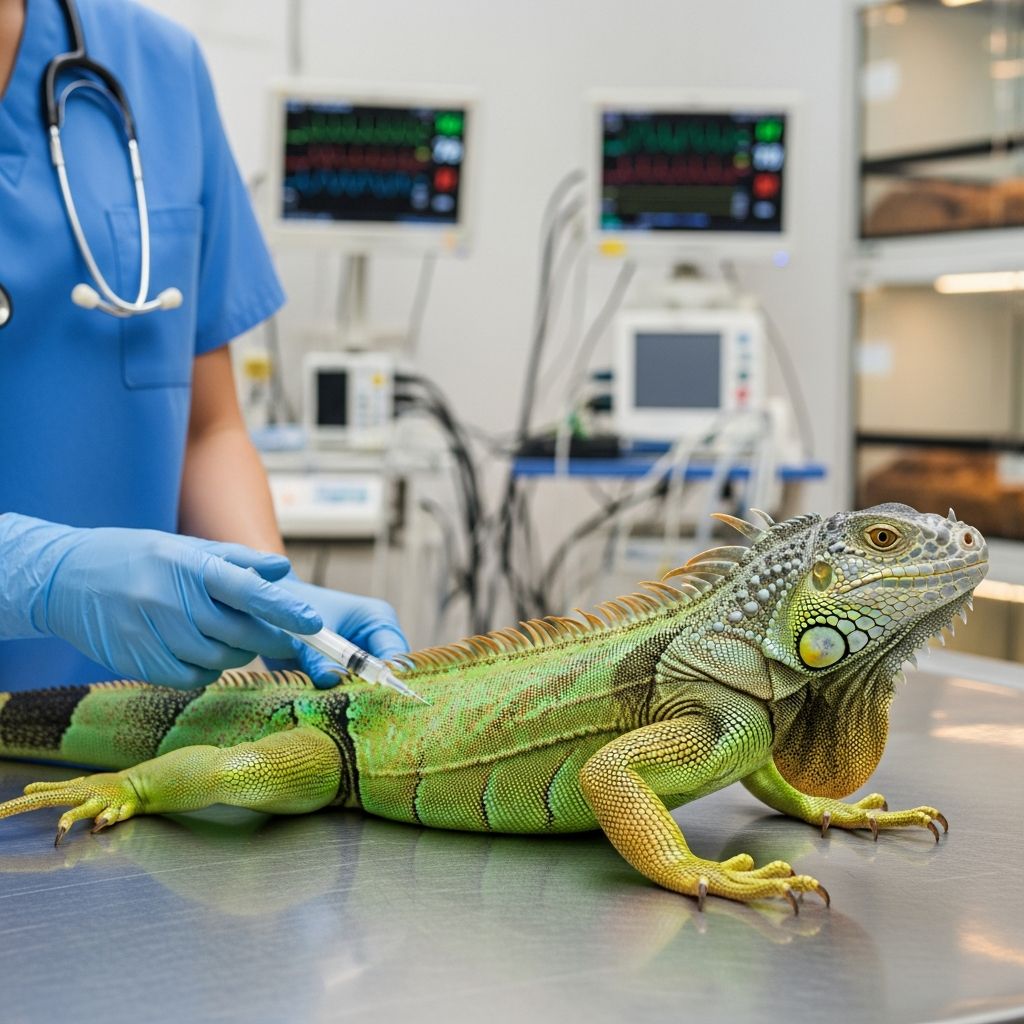
Understanding Reptile Emergency and Critical Care
The fundamental principles of emergency medicine and critical care apply across all animal species, yet reptiles present unique challenges due to their distinctive anatomy, physiology, and behavioral characteristics. When treating a critically ill reptile, veterinarians must recognize that many presentations differ significantly from those in mammals or birds. Understanding these differences is essential for providing effective emergency care and improving patient outcomes. The reptile patient requires a specialized approach that accounts for their ectothermic nature, unique respiratory system, and specific metabolic requirements.
Initial Assessment and Triage
Proper triage is critical when treating reptile patients presenting with acute-onset emergencies. Common presentations include trauma, vomiting, prolapse, seizures, tremors, obstructive dystocia, and severe dyspnea. A complete history is vital to help determine a comprehensive list of differential diagnoses. During initial evaluation, recognize that improper diet and inadequate husbandry are often major contributors to illness in reptile patients.
The physical examination should begin with visual assessment, as an initially limited examination may be necessary for unstable patients. Once stabilization becomes the priority, additional diagnostic tests or procedures can be performed once the patient demonstrates improved stability. Key clinical signs of distress in reptiles include:
– Emaciated or dehydrated appearance with wrinkled, inelastic skin- Sunken eyes indicating severe dehydration- Lack of carpal or truncal lift in debilitated chelonians and lizards- Open-mouth breathing or increased respiratory effort suggesting lower respiratory tract disease- Erythematous blush to ventral belly scutes in squamates or lower shell (plastron) in chelonians, often associated with septicemia
Airway Management and Respiratory Support
Endotracheal Intubation Techniques
Reptiles lack an epiglottis, and the glottis is readily visualized, making endotracheal intubation readily accomplished in most species. This anatomical advantage simplifies airway management compared to mammals. When the glottal folds are closed, apply topical lidocaine to facilitate intubation and reduce resistance.
Critical consideration must be given to tube selection. Reptile tracheal rings are complete, forming rigid structures that differ from the incomplete cartilaginous rings found in mammals. Use of an inflated, cuffed endotracheal tube can lead to pressure necrosis because there is no elastic ligament to accommodate tracheal expansion. Always select a short, uncuffed endotracheal tube for small reptiles, and never inflate a cuff in large reptiles to prevent serious complications.
Oxygen Administration Considerations
One of the driving parameters for reptile respiration is the partial pressure of oxygen. Significantly elevated oxygen levels can actually inhibit breathing in the reptile patient, which contrasts sharply with mammals. Therefore, supplemental oxygen can paradoxically compromise the breathing of an already ill reptile. When supplemental oxygen is provided, administer no more than 30-40% humidified oxygen to avoid suppressing respiratory drive.
Consider ventilating reptiles with room air using a bag valve mask as a primary approach. As rising oxygen levels can suppress respiration in the reptile patient, room air ventilation is often the safest initial approach for maintaining ventilation without inadvertently depressing respiratory effort.
Temperature Management and Thermoregulation
Addressing Hypothermia
Many ill or injured reptiles that present on an emergency basis are hypothermic. This condition frequently occurs due to power failures, escape from captive environments, or prolonged exposure to inadequate temperatures. The hypothermic reptile is extremely lethargic, and evidence of gastrointestinal stasis or bloating may be observed.
Manage hypothermic patients by slowly warming with warmed fluids and supplemental heat over 4-6 hours. Never rapidly rewarm a hypothermic reptile, as this can cause complications. House collapsed or debilitated reptiles in an incubator set at 82-85°F (28-29.4°C). Important consideration: secondary infections or pneumonia can develop within days or weeks following the hypothermic episode, requiring close monitoring and potential prophylactic treatment.
Preventing and Managing Hyperthermia
Hyperthermia can occur if a reptile is left in an aquarium in the sun without shade for as little as 5 minutes, demonstrating how rapidly dangerous temperatures can develop. Manage the hyperthermia patient with subcutaneous or intracoelomic fluids and cool, but not cold, water. If signs of coma or cerebral edema are observed, then corticosteroids are indicated to manage inflammation and prevent neurological damage.
Appropriate Temperature Gradient
Provide the preferred optimal temperature zone (POTZ) as a temperature gradient for the mobile patient. However, heat must be provided more cautiously for the collapsed or debilitated reptile through an incubator or brooder. A temperature setting of 82-85°F (28-29.4°C) is suitable for many reptile species. Only reptiles of adequate and normal bone quality should be offered vertical space for climbing, as debilitated animals may injure themselves.
Fluid Therapy and Vascular Access
Fluid Requirements and Administration
Debilitated reptiles are often severely dehydrated. Maintenance fluid requirements are estimated at 1-3% of body weight or 10-30 ml/kg/day. However, judiciously provide fluid therapy, replacing deficits over 48-96 hours rather than rapidly. Always administer warmed fluids to maintain patient body temperature and support physiological function during the rewarming process.
Calculate daily fluid requirements and correct for dehydration needs gradually over several days. If the patient is in very poor condition or has lost significant weight, increase the frequency or volume of feeding once stabilization is achieved. Never administer cold fluids to a reptile patient, as this will exacerbate hypothermia and delay recovery.
Vascular Access Routes
Intraosseous catheters can be placed into the tibia or femur of lizards, providing reliable vascular access when peripheral veins are compromised. The jugular vein can be accessed in chelonians for fluid administration and blood sampling. As a general rule, administer medications to the reptile by a parenteral route rather than oral administration, as this ensures more reliable drug absorption and efficacy in critical patients.
Common Reptile Emergencies
Trauma and Bite Wounds
Reptile trauma presentations include bite wounds from predators or cage mates, thermal burns, and shell trauma in chelonians. Address bite wounds with thorough cleaning and appropriate antibiotic therapy to prevent secondary infection and septicemia. Thermal burns require careful assessment of burn depth and extent, along with fluid therapy to manage hypovolemia and prevent shock.
Tail Trauma and Amputation
If a captive animal loses its distal tail and amputation is clean, all that is required is wound management with appropriate infection prevention. However, if bone is exposed, remove this bone segment manually with sedation to prevent infection and promote healing. Careful wound care is essential to prevent serious complications.
Fractures and Nutritional Disease
Fractures are often associated with nutritional secondary hyperparathyroidism, a consequence of inadequate calcium and vitamin D supplementation in captive reptiles. These fractures may often require temporary external coaptation to immobilize the fracture site while healing progresses. Addressing the underlying nutritional deficiency is essential to prevent future fractures and support bone healing.
Dystocia and Reproductive Emergencies
Obstructive dystocia represents a common emergency presentation in female reptiles, particularly egg-laying species. This condition requires prompt recognition and intervention to prevent serious complications including egg retention, infection, and systemic toxemia. Treatment approaches range from supportive care to surgical intervention depending on the severity and underlying cause.
Prolapse Management
Prolapse of reproductive organs, gastrointestinal tract, or urinary bladder is a surgical emergency in reptiles. Immediate assessment and intervention are necessary to prevent tissue damage, infection, and loss of organ viability. Gentle cleaning and careful reduction of prolapsed tissue, followed by supportive care, are essential management components.
Pneumonia and Respiratory Disease
Respiratory infections represent serious emergencies in reptiles, often resulting from inadequate environmental conditions, improper temperature, or humidity levels. Advanced lower respiratory tract disease manifests as open-mouth breathing or markedly increased respiratory effort. Early recognition and aggressive treatment are essential to prevent progression to septicemia and systemic illness.
Husbandry and Environmental Considerations
Improper diet and inadequate husbandry are often major contributors to illness in reptile patients. A thorough history regarding feeding practices, environmental temperature, humidity, lighting, and enclosure setup is a critical part of clinical evaluation. Understanding the home environment conditions allows veterinarians to identify predisposing factors and provide specific recommendations for preventing recurrence.
Environmental conditions directly impact recovery, necessitating appropriate caging during hospitalization. The collapsed or debilitated reptile should be housed in an incubator or brooder with precise temperature control. Proper humidity levels must be maintained according to species requirements, and a quiet, calm environment reduces stress during the critical care period.
Nutrition and Feeding Considerations
Reptiles do not eat as frequently as birds or mammals due to their significantly lower metabolic rate. It is crucial to ensure that the patient is warm and hydrated before feeding begins. Premature feeding of cold, dehydrated reptiles can result in regurgitation and aspiration. Allow adequate time for thermoregulation and fluid repletion before attempting nutritional support.
If the reptile is emaciated or severely dehydrated, nutritional support must be introduced gradually as the patient stabilizes. Calculate caloric needs based on body weight and species requirements, adjusting feeding frequency and volume based on the patient’s response to treatment and clinical improvement.
Monitoring and Stabilization Protocols
Stabilization should be the priority when managing critically ill reptiles, with additional diagnostic tests or procedures performed once the patient demonstrates improved stability. Close monitoring of vital parameters, respiratory effort, and response to treatment is essential. Document all interventions, fluid administration, medications, and patient responses to guide ongoing care decisions.
Maintain detailed records of patient condition, temperature readings, fluid intake and output, feeding attempts, and behavioral changes. These records help identify trends in patient improvement or deterioration and guide adjustments to the treatment plan.
Key Principles Summary
Emergency care for reptiles requires understanding that basic principles of emergency medicine apply across species, but reptiles present unique physiological and anatomical challenges. Successful outcomes depend on recognizing species-specific requirements for temperature management, oxygen administration, fluid therapy, and nutritional support. Address hypothermia promptly, provide appropriate vascular access, administer warmed fluids, and avoid high oxygen concentrations that can suppress reptile respiration. Maintain a quiet environment, correct underlying husbandry deficiencies, and provide species-appropriate thermoregulation throughout hospitalization and recovery.
Frequently Asked Questions
Q: Why do rising oxygen levels suppress respiration in reptiles?
A: The partial pressure of oxygen is a primary driving parameter for reptile respiration. Elevated oxygen levels can actually inhibit the respiratory drive in reptile patients, potentially worsening respiratory distress rather than improving it. This is why supplemental oxygen should be limited to 30-40% humidified oxygen when necessary.
Q: What is the ideal temperature for housing a critically ill reptile?
A: The ideal temperature for most critically ill reptiles is 82-85°F (28-29.4°C). This temperature range should be maintained using an incubator or brooder, and fluids administered should always be warmed to this temperature range.
Q: How quickly can hyperthermia develop in a captive reptile?
A: Hyperthermia can develop extremely rapidly in captive reptiles. A reptile left in an aquarium in the sun without adequate shade can develop life-threatening hyperthermia in as little as 5 minutes.
Q: When should parenteral medication administration be used in reptiles?
A: As a general rule, medications should be administered to reptiles by a parenteral route (injection) rather than oral administration in emergency and critical care situations. This ensures more reliable drug absorption and efficacy in critically ill patients.
Q: How long should fluid deficits be replaced in a dehydrated reptile?
A: Fluid deficits should be replaced gradually over 48-96 hours rather than rapidly. This slow replacement prevents complications and allows the reptile to adjust to fluid repletion while stabilizing.
Q: What complications can develop after a hypothermic episode?
A: Secondary infections or pneumonia can develop within days or weeks following a hypothermic episode. Close monitoring during recovery and potential prophylactic treatment may be necessary to prevent these serious complications.
Q: What are the signs of severe dehydration in reptiles?
A: Signs of severe dehydration include wrinkled, inelastic skin, sunken eyes, and in debilitated chelonians and lizards, lack of carpal or truncal lift resulting in the animal lying flat rather than lifting up on all four feet.
Q: Why should uncuffed endotracheal tubes be used in reptiles?
A: Reptile tracheal rings are complete and rigid structures unlike mammals. Cuffed endotracheal tubes can cause pressure necrosis because there is no elastic ligament to accommodate tracheal expansion, making uncuffed tubes essential.
References
- Reptile Emergency & Critical Care Summary Page — LafeberVet, Lafeber Company. 2024. https://lafeber.com/vet/reptile-emergency-critical-care-summary-page/
- Critical Care of Exotic Pet Species — LafeberVet, Lafeber Company. 2024. https://lafeber.com/vet/critical-care-of-exotic-pet-species/
- Clinical Topic: Critical Care — LafeberVet, Lafeber Company. 2024. https://lafeber.com/vet/topics/critical-care/
- EmerAid Intensive Care Basic Use Guide — EmerAid Veterinary Products. 2024. https://emeraid.com/vet/emeraid-intensive-care-basic-use-guide/
Similar Articles








Read full bio of medha deb


